



Macau’s expanding non-gaming offering may be broadening the visitor experience without fundamentally reducing the economy’s reliance on casinos, as entertainment, hotels and events continue to support the integrated resort model, according to a new academic study.
The study, published in the first 2026 issue of Global Gaming & Tourism Research, examines the development of Macau’s gaming industry since the concession market opened in 2002.
Researchers Zhong Yun and Hu Zhouqin of Jinan University said gaming liberalization drove the construction of integrated resorts and supported the expansion of hotels, retail, restaurants and entertainment. This created what the study describes as a vertical extension of the tourism value chain, alongside broader development in areas such as conventions, culture and sports.
However, the researchers argue that the underlying business model remains centered on gaming. Non-gaming facilities still ‘mainly serve as supplements’ that strengthen the appeal of core casino operations, improve overall margins, stabilize revenue and extend visitor stays.
As Macau’s six concessionaires invest in entertainment, MICE, sports, culture, health and wellness, gastronomy and overseas markets under their current gaming contracts, a key question is whether these projects can generate independent non-gaming revenue or will primarily support casino operations.
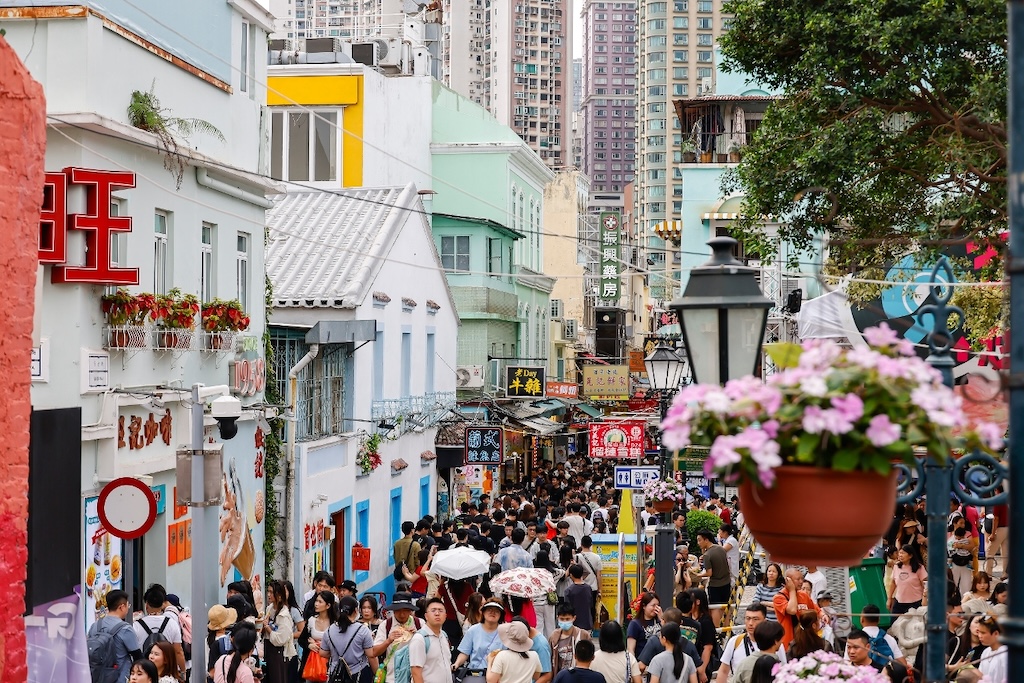
Non-gaming as a demand engine
The latest available Tourism Satellite Account, covering 2024, provides a more recent test of the study’s argument.
According to the Statistics and Census Service, Macau’s tourism receipts increased by 13.3 percent year-on-year to MOP293.82 billion ($36.4 billion).
Gaming tourism receipts rose by 22.7 percent to MOP179.84 billion ($22.3 billion), while non-gaming receipts increased by only 1.1 percent to MOP113.99 billion ($14.1 billion). Gaming consequently increased its share of tourism receipts from 56.5 percent in 2023 to 61.2 percent in 2024.
The difference was sharper in tourism direct gross value added, which measures the value generated by visitor activity after intermediate consumption is deducted. Gaming represented 81.6 percent of the total in 2024, up from 78.5 percent a year earlier.
Gaming value added grew by 22.7 percent, compared with growth of just 0.7 percent across non-gaming tourism industries.
The figures do not establish that non-gaming investment has failed. They indicate, however, that gaming captured most of the incremental value generated during the 2024 tourism recovery.
The study also recognizes that Macau’s tourism appeal is changing. Cultural heritage, major events, entertainment and sports are gradually dispersing gaming’s position as the ‘only focus of experience’.
For integrated resorts, however, a concert or sporting event does not need to generate a high standalone margin if it raises hotel occupancy, extends stays or attracts premium-mass customers. Non-gaming can therefore diversify the customer journey while remaining economically tied to casino performance.
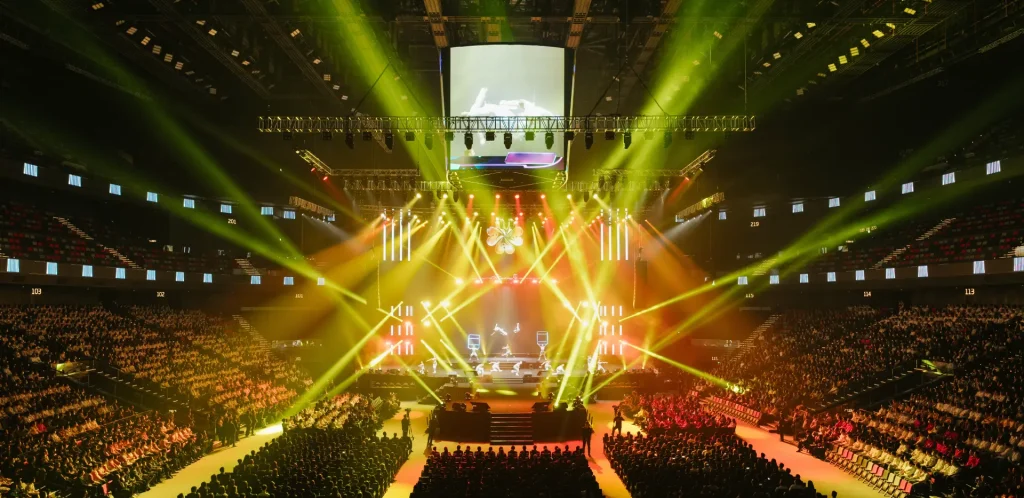
Revenue diversification test
The six concessionaires initially committed MOP108.7 billion ($13.5 billion) to non-gaming projects and overseas market development during the 2023–2032 concession period.
Their contracts required a 20 percent increase after market-wide gross gaming revenue exceeded MOP180 billion ($22.3 billion) in 2023, taking the combined non-gaming commitment to approximately MOP130.4 billion ($16.2 billion).
The study argues that long-term reliance on gaming has produced ‘deep path dependence’ across Macau’s fiscal revenue, labor structure and industrial ecosystem. Its findings suggest that adding attractions around the casino industry is not necessarily the same as creating industries capable of growing independently from it.
For Macau, product diversification is already visible. The harder test is whether revenue diversification follows—and whether non-gaming growth can extend beyond the properties, balance sheets and customer databases of the six casino concessionaires.