



Whether the planned sale of Casino Filipino closes may hinge on transferring its venue leases, while any obligation on the buyer to retain existing staff could drag down bids, according to two legal analyses by Philippine law firm Geronimo Law.
The first note, dated July 27th, examined the venue leases; a second, issued July 23rd, assessed the impact on employees of the Philippine Amusement and Gaming Corporation (PAGCOR).
PAGCOR operates its Casino Filipino branches and satellite venues from leased properties. Because Casino Filipino is an unincorporated PAGCOR division rather than a subsidiary, the privatization must proceed as an asset sale rather than a share sale — and that distinction shapes both the lease and the staffing questions.
Each venue lease would therefore need to be transferred individually to the winning bidder. Under the Philippine Civil Code, a lease cannot be assigned without the property owner’s consent unless the contract states otherwise. That, Geronimo Law said, hands every landlord an effective veto over site-level transfers, along with leverage to renegotiate rent, lease duration and escalation terms as the price of consent.
‘The status of the leases will determine whether the deal will close,’ the firm said.
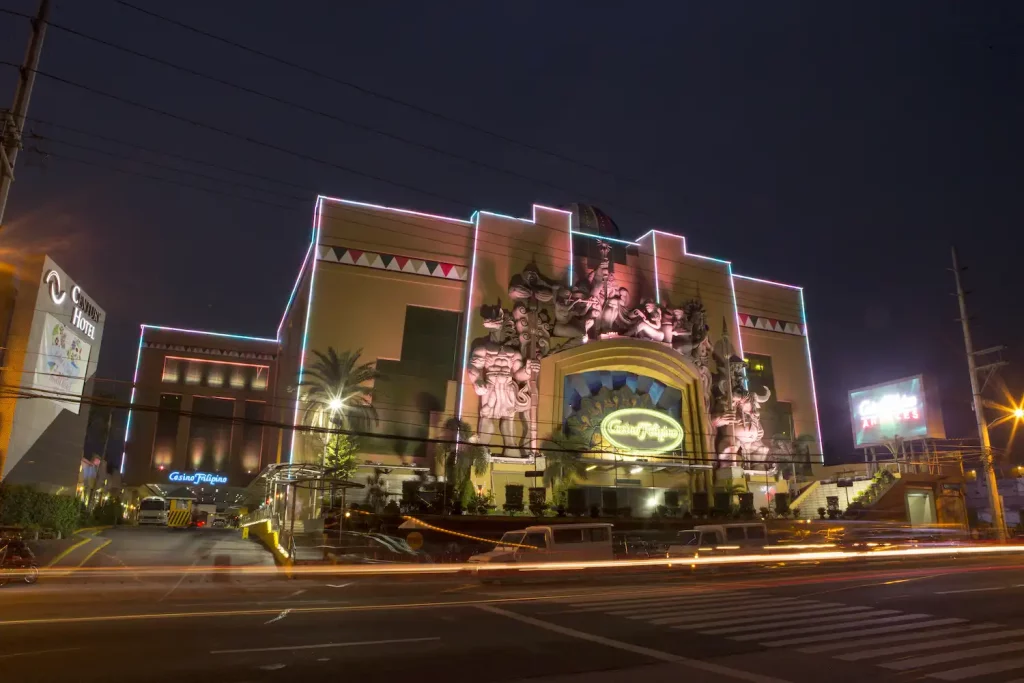
The lease structure has already weighed on price. PAGCOR chairman and chief executive Alejandro Tengco has acknowledged that the corporation owns almost none of the real estate it operates on. ‘We do not own any property, we’re just leasing. What we are selling here is the license and future revenue,’ he said in remarks cited in the analysis.
The indicative valuation was later lowered to between PHP30 billion ($486 million) and PHP50 billion ($810 million), from earlier estimates of PHP60 billion to PHP80 billion, according to Geronimo Law. The firm said the security and transferability of the lease portfolio would be central to the final price, with bidders needing to examine remaining lease terms, rent arrears, insurance history and ownership of improvements made to gaming floors.
Staff mandate could lower bids
The employment note said the asset-sale structure means a buyer would not automatically inherit Casino Filipino’s employees or any employment-related claims. Staff who cannot be redeployed within PAGCOR would be separated from the state-owned corporation unless the buyer agrees — or is required under the bidding terms — to hire them.
Geronimo Law set out three possible routes for affected workers: redeployment within PAGCOR, absorption by the buyer, or separation with retirement and special separation packages. But any absorption requirement would bind a buyer only if written into the bidding terms and the asset purchase agreement.
Absorbed employees would enter a new employment relationship with the private operator, with their length of service generally restarting from the hiring date — though the sale agreement could still require the buyer to assume obligations tied to earlier tenure. Bidders would likely deduct any such liabilities from their offers ‘peso for peso’, the firm said, and could resist taking on workers they consider unnecessary.
‘Expect bidders to resist an absorption mandate,’ Geronimo Law said.
Hiring, it added, would be selective: dealers, surveillance officers and slot technicians could be favored because trained gaming personnel remain scarce. Employees who are neither absorbed nor redeployed would stay PAGCOR’s responsibility, their separation governed by civil service rules.
The proposed privatization remains under review by the Governance Commission for Government-Owned or -Controlled Corporations (GCG). PAGCOR is targeting completion of the decoupling — its shift to a regulator-only role — by late 2026 or early 2027, subject to the commission’s review and final action by the Office of the President.