


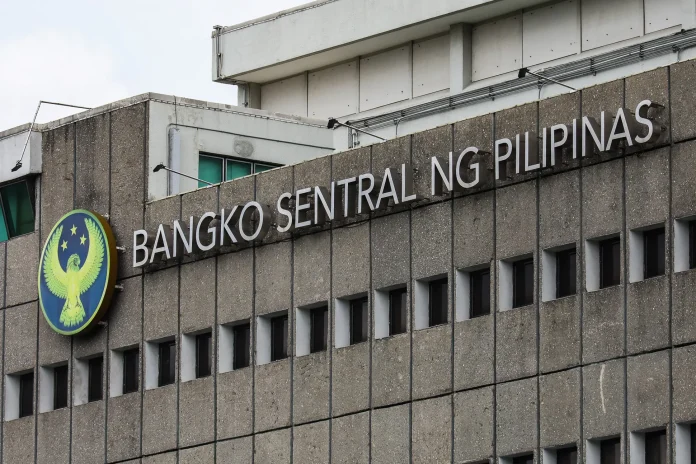
The Bangko Sentral ng Pilipinas (BSP), the Philippines’ central bank, has urged supervised financial institutions to strengthen controls over customers involved in casino junket operations, warning that their transactions can carry elevated money laundering risks.
The guidance was reported by the Philippine News Agency and GMA Integrated News, which cited a BSP paper titled ‘Risk Management Practices for Customers Engaged in Casino Junket Operations’.
Casino junket operators arrange gaming-related services for high-value players, including travel, credit and gaming-room bookings. The BSP warned that financial relationships involving junket operators could expose banks and other supervised institutions to money laundering, terrorism financing, proliferation financing and other illicit activities.
‘Financial transactions linked to CJOs can pose elevated money laundering risks,’ BSP Deputy Governor Lyn Javier said in a statement carried by the two media outlets.
‘We identify the best practices and red flags BSFIs need to watch out for to be strong partners in our shared goal of curtailing crime and safeguarding the integrity of the financial system,’ Javier added.
The central bank identified unusual cash movements, complex corporate ownership structures and layered transactions among the potential warning signs associated with junket customers.
Its recommended safeguards include stronger board and senior management oversight, effective money laundering and terrorism financing prevention programs, customer acceptance and identification procedures, ongoing account monitoring and suspicious transaction reporting.
Financial institutions were also advised to conduct enhanced due diligence on high-risk customers, use automated transaction-monitoring systems, analyze links between clients and independently verify information with relevant regulatory authorities.
The guidance also calls for regular internal assessments and staff training to ensure institutions can identify and manage risks linked to junket operations.
The BSP said information sharing among financial institutions and supervising authorities remained important, particularly cooperation between the central bank and the Philippine Amusement and Gaming Corporation, which regulates the country’s casino industry.