
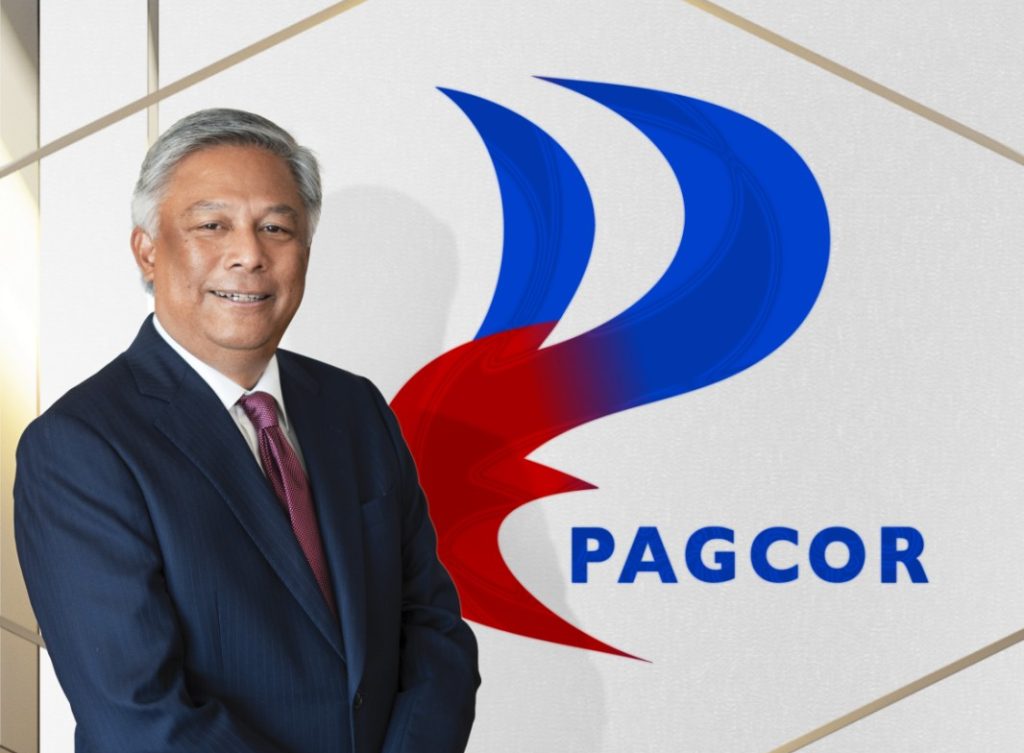
The Philippine Amusement and Gaming Corporation (PAGCOR) expects the country’s gaming industry to achieve gross gaming revenues (GGR) of $7 billion in 2025, while the agency continues to progress its privatization plans to separate its dual roles as operator and regulator, according to a press release from the agency.
Speaking at an event in Manila on September 9th, PAGCOR Chairman and CEO Alejandro H. Tengco revealed that industry GGR has nearly doubled over the past two years, climbing from $3.75 billion in 2022 to $6.5 billion in 2024. In the first half of 2025 alone, revenues have already reached $3.8 billion, putting the sector on track to achieve its full-year target of $7 billion.
PAGCOR’s own revenues in the first half reached $1 billion, reflecting the robust growth across the Philippine gaming market.

Gaming sector drives unprecedented growth
“These numbers affirm the Philippines’ place as one of the fastest-growing and most important gaming markets in Asia,” Tengco said, emphasizing that reforms have been implemented to ensure growth remains both sustainable and responsible.
The PAGCOR chief attributed the significant expansion to the rapid rise of electronic gaming (e-games), while noting that regulatory oversight must evolve to maintain integrity and player protection standards. Recent measures by the gaming agency include launching the PAGCOR Guarantee Page to verify licensed platforms, implementing responsible gaming tools such as self-exclusion and betting limits, and establishing a 24-hour helpline in partnership with the Seagulls Flock Foundation.
The agency has also banned the use of credit cards and cryptocurrencies for betting, tightened gambling advertisement rules in collaboration with the Ad Standards Council, and enhanced coordination with law enforcement and cybercrime agencies to combat illegal online gambling.
Tengco highlighted the Philippines’ removal from the Financial Action Task Force (FATF) grey list earlier this year as a milestone that strengthened investor confidence and validated the country’s compliance efforts against money laundering and financial crimes.

Privatization timeline advances to early 2026
While celebrating the industry’s performance, the PAGCOR chief reiterated plans to decouple the agency’s dual functions as both gaming operator and regulator. “PAGCOR’s dual role has served its purpose in the past, but as the industry matured, it became clear that – in layman’s terms – a referee cannot also be a player on the same field,” he explained.
As previously reported, PAGCOR is actively pursuing the privatization of its casinos, with a targeted start date now set for early 2026. The initiative, approved by President Ferdinand Marcos Jr., aims to create a more level and ethical playing field for the Philippine gaming industry by separating PAGCOR’s operational and regulatory responsibilities.
The timeline has been adjusted from initial mid-2025 projections to accommodate the necessary amendment of PAGCOR’s charter, a process expected to conclude in 2025. Before decoupling can proceed, PAGCOR must first secure approval from the Governance Commission for Government-Owned and Controlled Corporations (GCG), which is currently reviewing the required documentation.
The privatization plan involves selling its 45 casinos operated under the Casino Filipino brand nationwide. PAGCOR’s Chairman has cited conservative revenue estimates of PHP60 billion to PHP80 billion ($1.05 billion to $1.4 billion) from the privatization, though other projections have reached as high as PHP120 billion to PHP128 billion ($2.10 billion to $2.24 billion).
To maximize value for potential buyers, PAGCOR is modernizing its Casino Filipino properties through facility upgrades and the installation of new slot machines. Tengco assured that Casino Filipino employees would be protected through redeployment, absorption by privatized operators, or competitive retirement benefits once the gaming operations privatization takes place.
The decoupling process requires careful legal consideration as PAGCOR operates under Presidential Decree 1869 and Republic Act 9487.