Hong Kong’s Court of First Instance has dismissed a lawsuit brought by a former Crown Resorts marketing executive who sought to collect 24 percent annual interest on gambling debts incurred by Chinese businessman Huang Youlong, ruling that the money was owed to Macau junket operator Suncity, not to her personally.

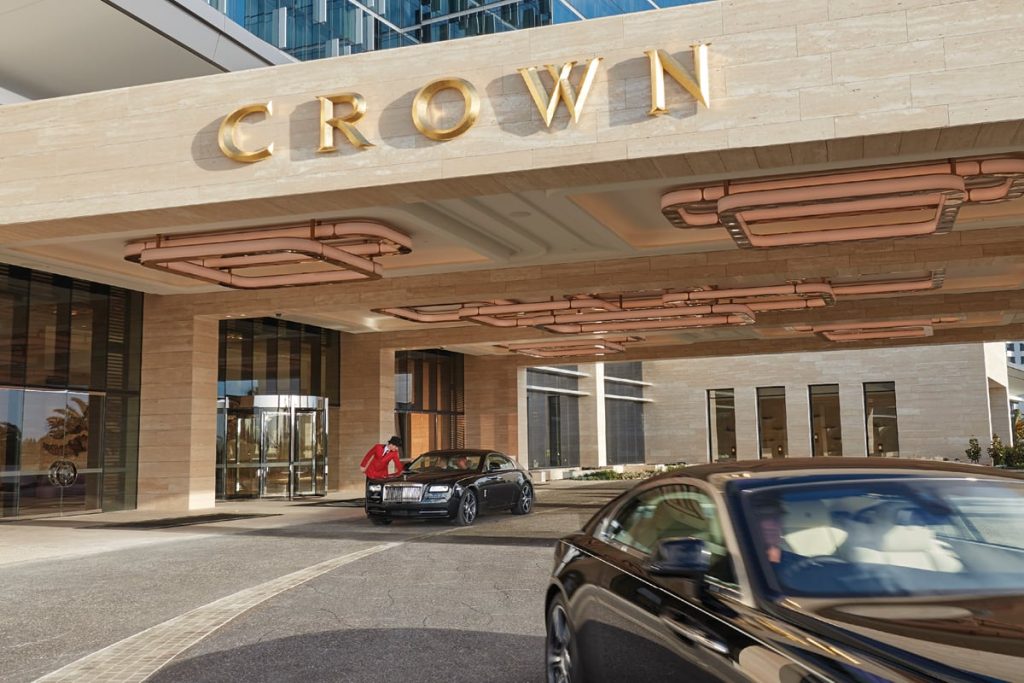
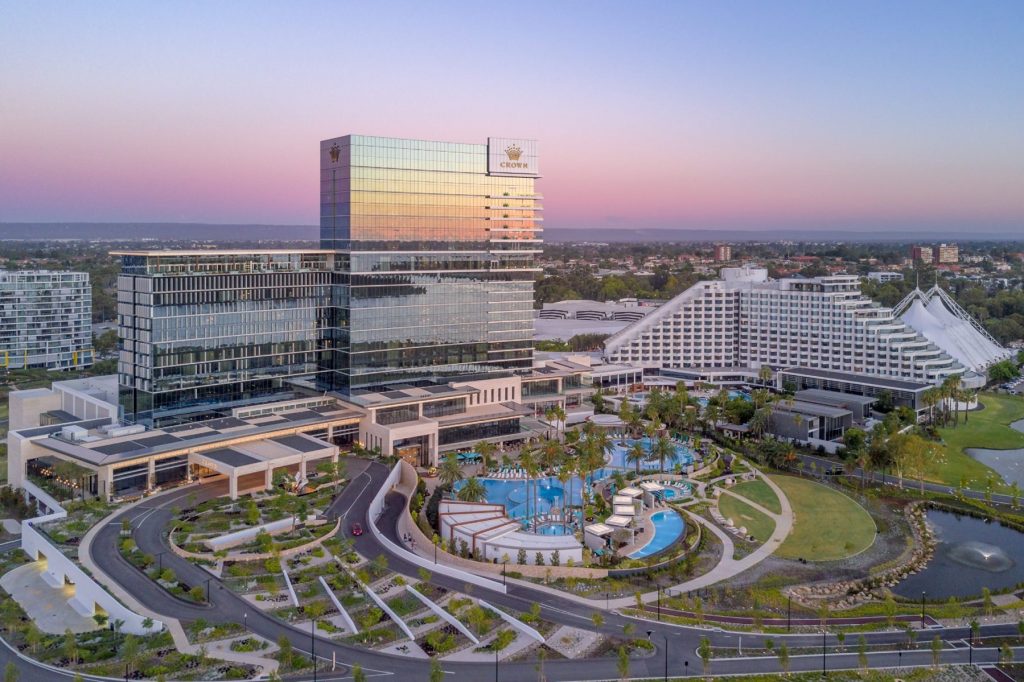
Huang, known publicly as a friend of Alibaba founder Jack Ma and the husband of China’s most famous actress Zhao Wei, lost AU$60 million ($41.7 million) in gaming chips at Crown’s Perth casino within days in February 2015, according to the judgment handed down on June 30th. Australian media described it as possibly ‘one of the heaviest and fastest losses in Australian casino history.’
The plaintiff, Chua Eh Fong, was vice president of marketing at Crown Resorts at the time, responsible for bringing high rollers to the group’s casinos and arranging gaming credit for them. When Crown declined to extend credit directly to Huang because of his outstanding debts at other casinos and junkets, Chua arranged for Suncity, in which her mother and cousin were investors, to issue the gambling loan through its credit line.
Huang lost the first AU$40 million ($27.8 million) tranche within two days and immediately borrowed a further AU$20 million ($13.9 million), hoping to recover his losses. He lost that as well.
‘Afterthoughts,’ judge says
Chua claimed she had personally entered into two oral credit agreements with Huang, entitling her to charge 24 percent annual interest once repayment fell overdue. Deputy High Court Judge Alan Kwong rejected the claim, finding that the alleged agreements ‘did not exist’ and that the creditor-debtor relationship was between Suncity and Huang.

Chua Eh Fong
The judge noted that Chua’s own WeChat messages, sent years before the litigation, contradicted her case, and that she never raised the interest claim during a January 2016 settlement meeting attended by Suncity boss Alvin Chau. Her assertions in the proceedings ‘were afterthoughts,’ the judge wrote, adding that her case ‘does not sit comfortably with basic commercial common sense and ordinary logic of events.’
The judgment offers a rare inside look at how junket credit worked at the height of the VIP era. Suncity investors placed deposits with the junket to guarantee credit extended to gamblers, with debts booked to internal investor accounts, and Crown shifted the credit risk for a problematic customer onto the junket rather than lending directly.
Crown’s reliance on junkets later proved costly. The arrangements were a central focus of regulatory inquiries in New South Wales, Victoria and Western Australia that found the group unsuitable to hold its casino licenses, prompting Crown to sever ties with junket operators in 2020.
Repayment through Suncity
Court records show Huang repaid HK$273 million ($35 million) directly to Suncity between 2016 and 2019 after Chau personally intervened, on top of HK$153 million ($19.6 million) collected earlier through Chua as the junket’s agent. Suncity executed a deed of release in September 2019 confirming the gambling debt had been fully repaid.
Huang did not testify at trial. The judge refused his application to give evidence by video link from France, describing a one-page medical certificate citing chest pain as ‘wholly unreliable.’
The court also dismissed Chua’s claim on a dishonored HK$60 million ($7.7 million) cheque drawn by Huang’s personal assistant, ruling the cheques were security for the debt owed to Suncity and should have been handed to the junket.