



The United Arab Emirates (UAE) is building its casino market around regulation, tourism integration and controlled access rather than broad gaming expansion, according to Macau-based lawyer Sofia Linhares.

Speaking to AGB, Linhares said the UAE was taking a different approach from traditional gaming jurisdictions by establishing its regulatory framework before the industry reaches maturity. The country, which historically maintained a strict prohibition on gambling, is now developing a regulated commercial gaming sector under the oversight of the General Commercial Gaming Regulatory Authority (GCGRA).
The launch of Wynn Al Marjan Island in Ras Al Khaimah, expected to become the UAE’s first casino resort, will provide an early test of whether gaming can be integrated into the country’s wider tourism and economic diversification strategy.
UAE builds gaming framework around regulation
Linhares said the UAE’s move into gaming should not be viewed as a shift towards unrestricted gambling, but as the creation of a controlled entertainment sector operating within a defined legal framework.
“It means the legal landscape has shifted from absolute prohibition to regulated permission,” Linhares said.
She added that the change provides greater certainty for licensed operators, suppliers and other businesses involved in the gaming ecosystem, while allowing the government to establish clear rules before the market expands.
“The change is not an invitation to free-market gaming; it is a carefully calibrated signal that the UAE is serious about building a regulated ecosystem,” Linhares said.
Unlike established gaming markets that developed their regulatory structures over decades, the UAE is designing its framework before a large-scale casino industry has emerged.
Linhares said this gives the country the opportunity to incorporate compliance requirements from the outset, including stronger oversight of operators, suppliers and financial activity.
“The UAE is designing for a post-junket world from day one, with a heavier emphasis on technology, data transparency, and anti-money laundering infrastructure,” she said.
The approach reflects a broader shift among emerging gaming jurisdictions, where regulators have placed greater emphasis on responsible gaming, financial controls and transparency before allowing commercial operations to scale.
Gaming positioned as part of wider tourism strategy
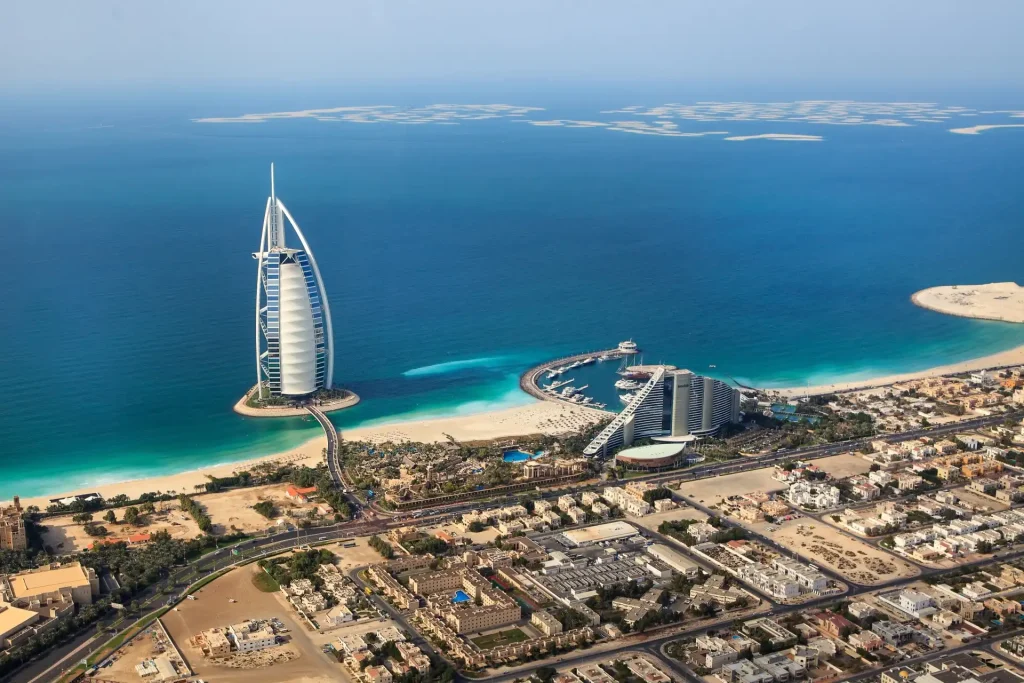
Linhares said one of the UAE’s main advantages is that it does not need casinos to create tourism demand.
“The UAE has structural advantages most emerging markets lack: a diversified economy, world-class tourism infrastructure, and a non-gaming hospitality sector that already outperforms many gaming destinations,” she said.
Unlike some gaming markets where integrated resorts were developed primarily to attract visitors, the UAE already has an established luxury tourism base. Linhares said gaming should serve as an additional attraction rather than the foundation of the destination.
“The UAE does not need gaming to fill hotels or drive footfall; it needs gaming to complement an existing ecosystem,” she said.
Maintaining that balance will be one of the biggest challenges for the emerging market, she said. Many jurisdictions have promoted integrated resorts as diversified tourism developments but later became heavily reliant on gaming revenue.
“The risk is complacency. If operators treat non-gaming as a marketing line rather than a business model, the UAE will follow the same trajectory as others,” Linhares said.
She said regulators would need to ensure that non-gaming components remain supported through transparent reporting, performance monitoring and clear standards for integrated resort development.
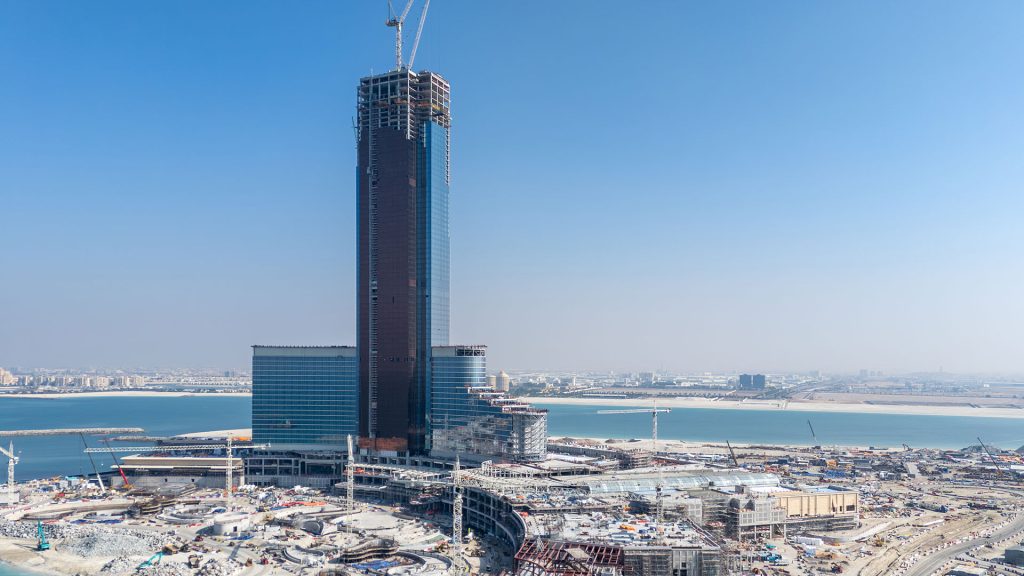
The opening of Wynn Al Marjan Island will be the first major test of whether the UAE’s approach can translate into practice. The $5.1 billion resort in Ras Al Khaimah, developed by Wynn Resorts with local partners, is expected to include the UAE’s first licensed casino alongside hotels, dining, entertainment and other non-gaming facilities.
Linhares said the project represents more than the introduction of casino gaming.
“It is a test of whether gaming can operate within a broader tourism model that remains aligned with the country’s economic priorities,” she said.
While Macau’s gaming industry evolved through decades of market development before introducing tighter regulatory controls, Linhares said the UAE has the opportunity to establish safeguards before the sector matures.
“The most important lesson: regulate the ecosystem, not just the operator,” Linhares told AGB. “Macau’s greatest failure was allowing the junket system to operate in regulatory twilight — generating revenue while evading meaningful oversight.”
The long-term challenge for the UAE, she said, will be maintaining a balance between attracting international gaming investment and preserving a broader tourism-led economic model.