

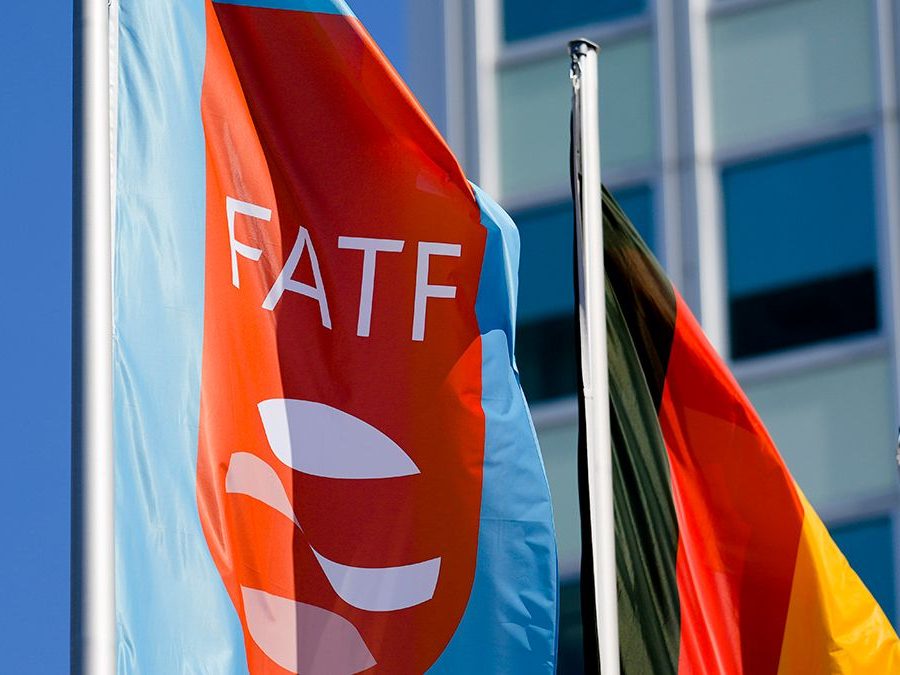
The Philippine Amusement and Gaming Corporation’s (PAGCOR) fit-and-proper assessments are taking on greater significance as the country works to preserve the anti-money-laundering reforms that secured its removal from the Financial Action Task Force (FATF) grey list and prepares for another international evaluation in 2027.
Directors, corporate officers, significant shareholders and beneficial owners may be assessed personally, while investors holding at least 20 percent of an entity generally fall within the scope of the checks, according to a July 10th analysis by Patricia De Guzman of Arden Consult.
Licensed companies must also notify PAGCOR within 15 calendar days of changes involving their directors, officers or ownership. Incomplete or inaccurate disclosures can result in an application being rejected or treated as withdrawn, while an existing license may be suspended or revoked.
Arden Consult is a Philippine legal and regulatory advisory firm specializing in gaming, fintech, digital assets and technology. It advises companies on regulatory approvals, compliance and market entry involving agencies including PAGCOR.
Post-grey-list scrutiny continues
Known as probity checks, the reviews assess whether a company and the individuals behind it are honest, trustworthy and suitable to hold a gaming license, authorization or accreditation. The process may examine financial standing, criminal history, regulatory compliance and reputational records, rather than relying solely on documents submitted with an application.
‘Probity checks are not bureaucracy for its own sake,’ De Guzman wrote, describing them as part of the Philippines’ compliance with international anti-money-laundering and counter-terrorism financing standards.
The FATF removed the Philippines from its list of jurisdictions under increased monitoring in February 2025 after determining that the country had made ‘significant progress’ in improving its AML/CFT regime.
Among the areas cited by the watchdog were stronger controls addressing risks associated with casino junkets and evidence of effective risk-based supervision of designated non-financial businesses and professions, a category that includes casinos.
“The Philippines is now actively combating the risk of dirty money flowing through casinos in the country,” FATF President Elisa de Anda Madrazo said following the decision.
However, removal from the grey list did not end international monitoring. The FATF asked the country to continue working with the Asia/Pacific Group on Money Laundering to sustain its reforms, while a further evaluation is scheduled for 2027.
That review will allow assessors to determine whether the measures introduced under the country’s action plan remain effective and continue to be applied, Madrazo said.

Ownership changes create licensing risks
According to Arden Consult, probity checks may be triggered by new applications, license renewals, changes in management or ownership, adverse reports or suspected wrongdoing.
Applicants are assigned one of three risk levels based on factors including ownership complexity, geographic exposure, financial standing and compliance history, De Guzman wrote. PAGCOR handles lower-risk reviews internally, while more complex checks may be outsourced to accredited third parties at the applicant’s expense.
The firm said reviews should generally be completed within 30 calendar days after all required documents are submitted, although complex cases may take longer. A favorable result does not guarantee a license, as applicants must still meet other regulatory requirements and obtain final approval from the PAGCOR board.