



MGM China’s recent flurry of corporate activity, from chairperson Pansy Ho’s exit from parent company MGM Resorts to a $20 million mainland acquisition, amounts to a deliberate strategy of insulating the Macau operator from turbulence at group level, a Macau-based gaming lawyer told AGB.

“MGM China’s future will be determined in Macau, not in Las Vegas,” said Sofia Linhares, Senior Legal Counsel at SL Lawyers Macao, in an interview with AGB, describing the timing of the moves as deliberate and “defensive.”
The moves come as MGM Resorts weighs a take-private proposal from Barry Diller’s People Inc. The media conglomerate, which already holds 26.1 percent of MGM Resorts, offered $48.30 per share on June 1st in an all-cash deal valuing the operator at more than $18 billion including debt.
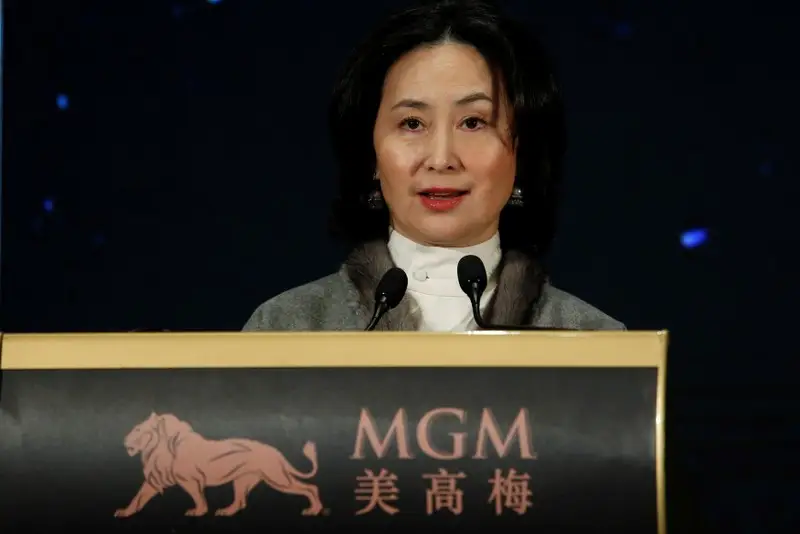
Pansy Ho aligns with Macau
The first shift came at the top of the shareholding structure. Ho sold her entire remaining 1.2 percent stake in MGM Resorts across five transactions between May 28th and June 3rd, cashing in approximately $140.1 million, while retaining her 22.49 percent holding in MGM China.
Linhares reads the divestment as “a clean strategic decoupling” that eliminates potential conflicts of interest between Ho’s dual shareholdings and strengthens her position as “the dominant force in MGM China’s future.”
“By retaining her full stake in MGM China while exiting MGM Resorts, she aligns herself unequivocally with the Macau entity, not the parent,” she said, adding that Ho’s concentrated holding gives her enhanced influence over strategic direction, board composition, and any future capital or M&A decisions.
Ho’s positioning carries weight beyond governance. Seaport Research Partners has described MGM China and the MGM Osaka project as the two most prominent ‘non-core’ assets under a People-controlled MGM Resorts, as Diller could seek to shrink the group’s bricks-and-mortar footprint in favor of digital gaming. The firm named Ho as ‘the natural buyer’ for MGM Resorts’ 56 percent stake in the Macau operator, though she would likely need partners for a holding CBRE Equity Research valued at $3.3 billion.
The market’s initial reaction to the disposal was nonetheless cautious: MGM China shares fell more than 6 percent on June 8th, leading declines among Macau gaming stocks.
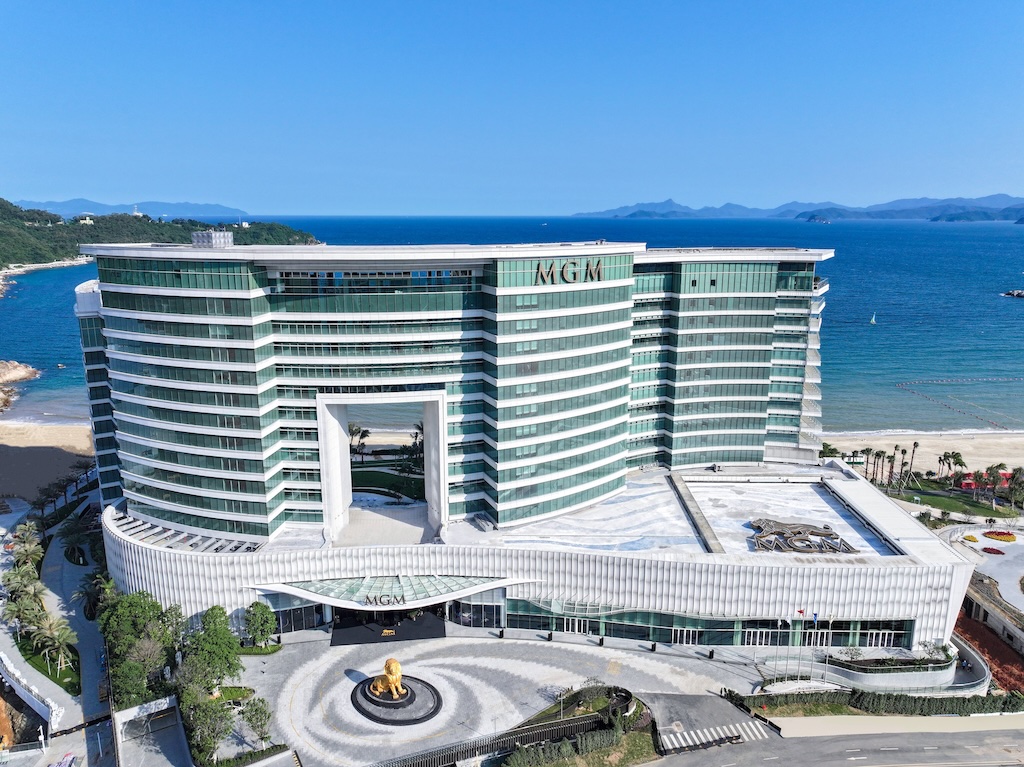
A $20 million insulation play
Weeks later, MGM China completed the $20 million acquisition of MGM Asia Pacific Limited on June 30th, taking over an asset-light hotel management platform with eight operating hotels in mainland China from a company indirectly wholly owned by MGM Resorts.
“Injecting the Asia-Pacific hospitality platform into MGM China achieves two objectives: it ring-fences the Asia business from potential parent-level restructuring, and it strengthens MGM China’s standalone value proposition ahead of any group-level changes,” Linhares said. “It is a pre-emptive insulation play.”
The lawyer noted, however, that the deal’s structure as a connected transaction between parent and subsidiary places the burden on MGM China’s board to show the price reflects fair market value, “not a related-party sweetheart deal.”
Under Hong Kong Listing Rules, she said, such transactions require full transparency, including independent audit committee review and fairness opinions, and “any omission or aggressive valuation could attract regulatory scrutiny or shareholder dissent.”
According to the Hong Kong Stock Exchange filing, MGM Asia Pacific reported audited net assets of HK$90 million ($11.5 million) as of December 31st, 2025, while its operating unit posted revenue of RMB80.6 million ($11.9 million) and a net loss of RMB7.7 million ($1.1 million) last year.
“It looks clean, strategically sound, and well-priced,” Linhares told AGB, “but the devil will be in the valuation methodology and whether the market buys it as arm’s length.”
Taken together, Linhares argues, the moves position MGM China as “a self-governing entity, not a passive subsidiary,” and complicate any unfriendly takeover or asset stripping at parent level.
Whether the insulation strategy succeeds, she said, “depends on how the take-private process unfolds. But the message is clear: MGM China is preparing to stand on its own.”