

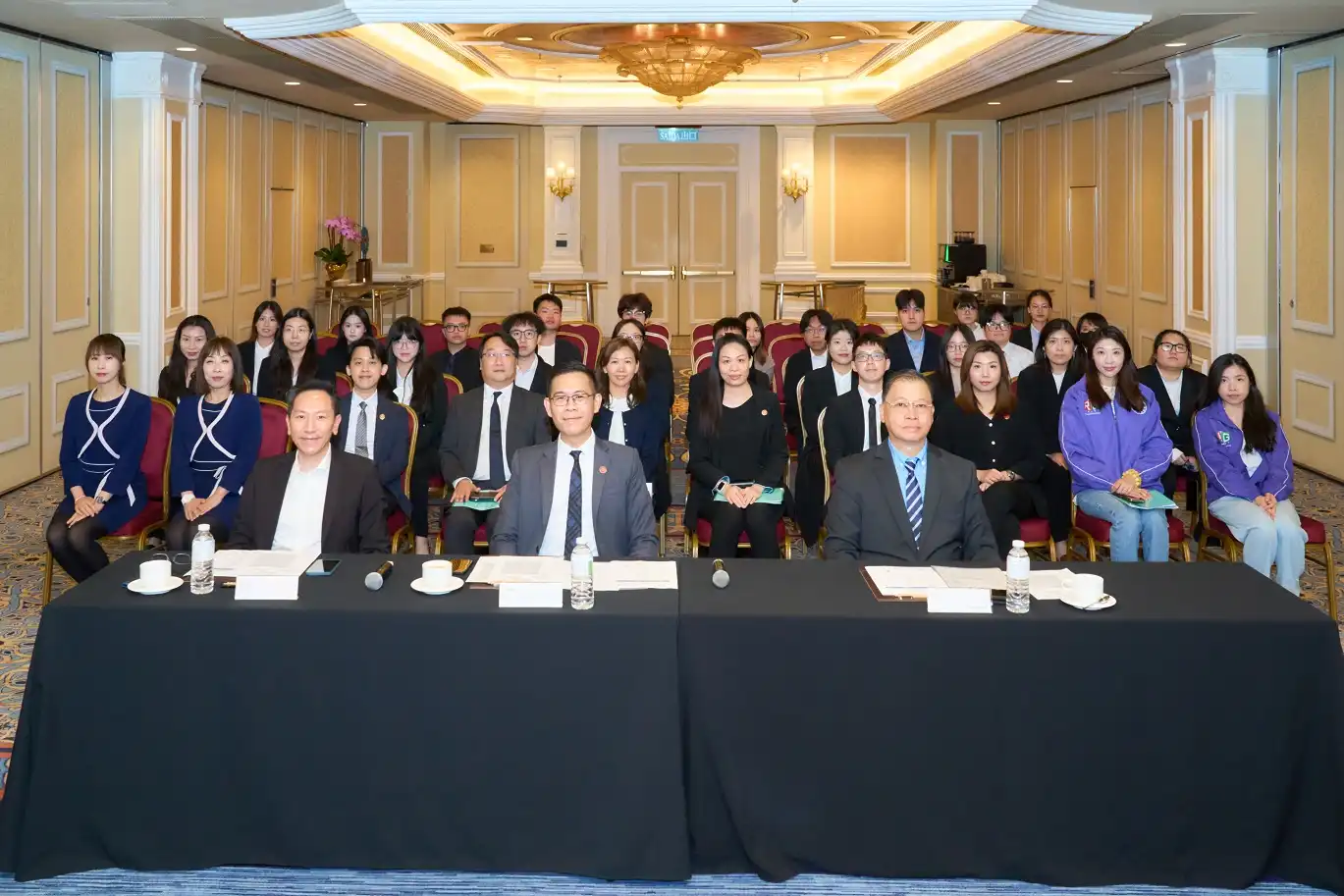

Sands China has introduced its inaugural Responsible Gaming Youth Talent Development Programme, a new initiative under the Sands China Responsible Gaming Academy designed to empower local university students with knowledge, practical experience, and a deeper understanding of responsible gaming.
Developed in collaboration with the University of Macau’s Institute for the Study of Commercial Gaming (ISCG) and the Youth Volunteers Association of Macau (AJVM), the programme represents Sands China’s first responsible gaming initiative built on an industry-academia-community partnership model. The project supports the Macao SAR government’s responsible gaming objectives while helping nurture a new generation of socially responsible talent for the city’s integrated tourism and leisure sector.
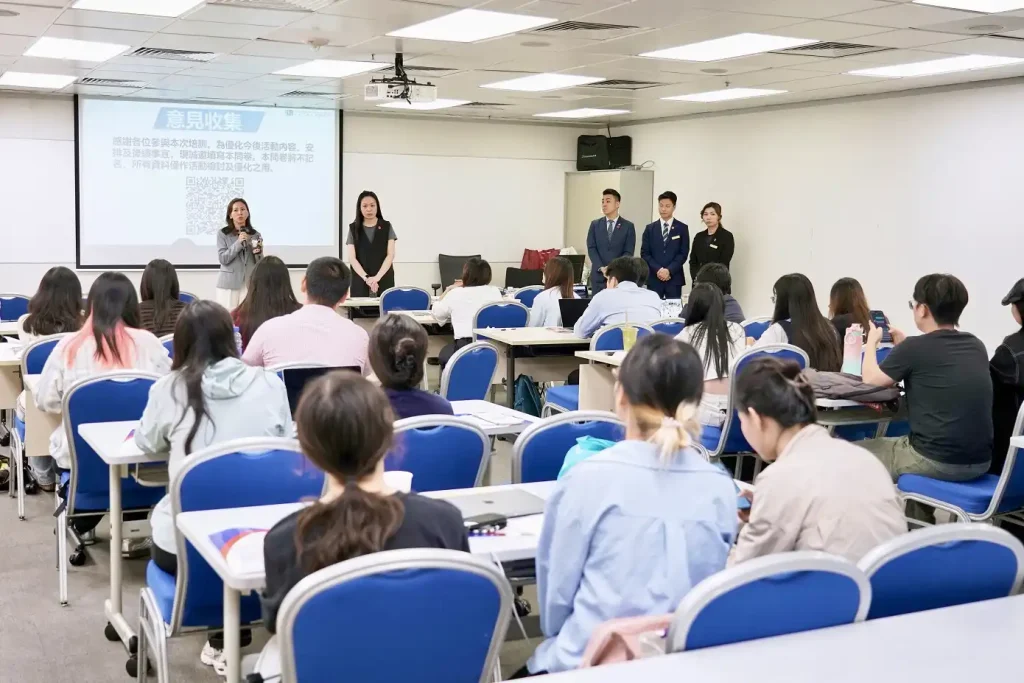
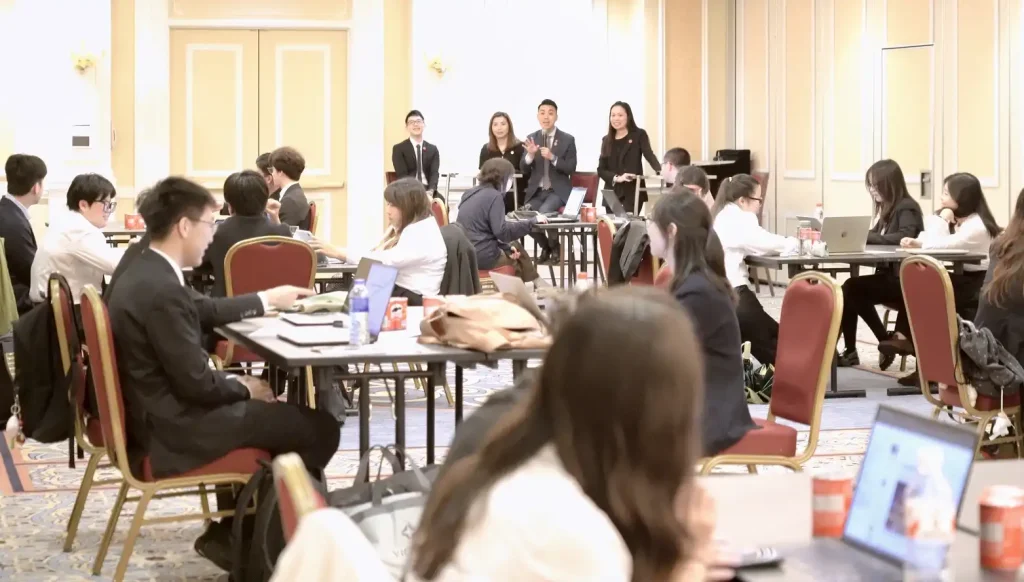
The programme combines professional training, proposal development, and international learning opportunities to provide students with both theoretical and practical exposure to responsible gaming. Through the initiative, participants are encouraged to develop innovative approaches to public education, community engagement, and responsible gaming awareness.
Interest in the programme was strong, with approximately 150 University of Macau students applying to participate. Following a competitive selection process, 32 students were chosen to join the first phase of training.
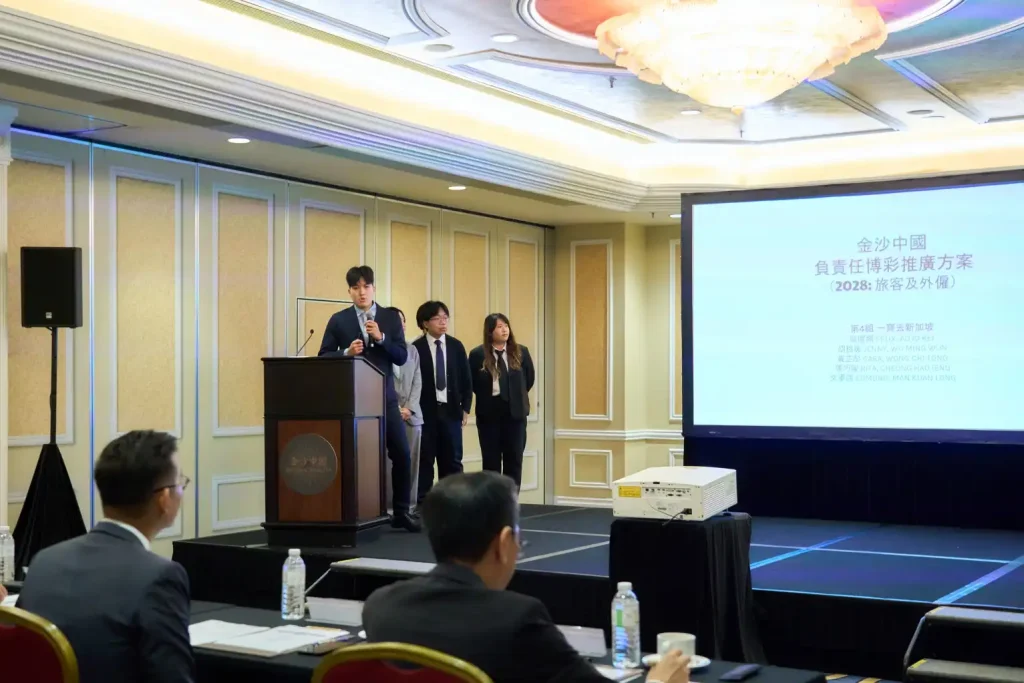
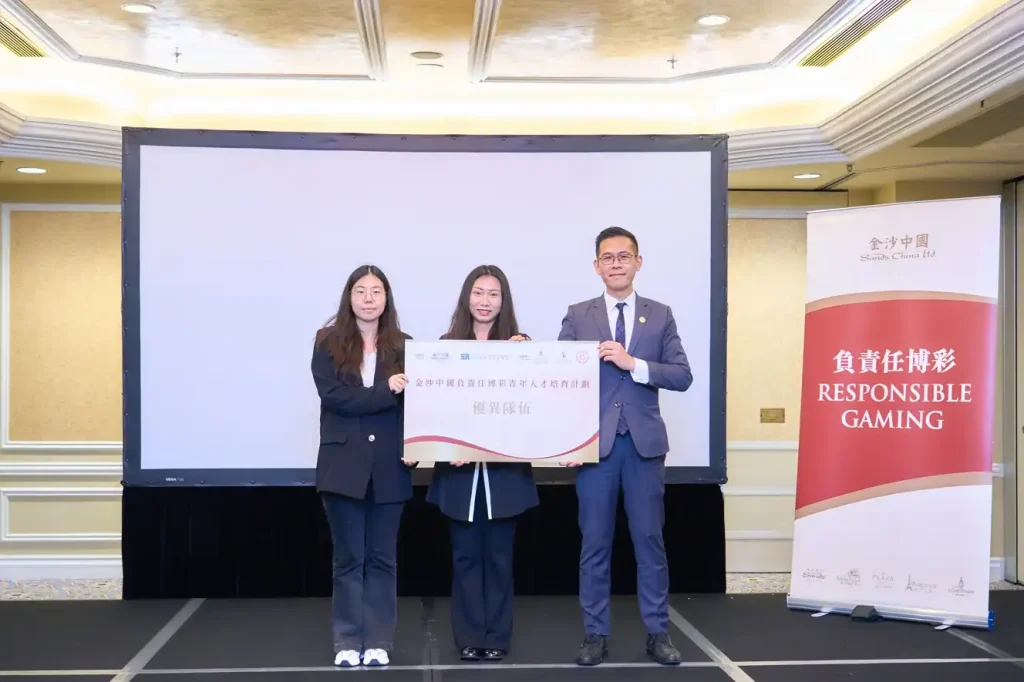
Working in teams, participants developed original responsible gaming promotion proposals covering areas such as community outreach, interactive learning experiences, social media engagement, digital tools, financial literacy, and risk-awareness education.
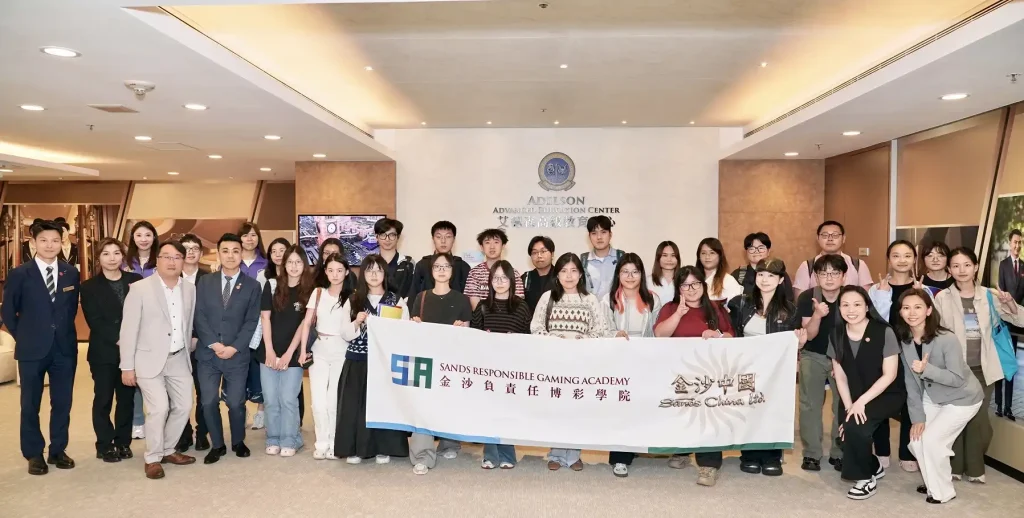
The most outstanding teams advanced to the programme’s next stage, joining representatives from Sands China, ISCG, and AJVM on a four-day educational study tour to Singapore. The 23-member delegation explored international responsible gaming practices and exchanged insights with industry professionals and community stakeholders.
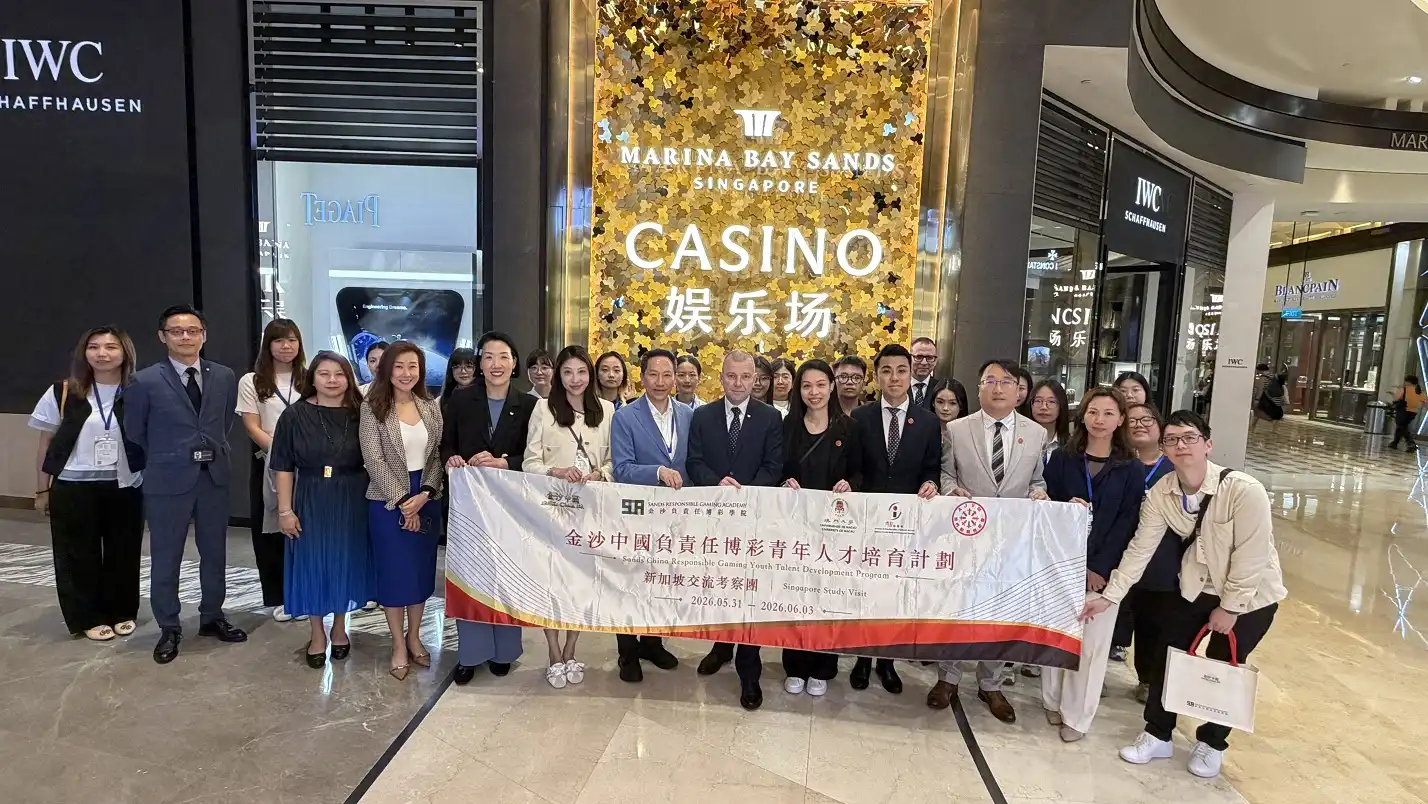
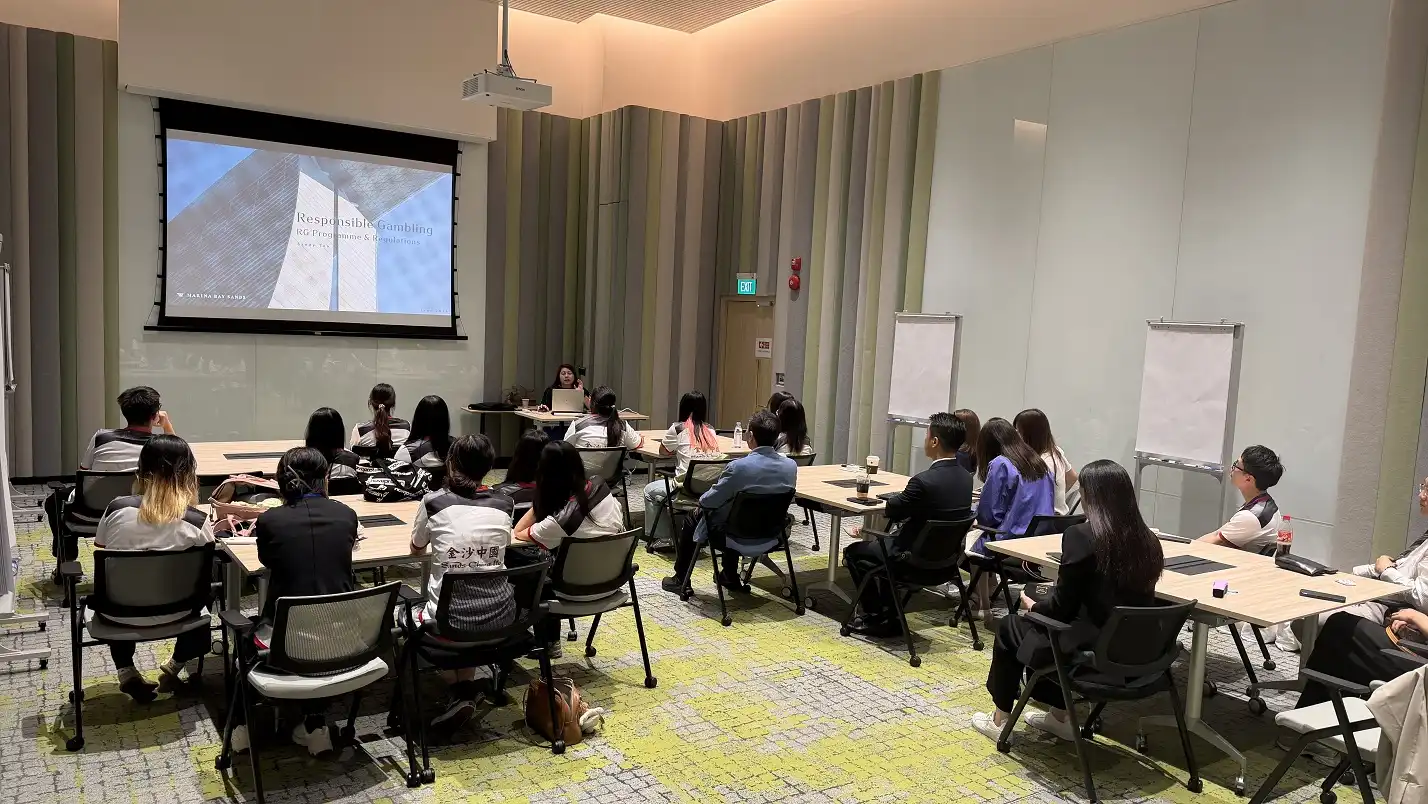
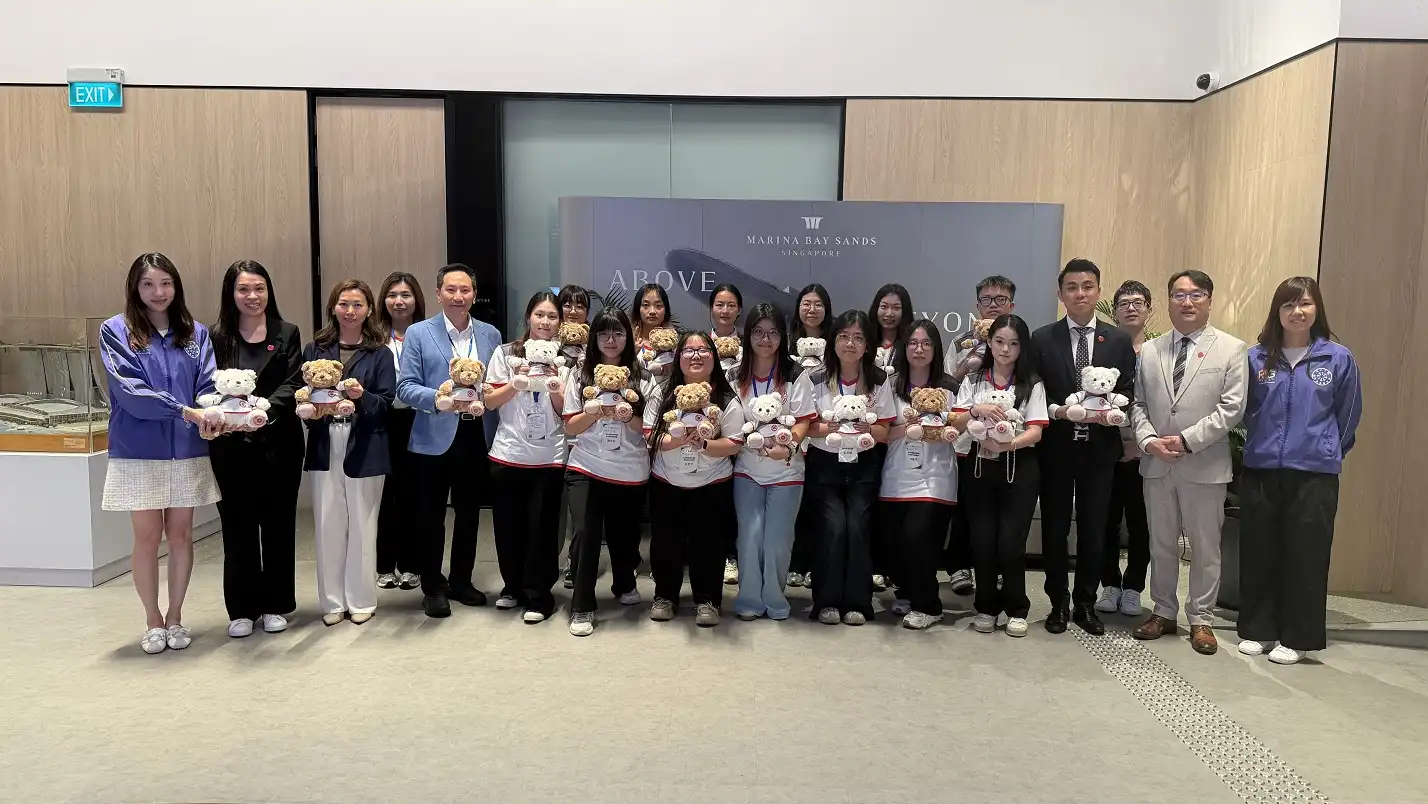
A key highlight of the tour was a visit to Marina Bay Sands, where students engaged with responsible gaming and operational teams to gain first-hand understanding of integrated resort practices. The delegation also visited the National Council on Problem Gambling (NCPG) and WE CARE Community Services, learning about Singapore’s comprehensive approach to responsible gaming, including governance frameworks, public awareness initiatives, customer support systems, and community partnerships.
Beyond the educational experience, the programme created a platform for meaningful collaboration among the corporate, academic, and community sectors. Through student-led proposals and cross-border exchanges, participants gained valuable perspectives on responsible gaming from the viewpoints of youth, researchers, social organisations, and industry practitioners. These insights are expected to contribute to future responsible gaming education and youth development efforts in Macao.
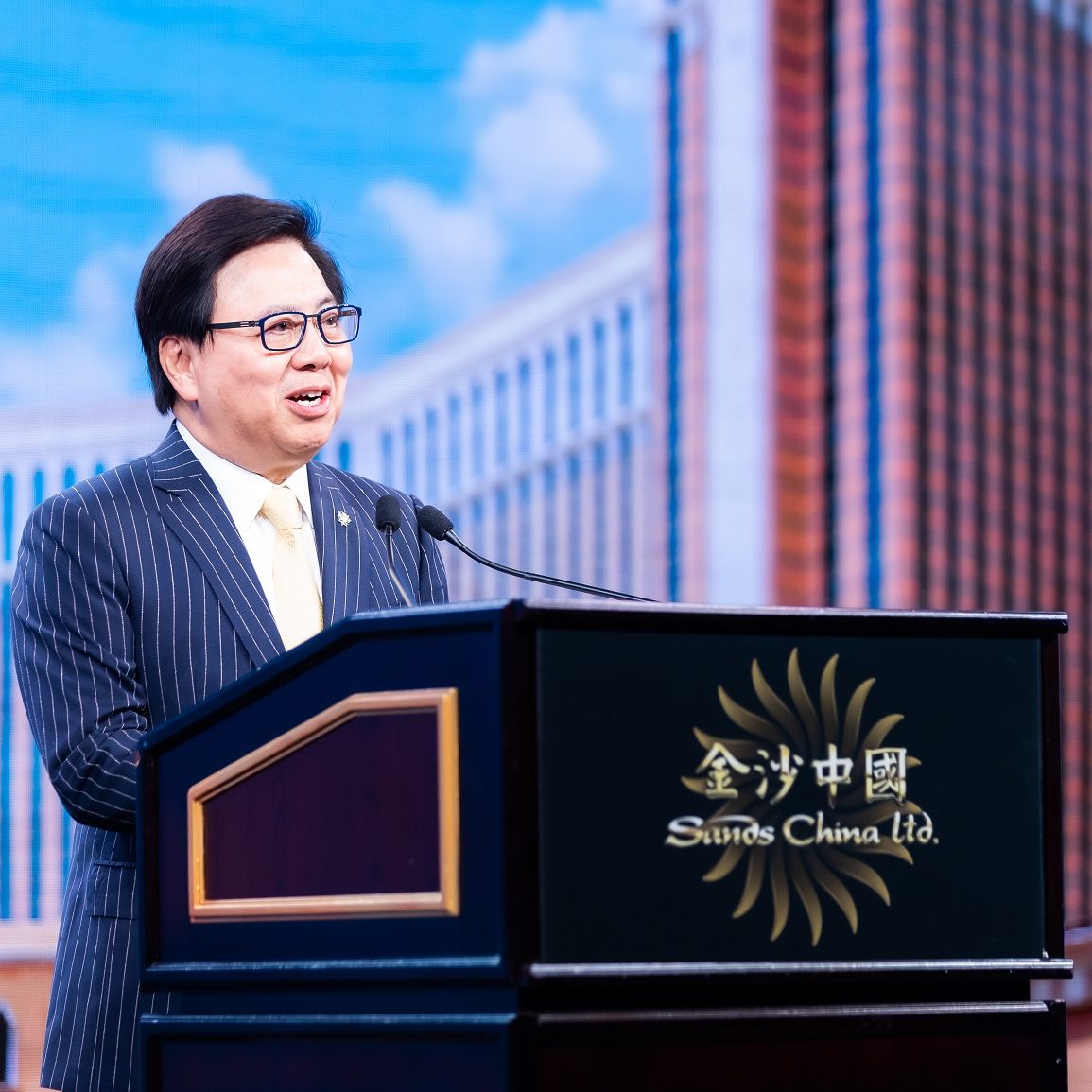
Dr. Wilfred Wong, Executive Vice Chairman of Sands China Ltd., said the programme reflects the company’s continued commitment to supporting Macao’s responsible gaming objectives and investing in youth development.
“By bringing together resources from the corporate, academic, and community sectors, we are providing students with experiential learning opportunities that extend beyond the classroom,” he said. “We hope participants will share their knowledge within their schools and communities, helping to promote responsible gaming while developing a stronger sense of social responsibility and global awareness.”
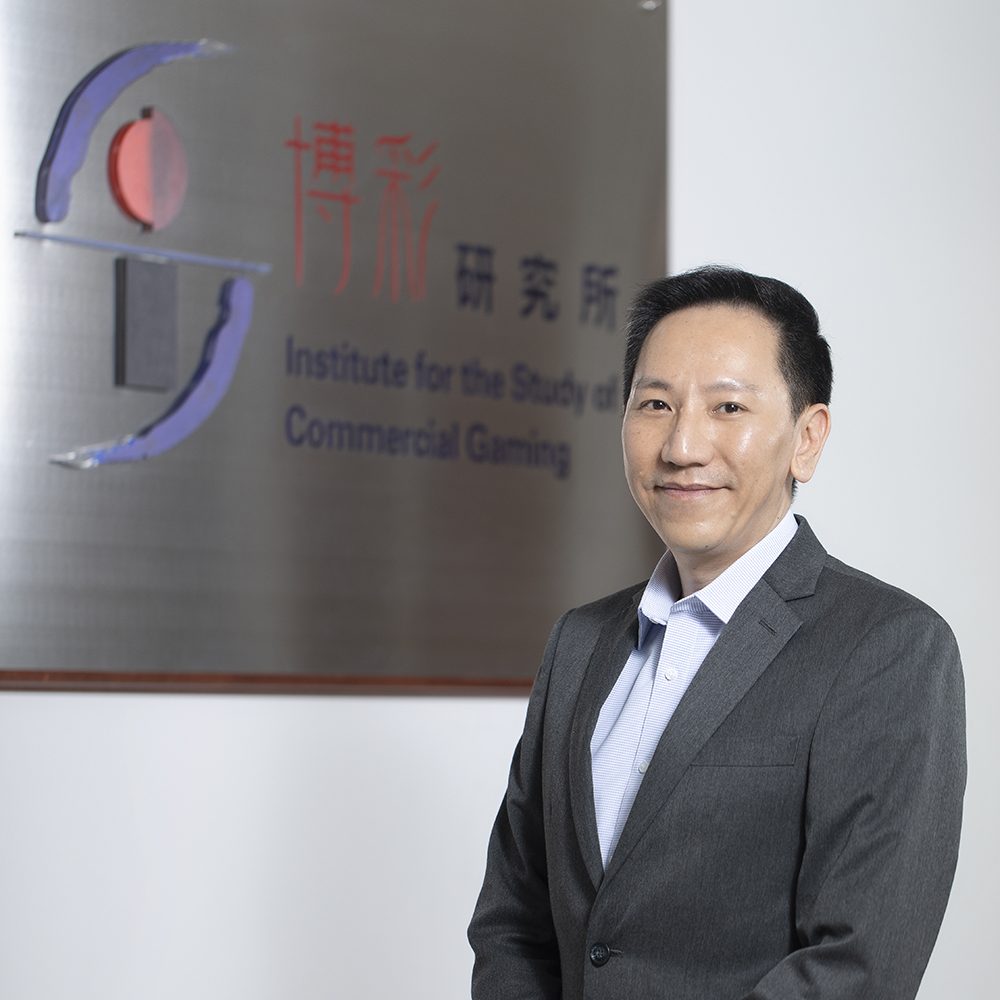
Professor Davis Fong, Director of the Institute for the Study of Commercial Gaming at the University of Macau, noted that the Singapore study tour allowed students to connect classroom learning with real-world industry practices.
“Students were able to observe how responsible gaming measures are implemented in integrated resort environments and compare their own ideas with established international approaches,” he said. “The experience offered valuable insights into the similarities and differences between responsible gaming strategies in Macao and Singapore.”
Austin Vong, President of the Youth Volunteers Association of Macau, highlighted the programme’s structured approach to youth development.
“Through training, competition, and overseas exchange, participants move from understanding responsible gaming concepts to creating practical solutions and gaining first-hand international experience,” he said. “Our objective is to encourage more young people to become advocates for responsible gaming within the community.”
For participant Zhao Zhuofan, a first-year Master of Science in Financial Technology student at the University of Macau, the programme demonstrated the importance of collaboration among government, businesses, and community organisations in promoting responsible gaming.
“The study tour broadened our horizons and inspired us to explore innovative, youth-oriented approaches to responsible gaming education and community engagement,” Zhao said.
The new initiative builds on Sands China’s longstanding commitment to responsible gaming and professional development in Macao. The company introduced a self-exclusion programme in 2004 and incorporated responsible gaming into employee orientation training in 2007.
In 2025, Sands China further strengthened its efforts with the launch of the Responsible Gaming Academy, one of eight academies under the Sands China Academy framework, providing specialised training and educational opportunities in partnership with local and international academic institutions.
Looking ahead, Sands China said it will continue working with government, educational institutions, and community organisations to enhance responsible gaming awareness, support talent development, and promote a healthy and sustainable gaming environment in Macao.