
Home Blog Page 362

Philippines Central Bank targets online gambling transactions

0

The Bangko Sentral ng Pilipinas (BSP), the nation’s central bank, is seeking to impose tighter regulations on online gambling payment services, including a ban on payment providers linking to gambling platforms and restrictions on fund transfers, as part of a broader effort to safeguard financial services from misuse and address mounting social concerns, according to a report by BusinessWorld.

A draft circular released by the central bank outlines a series of sweeping measures aimed at ‘promoting responsible use of digital financial services, strengthening consumer protection, and mitigating the risks associated with online gambling.’

Key provisions include a prohibition on payment service providers (PSPs) from embedding links or redirecting users to online gambling websites, and a daily funding limit to Online Gambling Transaction Accounts (OGTAs) not exceeding 20 percent of the average daily balance of a user’s account. The proposal also mandates biometric verification, enhanced due diligence, and strict monitoring to ensure compliance with anti-money laundering regulations.

Philippines, e-Wallet, Philippines Central Bank targets online gambling transactions

Closer oversight for PSPs and OPSs

The BSP’s draft circular will apply to both PSPs and operators of payment systems (OPSs) involved in online gambling transactions. These entities must obtain prior authorization from the BSP, maintain a minimum capitalization of PHP300 million ($5.3 million), and meet strict compliance benchmarks, including a composite rating of no less than three under the BSP Supervisory Assessment Framework.

To combat fraud and illicit activity, PSPs and OPSs will be required to implement robust anti-money laundering and counter-terrorism financing risk management systems. They must also establish board-level oversight for compliance and risk management specific to gambling-related services. The BSP further classifies online gambling operators as ‘high-risk merchants,’ necessitating enhanced due diligence, beneficial ownership verification, and ongoing risk assessments.

Philippines Central Bank targets online gambling transactions

OGTA requirements and usage limits

Under the rules, each eligible user may create a single OGTA—an isolated transaction account specifically for online gambling. Transfers into this account are restricted to the originating institution and subject to a daily cap.

PSPs are also required to limit gambling transaction hours to no more than six hours per day. If a user is flagged for excessive activity, a 24-hour cooling-off period must be enforced. Additionally, users opening OGTAs will have lending options disabled within the same digital platform.

All PSP employees will be prohibited from engaging in online gambling themselves.

Promoting responsible gambling

The BSP’s proposed circular also mandates PSPs to develop a Responsible Online Gambling Policy, including in-app alerts, self-exclusion tools, and visibility of support resources. The aim is to help users exercise self-control and deter compulsive gambling behavior.

Violations of the guidelines could result in monetary penalties of up to PHP1 million ($17,100) per transaction, or PHP100,000 ($1,710) per day for continuous non-compliance. Repeated violations may result in suspension or revocation of a PSP’s authority to offer gambling-related payment services.
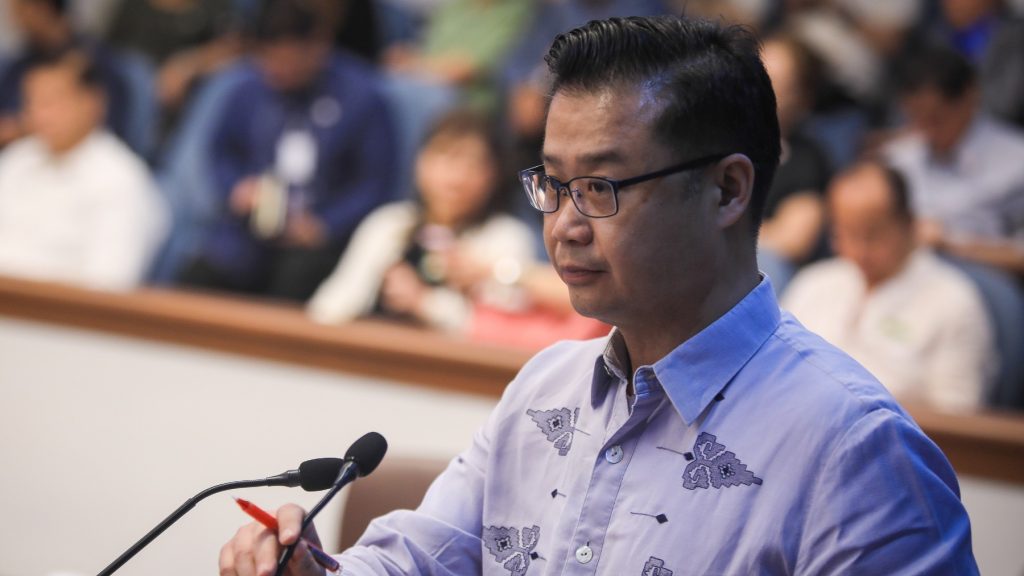
Senator Sherwin Gatchalian, Philippines, Illegal Gaming sites

Legislative background

The BSP’s proposed framework aligns with broader legislative efforts. Earlier this month, Senator Sherwin Gatchalian filed a bill seeking stricter regulation of online gambling operations in the Philippines. While stopping short of a complete ban, the bill aims to curb abuses and prevent gambling operators from operating underground.

Gatchalian’s proposed measures include prohibiting the use of mobile wallet GCash for gambling, raising the minimum gambling age from 18 to 21, and setting a PHP10,000 ($176) minimum bet and PHP5,000 ($88) top-up requirement.


Australia’s Reef Casino announces takeover bid for $116M by Iris

0

Australia’s Reef Casino operator has announced that it has entered into a takeover bid agreement with Iris Cairns Property worth some AU$177 million ($116.34 million).

According to Monday filing with the Australia Securities Exchange, Iris is making an ‘off-market cash takeover bid to acquire all of the ordinary units’ in Reef Casino Trust (RCT).

An independent board committee and the directors unanimously recommend that shareholders accept the offer.

However, the company indicates that it could seek a better offer if a ‘superior proposal’ emerges.

RCT’s two largest shareholders – Accor and Casinos Austria International – holding over 70 percent of the company’s shares, are in support of the offer.

This is largely due to the offer price being a 30 percent premium on the share price as of February 25th and a 17.7 percent premium on the closing price on July 11th.

The offer is dependent on RCT’s casino and liquor licensing approvals, including the Foundation Agreement with the state of Queensland.

The chair of the independent board committee, Wendy Morris noted that “We are pleased to have reached agreement with Iris in relation to a transaction that will deliver value to Unitholders. The Independent Board Committee believes that the Offer represents a compelling premium to the recent and historical market price of RCT units”.

Iris has indicated that it will send the bidders statement out to RTC shareholders between September 10th and 12th, with RCT to provide its recommendations to shareholders by September 29th.

Iris is a Sydney-based corporation, owned by Iris Capital. It operates two casinos in Canberra and Alice Springs, as well as over 60 hotels.

This is not the first offer from Iris to take over RCT. In February the group submitting a confidential, non-binding proposal to acquire the company.

In May, RCT also received a takeover offer from the Morris Group, without disclosing the amount the group, noting that the conversations over the takeover bid were ‘confidential and incomplete’.

Gaming lawyer challenges proposed PH online gambling tax hike, warns of industry exodus

A prominent gaming lawyer has strongly criticized proposals for additional taxes on the Philippines’ online gambling sector, arguing that licensed operators already face one of the world’s heaviest tax burdens and that further increases could drive the industry underground.

Marie Antonette Quiogue, Arden Consult
Tonet Quiogue, CEO and Founder of Arden Consult

Tonet Quiogue, CEO and Founder of Arden Consult and a top gaming law expert in the country, released a comprehensive analysis on July 13th challenging recent statements from high-ranking government officials who have compared online gambling to sin products like cigarettes and suggested the industry is undertaxed.

The reality is that licensed online gaming companies already pay some of the highest taxes in the world,” Quiogue stated in her brief titled “No New ‘Online Gaming Tax’ Needed: Philippine Online Gaming Already Pays Substantial Taxes and Fees.”

The intervention comes as the Philippines grapples with a complex situation surrounding online gambling, with a strong push from various politicians and public figures for stricter controls, and in some cases, outright bans. The debate has intensified following recent statements from key economic officials supporting new taxation measures.

Current tax burden already substantial

According to Quiogue’s analysis, PAGCOR-licensed online gaming operators currently pay a license fee averaging 30 percent of gross gaming revenue by 2025, reduced from historical peaks of up to 47.5 percent. Additionally, operators pay a 10 percent audit fee on the PAGCOR share, approximately another 3 percent of GGR, plus a 5 percent franchise tax on GGR to the national government.

She emphasized that unlike traditional businesses taxed on net income, licensed operators are taxed on gross gaming revenue before deducting operating expenses. “Even if a Licensed Operator incurs losses or earns minimal profit in a given period, it must still remit the PAGCOR license fee and franchise tax on GGR, as well as the applicable audit fee,” she noted.

Government officials support new taxes

The gaming lawyer’s stance directly contradicts recent statements from senior government officials. Department of Economy, Planning, and Development Secretary Arsenio M. Balisacan told reporters last Wednesday that the government could tax online gambling, comparing it to cigarettes. “You can treat it like your cigarettes — impose taxes, but at the same time, make sure that it will not become a social menace, just like the POGOs,” Balisacan said.

Finance Secretary Ralph G. Recto last week announced the government is proposing an online gaming tax, alongside policy options to limit access to gambling platforms. These measures may include restricting play time, limiting cash-ins, imposing age restrictions and requiring warnings on gambling dangers.

Philippines President Ferdinand Marcos Jr.

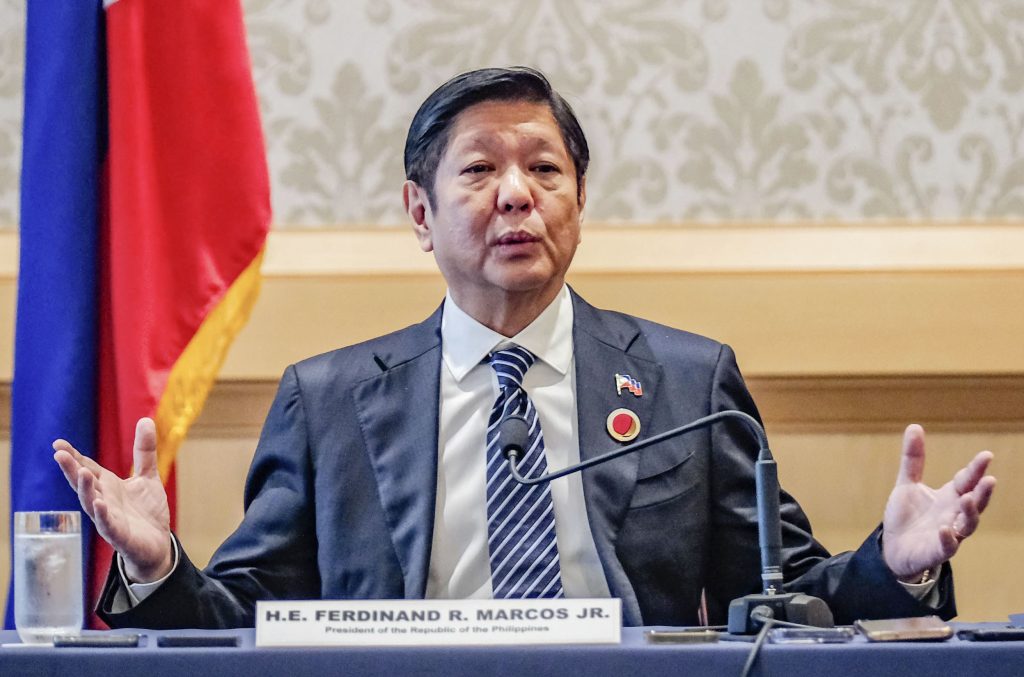
President Ferdinand R. Marcos, Jr. has also expressed support for further taxing and regulating the industry to mitigate addiction-related harm. The Akbayan party-list group earlier filed a bill at the House of Representatives seeking to impose a 10 percent levy on online gambling, with proceeds allocated to addiction treatment, recovery and public education.

International comparisons reveal high Philippine rates

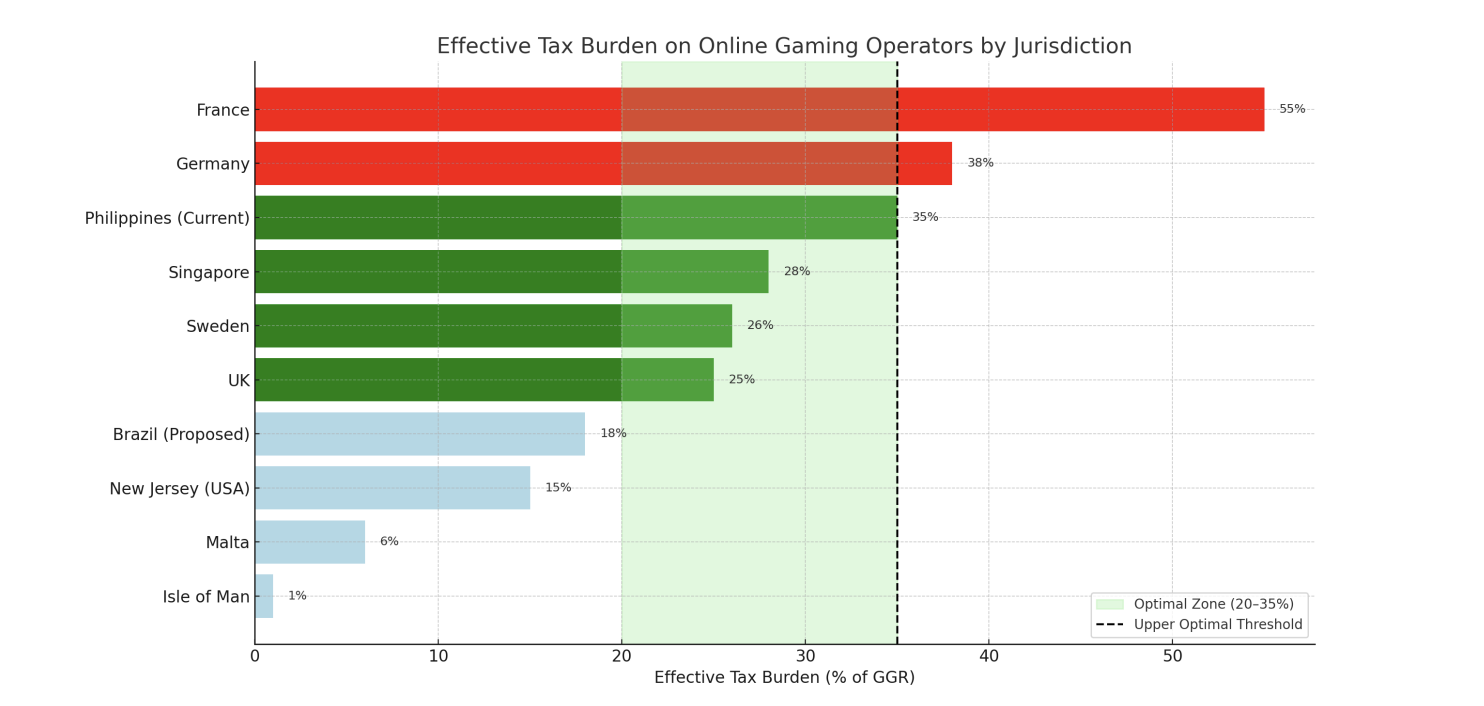
Quiogue’s analysis shows that the Philippines already imposes one of the heaviest effective tax burdens on legal online gaming globally. At 35 percent of GGR, the rate sits at the upper end of world standards. By comparison, New Jersey levies about 15 percent to 17 percent on online casino GGR, while Brazil’s proposed sports betting regulation suggests an 18 percent GGR tax.

Gaming lawyer challenges proposed PH online gambling tax hike, warns of industry exodus

“Several US states have GGR tax rates in the low teens, and emerging markets in South America like Colombia have likewise set modest rates of around 15 percent of GGR to attract and legitimize operators,” Quiogue noted.

The gaming lawyer cited global best practices suggesting an optimal tax zone of 20 percent to 30 percent of GGR that maximizes government revenue while keeping the legal market attractive to both players and operators.

Social gaming a necessary focus for land-based operators

Risk of driving industry underground

Quiogue warned that excessive taxation could backfire, citing examples from France and Germany where overly aggressive tax policies drove players to illegal markets.

She highlighted Kenya’s experience, where a 2017 tax increase to 35 percent of GGR from 7.5 percent prompted major legal players to exit the market. “Betting activity didn’t stop, but much of it shifted to the illegal market, a lose-lose for both regulated businesses and the tax authority,” Quiogue observed. Kenya eventually reversed course, recognizing the policy was counterproductive.

The lawyer argued that licensed operators are competing against illegal online gaming companies that “pay zero taxes to the Philippine government.” Philippine Amusement and Gaming Corp. (PAGCOR) Chairman Alejandro H. Tengco has acknowledged this challenge, telling media that PAGCOR monitored almost 11,000 illegal websites in the past 2 years, taking down about 76 percent or roughly 8,000 of them.

Economic ecosystem at stake

Beyond individual operators, Quiogue emphasized that a broader ecosystem supports the online gaming industry. Under PAGCOR‘s regulatory framework, gaming affiliates and support service providers including content suppliers, marketing agencies, KYC/AML firms, payment gateways, and customer support centers must be accredited and domiciled in the Philippines.

“This means they must establish a legal presence, hire locally, and comply with Philippine tax, labor, and corporate laws,” she explained. “PAGCOR has anchored a whole supply chain within the national economy — generating new jobs, corporate income tax contributions, BIR registrations, and increased local business activity.”

However, she cautioned that this ecosystem remains fragile.

Emerald Bay developer seeks equity conversion to resolve $8.7M negative position

0

PH Resorts Group Holdings Inc. (PHR), the developer behind the Emerald Bay resort project, has submitted a business plan to the Philippine Stock Exchange outlining its strategy to convert PHP4.09 billion ($70.3 million) in parent company advances into common stock by the 4Q25, aiming to resolve its negative stockholders’ equity position.

The company reported a negative equity position of PHP503.7 million ($8.7 million) as of March 31st, 2025, worsening from PHP229.6 million ($3.9 million) at the end of 2024. PHR President Raymundo Martin M. Escalona and Chief Financial Officer Lara Lorenzana submitted the recovery plan to the PSE on July 11th, 2025.

The primary cause of the negative equity stems from capital infusions by parent company Udenna Corporation being classified as liabilities rather than equity due to insufficient authorized capital stock. 

‘These capital infusions, amounting to PHP4.21 billion ($72.4 million) as of March 31st, 2025, were booked as advances for future stock subscriptions, a liability in the Statement of Financial Position due to insufficient authorized capital stock of the Company,’ the filing states.

Additional factors contributing to the negative position include a significant financing transaction with Chinabank involving the assignment of Emerald Bay properties, pre-operating costs for the resort development, and a negative equity reserve related to a 2018 reverse acquisition.

The Chinabank transaction occurred after PHR’s subsidiary LapuLapu Leisure Inc. failed to meet a repurchase deadline under a previous refinancing deal. In October 2023, Chinabank and LapuLapu Leisure Inc. agreed to sell the Emerald Bay property to the bank with an option to buy it back by March 2025 if new investors were secured. Following the missed deadline, Chinabank stated in early May that it would sell the 12.4-hectare Cebu land and had been discussing the acquisition with several interested parties.

To address the situation, PHR has already secured board and shareholder approval to increase its authorized capital stock from PHP8 billion ($137.6 million) to PHP15 billion ($258 million) on April 30th, 2025. The application requires reapproval at the company’s Annual Stockholders’ Meeting scheduled for July 17th, 2025, as Securities and Exchange Commission regulations mandate filing within six months of stockholder approval.

Once approved, the company plans to convert PHP3.37 billion ($58 million) of advances for future stock subscription and PHP718 million ($12.3 million) of deposits for future stock subscription into equity. According to proforma financial statements included in the filing, this conversion would result in a positive equity position of PHP2.86 billion ($49.2 million) as of March 31st, 2025.

PHR operates as the parent company of PH Travel and Leisure Holdings Corp., which manages real estate property development including resorts, hotels, casinos, clubhouses and sports facilities. The company’s indirect subsidiaries include LapuLapu Leisure Inc., LapuLapu Land Inc., Donatela Hotel Panglao Corp., and Davao PH Resort Corp.

Originally planned as Cebu’s second integrated resort after NUSTAR, the Emerald Bay project included a five-star hotel with two 15-story towers, 642 rooms, four pools, 18 F&B outlets, retail areas, event spaces, and a gaming floor with over 700 machines and 140 tables.

Daily Asia Gaming eBrief: AI-driven gamification: the future of player retention

0

Good Morning. Keeping them longer. Artificial intelligence (AI) is redefining traditional player retention strategies in iGaming, says Promofy CEO & Co-founder Irakli Davarashvili. The platform aims to reposition gamification as a core component of iGaming infrastructure, particularly in the competitive Asian market. Meanwhile, Chinese authorities have dismantled a criminal network that generated over $39.5 billion via fake casinos, online fraud hubs, and drug trafficking. In the Philippines, three of the country’s largest integrated resort operators have issued a joint statement reaffirming their commitment to responsible gaming practices, as the country intensifies scrutiny of online gambling platforms.

What you need to know


On the radar


AGB Intelligence

artificial intelligence-AI, igaming,  AI-driven gamification: the future of player retention

AI revolutionizes player retention strategies in iGaming – Promofy CEO

The iGaming industry is experiencing a transformation as artificial intelligence (AI) reshapes player retention strategies, according to Promofy CEO Irakli Davarashvili. Traditional methods relying on large teams and manual workflows are being superseded by Promofy’s AI-powered platform, which automates and personalizes gamification campaigns, allowing operators to efficiently deploy targeted initiatives without extensive developer resources.


Corporate Spotlight

Why Asia’s iGaming operators must rethink risk strategy | SEON

SEON,Winning Trust, Stopping Fraud: Why Asia’s iGaming Operators Must Rethink Risk Strategy

Winning Trust, Stopping Fraud. Asia Pacific’s iGaming market is expanding extremely fast, and a new wave of digital-savvy players is pushing demand through the roof. But the rise in adoption has outpaced regulation in many markets, and fraudsters have taken notice.


Industry Updates


INTELLIGENCE | ASEAN | CAREERS

ELA Games launches ‘John’s Book’: a gameplay saga deep in Egypt’s dunes

ELA Games, a dynamic game development studio, has announced the release of John’s Book, its modern take on timeless themes and mechanics.

The game invites players to join John the Explorer to hunt for ancient treasures buried in a Pharaoh’s tomb. Rich with iconic symbols and familiar mechanics, John’s Book is a tribute to the well-loved “Book Of…” format that’s prevalent in the industry while adding its twists. With high replayability, easy-to-understand features, and an immersive design, this title appeals to both veteran and casual players.

At the heart of the game is the Book symbol. Land 3 or more to enter the lucrative Free Spins round, where Special Expanding Symbols drop randomly to supercharge your wins. The Free Spins round can be retriggered by landing another 3 Book symbols during the bonus. Stack up to 9 expanding symbols for a big payday!

The game showcases ELA Games’ art and design, featuring a lush environment, eye-catching symbols, attractive animations, and engaging sound design. John’s Book immerses players in a game where they can connect with the protagonist and enjoy action-packed gameplay.

John’s Book game features:

  • RTP: 94%
  • Volatility: Medium
  • Format: 5×3
  • Paylines: 10
  • Max win: 5,000x
  • Free Spins with Special Expanding Symbols
  • Retriggerable bonus rounds

Marharyta Yerina, ELA Games’ Managing Director, commented on the game’s release, “John’s Book is an homage to a format we know players love. ‘Book Of…’ games are wildly popular for a good reason, but we wanted to refine them with ELA Games’ signature high-quality art and technical development. The result is a game that feels familiar yet fresh as it pushes the boundaries of the format with revitalised mechanics. We’re excited to see our players enjoy our take on a timeless classic.” 

SOFTSWISS Game Aggregator supercharges portfolio with CG Games, Champion, and Formula Spin

The SOFTSWISS Game Aggregator continues its portfolio expansion path, this time announcing 3 new partnerships with CG Games, Champion, and Formula Spin – three studios that bring original content and a strong market focus.

SOFTSWISS Game Aggregator now has over 30,000 games from both established and emerging game providers.

According to Nikita Keino, Head of Partnerships at SOFTSWISS Game Aggregator, the Aggregator’s technical performance and integration efficiency continue to be key factors for partners: “We focus on delivering stable and scalable technology that simplifies operations for our clients and content partners. Our infrastructure ensures 99.999% uptime and quick integration, which is especially important when working across different regions and peak load periods. We’re glad to see studios recognising this and choosing to join the SOFTSWISS ecosystem.”

Steven Valentine Comtrade Gaming
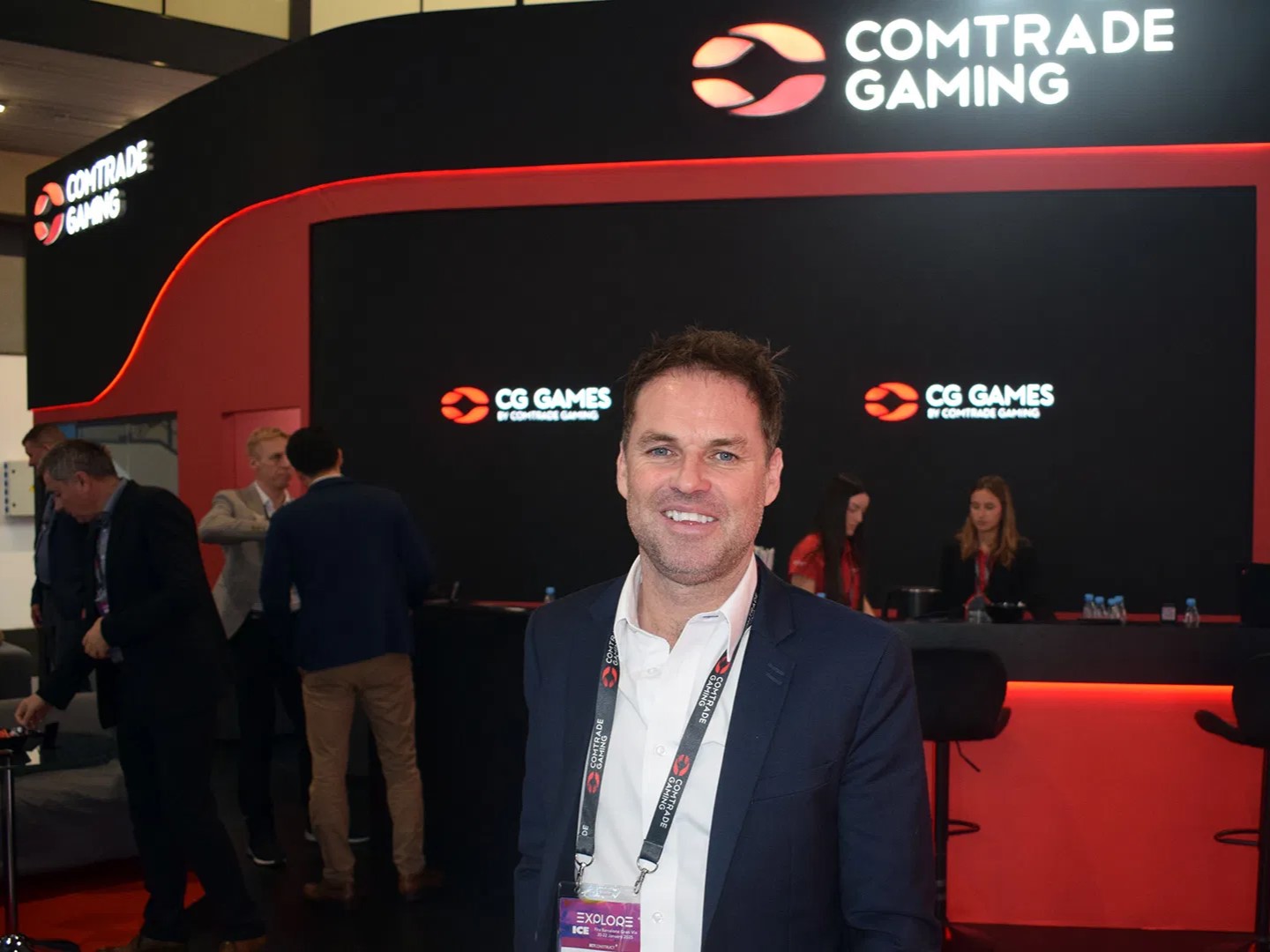
Steven Valentine, CCO at Comtrade Gaming

CG Games, part of Comtrade Gaming, is a tech-driven provider known for its emphasis on quality, customisation, and innovation. Its reach extends to key markets such as Argentina, Canada, Australia, Romania, and the UK. “We are delighted to be partnering with SOFTSWISS to release CG Games,” said Steven Valentine, CCO at Comtrade Gaming. “Their global recognition and success allow this partnership to deliver our games to a much wider network of operators.”

CG-Games-by-Comtrade-Gaming
Oleg Galushko, Formula Spin
Oleg Galushko, CEO of Formula Spin

Formula Spin stands out with games optimised for fast launch – just 5MB per title – combining modern design with engaging game mechanics. Among its top-performing games are Coin Era: Hold to Win, 100 Prime Fruits, and Cool Dragon: Hold to Win. “Partnering with SOFTSWISS has been a major strategic milestone for us,” said Oleg Galushko, CEO of Formula Spin. “The entire integration process was smooth, fast, and highly professional. We’re confident this is just the beginning of a strong and fruitful collaboration.”

Volodymyr Saratovskyy, Champion
Volodymyr Saratovskyy, Head of Business Development at Champion

Champion offers a portfolio of over 80 games, including slots, table games, and crash titles. With a focus on full-cycle development and strong visual and technical execution, Champion operates across Europe, Latin America, Canada, Australia, and New Zealand. “We’re proud to partner with SOFTSWISS, a company known for its outstanding platform and extensive global reach,” commented Volodymyr Saratovskyy, Head of Business Development at Champion. “This collaboration opens new doors for Champion to deliver our games to a wider audience and strengthen our presence in key markets. We’re excited about the road ahead and the opportunities this partnership brings.”

Earlier this year, the SOFTSWISS Game Aggregator also partnered with 7777 Gaming, PlayHub, and several other studios, further expanding its portfolio and reinforcing its position as a key player in the iGaming content market.

SOFTSWISS Game Aggregator

Soft2Bet’s ToonieBet named official betting & casino partner of the Canadian Football League

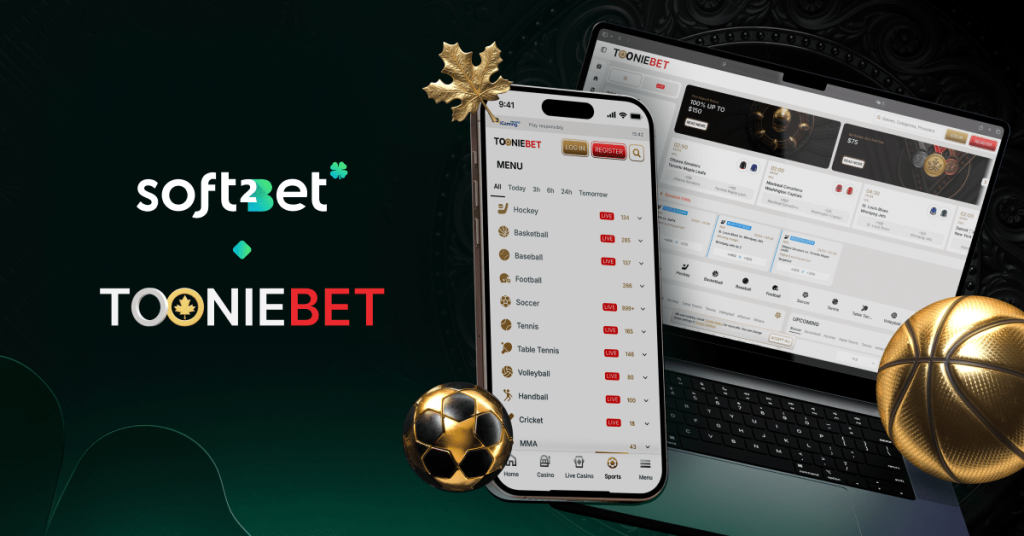
Soft2Bet’s flagship brand ToonieBet, tailored for Canadian players, has been named official sports betting and online casino partner of the Canadian Football League (CFL).

The multiyear partnership also establishes ToonieBet as an Official Partner of the CFL’s championship game, the Grey Cup. Fans from coast to coast annually gather for Canada’s largest single-day sporting event to celebrate an incredible season, and to witness one team earn the right to hoist the iconic trophy. The 112th Grey Cup will be played at Princess Auto Stadium in Winnipeg on Sunday, November 16

Fans in Ontario aged 19-and-over will be able to responsibly wager on CFL games through ToonieBet with access to in-game betting and futures. The collaboration will also explore exciting branded online casino experiences on the ToonieBet platform to entertain existing fans and engage new ones.

ToonieBet’s partnership with the CFL underscores Soft2Bet’s ongoing commitment to Canadian sports fans and a further investment in the Canadian sporting tradition, as the deal marks Soft2Bet’s second sports partnership in the country within the last three months, following ToonieBet’s designation as the Official Online Casino Partner of the NHL’s Ottawa Senators, which was recently expanded with a full sportsbook offering.

“This partnership is for the fans,” said Tyler Keenan, the CFL’s Chief Revenue Officer. “Together with ToonieBet, we will unlock exciting avenues of entertainment, delivering new products, responsible gaming options and unique activations, to better serve the future of fandom. In the stadium, at home or online, we’re doubling down on engagement and innovation like never before.”

“Partnering with the CFL will elevate our robust offerings in the Canadian market and allow us to continue building our passionate sports and online gaming community in Ontario,” commented Steve Spindler, ToonieBet’s Canadian Country Manager. “Our team at ToonieBet is deeply committed to building a premium fan experience, while delivering exceptional customer hospitality and ensuring both responsible and safe game play.”

“We are proud to partner with the CFL and its local teams,” added Martin Collins, Chief Business Development Officer at Soft2Bet. “This partnership goes beyond visibility — it’s about building relevance and establishing a real connection with fans. Aligning with one of Canada’s most trusted leagues allows us to strengthen our bond with Ontarians and deliver a best-in-class sports betting and gaming experience through ToonieBet”.

Tooniebet by Soft2Bet

Additionally, ToonieBet has been designated as an Official Authorized Gaming Operator of the CFL, allowing Soft2Bet to deliver best-in-class gaming experiences with official CFL data and statistics to sports fans and sportsbook users across Ontario through the ToonieBet platform. ToonieBet will also serve as the presenting partner of CFL Fantasy, and the Gametracker in Ontario on CFL.ca and LCF.ca, in addition to being the CFL’s odds provider on the league’s digital scoreboard.

IGT makes June a month to remember with $3M in jackpots

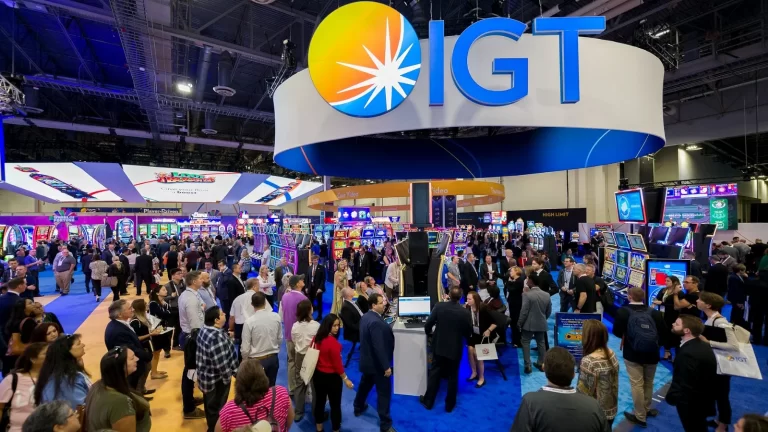
Gaming powerhouse International Game Technology (IGT) announced that its Megabucks™, Powerbucks™, and Whitney Houston Slots™ games awarded over $3 million in jackpots throughout June.

Lucky slots players won the following million-dollar-plus jackpots last month:

  • On June 15, a slots player won $1,265,437 playing Whitney Houston Slots at Table Mountain Casino Resort in Friant, Calif.
  • On June 22, a Megabucks slots player won $3,136,503 playing Megabucks Super Stacks™ Respin at Eagle Mountain Casino in Porterville, Calif.
  • On June 25, a Powerbucks slots player won CA$1,276,039 playing Gong Xi Fa Cai™ Grand at Salon de jeux de Québec in Quebec, Canada.

The world’s first WAP jackpot system, Megabucks has been awarding life-changing jackpots since 1986. IGT Powerbucks slots have paid 68 jackpots of CA$1 million or more since their Canadian debut in 2016.

Solaire, Newport, and Okada reaffirm responsible gaming amid online gambling scrutiny

0

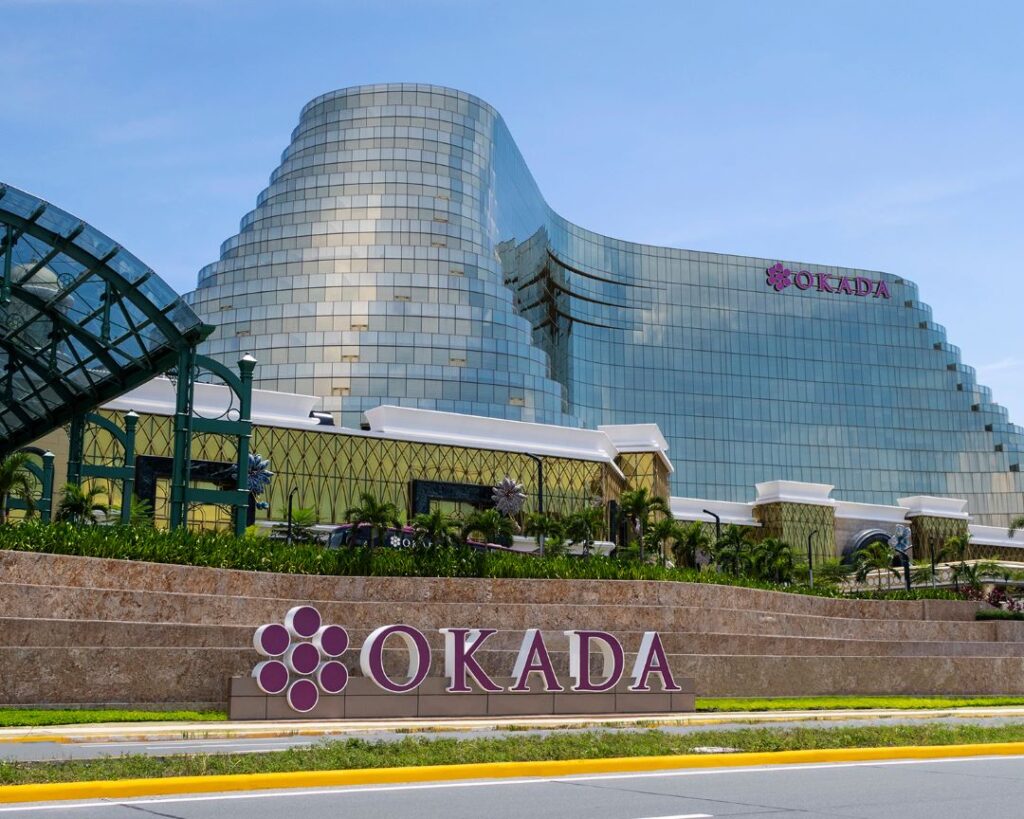
Three of the Philippines’ largest integrated resort operators have issued a joint statement reaffirming their commitment to responsible gaming practices, as the country intensifies scrutiny of online gambling platforms.

Solaire Resort, Newport World Resorts, and Okada Manila emphasized their adherence to strict regulatory compliance and ethical operations amid growing calls for tighter controls on digital gaming. The statement was reported by several local media outlets.

The announcement comes as the Philippines grapples with mounting concerns over online gambling’s societal impact, with politicians and public figures pushing for stricter regulations or outright bans. While the government has already prohibited Philippine Offshore Gaming Operators (POGOs) that primarily served foreign clients and were linked to criminal activities, attention has now shifted to domestic online gambling platforms accessible to Filipino citizens.

“Our online gaming operations are a regulated and responsibly managed extension of our operations – designed to complement our primary offerings. We prioritize ethical business practices and promote responsible gaming under the robust regulation of the Philippine Amusement and Gaming Corp. (PAGCOR),” the three operators stated.

The integrated resorts emphasized their long-standing commitment to responsible gaming principles since their respective openings in 2009 (Newport), 2013 (Solaire), and 2016 (Okada). These principles have been extended to their online gaming platforms, reflecting a consistent dedication to regulatory compliance and ethical standards.

The operators highlighted their comprehensive compliance with PAGCOR regulations, including holding all required licenses and accreditations, and meeting stringent legal requirements for gaming operators and system administrators. They employ advanced geo-fencing and IP-filtering technologies to enforce PAGCOR’s geographic restrictions, effectively preventing player registration and betting from outside the Philippines.

Their platforms also adhere to anti-money laundering regulations through thorough Know-Your-Customer (KYC) procedures and player verification within 72 hours of registration. The operators actively promote responsible gaming through tools such as self-exclusion, deposit limits, and account restrictions. They also enforce strict age-gating systems and identity verification protocols to prevent minors from accessing their platforms.

PIGOs, Online-Gaming, Philippines, Pogo ban

Online gambling has generated substantial revenue for PAGCOR, with gross gaming revenues from e-games reaching PHP51.39 billion ($930 million) from January to May 2025 alone. However, this economic contribution is accompanied by growing concern over social costs, with online gambling increasingly cited as a driver of addiction, financial hardship, and family breakdowns.

Senator Juan Miguel Zubiri has filed bills advocating for a total ban on all forms of online gambling, describing it as a “silent epidemic.” Meanwhile, Senator Sherwin Gatchalian has proposed tighter regulations, including raising the minimum playing age, enhancing KYC checks, setting minimum bet amounts, and prohibiting celebrity endorsements.

The three operators stressed that all gaming equipment and games undergo rigorous evaluation and must receive approval from PAGCOR before deployment. Certified Random Number Generators (RNGs) are used to ensure fairness and transparency. Promotional materials are subject to thorough review and approval from both PAGCOR and the Advertising Standards Council.

Each operator has invested at least $1 billion to support the country’s tourism industry, offering comprehensive leisure experiences that include casinos, hotels, restaurants, retail spaces, live performances, and family entertainment. These developments have collectively created jobs for 130,905 Filipinos, with current employment standing at 25,939 direct and 5,049 indirect positions.

The operators also noted that their properties attract more than 2 million tourist visits annually, significantly contributing to local economic activity and the growth of the Philippine tourism sector. In line with regulatory mandates, the integrated resorts allocate 2 percent of their gross gaming revenues from non-junket tables to development projects supporting cultural heritage, education, and health initiatives.