
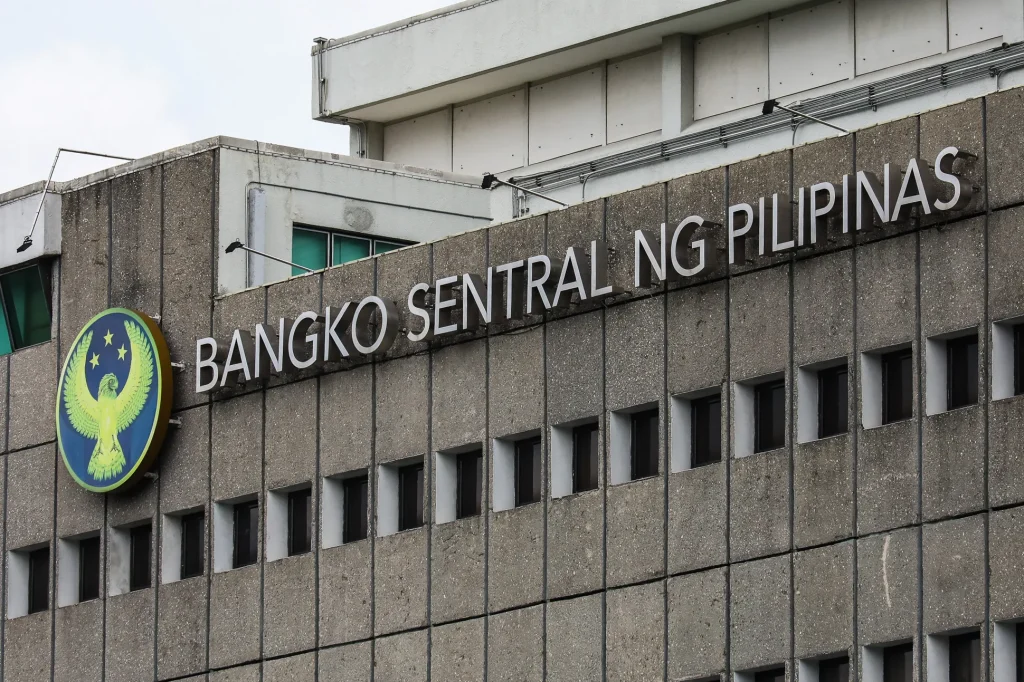
The Bangko Sentral ng Pilipinas (BSP), the nation’s central bank, is seeking to impose tighter regulations on online gambling payment services, including a ban on payment providers linking to gambling platforms and restrictions on fund transfers, as part of a broader effort to safeguard financial services from misuse and address mounting social concerns, according to a report by BusinessWorld.
A draft circular released by the central bank outlines a series of sweeping measures aimed at ‘promoting responsible use of digital financial services, strengthening consumer protection, and mitigating the risks associated with online gambling.’
Key provisions include a prohibition on payment service providers (PSPs) from embedding links or redirecting users to online gambling websites, and a daily funding limit to Online Gambling Transaction Accounts (OGTAs) not exceeding 20 percent of the average daily balance of a user’s account. The proposal also mandates biometric verification, enhanced due diligence, and strict monitoring to ensure compliance with anti-money laundering regulations.
Closer oversight for PSPs and OPSs
The BSP’s draft circular will apply to both PSPs and operators of payment systems (OPSs) involved in online gambling transactions. These entities must obtain prior authorization from the BSP, maintain a minimum capitalization of PHP300 million ($5.3 million), and meet strict compliance benchmarks, including a composite rating of no less than three under the BSP Supervisory Assessment Framework.
To combat fraud and illicit activity, PSPs and OPSs will be required to implement robust anti-money laundering and counter-terrorism financing risk management systems. They must also establish board-level oversight for compliance and risk management specific to gambling-related services. The BSP further classifies online gambling operators as ‘high-risk merchants,’ necessitating enhanced due diligence, beneficial ownership verification, and ongoing risk assessments.

OGTA requirements and usage limits
Under the rules, each eligible user may create a single OGTA—an isolated transaction account specifically for online gambling. Transfers into this account are restricted to the originating institution and subject to a daily cap.
PSPs are also required to limit gambling transaction hours to no more than six hours per day. If a user is flagged for excessive activity, a 24-hour cooling-off period must be enforced. Additionally, users opening OGTAs will have lending options disabled within the same digital platform.
All PSP employees will be prohibited from engaging in online gambling themselves.
Promoting responsible gambling
The BSP’s proposed circular also mandates PSPs to develop a Responsible Online Gambling Policy, including in-app alerts, self-exclusion tools, and visibility of support resources. The aim is to help users exercise self-control and deter compulsive gambling behavior.
Violations of the guidelines could result in monetary penalties of up to PHP1 million ($17,100) per transaction, or PHP100,000 ($1,710) per day for continuous non-compliance. Repeated violations may result in suspension or revocation of a PSP’s authority to offer gambling-related payment services.
Legislative background
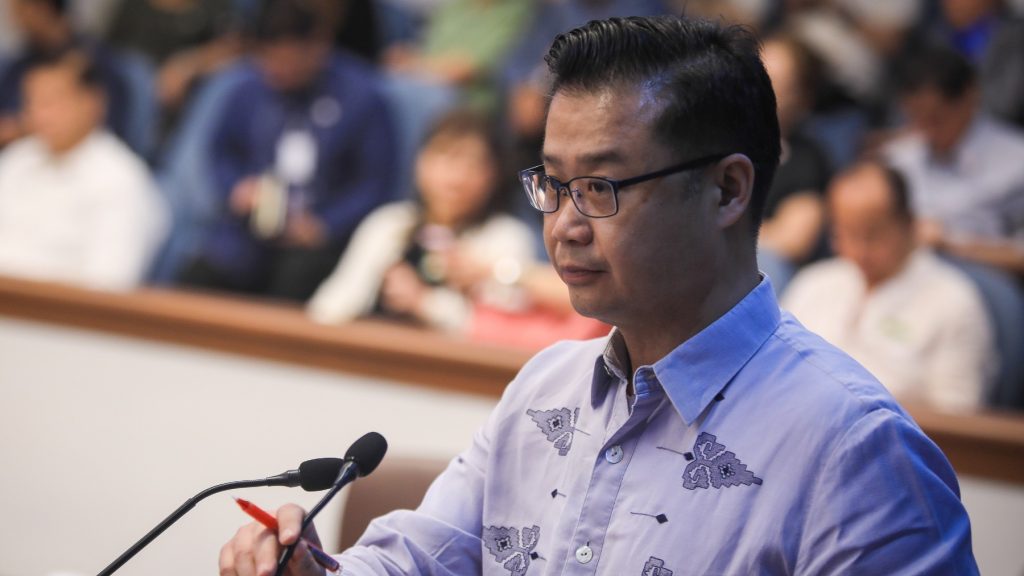
The BSP’s proposed framework aligns with broader legislative efforts. Earlier this month, Senator Sherwin Gatchalian filed a bill seeking stricter regulation of online gambling operations in the Philippines. While stopping short of a complete ban, the bill aims to curb abuses and prevent gambling operators from operating underground.
Gatchalian’s proposed measures include prohibiting the use of mobile wallet GCash for gambling, raising the minimum gambling age from 18 to 21, and setting a PHP10,000 ($176) minimum bet and PHP5,000 ($88) top-up requirement.