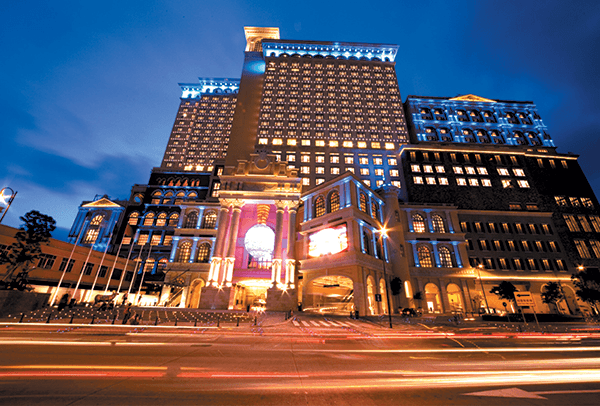
The number of guests staying at hotel establishments in Macau dipped by 1 percent year-on-year to 7.2 million in the first half of 2025, mainly due to a significant decline in visitors from Hong Kong, according to the latest data released by the Statistics and Census Service (DSEC).
Guests from mainland China remained the majority, increasing by 0.8 percent year-on-year to 5.35 million. International visitors also rose, climbing 8.6 percent to 589,000. Notably, arrivals from South Korea, Japan, Malaysia, and India reached 169,000, 48,000, 44,000, and 41,000, respectively, with year-on-year growth of 13.3 percent, 16.1 percent, 7.3 percent, and 5.2 percent.
In contrast, the number of guests from Hong Kong fell sharply by 8.5 percent to 879,000, contributing to the overall decline in hotel guest numbers.
Despite the slight drop in total guest numbers, the average occupancy rate of guest rooms rose by 5.1 percentage points to 89.1 percent during the period. The increase was driven by higher occupancy rates across all hotel categories. Five-star hotels reached 92.5 percent, up 6.6 percentage points; four-star hotels hit 83.1 percent, up 2.7 points; and three-star hotels recorded 85.4 percent, up 4.4 points.
As of the end of June, Macau had 147 hotel establishments open to the public, four more than a year earlier. However, the total number of available guest rooms dropped by 3.8 percent to 45,000. The average length of stay remained unchanged at 1.7 nights.
In June alone, hotel guest numbers rose by 4.7 percent year-on-year to 1.2 million, while the average occupancy rate for the month stood at 88.4 percent, up 5.6 percentage points. The average length of stay in June was 1.6 nights.
International package tour visitors up 12.2%
The number of inbound package tour visitors totaled 963,000 in the first half of the year, marking a 2.3 percent year-on-year decrease. The decline was primarily driven by a 6 percent drop in tour groups from the mainland, which accounted for 813,000 visitors.
In contrast, international package tour visitors rose by 12.2 percent to 117,000, led by South Korea with 51,000 visitors, up 19.7 percent year-on-year.
In June, overall package tour visitor numbers dropped significantly by 27.5 percent to 99,000, mainly due to fewer group visitors from the Guangdong Province, many of whom opted to enter Macau individually under the expanded Individual Visit Scheme. However, international package tour visitors rose by 8.6 percent to 18,000 during the same month.
The International Gaming Standards Association (IGSA) announced the release of Ethical Use of Artificial Intelligence, the first in a series of new Best Practices documents from the association.
Mark Pace, President of the International Gaming Standards Association
“The EAI (Ethical Artificial Intelligence) Committee has completed work on our very first release of a set of Best Practices, which is a new document form for us. The EAI is also the first of our non-technical committees to release such a document. The nine Best Practices for the ethical use of AI in the gaming industry was completed with input from the IGSA Regulatory Committee which is composed exclusively of representatives from regulatory authorities. The membership recently voted to approve the document,” said Mark Pace, IGSA President.
“These Best Practices were created primarily for use by regulators providing a framework to help provide oversight of AI use in our industry. I would like to thank Richard Bayliss, Chair of the EAI committee, and the committee members for their diligent work in creating these first set of Best Practices.”
Nimish Purohit, IGSA Chairman of the Board and former Chair of the EAI committee, added: “I’m grateful to the committee, for their work on this new effort. Our committee members have been putting in the time for the meetings and new members are joining IGSA to contribute. This is the first in a series of new Best Practices from IGSA and we’ll be releasing them from our other committees too. These documents will be considered ’living documents,’ and we will add to them as the committees continue to create work output.”
The Philippine government is considering a significant increase in taxation for online gambling operators, with Finance Secretary Ralph Recto indicating that rates could rise from the current 25 percent to as high as 40 percent of gross gaming revenue (GGR), according to local media outlet GMA News.
Finance Secretary Ralph Recto
During the Post-State of the Nation Address (SONA) Discussions in San Juan City, Recto outlined several possible fee structures—including rates of 30, 35, or 40 percent—as authorities consider stricter regulation of the industry, following the Department of Health’s classification of online gambling as a “public health concern.”
The proposed hike is part of a broader initiative to generate PHP200 billion ($3.42 billion) in gambling-related revenues this year—split evenly between land-based operations and online platforms. Currently, integrated resorts offering online gaming services are charged 25 percent of their GGR in license fees.
This is the second time in recent weeks that Recto has raised the prospect of higher taxation for online gambling. Earlier this month, he stated that the government was studying further fiscal measures for the sector, which is already seen as one of the most heavily taxed in the world.
It is worth noting that, starting January 1st, 2025, the Philippine Amusement and Gaming Corporation (PAGCOR) lowered the license fee for integrated resorts’ online gaming operations to 25 percent. Prior to the cut, the rate stood at 35 percent—already down from a peak of 55 percent before PAGCOR Chairman Alejandro H. Tengco took office.
Recto has also noted that the Finance Department will coordinate with PAGCOR on the license fee issue.
However, the proposals have drawn criticism from legal and industry experts who warn that additional taxation could prove excessive and counterproductive. On July 13th, Tonet Quiogue, CEO of Arden Consult and a leading expert in gaming law, released a policy brief raising concerns about the proposed the hike. She cautioned that increasing the financial burden might drive operators toward grey or illegal markets.
Quiogue noted that licensed operators are already subject to steep tax obligations. According to her analysis, in 2025 the effective license fee imposed by PAGCOR averages 30 percent of GGR, down from historical highs of 47.5 percent. In addition, a 10 percent audit fee is applied to PAGCOR’s share—effectively another 3 percent of GGR—alongside a 5 percent franchise tax levied by the national government.
In total, the government collects approximately 35 to 38 percent of each operator’s GGR before operating costs or profits are factored in. Quiogue stressed that these taxes are based on gross revenue rather than net income, putting licensed operators at a disadvantage compared to businesses in other sectors.
Commenting on calls for stricter regulation of the online gambling industry, Recto acknowledged the regulatory challenges, noting that an estimated 60 percent of current online gambling activity in the country is illegal.
“I am not in favor of gambling. My advice: do not gamble,” he said. “But if people do, we’d rather regulate it than have them resort to illegal operations.”
He added that “everything is on the table” when it comes to future policy options, including restricting user cash-in hours and limiting online gambling platforms’ access to e-wallet services. However, he emphasized that any changes should be coordinated with PAGCOR in advance.
Canadian gaming company Pollard Banknote Limited has been granted a license to supply gaming-related goods and services in the United Arab Emirates (UAE).
The General Commercial Gaming Regulatory Authority (GCGRA) approved Pollard Banknote as a licensed gaming vendor, allowing the company to work with regulated lottery operators across the UAE. The federal authority oversees the regulatory framework for lottery and commercial gaming activities in the country.
The license grants Pollard Banknote access to the UAE’s regulated gaming market, enabling it to offer its portfolio of instant tickets, digital gaming products, and retail merchandising solutions. The company already serves more than 60 lotteries worldwide, with operations spanning North America and Europe.
Doug Pollard, Co-Chief Executive Officer, said the company is excited about the opportunities the license presents. He noted that Pollard Banknote is eager to establish partnerships in the UAE and introduce its lottery and gaming products to help boost revenue and support charitable causes.
Founded in 1907, Pollard Banknote operates as a full-service lottery provider, offering instant ticket manufacturing, digital gaming solutions, and merchandising through subsidiaries such as Schafer Retail Solutions and American Games/International Gamco. The company also supplies pull-tab tickets, bingo paper, and electronic gaming devices to charitable gaming markets in North America.
Play’n GO, a leading casino entertainment provider, has announced a new U.S. operator partnership with North American Caesars Entertainment.
The partnership brings Play’n GO titles such as Buildin’ Bucks, Piggy Blitz, and Reactoonz online across Caesars Palace Online Casino, Caesars Sportsbook & Casino and Horseshoe Online Casino in Ontario, Michigan, Pennsylvania, New Jersey, and soon in West Virginia.
This partnership marks another significant milestone in Play’n GO’s growing U.S. footprint, highlighting the company’s commitment to delivering world-class entertainment to players across the country, where it is now licensed in six states.
Anna Mackney, Head of Regional Sales US at Play’n GO commented: “The Caesars brand is synonymous with world-class gaming and entertainment in North America, and it’s an exciting time for our business to announce this partnership. Our mutual commitment to high-quality entertainment and responsible gaming makes them the perfect partner for us as we mark this latest milestone on our U.S. journey.”
Ricardo Cornejo Rivas, Vice President of Online Gaming at Caesars Digital added: “Bringing Play’n GO’s popular titles live on our platforms is a win for our players. We’re committed to continuously making strides in building out our portfolio of titles on our online casino platforms and we’re thankful to bring another great partner like Play’n GO into the fold to make that happen.”
Success Universe, operator of the Ponte 16 integrated resort in Macau, is cementing its bond with concession-holder SJM ahead of the termination of the satellite casino contracts by the end of the year.
Macau’s satellite casino operations must end by December 31st, with the only possibility to continue casino operations being under a management contract, or outright ownership by the gaming license holder.
The license holder, SJM, holds a 51 percent stake in Pier 16 – Property Development (via a subsidiary), while Success Universe holds 49 percent. SJM has previously indicated that Ponte 16 is one of the two satellite properties (the other being L’Arc) that it wishes to maintain open after the year-end deadline, while it chooses to shutter seven others.
In a Monday filing with the Hong Kong Stock Exchange, Success Universe indicated that it will continue to provide ‘financial assistance’ for the development of Ponte 16, with its estimated total exposure under the 2025 Financial Assistance plan amounting to approximately HK$497 million ($63.31 million).
The group also has an outstanding balance on a shareholders loan amounting to approximately HK$342 million ($43.57 million) – bringing the total financial assistance from Success Universe to Pier 16 – Property Development up to HK$839 million ($106.9 million).
The group is currently extending the maturity date on its loan facilities for one year with the Industrial and Commercial Bank of China (Macau) to ensure such financial assistance. This involves Acknowledgement Letters from both SUGL (Success Universe Group Limited) and its wholly-owned subsidiary World Fortune – linked to its 49 percent stake in Pier 16- Property Development. Under World Fortune’s letter, ‘all of its interests in the shares of Pier 16 – Property Development’ are assigned as collateral.
The overall figure outlined in the 2025 Financial Assistance plan is actually lower than the HK$1.19 billion ($151.6 million) previously approved by shareholders.
For FY24, Success Universe generated a profit of HK$112 million ($14.27 million) from its share of the associates in Ponte 16.
Newport World Resorts parent company Alliance Global Group (AGI) has indicated that its collective investments for integrated resorts in Boracay and Cebu ‘could hit $2 billion’.
In a filing with the Philippine Stock Exchange on Monday, AGI clarified its plans to construct a ‘boutique integrated resort’ in Boracay Newcoast, ‘with an investment commitment of $300 million’. This figure had already been previously disclosed.
Having already completed the Boracay Newcoast Convention Center (with 1,200 seats), ‘the AGI Group is building new hotels’, it indicated.
Looking to Cebu, ‘The AGI Group also plans to construct another boutique integrated resort project in Mactan Newtown with an investment commitment of $300 million’. The group notes that to support this project ‘the AGI Group is building new hotels and the Mactan Expo Center with 2,500 seating capacity’.
Looking at the overall investment, the group notes that ‘there is a possibility that the AGI Group’s collective investment’ in the two IRs ‘could hit $2 billion in view of its collective long-term growth plans, and could be considered as the Company’s indicative investment that is forward-looking in nature’.
In late June, AGI had indicated that it was allocating some PHP59 billion ($1.03 billion) in capital expenditures ‘this year to pursue new undertakings and continue with its ongoing projects across key business segments’.
Andrew Tan, CEO, Alliance Global Group (AGI)
The group noted that the capex investments ‘aim to further solidify AGI’s position as the country’s premier lifestyle conglomerate, highlighted by major development efforts spearheaded by its leisure development company Travellers International’, which is the direct parent of Newport World Resorts.
Back in September of last year, AGI’s CEO Andrew Tan had indicated that it was planning to invest some $300 million in an IR in Boracay, including a “boutique casino”. The property also features an 18-hole golf course, nearly 2,000 hotel rooms and a 1 kilometer beach. Boracay Newcoast is a 15—hectare tourism estate combining residential, commercial and leisure, with 11 residential projects, four hotels and a commercial and entertainment district.
At the same time, Tan also indicated that up to $400 million could be invested in Mactan, Cebu – with the possibility to open as early as end-2026.
Mactan Newtown is a 30-hectare township in Lapu-Lapu City, featuring 10 residential projects, five office towers, retail and lifestyle and two hotels – including the Savoy Hotel Mactan.
Currently, AGI is expecting to finish this year with up to 10,000 rooms in its portfolio under Megaworld Hotels & Resorts and Travellers, with plans for up to 12,000 room keys before 2028.
AGI is also an investor in the Westside City project in Entertainment City, in Manila.
Good Morning. The sound of silence. In this particular case, the lack of comment on proposed bans for online gambling in the Philippines in the State of the Nation Address (SONA) was particularly profound, and a welcome sign that the nation’s president is not hastily addressing an issue with such a significant impact due to populist pressure. Looking to Macau, even as SJM is shuttering its satellite casinos, it’s expanding its hotel offerings in neighboring Hengqin with a $101 million investment. This comes as the first half year in the SAR delivered GGR above expectations, boosted by events driving increased foot traffic.
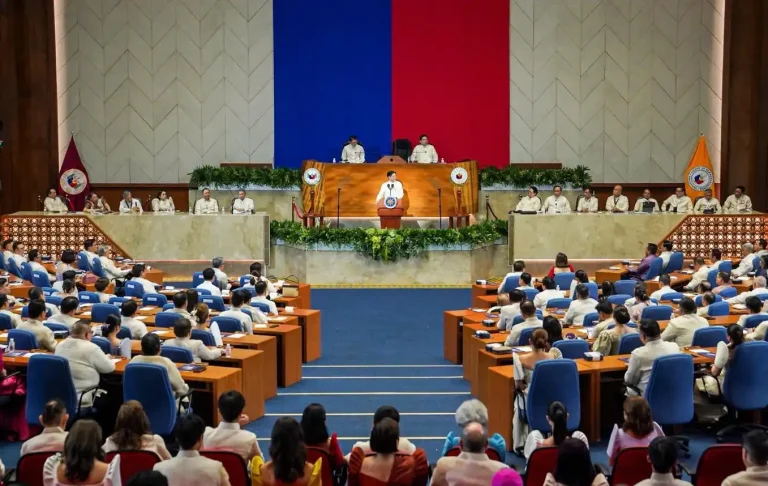
While speculation was rife that the Philippine President would address calls for a ban on online gambling in the country during his 2026 State of the Nation Address on Monday, his silence on the issue was strategic and avoids a knee-jerk reaction to such a complex topic. According to an expert, the move allows for the country to tame the ‘perils of online gambling through smart laws and vigilant enforcement’, rather than blanket bans.
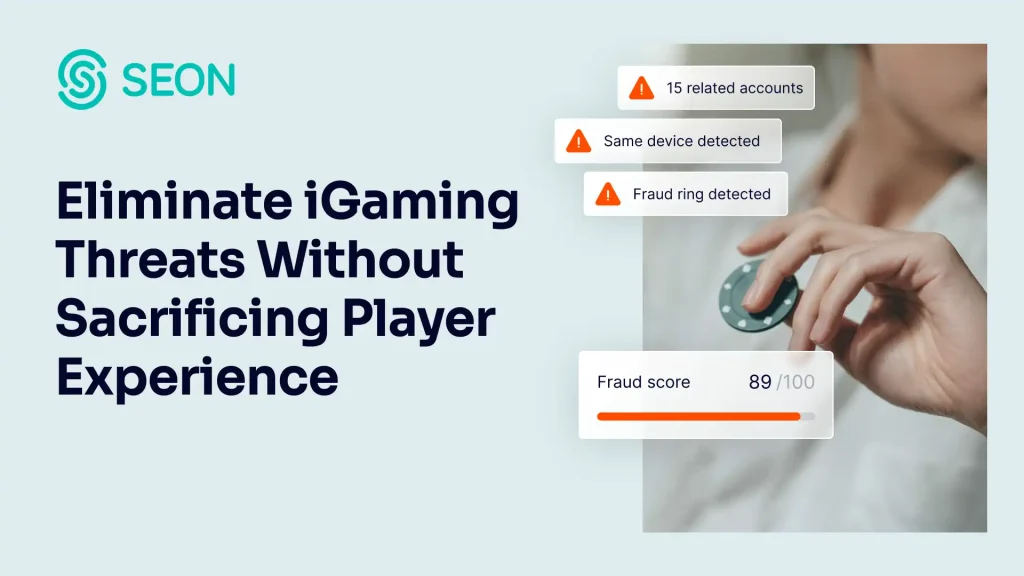
Winning Trust, Stopping Fraud. Asia Pacific’s iGaming market is expanding extremely fast, and a new wave of digital-savvy players is pushing demand through the roof. But the rise in adoption has outpaced regulation in many markets, and fraudsters have taken notice.
Philippine President Ferdinand Marcos Jr.’s decision not to take a stance on online gambling during his State of the Nation Address (SONA) represents a deliberate effort to avoid rushed policymaking on a complex and sensitive issue, according to gaming law expert Tonet Quiogue.
Marie Antonette “Tonet” Quiogue
Amid mounting calls from legislators and various sectors for a total ban on online gambling, the President’s silence signaled a refusal to be rushed into a decision on a complex issue that requires more data, deeper study, and holistic understanding, said Quiogue, CEO and founder of Arden Consult.
‘This was not a missed opportunity—it was a conscious choice to avoid a knee-jerk policy that could create more problems than it solves,’ Quiogue wrote in her analysis following the President’s July 28th SONA. ‘By declining to take a populist or overly simplistic stance, the President has left the door open for a more thoughtful, evidence-based approach to take shape.’
The gaming expert’s remarks come as the Philippines faces growing pressure to address online gambling-related concerns, including rising addiction rates, financial distress in households, and scams linked to criminal networks. Marcos was expected to clarify his position on the issue on Monday during the SONA. However, Quiogue contends that the President’s measured approach reflects sound economic reasoning and policy prudence.
Economic considerations drive cautious approach
The President’s stance reflects a ‘sober assessment’ of the country’s economic realities, according to Quiogue’s analysis, which she shared on her LinkedIn page. Licensed online gaming contributed more than PHP112 billion ($1.96 billion) to government coffers in 2024, including PHP16.6 billion ($290 million) allocated to universal healthcare through PhilHealth (one of the major focuses of his this year’s SONA), and PHP46 billion ($805 million) directed to the national treasury.
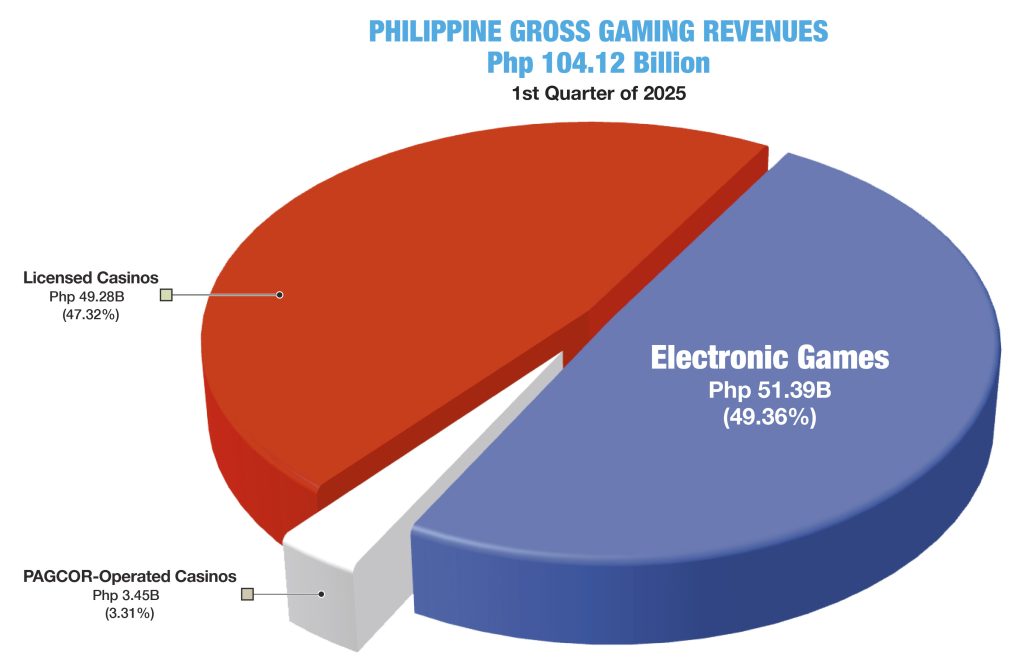
In the first quarter of 2025 alone, e-gaming and e-bingo revenues surged—outpacing even physical casinos—comprising nearly half of all gaming revenues. With the country under fiscal strain, a blanket ban could trigger major budgetary shortfalls and result in the loss of an estimated 50,000 jobs. Moreover, millions of Filipino players would likely migrate to illegal platforms.
‘Regulating instead of banning is thus both a financial necessity and a harm-reduction strategy,’ Quiogue noted, emphasizing that prohibition often drives activity underground, making it harder to monitor and control.
Recent regulatory developments show momentum
Despite the lack of a presidential directive, Quiogue highlighted several recent developments that underscore the government’s commitment to strengthening oversight.
On July 16th, the Philippine Amusement and Gaming Corporation (PAGCOR) signed a memorandum of understanding with the Ad Standards Council (ASC) to pre-screen all gambling advertisements. Under this agreement, gambling ads now require ASC approval before release, similar to ads for alcohol or medicine.
The Cybercrime Investigation and Coordinating Center has also stepped up enforcement against unlicensed operators, warning local influencers and content creators to stop promoting illegal gambling platforms. The agency has announced plans to issue legal demand letters and pursue criminal charges against violators.
Meanwhile, the Bangko Sentral ng Pilipinas (BSP), the nation’s central bank, has circulated draft regulations that would require e-wallets and payment service providers to implement stricter KYC procedures and enhanced transaction controls for online betting activities.
Industry self-regulation emerges
In what could be a turning point, several PAGCOR-licensed online gaming operators have begun forming a new association aimed at self-regulation and closer collaboration with government authorities. The group has expressed willingness to enforce stricter age verification, set betting limits for at-risk players, and adopt tougher anti-money laundering protocols.
‘This proactive stance—essentially “we will police ourselves more rigorously”—is exactly what a skeptical public needs to see,’ Quiogue observed.
A balanced path forward
Quiogue described the President’s decision not to take an impulsive position on online gambling as ‘a breakthrough for Philippine policy—a triumph of level-headed analysis over populist impulse.’ However, she warned that long-term success depends on consistent effort and coordination among all stakeholders.
“Regulate, not ban, is not a one-time decision, but a continuous commitment. It requires diligence from authorities, integrity from industry, and awareness from the public.”
Quiogue also noted that Marcos Jr.’s refusal to impose a total ban demonstrates ‘an understanding that governing is about channeling, not simply suppressing, human behaviors.’
In the future, she stressed that the real challenge lies in delivering effective regulation that mitigates risks while retaining benefits. ‘If we do it right, the Philippines can become a model of how a developing nation tames the perils of online gambling through smart laws and vigilant enforcement,’ she concluded.
“This is both a win and a warning […] The stakes, quite literally, are the futures of Filipino families and the integrity of our rule of law. In this game, we cannot afford to lose—so we must play to win, with eyes wide open and all hands on deck.”
The global iGaming tech provider and innovative expert SOFTSWISS has announced the launch of its major South African project with Mzansibet. It marks the first project in the country to merge both the SOFTSWISS Sportsbook and the SOFTSWISS Casino Platform.
According to the recently released South Africa: iGaming Market Overview 2025 by SOFTSWISS, the country’s iGaming sector is growing at an impressive annual rate of 20–25%, driven by increasing mobile penetration.
In line with this trend and evolving player needs, SOFTSWISS strongly focuses on mobile optimisation across its platforms, enabling seamless and enjoyable gaming experiences for Mzansibet players.
The launch in South Africa, ensuring full compliance with local technical standards, required meticulous preparation. SOFTSWISS products – including its sports betting software and online casino platform – underwent rigorous certification with Gaming Laboratories International (GLI), one of the most reputable and globally recognised independent testing laboratories in the iGaming industry.
Following this process, the solutions were officially approved for local operation by the Western Cape Gambling and Racing Board – a respected and influential regulator in the region – affirming the high quality and compliance of SOFTSWISS software.
Max Trafimovich, International Non-Executive Director at SOFTSWISS, shared: “Mzansibet entered the market with a bold ambition to become a top-tier brand – and we are not only proud to support that vision from day one, but also well-equipped to ensure its sustainable growth. Leveraging our global and local expertise, we provide the technical, business, and service tools necessary for a smooth launch and scalable development. This is made possible thanks to our robust and stable architecture with 99.999% uptime and a flexible platform ecosystem. In addition, the brand launched a nationwide TV advertising campaign and has already attracted tens of thousands of players across the country – a powerful testament to its growing presence and trust.”
Along with the backend certification, the SOFTSWISS team invested heavily in frontend localisation to align with the partner’s vision and market requirements. The Mzansibet project has been fully adapted to meet South African player behaviour and betting patterns.