The leading sports technology company Sportradar has announced the release of Bettor Sense, a personalized, proactive, and data-driven approach to user protection. BETesporte will be the first operator to implement the solution, reinforcing its commitment to safer and more responsible practices in Brazil’s newly regulated betting market.
Bettor Sense is an AI-powered solution that detects early signs of gambling-related risk and enables personalized interventions to protect end users. Developed with proprietary technology and grounded in behavioral research, Bettor Sense allows operators to act quickly and efficiently, promoting responsible gambling and strengthening brand reputation. Fully compliant with regulatory standards, Bettor Sense provides a critical tool for operators aiming to meet rising expectations around end user protection.
In addition to implementing Bettor Sense, BETesporte has also joined Sportradar’s Integrity Exchange, a global information-sharing network that enables betting operators to report suspicious betting activity directly to Sportradar’s Integrity Services division. This collaboration strengthens the industry’s collective ability to fight match-fixing and betting-related corruption through enhanced transparency and cooperation.
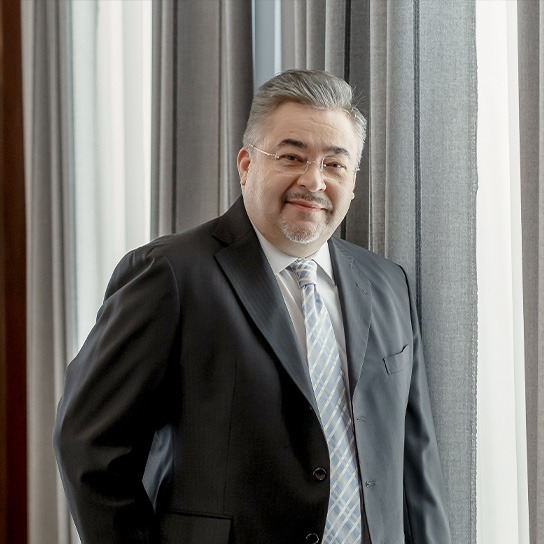
Tom Mace – SVP, Integrity & Regulatory Services, Product & Strategy at Sportradar, said:“This partnership with BETesporte marks an important milestone for Sportradar’s ongoing mission to help shape secure and sustainable sports betting and iGaming industries. BETesporte is taking a proactive step in embracing responsible gaming as a core part of its business. We are confident this will be the first of many partnerships, as the market increasingly recognizes the value of using data and technology to protect end users and strengthen compliance.”
Marcos Pereira – CEO of BETesporte added: “BETesporte is fully committed to transparency and security across all its operations. The partnership with Sportradar, through the integration of Bettor Sense and the Integrity Exchange, reinforces our dedication to fostering a responsible and ethical betting environment in line with regulatory standards. Sportradar’s advanced technology enables us to anticipate and prevent risky behavior, ensuring our bettors have the best possible experience with complete safety. We will continue working tirelessly to protect the integrity of sport and the trust of our users, which remains our top priority.”
The leading supplier of premier iGaming content, Games Global, has announced the latest addition to its portfolio, Bass Cash Diamond X UP, from exclusive studio partner Alchemy Gaming.
A powerful follow-up in the popular Bass Cash series, this instalment blends vibrant visuals, dynamic gameplay, and a reinvented version of Alchemy’s acclaimed X UP mechanic to create a new slot packed with personality.
Players are invited into a colourful angling-themed experience featuring rainbow fish cash symbols, jackpot fish, and a host of interactive features. Francis the Fisherman Collect symbols, landing on reels one and five, snag all visible cash and jackpot prizes, and if two land at once, they have the chance to double the haul for potential wins.
The game introduces the most evolved the X UP system to date, now featuring four distinct X UP scatter types, Red, Gold, Blue, and Diamond, each bringing a unique upgrade effect to the game.
Red X UP scatters raise the starting multiplier for Free Spins;
Gold X UP scatters apply the current multiplier to all base game cash and jackpot wins;
Blue X UP scatters permanently upgrade the multiplier trail from the top down, and
Diamond X UP scatters grant immediate access to the full multiplier trail, unlocking elevated win potential with a maximum payout potential of 500x.
Landing five Bonus symbols triggers the Bass Cash Bonus, where an expanded Francis the Fisherman symbol on reel one scoops up all visible cash prizes, while trophy symbols are collected above the reels.
Marcus Thorpe-Fairall, Creative Director at Alchemy Gaming, said: “We wanted to take the proven popularity of the Bass Cash series and infuse it with the most evolved version of our X UP mechanic yet. With four scatter types and multiple upgrade paths, Bass Cash Diamond X UP gives players more control and engagement. From doubled cash collection to full trail upgrades, there is something for all players to enjoy.”
Andy Booth, Chief Product Officer at Games Global, said: “Alchemy Gaming continues to push the boundaries and Bass Cash Diamond X UP is a testament to that creative ambition. The introduction of four unique X UP scatters adds incredible variety and replayability, while the layered mechanics offer depth. We are confident this one will make serious waves across our network.”
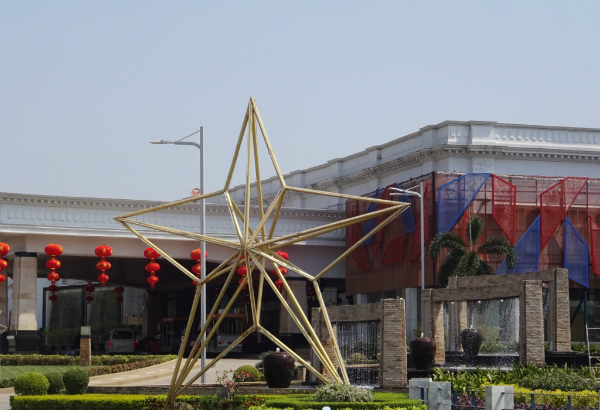
Donaco International Limited’s Star Vegas casino in Cambodia reported a sharp revenue decline in the June quarter, with net revenue falling 31 percent to AU$4.31 million ($2.76 million), down from AU$6.28 million ($4.02 million) in the March quarter, according to a filing to the Australian Stock Exchange.
The drop was attributed to ongoing border tensions between Thailand and Cambodia, which have severely restricted cross-border travel.
The company’s overall performance also weakened, with group net revenue falling 15.6 percent to AU$8.47 million ($5.42 million), compared to AU$10.03 million ($6.42 million) in the previous quarter. Group EBITDA declined 10.2 percent to AU$3.68 million ($2.36 million) from AU$4.10 million ($2.62 million).
Star Vegas, located near the Thai–Cambodian border, saw a steep fall in visitor numbers. Average daily visitation dropped to 758 players, down from 928 players in the March quarter. Property-level EBITDA fell to AU$1.78 million ($1.14 million), from AU$3.48 million ($2.23 million) in the previous quarter.
The ongoing border dispute led to closures for nearly all travelers, directly affecting Star Vegas’ operations. The casino, which previously relied heavily on visitors from Thailand, has seen its primary customer base unable to cross the border due to restrictions. Since the closure, Star Vegas has been operating with a limited clientele, primarily expatriates and business travelers from Indonesia, China, and Korea who are based in Poipet.
In contrast, Donaco’s Aristo International Hotel in Vietnam, located near the Chinese border, recorded improved performance. Net revenue rose 11 percent to AU$4.16 million ($2.66 million), up from AU$3.75 million ($2.4 million) in the March quarter. Average daily visitation increased slightly to 343 players, up from 336 players, while property-level EBITDA climbed to AU$2.52 million ($1.61 million) from AU$2.31 million ($1.48 million).
Donaco reported a stable cash position of AU$39.63 million ($25.36 million) at the end of June, compared to AU$39.98 million ($25.59 million) in the previous quarter.
Donaco’s Non-Executive Chairman, Porntat Amatavivadhana, acknowledged the challenging operating environment. “Star Vegas has had a difficult quarter following the border dispute between Thailand and Cambodia, which has significantly impacted its operations,” he said. “The dispute has resulted in reduced activity at Star Vegas, as its core customer base has been unable to cross the border from Thailand.”
He added that while the short-term outlook for tourism in the region remains uncertain due to the ongoing and rapidly evolving situation, the company continues to monitor developments closely.
Separately, Donaco is progressing with its Scheme Implementation Deed with On Nut Road Limited. A Scheme Meeting is scheduled for August 4th, 2025. The Donaco Board has unanimously recommended that shareholders vote in favor of the proposed acquisition.
Good Morning. It’s never a one-size-fits-all when it comes to casinos. And jurisdictions try their best. That’s the case of Portugal, which may benefit from the integrated resort model championed in Asia that has emerged as a frontrunner and could provide a strong legal framework for negotiating upcoming contracts. Meanwhile, in the Philippines, the e-games market continues to thrive, outpacing the land-based segment again, despite attempts to shut down the sector. However, the possibility for increased taxation still looms, as top officials push for more oversight, amongst the sector’s continued growth in the regulated market.
Gaming operations in Asia tend to have tendrils stretching back across continents. Such is the case for Portugal, as Stanley Ho’s legacy continues to live on even amongst the negotiation of new concessions in the European nation. But beyond that, the Asian integrated resort model is proving to hold up the best, with an expert arguing that a non-gaming approach should be key, something the current legal framework may not have accurately taken into account.
Winning Trust, Stopping Fraud. Asia Pacific’s iGaming market is expanding extremely fast, and a new wave of digital-savvy players is pushing demand through the roof. But the rise in adoption has outpaced regulation in many markets, and fraudsters have taken notice.
Yggdrasil has expanded its YGG Masters program by partnering with DEGEN Studios, an emerging slot supplier known for its innovation-driven approach.
DEGEN Studios is a fresh entrant to the iGaming industry, promising to focus on hardcore games with high volatility that shift away from familiar mechanics commonly seen across the industry.
As part of the YGG Masters program, it will have access to the full GATI suite, as well as Yggdrasil’s assistance to market the game in various jurisdictions through the initiative, which takes care of licensing, infrastructure, certification, and distribution.
DEGEN becomes the latest member of the YGG Masters roster, which has included forward-looking, innovative suppliers such as 4ThePlayer and AvatarUX since its inception.
The studio’s first game as part of the YGG Masters program, Hacker’s Heaven, will be released on 20th August.
Jose Kadala, Chief Commercial Officer at Yggdrasil, said: “We have a proud history of working closely with exciting, original studios that are looking to rapidly scale their growth and DEGEN Studios looks a perfect fit for YGG Masters. We can’t wait to assist them in their journey and see what we can achieve together.”
As Portugal opens a high-stakes public tender for new casino concessions across three key regions, gaming law expert Óscar Madureira has warned that the process risks falling short of modern international standards if it fails to embrace a broader, tourism-driven vision for the industry.
The tender, launched by Turismo de Portugal and published in the Official Journal of the European Union, covers five licenses across Espinho, Póvoa de Varzim and the Algarve, with applications due by September 5th, 2025.
The 15-year concessions, worth millions of euros, are being closely watched by incumbent operators and potential newcomers—though observers say structural flaws could stifle competition.
The government explained that each license will be awarded to the highest bid based on a weighted multi-factor model, of which 35 percent will be weighted to the amount proposed as an annual fixed fee, 50 percent to the percentage of GGR proposed as a variable fee, and 15 percent to the amount proposed as a minimum variable fee.
The tender process, made public last week, includes five casino licenses—one each for Espinho and Póvoa de Varzim, and three for the Algarve region: Vilamoura, Portimão, and Monte Gordo. The new contracts will span 15 years, with applications due by September 5th, 2025, and are set to replace concessions originally due to expire in 2023 but extended due to COVID-19-related losses.
The Algarve tender, formally launched on Thursday, involves granting the exclusive right to operate games of chance in the region, currently held by Solverde. The competition was authorized by the Minister of Economy and Territorial Cohesion through a dispatch dated June 23rd.
According to the procedures published in the Official Journal of the European Union, the award will be based on the most economically advantageous proposal, assessed through a multi-factor format. The evaluation includes:
A fixed annual contribution of no less than 1.5 million euros ($1.7 million), with minimum bid increments of 100,000 euros ($115,545);
A variable contribution based on 30–35 percent of gross gaming revenue, with 0.5 percentage point increments;
A minimum annual contribution between 9 million euros ($10.3 million) and 11 million euros ($12.6 million).
The tender will be overseen by a five-member jury—three full members and two alternates—appointed by the national gaming commission.
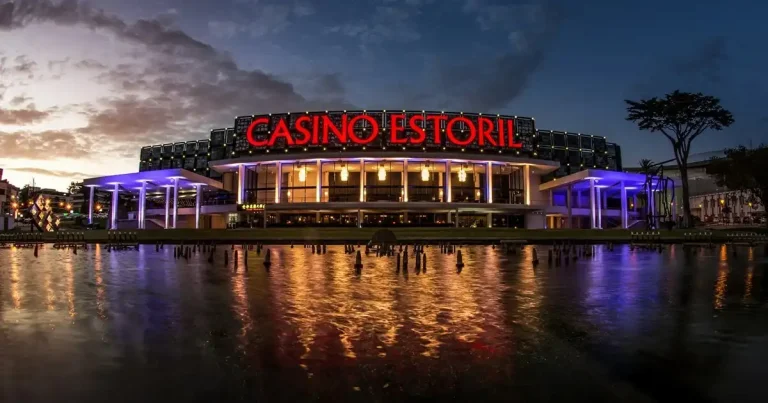
Among the expected bidders is Estoril Sol, chaired by Macau gaming magnate Pansy Ho, which currently operates the Póvoa de Varzim casino. The company’s local subsidiary has posted strong financial results, strengthening its position in the race for renewal.
The Ho family’s casino interests in Portugal also include Casino de Lisboa in Lisbon and Casino do Estoril in Cascais.
Pansy Ho, daughter of the late Stanley Ho, serves as chairman of Estoril Sol and co-chairman of MGM China, among other gaming ventures.
Pansy Ho
But for the former Lektou Portugal partner, the real question is not who wins the bid, but how the competition is designed to serve Portugal’s changing economic landscape.
“The main concerns should be discussing what a competition like this means in the 21st century”, said Madureira in an interview with AGB. “What should be demanded in this specific context? These are, in my opinion, more tangible, more concrete issues.”
The lawyer – now CLO of iGaming B2B platform Oddsgate – argues that the discussion should extend beyond legal compliance or which state entity manages the process.
“Whether the competition (tender) should have been organized by the Institute, by Turismo de Portugal, or by any other entity—the Portuguese State, for instance—is somewhat irrelevant. The State is the State, isn’t it?”
Portugal’s tender process, he says, remains rooted in outdated assumptions about the casino business, which in the modern era plays a far more integrated role in tourism ecosystems.
Portugal’s tourism sector experienced a record-breaking year in 2024, with significant increases in both international and domestic visitors, with a total of 30 million inbound tourists reported. Lisbon, Porto, the Algarve, and the Azores were among the most popular destinations for both international and domestic tourists.
Drawing comparisons with jurisdictions such as Macau, Singapore, Las Vegas, and Japan, Madureira pointed to international models where gaming forms part of a broader hospitality, entertainment, and urban development strategy.
“In Macau, for instance, gaming is tied to tourism but also integrates into a wider urban and operational context. You have hotels, restaurants, shows, events—products that are mostly non-gaming”, he explained. “And in countries where tourism is a key economic driver, as it is in Portugal, that can be very interesting. Because a casino isn’t just a casino.”
Barriers to competition
Óscar Madureira
According to Madureira, Portugal’s current legal framework does not reflect this evolution.
While the tender document aligns with European public procurement laws and includes references to responsible gaming and facility upgrades, it falls short of mandating value-creating components such as hotel infrastructure or entertainment venues.
“It’s excessive and misaligned with what I’d say are the needs of a country like Portugal in 2025”, he said. “The tender should also set targets for creating hotel units linked to casinos. This isn’t something we’re inventing—it’s a model that already exists.”
The gaming law expert warned that without these broader conditions, physical casinos risk becoming obsolete.
“In 2025, for those who love pure, hardcore gambling, there are other, much more competitive options like online gaming. So, this tender for physical casinos should focus on creating support infrastructures—experiences that go beyond gaming tables or slot machines.”
As of March 2025, Portugal’s online gambling market features 30 licensed operators, with 13 offering sports betting and 17 providing online casino games, generating some 284.7 million euros ($329 million) and contributing 82.7 million euros ($95.5 million) in tax revenue.
There are also questions around whether the tender process is sufficiently open to newcomers. Madureira cited the previous Lisbon concession process—also won by Estoril Sol—as an example of how rigid requirements and short preparation windows can deter international contenders.
“The way the tender was organized ended up severely limiting competitor options…The incumbent is much more favored—they’re already operating, they have the machinery in place, and they know the terrain.”
This has raised concerns that despite being framed as a competitive public tender, the process may end up simply renewing existing contracts.
Political shadows
Adding further complexity is the political turmoil triggered by Prime Minister Luís Montenegro’s resignation earlier this year amid a conflict of interest scandal.
Montenegro’s former consultancy firm, Spinumviva, was found to have maintained ties with casino operator Solverde—the current concessionaire for the Algarve region—even after he took office.
He has regained his office as PM in a snap election in May, but speculation persists over whether political fallout and concerns over conflict of interest could complicate the renewals.
Madureira, however, dismissed these concerns. “There was a lot of misinformation”, he said. “The Portuguese State, through the previous government, even appealed an unfavorable decision. I don’t see this as a problem.”
“Of course, it’s an unfortunate episode, something that probably shouldn’t have happened. But to suggest there’s some kind of favoritism toward this concessionaire? I don’t think that’s the case.”
Call for reform
Ultimately, Madureira believes Portugal needs more than a basic update to its gaming legislation—it needs a wholesale rethink of what casino concessions should deliver in a post-pandemic, tourism-driven economy.
“In my opinion, they’re all poorly designed—misaligned with today’s reality,” he said. “A casino today should be part of a diversified operation. Hotels, restaurants, arenas, shows, conferences—these often represent a larger share of revenue than gaming itself.”
Whether Portugal’s latest tender round will reflect that shift remains to be seen. But for now, Madureira warns, the country risks being left behind.
“The world has moved on. A casino can no longer just be a building with tables. It has to be a destination.”
This is exactly the idea embraced by gaming operators throughout Asia, who have shifted beyond the casino floor to an integrated resort model which favors non-gaming as a key driver in future development.
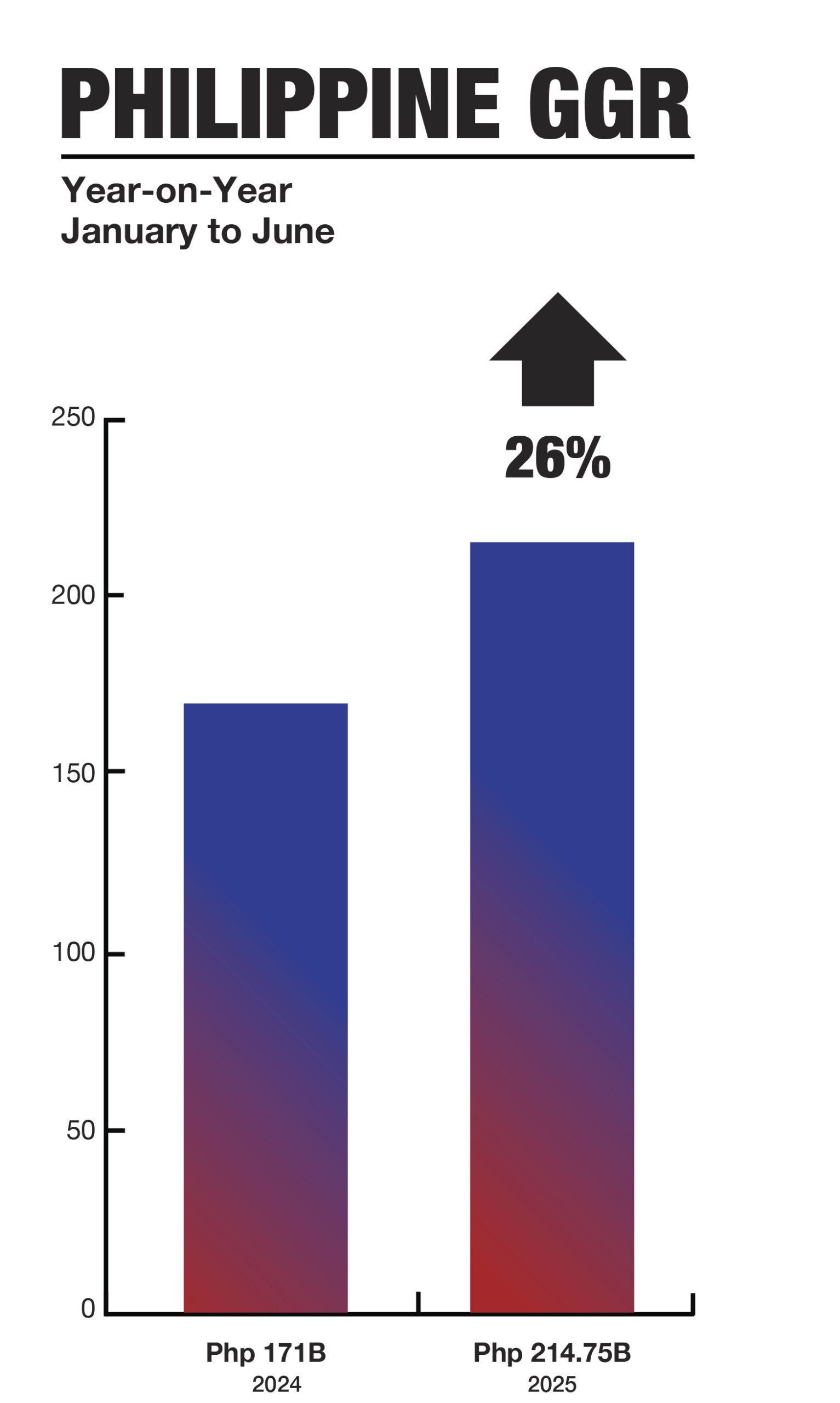
The Philippine gaming industry recorded substantial growth in the first half of 2025, with gross gaming revenues reaching PHP214.75 billion ($3.76 billion), a 26 percent increase from the same period last year, according to the Philippine Amusement and Gaming Corporation (PAGCOR).
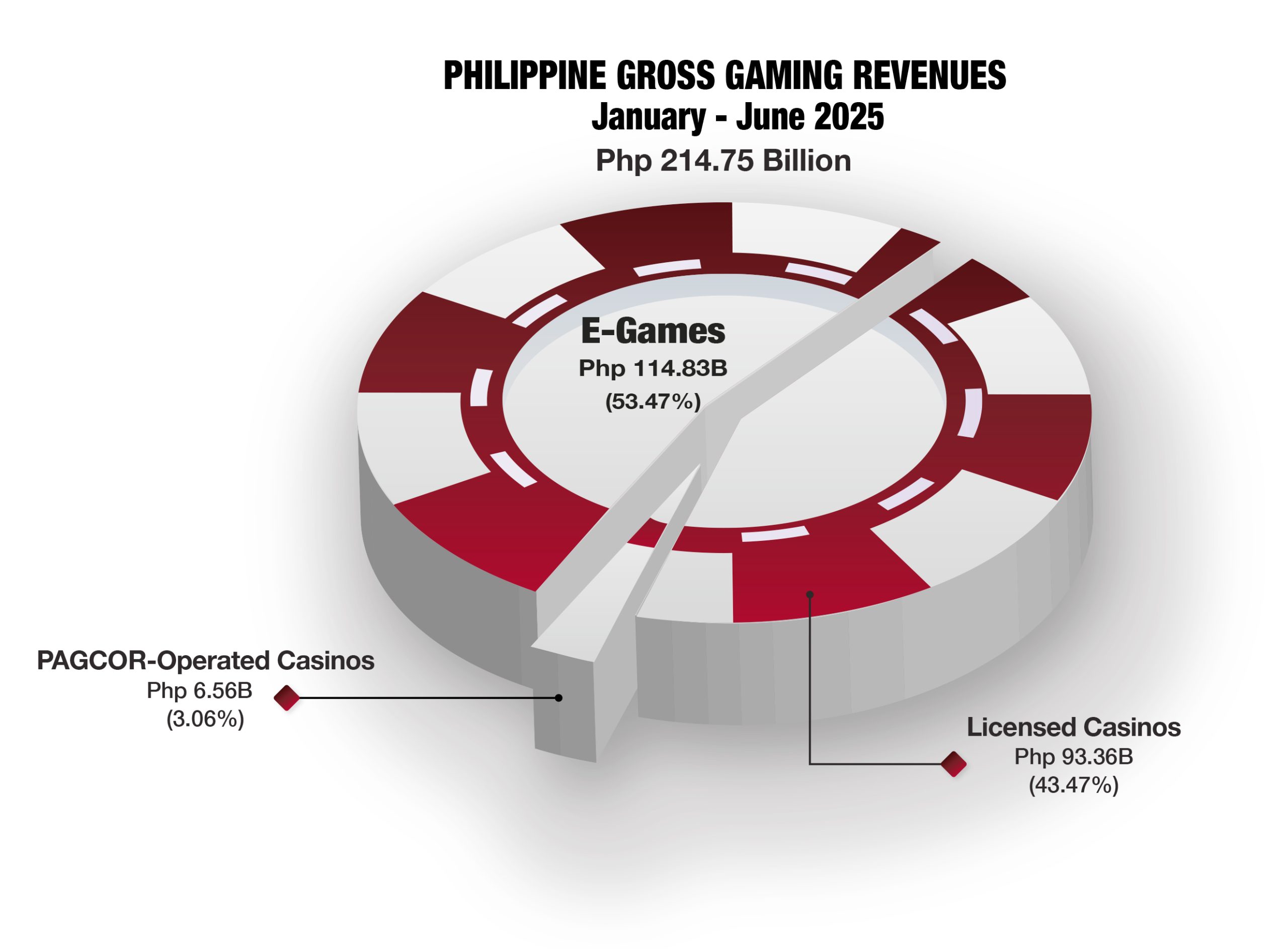
Electronic games emerged as the dominant revenue driver, generating PHP114.83 billion ($2.01 billion) and capturing 53.47 percent of total gross gaming revenue. This sector encompasses e-games, e-bingo, and bingo grantees, marking a significant shift in the industry’s revenue composition.
The electronic games sector’s dominance reflects a broader trend that began in the first quarter of 2025, when PAGCOR first reported that electronic games had overtaken other segments in Philippines gaming revenue. This development has positioned the Philippines among countries with the highest contribution of electronic games gross gaming revenue to national GDP globally, reaching 0.68 percent in the first quarter of 2025, according to investment bank Maybank’s latest report.
Licensed casinos, including integrated resorts and brick-and-mortar establishments in Metro Manila, Clark, Cebu, La Union and Rizal, remained a substantial contributor with PHP93.36 billion ($1.63 billion), accounting for 43.47 percent of industry revenues. PAGCOR-operated casinos added PHP6.56 billion ($115 million), representing 3.06 percent of overall industry performance.
Despite the robust earnings from online gaming, PAGCOR Chairman and CEO Alejandro H. Tengco emphasized the importance of regulatory balance as the industry evolves.
“PAGCOR recognizes the earning potential of the e-games sector, but as the country’s gaming regulator, our foremost responsibility is to ensure that growth comes with accountability,” Tengco stated.
The gaming authority has recently implemented measures to strengthen oversight, including signing a memorandum of understanding with the Ad Standards Council to monitor gambling-related advertisements and ordering the removal of all gambling advertisements from public spaces and primetime television by August 15th.
PAGCOR reaffirmed its commitment to sustaining reforms that promote transparency, industry compliance, and inclusive national development as the sector continues its growth trajectory.
The award-winning game development studio Evoplay has launched Sea of Wealth: Hunt for Coin, its latest release in its aquatic-themed slot series.
Set in a vibrant underwater world, the 5×3 video slot runs across five fixed paylines and features marine creatures, powerful gods, and ancient treasures hidden beneath the waves. Players will encounter seven regular symbols, alongside Wilds, Bonus symbols, and the mighty Trident as they dive into the action.
Wilds substitute for regular symbols, excluding Bonus and Trident, and appear only on reels 2 to 5 in the base game. Landing six or more Bonus symbols triggers the Bonus Game, where each symbol carries either a random cash value or one of three jackpots: MINI, MEGA, or SUPER.
During the Bonus Game, players begin with three spins, which reset every time a new Bonus or Trident symbol lands. Bonus symbols lock in place, while the Trident symbol collects the values of all visible Bonus symbols on screen. Collecting all 15 Bonus symbols awards the Grand jackpot, worth 5,000x the bet.
To heighten the excitement, the Bonus Buy feature offers players direct access to the Bonus Game at any time.
Sea of Wealth: Hunt for Coin continues Evoplay’s commitment to expanding beloved IPs with fresh features and bold visuals, giving operators a new title grounded in performance and strong player appeal.
Ivan Kravchuk, CEO at Evoplay, said: “Sea of Wealth: Hunt for Coin brings another layer to our ocean-inspired line-up, combining a proven structure with vivid storytelling and interactive bonus features. It’s a title designed to deliver rewarding moments and long-term engagement, while also giving our partners another high-quality product backed by a recognisable theme.”
Habanero, a premium slots and table games provider, has entered the colosseum with Gladiator Royal, its latest high-volatility release, where glory awaits only the bold.
Set on a 5×3 grid with 25 paylines, Gladiator Royal delivers an arsenal of features and a maximum win potential of up to 1,000x the bet. Players can trigger up to 40 Free Games or boost the total to 100 when the Super Bet feature is activated, unlocking an epic battle between risk and reward.
There is a choice between two game modes: Standard and Gamble. In Standard mode, all wins are paid out as they land, offering a steady and reliable path to possible prizes. Alternatively, Gamble mode introduces higher risk and greater potential, with winnings collected until a Thumb symbol appears, doubling the prize or ending the bonus altogether.
Enhancing the action are three Wild Features: Spear, which expands to cover the reel; Club Slam, delivering a 4×4 Wild block; and Arrow Rain, which unleashes Random Wilds across the board to boost the chances of winning big.
Following the success of MX Mania and Mummy Hunter, Habanero continues to diversify its portfolio with distinctive mechanics and bold themes.
Toni Karapetrov, Head of Corporate Communications at Habanero, said: “We are delighted to launch a battle for the ages in Gladiator Royal. We wanted to add excitement by giving players more control in how they approach the bonus, with the gamble mode adding more drama to the proceedings. Gladiator Royal is a feature-driven title designed for today’s thrill-seekers and is packed with dynamic visuals and two interesting game modes.”
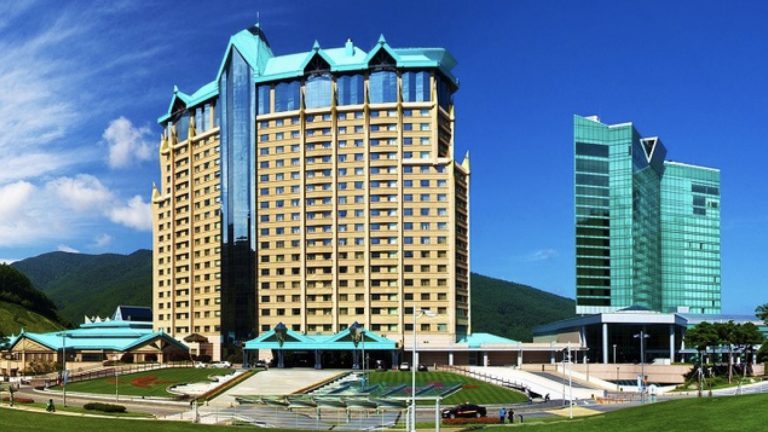
South Korea’s Kangwon Land reported a sharp 62.2 percent year-on-year decline in net profit for the second quarter of 2025, falling to KRW60.63 billion (approximately $43.5 million).
The decline was attributed to a 14.6 percent surge in operational costs, which outpaced growth in gaming revenue, according to unaudited results filed Tuesday with the Korea Exchange.
The April–June performance also dragged down the company’s results for the first half of the year. Net profit for the six-month period fell 46.3 percent year-on-year to KRW136.38 billion ($97.9 million).
Second-quarter sales reached KRW360.7 billion ($258.9 million), with casino revenue contributing KRW331.5 billion ($237.8 million). This marked an 8.6 percent year-on-year increase in casino sales, largely driven by mass table and slot machine play.
Kangwon Land also reported a 9.4 percent rise in its second-quarter table drop—the amount exchanged for chips—reaching KRW1.47 trillion ($1.06 billion). The increase was attributed to enhanced betting limits introduced during the reporting period.
However, non-gaming revenue declined 9.6 percent year-on-year to KRW29.2 billion ($21 million). Meanwhile, operational costs increased 14.9 percent year-on-year to KRW302.9 billion ($217.4 million), mainly due to higher wage expenses and contributions to local community funds.
For the first half of 2025, Kangwon Land generated total sales of KRW726.56 billion ($521.5 million), up 2.9 percent year-on-year. However, this modest gain was not enough to offset the sharp drop in profitability.
The company also disclosed its capital expenditure plans for the 2025 fiscal year, budgeting KRW126.2 billion ($90.6 million). Of that amount, approximately KRW84.7 billion ($60.8 million), or 67 percent, was allocated to ‘operating investment’. This includes the expansion and renovation of the casino mass floor, VIP floor upgrades, resort facility enhancements, and the construction of a second casino at the site.
By the end of June, Kangwon Land had already invested KRW51.1 billion ($36.7 million) under the operating investment category.