

Home Blog Page 347

Daily Asia Gaming eBrief: E-games shine for PAGCOR in 1H25 results

0

Good Morning. Don’t knock it until you try it. And the Philippines is on the forefront of that in regards to e-games, again boasting higher revenue for its gaming regulator (PAGCOR) derived from the online segment than its land-based counterpart. The regulator’s chairman lauds how the contributions are being spread around, contrasting cries for a shutdown of the sector. Meanwhile, land-based operations in the Philippines face continued pressure, with Okada Manila seeing its outlook cut by analysts amongst high competition. And in Macau, MGM China saw a record quarter, leveraging its market share by attracting high-quality VIPs.

What you need to know


On the radar


AGB Intelligence

PAGCOR reports 14% revenue growth in 1H25, driven by gaming operations and license fees

PAGCOR revenue rises significantly in 1H25

Despite all of the drama, the online gaming segment in the Philippines continues to contribute dramatically to the country’s finances. Looking at the most recent results, the revenue for the nation’s gaming regulator reached some $1.03 billion, a stark rise of 14 percent yearly. E-games were a primary contributor, again topping out land-based operators. This, despite calls to shutter the segment by various high-profile politicians but amongst an absence of comment from the nation’s leader in his State of the Nation Address.


Corporate Spotlight

Why Asia’s iGaming operators must rethink risk strategy | SEON

SEON,Winning Trust, Stopping Fraud: Why Asia’s iGaming Operators Must Rethink Risk Strategy

Winning Trust, Stopping Fraud. Asia Pacific’s iGaming market is expanding extremely fast, and a new wave of digital-savvy players is pushing demand through the roof. But the rise in adoption has outpaced regulation in many markets, and fraudsters have taken notice.


Industry Updates


INTELLIGENCE | ASEAN | CAREERS

MGM China sees all-time record in 2Q25 for EBITDAR, amongst strong market share

0

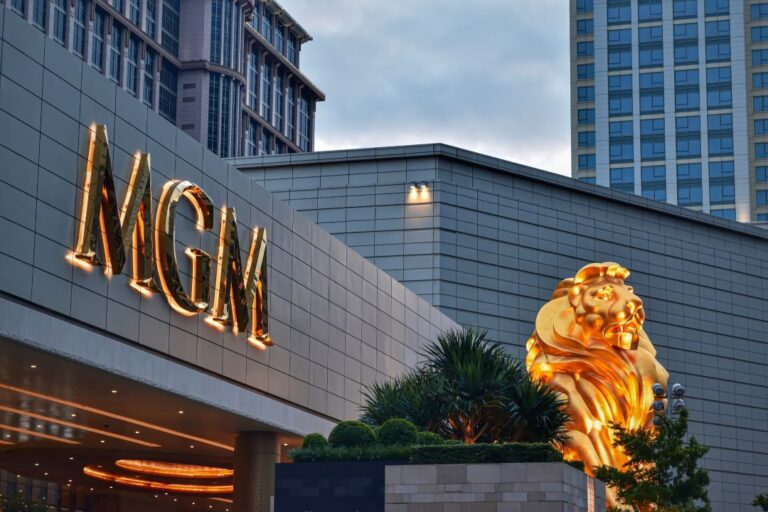
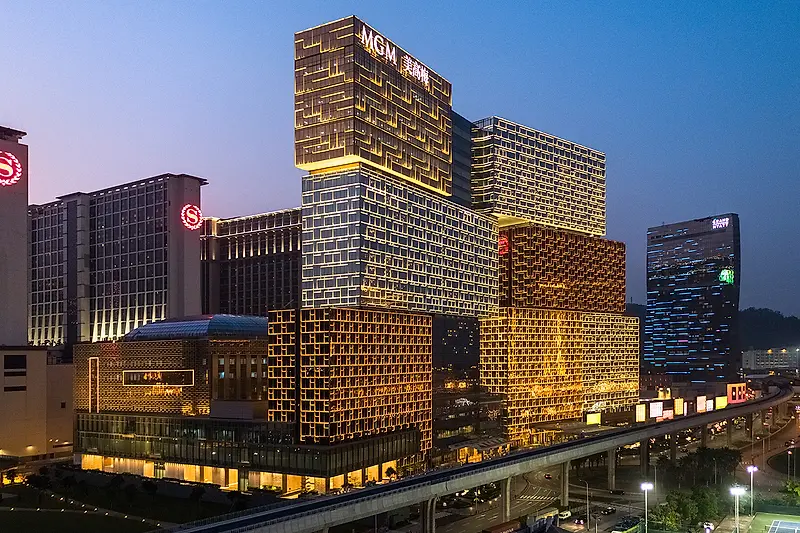
Macau gaming operator MGM China has reported an ‘all-time record segment adjusted EBITDAR and market share of 16.6 percent’ in the second quarter of this year.

According to the group’s most recent financial results, released on Thursday, total adjusted EBITDA hit some HK$2.51 billion ($319.77 million), up by 2.78 percent yearly. Revenue, meanwhile, rose by some 8.9 percent yearly, to HK$8.67 billion ($1.1 billion).

This was boosted by strong performance at the group’s Cotai property, which saw revenue rise to HK$5.28 billion ($672.66 million), up by 12.43 percent yearly, helping boost its adjusted EBITDA to HK$1.53 billion ($194.9 million), a rise of 5.25 percent yearly.

Looking to its peninsula property – MGM Macau, results were not as heady, with revenue rising by just 3.78 percent yearly, as EBITDA fell by nearly a percentage point year-on-year to HK$975.66 million ($124.3 million).

This came in part from a massive shrink in VIP table games turnover, which dropped to HK$5.39 billion ($686.7 million) during the quarter, from HK$8.31 billion ($1.06 billion) in 2Q24. Main floor drop at the property remained solid, however, totaling HK$14.93 billion ($1.9 billion), up from HK$14.33 billion ($1.83 billion) in the same quarter of last year.

The slot machine handle for the property was largely unchanged year-on-year, topping out at HK$7.37 billion ($938.9 million).

Looking to Cotai, main floor table games drop at MGM Cotai was up by some 8.97 percent, topping out at HK$17.05 billion ($2.17 billion), while VIP table games turnover saw a stark increase of 38.56 percent yearly, hitting nearly HK$32.73 billion ($4.17 billion).

Slots at the property also saw a strong quarter, reaching HK$8.08 billion ($1.03 billion) in revenue, up by some 20.4 percent yearly.

Looking at the two properties, the Macau peninsula saw hotel occupancy of some 94.9 percent, while that in Cotai reached just 94.4 percent.

Currently MGM China operates 415 tables and 989 slot machines in Cotai, with 335 tables and 985 slot machines in its Macau property.

The group notes that the results were ‘driven by an increase in main floor table games drop compared to the prior year quarter as well as a rise in VIP table games win percentage’.

MGM China’s casino revenue increased by some 10 percent yearly during 2Q25, hitting HK$977 million ($124.47 million).

Fitch revises Universal Entertainment to negative on integrated resort concerns

Fitch Ratings has revised its outlook on Japan-based Universal Entertainment Corporation to Negative from Stable, while affirming its ‘B-‘ rating. The move reflects unexpectedly weak financial results and a lack of a clear recovery path for the company’s integrated resort operations in the Philippines.

The rating specifically refers to the company’s Long-Term Foreign-Currency Issuer Default Rating (IDR), which assesses an entity’s creditworthiness in meeting long-term financial obligations.

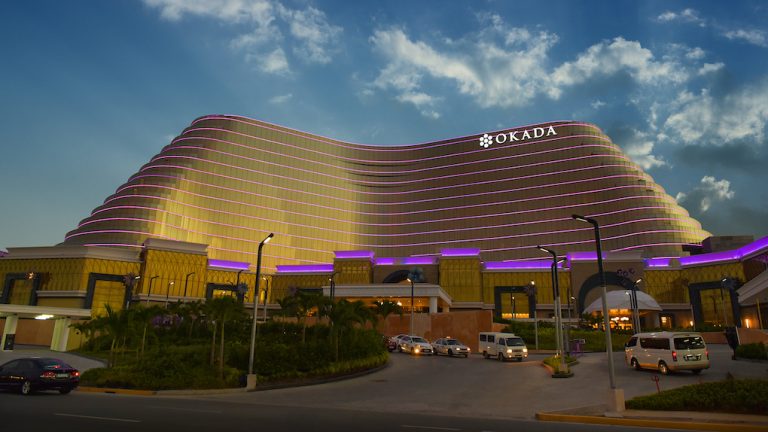
In a report on July 28th, 2025, Fitch stated it had lowered its financial forecast for Universal Entertainment’s integrated resort business after reviewing the company’s first-quarter 2025 performance. Its flagship property, Okada Manila in the Philippine capital, has struggled with sluggish casino visitation, with both the VIP and mass-market segments showing signs of stagnation.

The agency expects lower EBITDAR, higher adjusted leverage, and weakened coverage metrics to place continued pressure on the company’s credit profile.

These challenges emerge despite robust growth in the Philippine gaming industry during the first half of 2025. According to the Philippine Amusement and Gaming Corporation (PAGCOR), gross gaming revenues reached PHP214.75 billion ($3.76 billion), up 26 percent from the same period last year. Of this, licensed casinos—including integrated resorts and land-based venues—contributed PHP93.36 billion ($1.63 billion), representing 43.47 percent of total industry revenues. However, the segment has shown signs of softening.

The traditional casino sector is under increasing pressure as online gambling revenues outpace brick-and-mortar operations, signaling a broader industry shift. In addition, growing local competition has posed further challenges for Universal Entertainment’s integrated resort segment, which accounts for more than half of the group’s EBITDA. According to Fitch, this high concentration increases the company’s exposure to single-asset and market-specific risks.

Universal Entertainment Corp

Meanwhile, the company’s amusement equipment business in Japan continues to generate steady earnings but faces its own headwinds. Unit sales declined sharply to 92,150 in 2024 from 180,632 the previous year, due in part to certification delays for new products. The segment is also grappling with a long-term structural decline, as Japan’s aging population shrinks the player base for pachinko and pachislot machines.

Universal Entertainment reported 2024 revenue of JPY126 billion ($839 million), significantly below that of larger gaming peers. Its financial profile has weakened, marked by higher adjusted leverage and lower coverage ratios, although partially offset by cost control efforts and restrained capital expenditures.

Despite these headwinds, Fitch noted that Universal Entertainment retains near-term financial flexibility, with no significant refinancing needs until August 2029. This follows the successful refinancing of $800 million in debt that matured in December 2024.

In the coming period, Fitch expects a modest recovery in the amusement equipment division as the company accelerates new product launches. However, structural challenges in Japan’s domestic gaming market continue to pose long-term risks.

Fitch also warned that any renewed appetite for acquisitions financed through debt or cash reserves would further strain Universal Entertainment’s financial profile. The agency expects the company to align shareholder returns with business performance while maintaining positive, albeit lower, levels of free cash flow.

PAGCOR reports 14% revenue growth in 1H25, driven by gaming operations and license fees

The Philippine Amusement and Gaming Corporation (PAGCOR) posted a 14 percent year-on-year increase in revenue for the first half of 2025, reaching PHP59 billion ($1.03 billion), according to a press release issued by the agency.

The growth was primarily fueled by income from gaming operations and license fee collections, which together accounted for PHP53.4 billion ($932 million), or nearly 91 percent of total revenue. The remaining PHP5.7 billion ($99.8 million) came from other related services and non-gaming income.

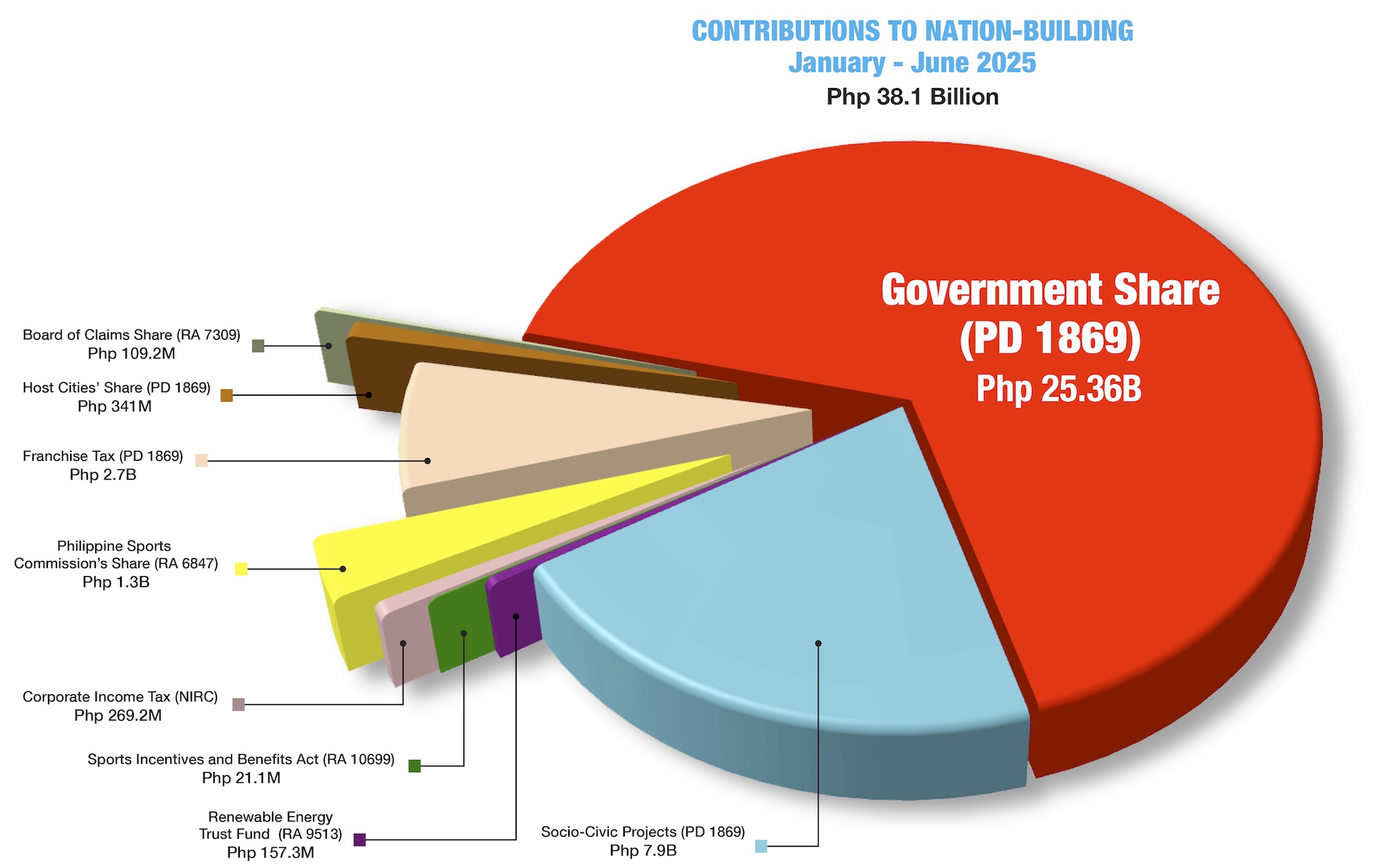
The rise in revenues coincided with PHP214.8 billion ($3.76 billion) in gross gaming revenues (GGR) across the country during the same period. This robust level of gaming activity enabled PAGCOR to raise its contributions to nation-building initiatives to PHP38.1 billion ($667 million), a 20 percent increase from PHP31.8 billion ($557 million) in the first half of 2024.

pagcor

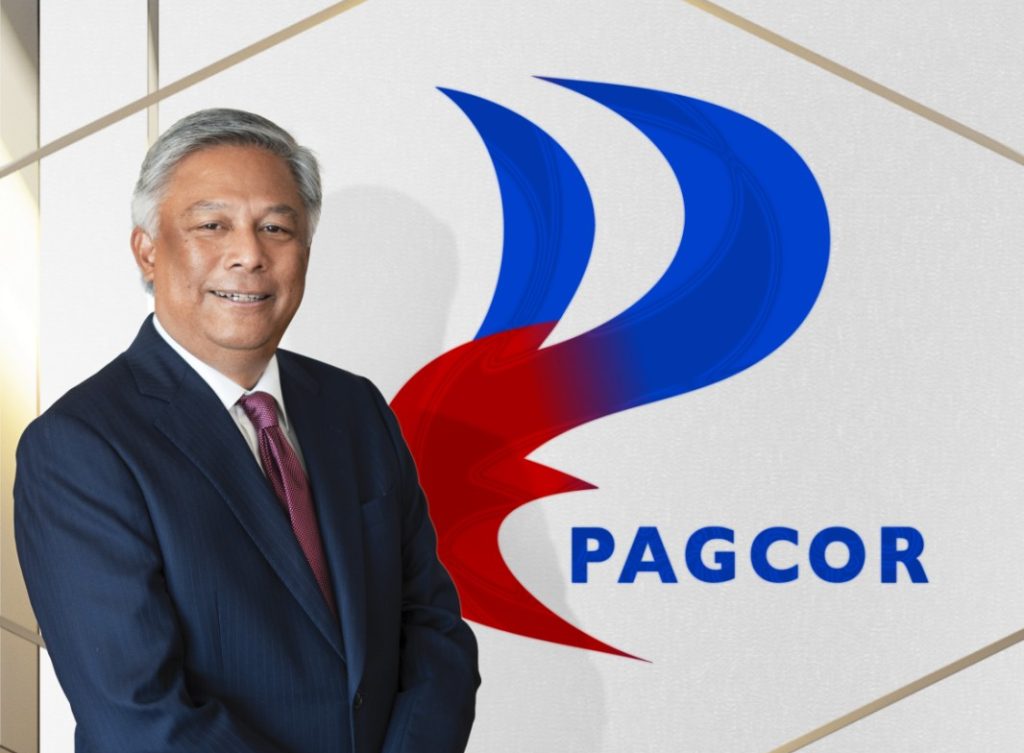
PAGCOR Chairman and CEO Alejandro H. Tengco noted that PHP25.36 billion ($444 million) of the contribution was remitted to the National Treasury as the mandated government share. Of this amount, PHP12.7 billion ($223 million) was allocated to the Philippine Health Insurance Corporation (PhilHealth), in accordance with the Universal Healthcare Law, while PHP30 million ($525,000) was remitted to the Dangerous Drugs Board.

Alejandro H. Tengco, Chairman PAGCOR, Philippines
PAGCOR Chairman & CEO Alejandro H. Tengco

“If the current pace continues, our UHC contribution could reach PHP25 billion ($438 million) by yearend—enough to provide PHP10,000 ($175) worth of healthcare assistance to over 2.5 million Filipinos,” Tengco said.

PAGCOR also remitted PHP2.7 billion ($47 million) in franchise taxes to the Bureau of Internal Revenue and directed PHP7.9 billion ($138 million) to socio-civic programs, including the President’s Social Fund. The Philippine Sports Commission received PHP1.3 billion ($23 million) in revenue share.

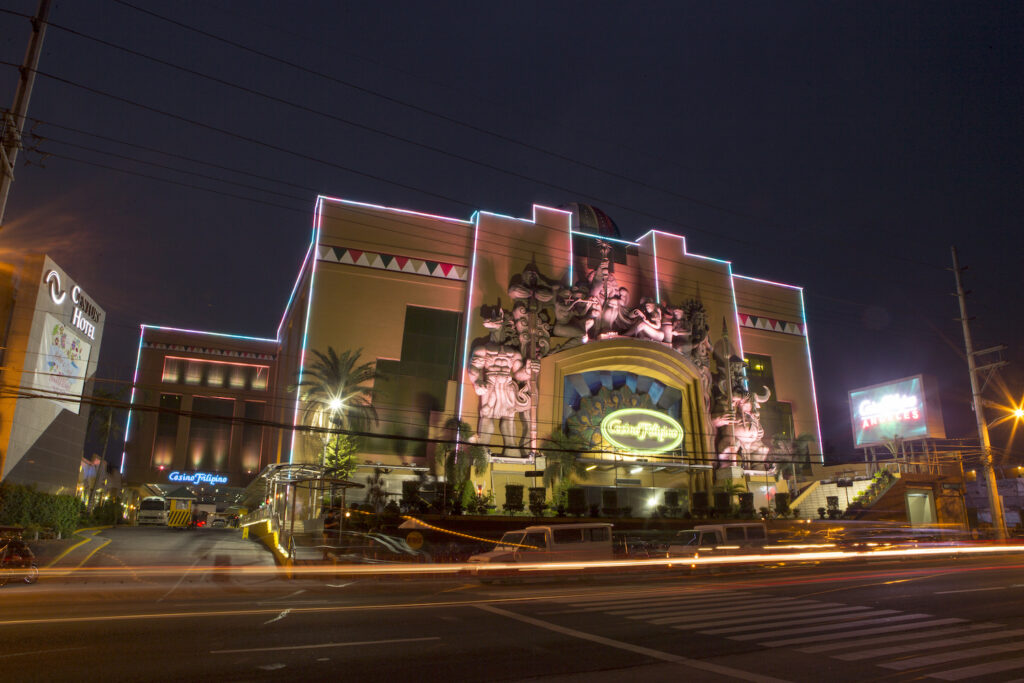
PAGCOR, Casino Filipino
Casino Filipino

Other disbursements included PHP341 million ($6 million) to local government units hosting Casino Filipino branches, PHP269.2 million ($4.7 million) in corporate income tax, PHP157.35 million ($2.75 million) to the Renewable Energy Trust Fund, and PHP109.2 million ($1.91 million) to the Board of Claims.

Meanwhile, PAGCOR’s net income rose sharply by 64.3 percent to PHP10.8 billion ($189 million), compared to PHP6.6 billion ($116 million) during the same period in 2024.

“Our first-half performance reaffirms PAGCOR’s role as a vital government partner,” Tengco stated. “We remain focused on continuously strengthening our regulatory framework to ensure that revenues from regulated gaming will continue to benefit the public good.”

Australia’s Betr ups bid for PointsBet, trumping MIXI’s cash offer

Australian wagering firm Betr Entertainment said it will increase its all-scrip takeover offer for PointsBet, raising the pressure on rival suitor MIXI with a deal it claims offers greater value to shareholders.

Betr is now offering 4.219 of its own shares for every one fully paid ordinary share in PointsBet it does not already own. Based on recent Betr share prices, the revised proposal values PointsBet at approximately AU$1.35 ($0.84) per share — above MIXI’s all-cash offer of AU$1.20 ($0.75).

The company said the AU$1.35 ($0.84) valuation is based on Betr’s capital raising price of AU$0.32 ($0.20) per share, as well as the most recent closing price of AU$0.321 ($0.20). Based on the two-day volume-weighted average price of AU$0.31 ($0.20), the implied value is slightly lower at AU$1.33 ($0.82) per PointsBet share.

Betr said it intends to formally increase its offer on or immediately after the official opening of the bid.

‘This is a superior offer for PointsBet shareholders, who would benefit from being part of a stronger, combined business’, the company said in a statement. ‘We remain confident in the strategic rationale of the merger, which will unlock material value and support profitable growth in the Australian wagering market.’

Betr urged PointsBet shareholders to take no action until both offers are open and signaled it expects the PointsBet board to reconsider its support for the MIXI bid.

PointsBet’s board had previously recommended rejecting Betr’s proposal, urging shareholders to accept the open all-cash offer of AU$1.20 ($0.79) per share from MIXI Australia. Betr now hopes the improved terms may prompt a change in stance.

The Star flags ongoing losses, warns of potential collapse in Queen’s Wharf exit

0

The Star Entertainment Group has reported another quarter of mounting losses, while warning that its proposed exit from Brisbane’s Queen’s Wharf project is unlikely to proceed as planned, further clouding the company’s financial outlook.

In a quarterly update released Wednesday to the Australian Securities Exchange, the embattled casino operator posted revenue of AU$270 million ($182 million) for the three months ended June 30th, broadly unchanged from the previous quarter. The group recorded an EBITDA loss of AU$27 million ($18.2 million), deepening from the AU$24 million ($16.2 million) loss reported in the March quarter and reversing a profit of AU$23 million ($15.5 million) in the same period last year.

The Star attributed the losses to a persistently difficult operating environment, including the full implementation of mandatory carded play and cash transaction limits in New South Wales, as well as increased regulatory scrutiny across all its casino properties.

The group’s flagship Sydney property remains under a suspended license, with a suitability submission due to the New South Wales regulator by August 31st. In Queensland, both The Star Gold Coast and The Star Brisbane remain under special oversight arrangements until at least the end of September.

The Star Brisbane' Queen's Wharf Brisbane, The Star Entertainment Group

Meanwhile, efforts to exit its 50 percent stake in the Destination Brisbane Consortium (DBC)—the entity developing Queen’s Wharf Brisbane—have hit a setback. While The Star signed a heads of agreement in March with joint venture partners Chow Tai Fook Enterprises and Far East Consortium, it now warns that final agreements are unlikely to be reached by the July 31st deadline.

If the deal falls through, The Star will be required to repay AU$10 million ($6.7 million) by August 6th and reimburse an estimated AU$26.5 million ($17.8 million) to its partners by September 5th, representing its share of capital contributions made since March.

Despite holding AU$234 million ($158 million) in available cash as of June 30th, The Star’s liquidity position remains constrained. The group is relying on a AU$300 million ($202 million) strategic investment package from Bally’s Corporation and its largest shareholder, Investment Holdings. Some AU$233 million ($157 million) of the total has been received, with the remaining AU$67 million ($45 million) contingent on receiving regulatory approvals.

Revenue performance across The Star’s core properties weakened further. The Star Sydney recorded flat revenue at AU$162 million ($109 million) but saw its EBITDA loss widen to AU$14 million ($9.4 million). The Star Gold Coast posted revenue of AU$96 million ($64.4 million) and a modest EBITDA of AU$2 million ($1.3 million). The Star Brisbane, which is still in its ramp-up phase, brought in AU$8 million ($5.4 million) in operator fees, but recorded an EBITDA loss of AU$15 million ($10.1 million).

Operating expenses rose slightly to AU$232 million ($156 million), despite The Star having achieved AU$100 million ($67.1 million) in annualized corporate cost reductions over the financial year.

Evolution & PokerStars renew partnership across North America

Evolution and PokerStars have announced a renewed agreement for North America, under which Evolution will become the exclusive Live Casino provider for PokerStars in the United States.

PokerStars operates one of the world’s most popular online poker and casino brands and is part of Flutter Entertainment.

As part of the partnership, PokerStars players in New Jersey, Michigan, Pennsylvania, and Ontario will have access to Evolution’s full portfolio of industry-leading live dealer casino games and game shows.

This includes player favourites such as Crazy Time, Lightning Roulette, and Craps, as well as a wide variety of Blackjack, Roulette, and Baccarat games. More exciting live casino content will be made available to PokerStars players soon.

Marcus Huber, Chief Commercial Officer North America at Evolution, said: “We are delighted to be continuing our long-standing partnership with PokerStars. This agreement is a testament to the strength of our relationship and our shared commitment to delivering the very best Live Casino experience to players across the U.S.”

BETBY reports strong 1H25 growth across sportsbook and proprietary games suite

BETBY, a leading sportsbook supplier, has unveiled its H1 2025 performance results, highlighting solid growth across key verticals, including its proprietary esports feed, BETBY.Games.

These results highlight the provider’s product strength and growing global presence through both new and existing partnerships.

During the first half of the year, BETBY’s sportsbook delivered a strong performance, with gross gaming revenue increasing by 472% compared to H1 2024. The number of active players across its partner network rose by 211%, reflecting the growing appeal of BETBY’s comprehensive sportsbook solution. Total bets placed also climbed by 277%, marking another period of high engagement across the platform.

Betby.Games, the supplier’s proprietary esports feed, also made a significant contribution to the company’s overall growth. The vertical achieved a 153% year-on-year increase in gaming revenue and a near 57% rise in bets placed during the period. As a result, Betby.Games accounted for 14% of the company’s total GGR for H1 2025.

Commenting on the 1H25 figures, Leonid Pertsovskiy, Chief Executive Officer at BETBY, said: “H1 has been another important step forward for us, with meaningful growth in both our sportsbook and esports verticals. We continue to innovate, scale, and support our partners’ ambitions by delivering products that perform and also demonstrating the strength and potential of Betby.Games platform. As we look ahead, we remain focused on accelerating growth across all areas.”

iGP adds 200+ games from BGaming portfolio to expand its iGaming Deck

iGP, the full-service iGaming platform and aggregator provider, has added BGaming to its expanding content aggregator, iGaming Deck, in a move that supports its commitment to scalable, player-focused content delivery.

The partnership brings BGaming’s creative portfolio of over 200 games to iGaming Deck’s rapidly growing content suite, which now offers operators access to more than 10,000 titles from 100+ providers via a single API integration.

Known for its engaging game mechanics, crypto-friendly features, and bold design style, BGaming’s catalogue includes slots, crash, casual games, and more, enhancing the depth and diversity of iGaming Deck’s already comprehensive offering.

The partnership reflects iGP’s continued investment in delivering value to operators through smart aggregation, as it scales iGaming Deck with quality content and tools that support sustainable growth across markets, such as iGP’s fortune wheel builder, Twist of Luck, and jackpot offering designed to help operators drive deeper player interaction and elevate campaigns.

Jovana Popovic Canaki, CEO at iGP, said: “We are building iGaming Deck to be the most efficient and impactful aggregator solution in the market, and BGaming is a fantastic fit for that vision. Their crypto expertise, proven performance, and distinctive game style align perfectly with the demands of forward-thinking operators.”

Olga Levshina, Chief Commercial Officer at BGaming, added: “Joining the iGaming Deck platform is a great opportunity for BGaming to expand our reach and bring our games to a wider network of operators. iGP’s integration model is fast and reliable, and we’re confident this partnership will deliver strong results for both teams.”

Genius Sports & PMG partner to unlock next-gen sports ad solutions via FANHUB platform

Genius Sports has announced a strategic partnership with PMG, the leading independent agency that represents brands including Nike, TurboTax, Best Western, and Beats by Dre, in a commitment to drive innovation at the intersection of sports, media, and technology.

According to the agreement, PMG will become a founding agency partner of FANHub, Genius Sports’ premier fan activation platform.

PMG

PMG will explore new ways brands can leverage next-generation sports advertising technologies. The multi-year partnership will focus on innovative brands within PMG’s portfolio that are looking to reach passionate and loyal sports audiences.

The partnership will also see Genius Sports help enrich Alli, PMG’s proprietary AI-driven marketing operating system. Alli helps brands understand what’s happening at the moment of culture by monitoring real-time signals, anticipating trends, and activating media in the context of live cultural and sports moments. This capability will help ensure that PMG’s clients are connecting with fans in the most relevant and resonant ways possible.

“This partnership represents PMG’s continued commitment to helping brands tap into the cultural power of live sports,” said Carly Carson, Head of Integrated Media at PMG. “By partnering with Genius Sports and their FANHub platform, we’re building on our track record of helping brands insert themselves authentically into cultural conversations. PMG’s clients will be at the forefront of sports innovation, with access to technologies and formats that will define the future of fan engagement.”

The collaboration will focus on three key areas:

  • Next-Generation Ad Formats. PMG will pilot innovative advertising solutions including immersive experiences such as Augmented Ads and contextual sports placements that integrate within live game content.
  • Measurement Innovation.The partnership will create comprehensive measurement frameworks to demonstrate media and business outcomes for sports, addressing a critical industry need for accountability in sports advertising investments.
  • Early Access to Emerging Technologies. PMG clients will gain early access to FANHub’s latest innovations and platform capabilities, ensuring they remain ahead of industry trends.

“PMG’s investment reflects the growing recognition that sports advertising requires specialized technology and expertise,” added Josh Linforth, Chief Revenue Officer at Genius Sports. “Their commitment to innovation and their roster of world-class brands make them an ideal partner as we continue to push the boundaries of what’s possible in sports fan engagement.”