As Portugal opens a high-stakes public tender for new casino concessions across three key regions, gaming law expert Óscar Madureira has warned that the process risks falling short of modern international standards if it fails to embrace a broader, tourism-driven vision for the industry.
The tender, launched by Turismo de Portugal and published in the Official Journal of the European Union, covers five licenses across Espinho, Póvoa de Varzim and the Algarve, with applications due by September 5th, 2025.
The 15-year concessions, worth millions of euros, are being closely watched by incumbent operators and potential newcomers—though observers say structural flaws could stifle competition.
The government explained that each license will be awarded to the highest bid based on a weighted multi-factor model, of which 35 percent will be weighted to the amount proposed as an annual fixed fee, 50 percent to the percentage of GGR proposed as a variable fee, and 15 percent to the amount proposed as a minimum variable fee.
The tender process, made public last week, includes five casino licenses—one each for Espinho and Póvoa de Varzim, and three for the Algarve region: Vilamoura, Portimão, and Monte Gordo. The new contracts will span 15 years, with applications due by September 5th, 2025, and are set to replace concessions originally due to expire in 2023 but extended due to COVID-19-related losses.
The Algarve tender, formally launched on Thursday, involves granting the exclusive right to operate games of chance in the region, currently held by Solverde. The competition was authorized by the Minister of Economy and Territorial Cohesion through a dispatch dated June 23rd.

According to the procedures published in the Official Journal of the European Union, the award will be based on the most economically advantageous proposal, assessed through a multi-factor format. The evaluation includes:
- A fixed annual contribution of no less than 1.5 million euros ($1.7 million), with minimum bid increments of 100,000 euros ($115,545);
- A variable contribution based on 30–35 percent of gross gaming revenue, with 0.5 percentage point increments;
- A minimum annual contribution between 9 million euros ($10.3 million) and 11 million euros ($12.6 million).
The tender will be overseen by a five-member jury—three full members and two alternates—appointed by the national gaming commission.
Among the expected bidders is Estoril Sol, chaired by Macau gaming magnate Pansy Ho, which currently operates the Póvoa de Varzim casino. The company’s local subsidiary has posted strong financial results, strengthening its position in the race for renewal.
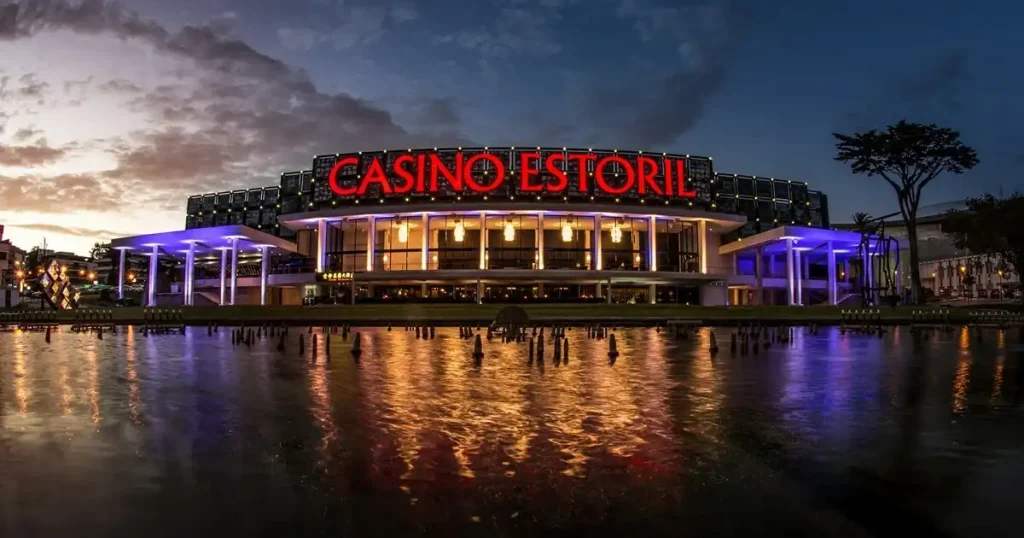
The Ho family’s casino interests in Portugal also include Casino de Lisboa in Lisbon and Casino do Estoril in Cascais.
Pansy Ho, daughter of the late Stanley Ho, serves as chairman of Estoril Sol and co-chairman of MGM China, among other gaming ventures.

But for the former Lektou Portugal partner, the real question is not who wins the bid, but how the competition is designed to serve Portugal’s changing economic landscape.
“The main concerns should be discussing what a competition like this means in the 21st century”, said Madureira in an interview with AGB. “What should be demanded in this specific context? These are, in my opinion, more tangible, more concrete issues.”
The lawyer – now CLO of iGaming B2B platform Oddsgate – argues that the discussion should extend beyond legal compliance or which state entity manages the process.
“Whether the competition (tender) should have been organized by the Institute, by Turismo de Portugal, or by any other entity—the Portuguese State, for instance—is somewhat irrelevant. The State is the State, isn’t it?”
Portugal’s tender process, he says, remains rooted in outdated assumptions about the casino business, which in the modern era plays a far more integrated role in tourism ecosystems.
Portugal’s tourism sector experienced a record-breaking year in 2024, with significant increases in both international and domestic visitors, with a total of 30 million inbound tourists reported. Lisbon, Porto, the Algarve, and the Azores were among the most popular destinations for both international and domestic tourists.
Drawing comparisons with jurisdictions such as Macau, Singapore, Las Vegas, and Japan, Madureira pointed to international models where gaming forms part of a broader hospitality, entertainment, and urban development strategy.
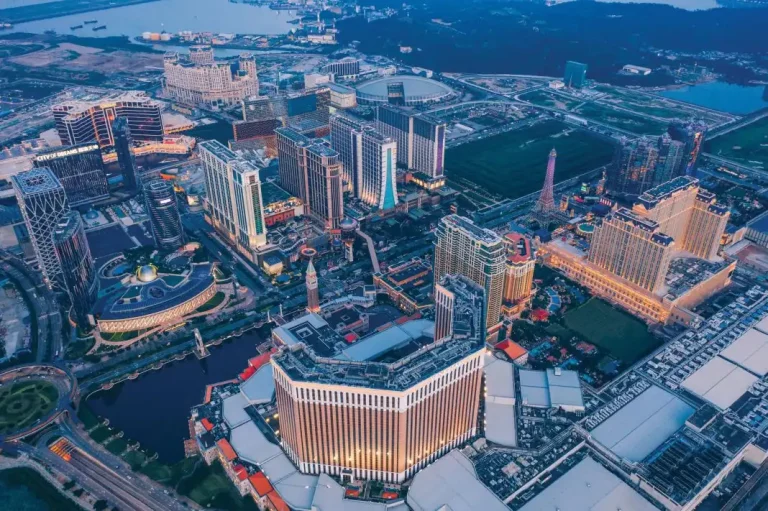
“In Macau, for instance, gaming is tied to tourism but also integrates into a wider urban and operational context. You have hotels, restaurants, shows, events—products that are mostly non-gaming”, he explained. “And in countries where tourism is a key economic driver, as it is in Portugal, that can be very interesting. Because a casino isn’t just a casino.”
Barriers to competition

According to Madureira, Portugal’s current legal framework does not reflect this evolution.
While the tender document aligns with European public procurement laws and includes references to responsible gaming and facility upgrades, it falls short of mandating value-creating components such as hotel infrastructure or entertainment venues.
“It’s excessive and misaligned with what I’d say are the needs of a country like Portugal in 2025”, he said. “The tender should also set targets for creating hotel units linked to casinos. This isn’t something we’re inventing—it’s a model that already exists.”
The gaming law expert warned that without these broader conditions, physical casinos risk becoming obsolete.
“In 2025, for those who love pure, hardcore gambling, there are other, much more competitive options like online gaming. So, this tender for physical casinos should focus on creating support infrastructures—experiences that go beyond gaming tables or slot machines.”
As of March 2025, Portugal’s online gambling market features 30 licensed operators, with 13 offering sports betting and 17 providing online casino games, generating some 284.7 million euros ($329 million) and contributing 82.7 million euros ($95.5 million) in tax revenue.
There are also questions around whether the tender process is sufficiently open to newcomers. Madureira cited the previous Lisbon concession process—also won by Estoril Sol—as an example of how rigid requirements and short preparation windows can deter international contenders.
“The way the tender was organized ended up severely limiting competitor options…The incumbent is much more favored—they’re already operating, they have the machinery in place, and they know the terrain.”
This has raised concerns that despite being framed as a competitive public tender, the process may end up simply renewing existing contracts.
Political shadows
Adding further complexity is the political turmoil triggered by Prime Minister Luís Montenegro’s resignation earlier this year amid a conflict of interest scandal.
Montenegro’s former consultancy firm, Spinumviva, was found to have maintained ties with casino operator Solverde—the current concessionaire for the Algarve region—even after he took office.
He has regained his office as PM in a snap election in May, but speculation persists over whether political fallout and concerns over conflict of interest could complicate the renewals.
Madureira, however, dismissed these concerns. “There was a lot of misinformation”, he said. “The Portuguese State, through the previous government, even appealed an unfavorable decision. I don’t see this as a problem.”
“Of course, it’s an unfortunate episode, something that probably shouldn’t have happened. But to suggest there’s some kind of favoritism toward this concessionaire? I don’t think that’s the case.”
Call for reform
Ultimately, Madureira believes Portugal needs more than a basic update to its gaming legislation—it needs a wholesale rethink of what casino concessions should deliver in a post-pandemic, tourism-driven economy.
“In my opinion, they’re all poorly designed—misaligned with today’s reality,” he said. “A casino today should be part of a diversified operation. Hotels, restaurants, arenas, shows, conferences—these often represent a larger share of revenue than gaming itself.”
Whether Portugal’s latest tender round will reflect that shift remains to be seen. But for now, Madureira warns, the country risks being left behind.
“The world has moved on. A casino can no longer just be a building with tables. It has to be a destination.”
This is exactly the idea embraced by gaming operators throughout Asia, who have shifted beyond the casino floor to an integrated resort model which favors non-gaming as a key driver in future development.