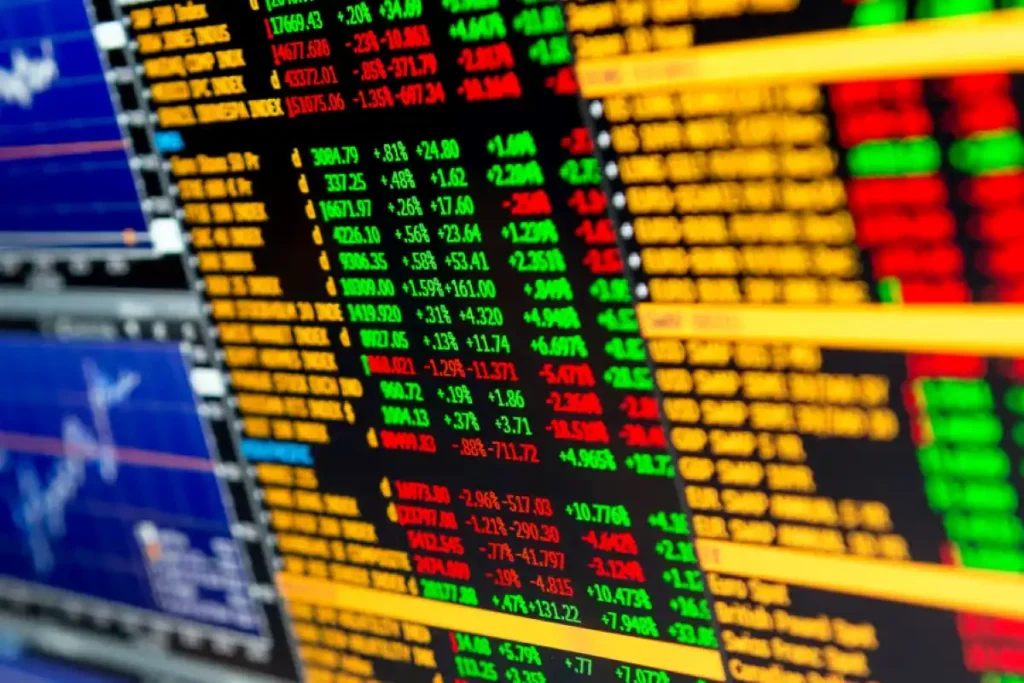
Despite a boom in Macau’s gross gaming revenue in 2025, and a strong start to this year, a top asset manager argues that Chinese consumer sentiment “is still very low”, with record levels of savings amongst controlled stock market investment.
In recent months, analysts and economists have tied the significant boom in China’s stock market to improved gross gaming revenue at Macau’s casinos (especially in premium play), making the logical assumption that more wealth creation is leading to more discretionary spending.

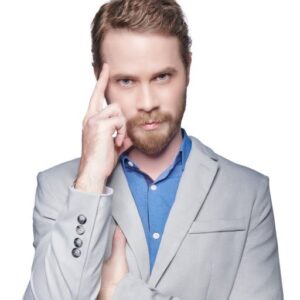
But despite the “improving” inflows to the stock market, Jean-Marie Mercadal – CEO of Hong Kong-based Syncicap Asset Management – indicates that “people in China have been putting too much money aside”, noting that the “record level” of savings is “equivalent to 120 percent of GDP”.
Mercadal opines that consumer “confidence is still very low” and that “it can remain low as long as there is no recovery in the real estate market”. China’s leadership’s hard stance on ratios between debt, cash, assets and equity outlined in 2020 finally popped the real estate bubble, with giants such as the Evergrand group collapsing and real estate prices dropping “maybe 20-30 percent for the last four years”.
And this is having a lasting effect: China set its lowest economic growth target in decades just last week, estimating GDP growth of 4.5-5 percent for this year. Hoping for more domestic spending and controlled government spending, China is also moderating the booming stock market – in January announcing it was cracking down on excessive speculation and increasing borrowing margin requirements, while aiming to maintain its budget deficit at 4 percent of GDP for FY26 (roughly the same as last year).
“Slow bull market” and improving consumer sentiment
Amongst this environment, Mercadal indicates that, while the stock market inflows are improving in China, “the government wants a kind of slow bull market. They don’t want people to be overinvesting and creating a bubble like in 2015”.
That being said, investing in stocks is not at all shunned, it’s merely intense speculation that is being curbed, with stock investments being “a new trend, more for the longer-term view”.
The asset manager says this measured approach is good: when “the stock market is good, confidence will be better […] everything is in the right position for the stock market to improve”. And Chinese equities are currently pretty “cheap”, with Mercadal indicating a price-to-earnings ratio (P/E multiple) of around 12.5, increasing international and domestic investment interest.
From trading floor to casino floor
Tapping the wealth that is generated is now a top priority for Macau’s gaming operators, who are investing heavily to boost their marketing, as operators fight to hold on to their market share. Melco, in its February results, recognized the significant competition it’s facing for that share, with President Evan Winkler even noting that “I do not see anything that will bring us down in the near term, but I also do not see anything that will ratchet it up”, aiming to just keep spending “stable”.

That contrasts highly with operators like Galaxy, who recently officially opened their Capella ‘ultra-luxury’ hotel aimed at the “top percentile of VIP guests”. For reference, the most expensive suites aren’t even available for casual big-spenders, being reserved for clients who book for anywhere from a few days to up to months at a time – at a six-figure daily price tag (in HKD).
“The super premium mass is the focus,” Galaxy Chairman Francis Lui said in the group’s recent results media briefing. And the rooms, amenities, Horizon premium gaming room located just down the hall from top suites, and comped entertainment are aimed perfectly to capture high-demanding ultra-luxury seekers who want the whole package, including the gaming floor.
Currency
Speaking of the gaming floor, the currency for Macau’s casinos (and the currency operators publish their results in) is the Hong Kong Dollar (HKD), and (absent any massive policy change, which seems very unlikely) will continue to be so for the foreseeable future.
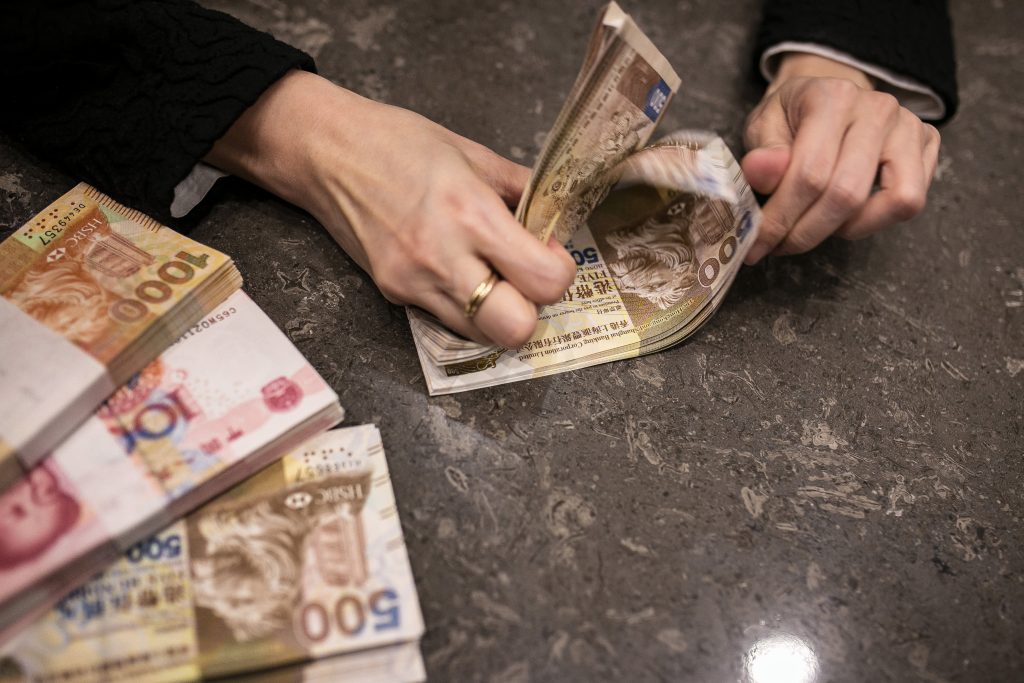
But the HKD is pegged to the US Dollar, which has seen significant devaluation. Morgan Stanley analysts highlighted an 11 percent drop in US dollar value compared to other currencies just in the first half of 2025, with expectations for another 10 percent drop by the end of 2026.
That’s good news for the US government, as the debt that other countries hold in US dollars loses value – something China has been smart in anticipating by slowly shrinking the share of US debt in its reserves in recent years. But could the devaluation prompt a shift in the peg of the HKD to the USD (something that’s been speculated for some time)?
For Mercadal, this possibility is unlikely. While China “wants the Yuan (CNY/RMB) to be used more in overseas countries, especially in emerging countries”, this “doesn’t affect the peg with the Hong Kong Dollar”. The HKD “is the way to access international markets for Chinese corporations. So, as long as it still exists, I think the peg will stay,” notes Mercadal.
And China isn’t interested in increasing the value of its own currency, particularly by selling more US debt – as it would raise prices and stifle its competitiveness – one of the key aspects also propping up the stock market (if shares are more expensive, who’s going to buy them?).
What’s in store?
If Macau’s gaming growth continues, with analysts expecting mid-to-high single-digit growth in GGR this year, much of it will be based on how China works to improve consumer sentiment, how stock markets grow (particularly given the heavy investments in AI-related industries) and whether money goes into circulation rather than going into the bank.
Operators are doing their best to encourage big spenders to enjoy their earnings, by creating a whole package in which the gaming table is only part of the equation. And expectations are for the good times to continue to roll this year, particularly in the first half, with hopes that entertainment boosts any typically slow periods and luxury becomes the expectation.