China has set a gross domestic product (GDP) growth target of 4.5 percent to 5 percent for 2026, the lowest in 35 years, as the world’s second-largest economy grapples with slowing momentum and structural challenges.
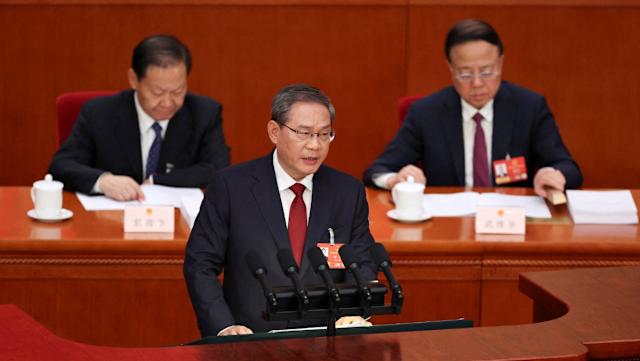
The target was announced by Premier Li Qiang during the opening session of the National People’s Congress in Beijing on Thursday.
Delivering the government’s annual work report, Li acknowledged mounting economic pressures while emphasizing the need to maintain stability. The new target follows last year’s 5 percent growth goal and signals a more cautious outlook as China’s traditional growth model faces limits amid property sector weakness, local government debt pressures and uncertain global demand.
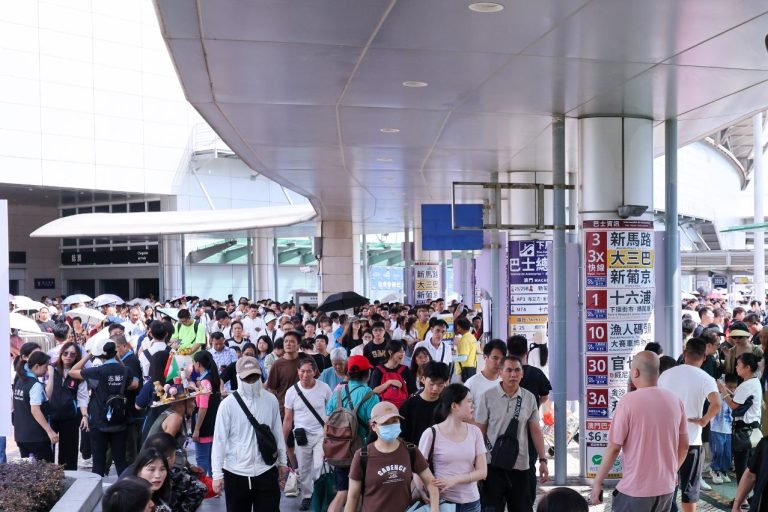
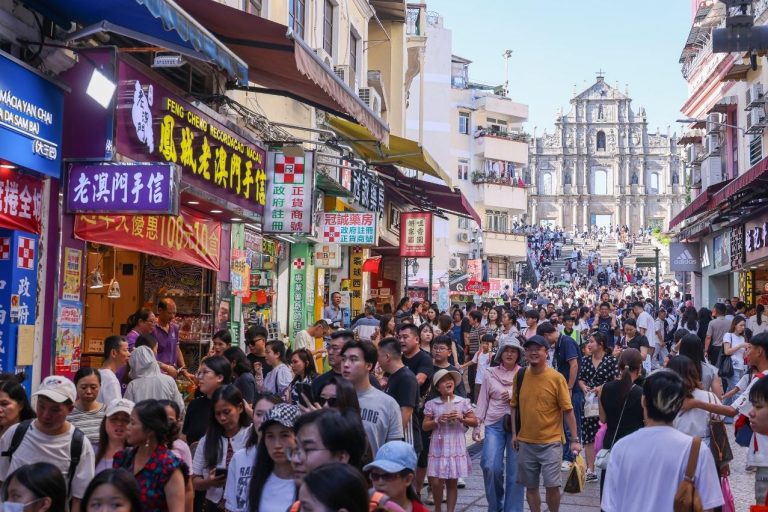
Slower economic expansion could have broader implications for tourism and gaming markets across Asia, particularly those heavily reliant on Chinese visitors. Weaker income growth and cautious consumer sentiment may affect discretionary spending, including travel, luxury consumption and gambling activity.
Jurisdictions such as Macau, the Philippines, Singapore and Cambodia have historically benefited from strong demand from mainland Chinese players, making their gaming revenues closely linked to China’s economic cycle.
In Macau, the outlook for mainland demand comes as Beijing continues urging the city to diversify its economy beyond gaming. During a meeting in Beijing on Wednesday, senior official Xia Baolong called on the Macau government to more actively promote moderate economic diversification, particularly through the development of the Hengqin cooperation zone and new industries aligned with national development priorities.
A recent report by Fitch Ratings also highlights slowing growth expectations across China’s provinces. According to the analysis, more than half of China’s 31 provinces have lowered their economic growth targets for 2026, with 22 provinces setting goals in the 4.5 percent to 5 percent range. The report notes that local fiscal recovery remains gradual, with operating revenues expected to grow modestly while government spending remains tightly controlled.
Guangdong — China’s largest provincial economy and a key source of outbound tourism to Macau — is among the regions maintaining relatively stronger targets despite missing previous growth goals.