

Home Blog Page 371

Daily Asia Gaming eBrief: Nevis: what is the potential for iGaming licensees?

0

Good Morning. Do you like Pina Coladas? The Caribbean paradise of Nevis may be for you. But not just for you, for your iGaming company too. New legislation paves the way for the country to fight with the big dogs to attract licensees, with attractive benefits, but still some small hindrances. Meanwhile, in the world of crypto, the FATF is again on the case, calling for increased regulation as stablecoins boom. And in Macau, the gaming market continues to grow, with a strong June lending hope to ongoing success.

What you need to know


On the radar


AGB Intelligence

Nevis: what is the potential for iGaming licensees?

Why Nevis?

iGaming operators around the world are always searching for the next best jurisdiction, highlighting the region’s reputation, compliance, and taxation rate. The Caribbean island of Nevis is now emerging as a frontrunner for those looking for B2B or B2C operations, having recently launched its iGaming licensing framework. And customers are flocking in. But is it the best choice?


Corporate Spotlight

Why Asia’s iGaming operators must rethink risk strategy | SEON
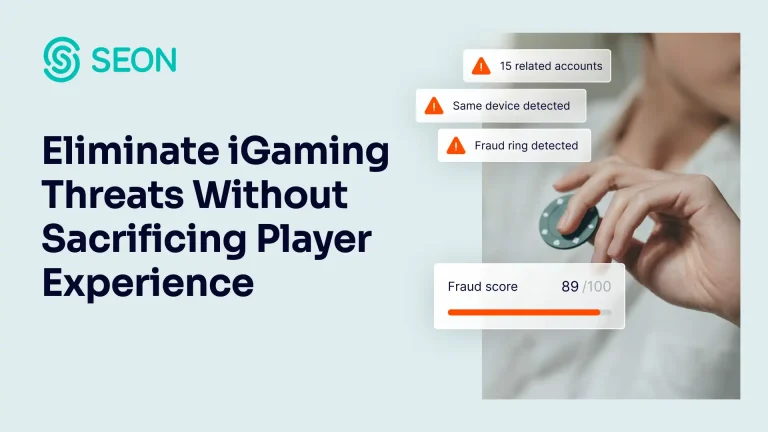
SEON,Winning Trust, Stopping Fraud: Why Asia’s iGaming Operators Must Rethink Risk Strategy

Winning Trust, Stopping Fraud. Asia Pacific’s iGaming market is expanding extremely fast, and a new wave of digital-savvy players is pushing demand through the roof. But the rise in adoption has outpaced regulation in many markets, and fraudsters have taken notice.


Bettorify bridges European operators to Asia’s gaming markets
Beyond Ordinary Platforms: Bettorify bridges European operators to Asia's gaming markets

With over 30% of global gaming revenue projected to come from Asia soon, the window of opportunity is wide open. Bettorify’s white-label and turnkey solutions deliver what most platforms miss: sharp execution backed by real local expertise.


Industry Updates


INTELLIGENCE | ASEAN | CAREERS
Nevis: the next iGaming licensing hub?

At just 93 square kilometers, the island of Nevis is not a particularly imposing jurisdiction, but it has caught the attention of the iGaming world, after launching its new Online Gaming Bill in April of this year. Interest is peaking, but what are its advantages?

For one, what were once seen as industry go-tos have taken a hit recently. Curacao introduced a new Responsible Gaming Policy and operators have to undergo a new approval for their licenses under the new LOK regime.

The Isle of Man has taken a reputational beating and has seen multiple companies choose to switch to new jurisdictions.

Malta, while still highly attractive, is expensive.

And other jurisdictions – such as Vanuatu, Anjouan and Timor-Leste – are not able to provide the same Tier-1 offering that Nevis is promoting, with a special highlight on the fact that it is not on the Financial Action Task Force (FATF) grey list.

What is attractive?

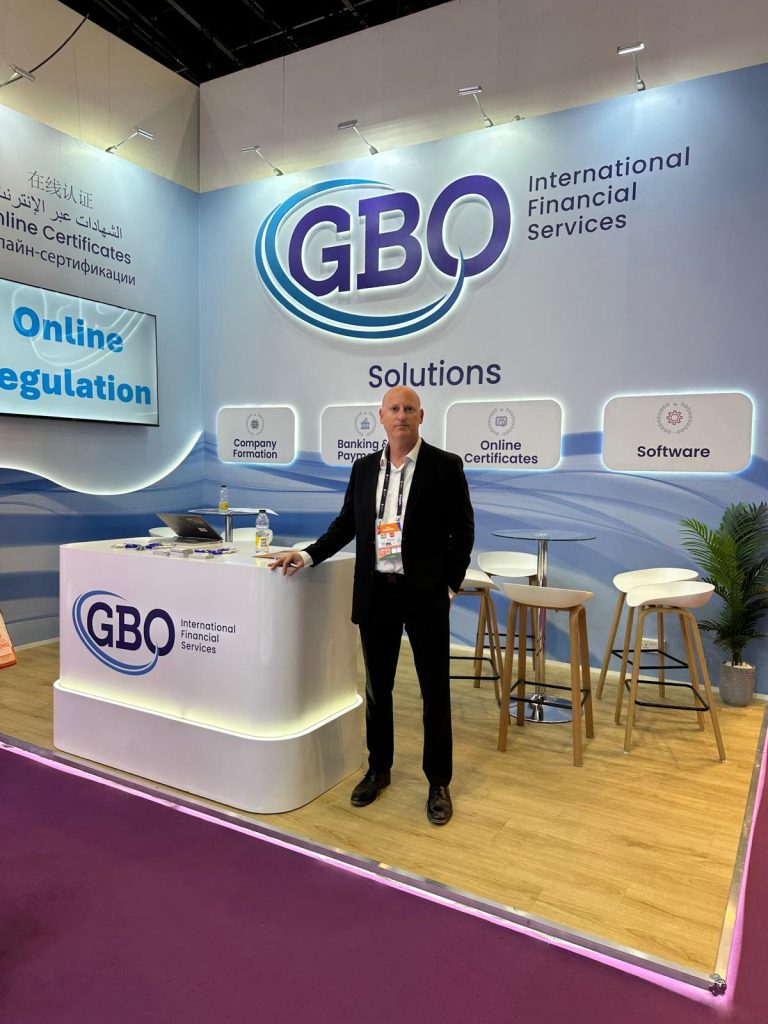
Gilad Oren, GBO
Gilad Oren, CEO of GBO International Financial Services

For Gilad Oren, CEO of GBO International Financial Services, certain elements come to the forefront.

“Nevis stands out because it has no gross gaming revenue (GGR) tax”. Operators pay an annual license fee of EU28,000 ($33,000), “with no extra gaming or corporate taxes for offshore operators. In comparison, Malta charges up to 5 percent on GGR, the Isle of Man applies a sliding GGR tax from 0.1 percent to 1.5 percent, and the new Curacao system includes GGR-based taxes as well”.

Oren indicates that this “makes Nevis a much more cost-effective and predictable option”.

Predictable is good, especially when it comes to timelines for setup.

Nevis is doing much better than Vanuatu. Licenses are being processed within the expected eight to 12 weeks, and the system is running smoothly […] To maintain its position as a Tier 1, golden-standard jurisdiction, Nevis is making sure every step is done right, without cutting corners”.

While Oren opines that Nevis could “become a top gaming hub in the next 1-2 years if it keeps working well and builds trust,” there is still always a period of growing pains. However, “Nevis was well-prepared before the law went live. The licensing process, support systems, and internal structure are all in place and functioning well”. And he assures that “the authority is handling applications and inquiries professionally”.

Interest from Asia

“Asian gaming companies, both B2B providers and operators, are often early adopters of new developments in the industry, including new licensing jurisdictions. This is exactly what we saw with Curacao about 10 years ago and more recently with Anjouan. The same trend is now happening with Nevis,” notes Oren.

This has resulted in “high demand from Asian clients” who want to get in early on a “well-structured and trusted jurisdiction”.

Oren indicates that his recent forays in Asia have shown interest from the company’s established client base in South Korea, Japan, India, and China. But he’s “also seen growing interest from Indonesia and Malaysia.” However, he notes that he has seen “a certain decrease in activity from the Philippines,” even as “interest across the region remains very strong”.

What do companies get?

Nevis is offering licenses for both B2B and B2C companies, with a one-year duration for the overall license. This license is extendable.

Nevis-online-gaming-license

For B2C this covers operators, casinos, sportsbooks, and betting sites. For B2B this encompasses platforms, white-label providers, game studios, software suppliers, and other critical gaming service providers.

Oren indicates that “both B2C and B2B companies are showing a lot of interest”.

“As Nevis gains more recognition in the industry, we’re seeing parallel growth – both types of licenses are being adopted at the same time, each for their specific needs. This balanced interest shows that the jurisdiction is building a solid foundation for all sides of the gaming ecosystem,” indicates the executive.

Interested operators still need to have a locally registered company, have due diligence checks on shareholders, have each of the two initial URLs under the license be owned by the license holder, and submit documentation such as compliance, business plans, responsible gaming policies etc.

The jurisdiction also aims to keep its clean FATF status by excluding operators from providing their product in certain markets, including those blacklisted by the FATF.

Given how recently the legislation was passed, it will be some time to see how quickly iGaming companies gravitate to the new jurisdiction, and if any problems come up that could shunt its growth. However, for now, its outcome appears promising.

Winning Trust, Stopping Fraud: Why Asia’s iGaming Operators Must Rethink Risk Strategy

Asia Pacific’s iGaming market is expanding extremely fast. From the Philippines to New Zealand and across crypto-friendly jurisdictions, mobile-first bettors and a new wave of digital-savvy players are pushing demand through the roof. But the rise in adoption has outpaced regulation in many markets, and fraudsters have taken notice. 


Operators now find themselves trying to balance exponential growth with an escalation in abuse, from bonus farming and identity fraud to account takeovers and money laundering, facing a new class of digital threats that traditional tools were never built to handle. With more platforms offering generous promotions, rapid payouts and seamless onboarding, the same frictionless experiences that appeal to players are acting as magnets for organized fraud networks. So, what does this mean for iGaming operators today

From Cost Center to Growth Driver 

For too long, fraud prevention has been dismissed as a necessary cost of doing business. But now that mindset is changing. Today, forward-thinking operators are treating fraud strategy not as a defensive line item, but as a core growth enabler. 

At SEON, we are seeing this shift firsthand, with partners across APAC embedding fraud insights into every corner of their business — from campaign design and player segmentation to onboarding and payout workflows. The results are compelling: fewer fraud losses, cleaner player funnels, better traffic quality and stronger player retention. 

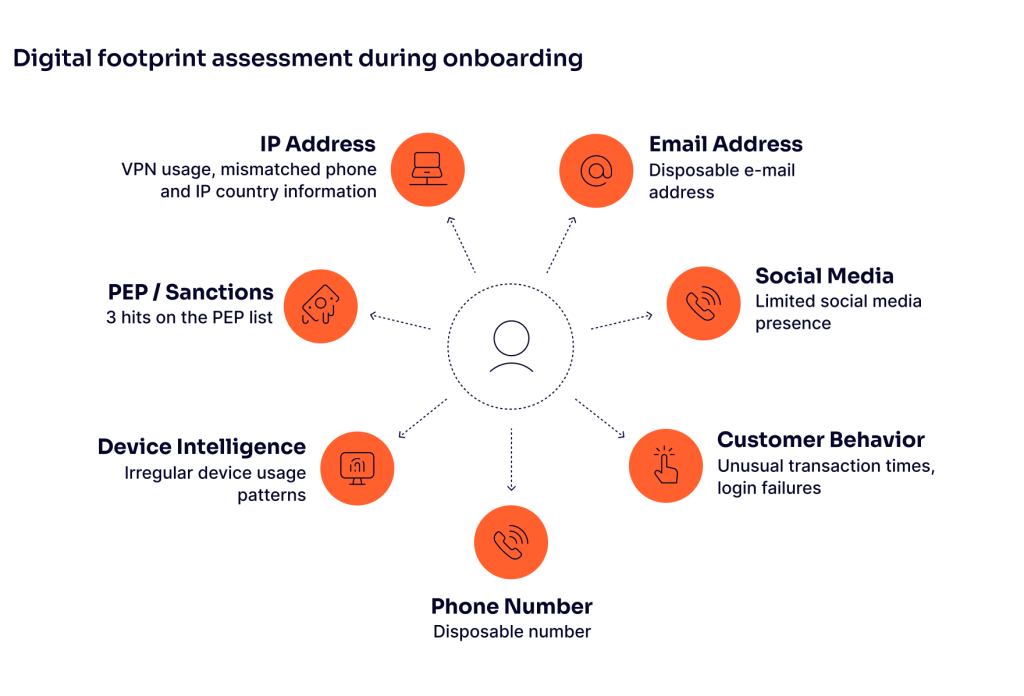
The key to this transformation lies in proactive risk detection — not after KYC, but before. SEON equips operators with real-time insights into user behavior at the point of registration by tapping digital footprint analysis, device intelligence and behavioral analysis to identify anomalies instantly. 

SEON, Igaming-digital footprint analysis

Is the user logging in with a spoofed device? Does the email show any digital history? Are multiple accounts originating from the same browser or IP infrastructure? With SEON, operators can block bonus abusers, gnoming rings and synthetic identities before they reach the wallet. 

Modern fraud isn’t static; it’s adaptive and that’s why protection can’t stop at onboarding. While early detection is critical, it’s only part of the solution. What sets resilient operators apart is their ability to monitor transactions and behaviors across the entire player journey in real time. 

When withdrawals happen seconds after deposits, when betting behavior deviates from historical norms or when the same IP suddenly logs into multiple accounts, we flag it instantly. That’s not just fraud prevention; it’s business intelligence. The same signals that stop abuse can inform marketing strategies, improve campaign targeting and reveal which user cohorts are driving long-term value. 

At scale, monitoring in real-time for threats across the customer journey enables quick responses that protect both revenue and the integrity of gameplay, while keeping legitimate users moving friction-free. A must to stay competitive in an increasingly competitive market where players will churn if they encounter any sort of friction or delay. 

What’s exciting — and perhaps surprising to some — is that fraud prevention, when done right, can actually accelerate growth. SEON customers routinely see up to 90% faster review times, as automated checks streamline operations and reduce manual backlogs.

Lottoland reported a 32x return on investment by safeguarding bonus campaigns from abuse, cutting false positives and boosting conversion through more confident decision-making.”

These aren’t isolated wins. They show that risk management and revenue growth are no longer opposing forces. In fact, in markets as dynamic as APAC, they’ve become inseparable. That’s why we believe the next generation of iGaming leaders won’t be defined by who signs the biggest sponsorships or offers the flashiest bonuses. They’ll be defined by how well they handle what happens behind the scenes — in the milliseconds after a signup, the moments before a withdrawal and the heartbeat between one bet and the next. 

Fraud is evolving. Regulations are changing. And so are players’ expectations. The only way forward is with flexible, transparent and fast enough tools to match the pace of the game. If you’re building for scale in Asia’s iGaming sector, don’t wait for fraud to force your hand. Turn trust into your competitive advantage, and let SEON help you protect what matters most. 

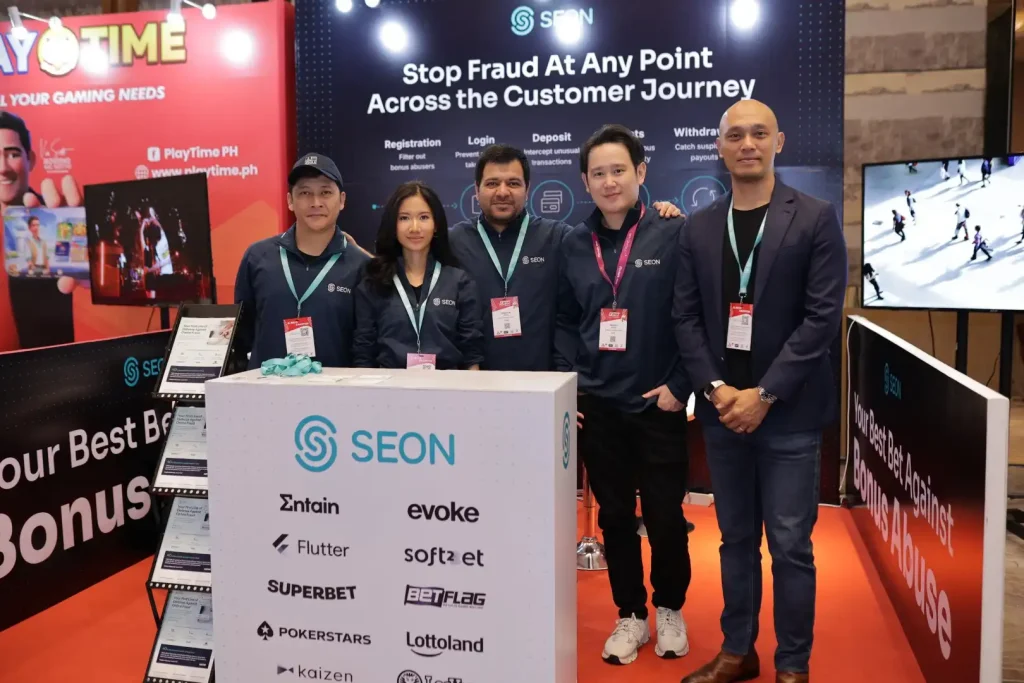
SEON - ASEAN Gaming Summit 2025
SEON at ASEAN Gaming Summit 2025

To learn more about SEON’s iGaming solutions, visit seon.io/industries/igaming.

Paradise Co. casino revenue jumps 41% in June

South Korean foreigner-only casino operator Paradise Co. posted a sharp rise in casino revenue for June, with takings reaching KRW82.05 billion ($59.5 million)—marking a 41 percent increase year-on-year and a modest 0.4 percent uptick from May.

The surge was primarily driven by strong performance across both table games and gaming machines. According to a financial update released on the Korean Stock Exchange on Wednesday, table gaming revenue rose 41.6 percent year-on-year to KRW72.29 billion ($52.4 million), while revenue from gaming machines climbed 32.7 percent to KRW4.76 billion ($3.5 million). On a monthly basis, machine revenue also saw a slight increase of 1.9 percent.

Cumulatively, for the first half of 2025, Paradise Co. reported total casino revenue of KRW456.90 billion ($331.1 million), reflecting an 8.7 percent increase compared to the same period in 2024. This growth was largely fueled by table games, which brought in KRW420.89 billion ($304.3 million)—up 9.2 percent year-on-year. Meanwhile, the machine gaming segment saw more modest growth, rising 0.3 percent to KRW26.01 billion ($18.8 million).

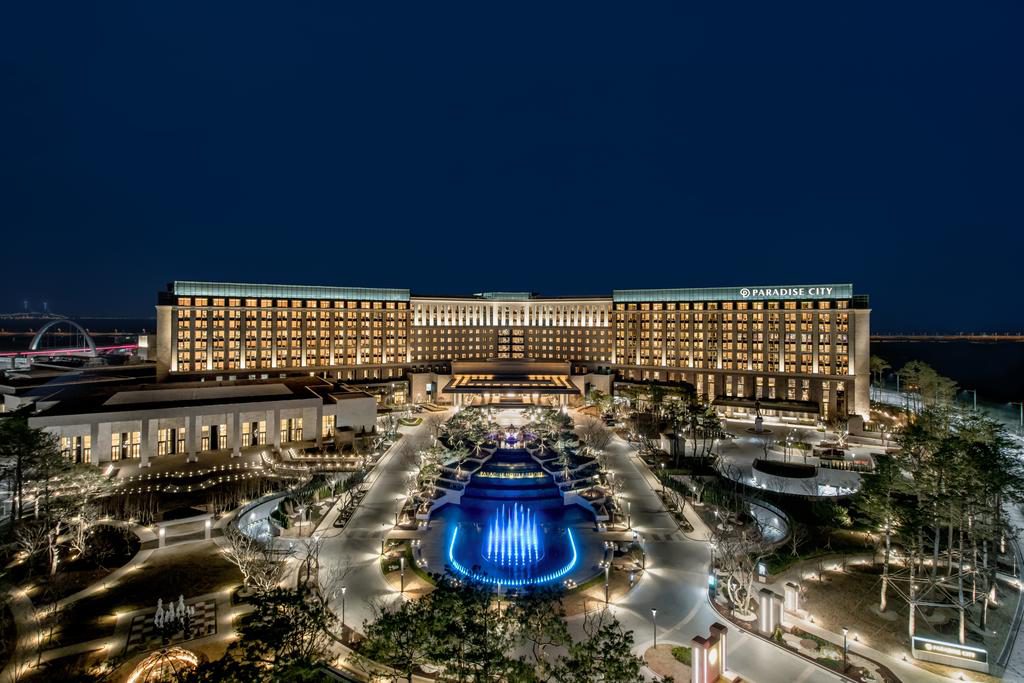
Paradise Co. operates three casino properties across South Korea: Walkerhill in Seoul, Paradise Jeju on Jeju Island, and a venue in Busan. It also runs Paradise City in Incheon through a joint venture with Japan’s Sega Sammy Holdings Inc., which remains a key asset in its integrated resort portfolio.

Resurgence of illegal gaming sites raises concerns, says Philippines Senator Gatchalian

This statement follows a public advisory from the Philippine Amusement and Gaming Corporation (PAGCOR), which cautioned the public against unlicensed online gaming platforms, The Philippine News Agency reported.

Gatchalian emphasized that the fight against POGOs is far from over and called for intensified efforts involving the Department of Information and Communications Technology, the National Bureau of Investigation, and the Philippine National Police to block access to these illegal sites. He supports a total ban on POGOs due to their connections to criminal activity and threats to national security.

PAGCOR has identified several unauthorized platforms misusing its logo and displaying fake licenses, including sites like efesbetcasino514.com and QQ88.com. The agency reiterated that it does not issue licenses to offshore operators targeting users outside the Philippines and urged the public to verify gaming websites through official PAGCOR channels.

Gatchalian was also co-author of a new Anti-POGO Act of 2025, legislation aimed at stomping out offshore gaming activity in the nation for good.

FATF warns of rising crypto misuse, urges stricter global oversight

0

The Financial Action Task Force (FATF) is calling on jurisdictions around the world to urgently strengthen their response to the illicit finance risks posed by virtual assets, as criminal exploitation of cryptocurrencies continues to grow and expand into sectors such as gaming.

In its latest report, the sixth targeted update on the global implementation of AML/CFT measures for virtual assets (VAs) and virtual asset service providers (VASPs), published in late June, the FATF highlights serious regulatory gaps that are leaving the financial system vulnerable.

The report evaluates jurisdictions’ alignment with Recommendation 15 and its Interpretative Note, which extend AML/CFT obligations to VAs and VASPs. Although 99 jurisdictions have either enacted or are in the process of enacting relevant legislation, the FATF stressed that much more needs to be done to ensure meaningful implementation and enforcement.

‘Jurisdictions continue to face difficulties in identifying natural or legal persons that conduct VASP activities,’ the FATF stated, noting that regulatory and supervisory systems are still inconsistent across borders.

Trump's Presidency: Ushering in a New Era for Cryptocurrency in the U.S.

Travel Rule enforcement remains incomplete

A key focus of the report is the implementation of the so-called ‘Travel Rule,’ a requirement for VASPs to collect and transmit originator and beneficiary information during virtual asset transfers. According to the FATF, 73 percent of jurisdictions surveyed (85 out of 117) have passed legislation implementing the Travel Rule, but most have not yet enforced it in practice.

While this marks progress from 2024, the FATF warned that the effectiveness of the Travel Rule depends on consistent and global application. Only a minority of jurisdictions have taken enforcement actions or issued directives related to compliance. Many are still developing supervisory frameworks or are in the early stages of engaging with the private sector to improve adherence.

To aid implementation, the FATF also released a new companion report offering best practices for Travel Rule supervision, aiming to assist authorities in designing effective regulatory structures.

crypto

Rising threats from stablecoins and large-scale hacks

The FATF report raises particular concern over the use of stablecoins—cryptocurrencies designed to maintain a fixed value—by criminal actors, including sanctioned states, terrorist financiers, and drug traffickers. Since 2024, the share of on-chain illicit activity involving stablecoins has surged, with the asset class becoming the preferred tool for obfuscating financial transactions.

One particularly alarming case cited involved North Korean-linked hackers stealing $1.46 billion from virtual asset service provider ByBit earlier this year. To date, only 3.8 percent of the stolen funds have been recovered—underscoring the urgent need for stronger asset recovery systems and greater international cooperation.

The global financial crime watchdog also noted that stablecoins’ features—such as speed, low cost, and high liquidity—make them appealing to both legitimate users and illicit actors alike. If mass adoption continues without proper oversight, these assets could significantly amplify global financial crime risks.

Gambling could be the gateway for the next generation into crypto: BetHog CEO

Illicit activity expands into gaming sector

The FATF has flagged an increasing connection between virtual assets and online gaming and gambling platforms, where cryptocurrencies are commonly used for payments, in-game purchases, and peer-to-peer transfers.

‘There continues to be a link between VAs and gambling and games of chance/skill, and the ML/TF risk posed by those business models and delivery channels, including risks derived from illegal operators,’ the report stated.

This convergence is creating new avenues for laundering funds and obscuring the origins of illicit gains. The FATF indicated that it will continue examining gaming-related risks as part of its broader efforts to address vulnerabilities across the virtual asset ecosystem.

Alongside hacks and terrorist financing, crypto-related fraud and scams have also spiked. The FATF cited industry estimates that place the value of illicit on-chain activity related to fraud and scams at $51 billion in 2024 alone.

These include a rise in sophisticated schemes such as ‘pig butchering’ investment scams, romance scams, and phishing attacks using deepfake technology and AI-generated content. The growing professionalization of fraudsters—many operating as part of global networks—has made detection and prevention increasingly difficult.

crypto

Global implementation still uneven

Despite some progress, FATF assessments show that only 29 percent of jurisdictions are ‘largely compliant’ with Recommendation 15, while 49 percent remain only ‘partially compliant,’ and 21 percent are not compliant at all. Just one jurisdiction is currently assessed as fully compliant.

Many governments still lack the tools, expertise, or political commitment to implement and enforce robust AML/CFT frameworks for VAs. The FATF emphasized that without full and consistent adherence to its standards, regulatory weaknesses in one country could expose the entire global financial system to exploitation.

Indian state of Sikkim cracks down on illegal online gambling sites

0

The Sikkim State Lotteries Directorate, in partnership with the Indian State CID police and the Ministry of Electronics and Information Technology (MeitY), has initiated a crackdown on illegal online gambling websites operating in the region.

These sites, primarily based outside India, have been luring residents into betting, often leading to significant financial losses and fraudulent payout practices, the Sikkim Express reported.

Pawan Awasthy, principal director of Sikkim State Lotteries, highlighted the dangers of these unregistered sites, which do not contribute to government revenue and have caused severe societal issues, including addiction and financial ruin. A recent suicide linked to online gambling losses underscores the urgent need for action.

The government plans to file complaints against the illegal operators to facilitate stronger enforcement measures. Awasthy emphasized the importance of public awareness and encouraged victims to report their experiences to help build legal cases against the scammers.

He urged residents to avoid unlicensed websites and only engage with licensed platforms like Golden Gaming, the sole legal online gaming operator in Sikkim.

Sikkim’s online gaming landscape is regulated by the Sikkim Online Gaming (Regulation) Act, 2008, and its associated rules, which include provisions for legal action against unauthorized sites.

Macau gaming recovery peaks at 88% of pre-pandemic levels in breakthrough June: JP Morgan

0

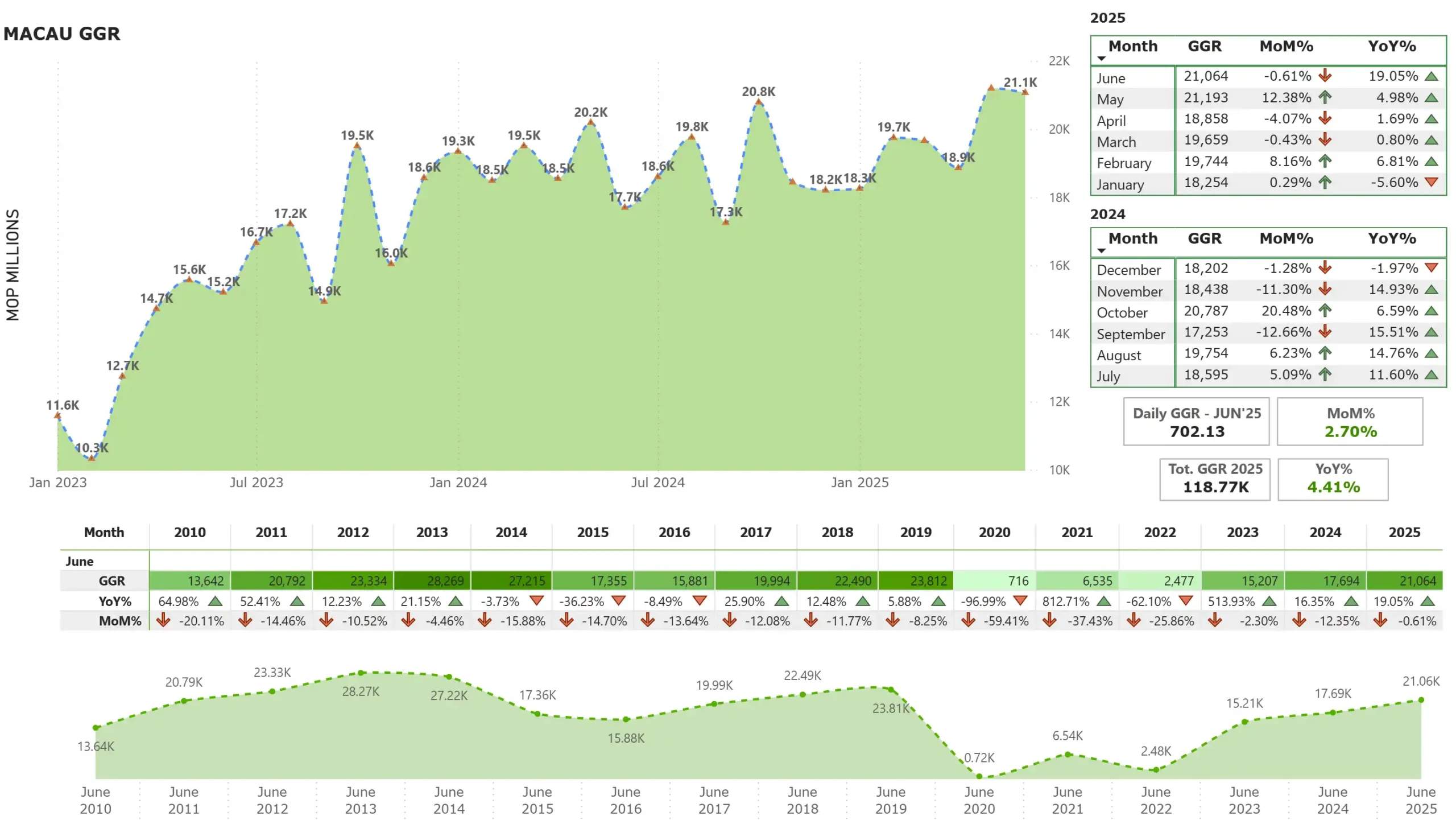
Macau’s gaming industry achieved its highest recovery rate since the pandemic began in June, with gross gaming revenue reaching 88 percent of pre-COVID levels compared to 79 percent for the full year 2024 and 76 percent in the first quarter of 2025, according to a research note from JP Morgan analysts DS Kim and Selina Li.

The standout performance was driven by gross gaming revenue that surged 19 percent year-over-year to MOP21.1 billion ($2.60 billion), significantly exceeding the already revised-up consensus forecast of 9 percent growth. June’s daily run-rate of MOP702 million ($87.5 million) even surpassed May’s figure of MOP684 million ($85.3 million), defying typical seasonal patterns that usually show high-single digit monthly declines.

Macau GGR June 2025, Gross gaming revenue

The result is particularly impressive considering that June is typically in low season, with gross gaming revenue declining only 0.6 percent compared to May, which benefits from the Labor Day golden week holiday.

Analysts note that the strong performance was driven primarily by high-end gaming segments, particularly direct VIP and ultra-premium mass market players. JP Morgan’s on-the-ground analysis identified several key factors behind the surge.

crypto

Major entertainment events played a crucial role in offsetting weak seasonal trends. Marquee concerts featuring Jacky Cheung from June 20th to July 6th and G-Dragon from June 6th to 8th attracted high-spending patrons to the territory.

JP Morgan also mentioned that improved sentiment among wealthy customers contributed to the growth, potentially linked to positive wealth effects from rising stock markets and cryptocurrency values. The continued ramp-up of Capella Macau, Galaxy Macau’s luxury all-suite tower that soft-opened in late April, provided additional momentum for the ultra-high-end segment.

Currency movements also supported the results, with the Chinese yuan’s appreciation against the US dollar and Hong Kong dollar making gambling more affordable for mainland Chinese visitors.

The strong June performance capped an exceptional second quarter for Macau’s gaming industry. Each month from April through June beat both historical seasonal patterns and analyst consensus, producing the highest quarterly gross gaming revenue in over five years at MOP61 billion ($7.6 billion), representing eight percent year-over-year growth.

premium mass, macau

Both VIP and mass market segments outperformed seasonal expectations during the quarter. JP Morgan estimates VIP revenue grew ten percent quarter-over-quarter and 12 percent year-over-year, while mass market revenue increased five percent quarterly and eight percent annually.

Compared to pre-pandemic levels, second quarter gross gaming revenue reached 83 percent of 2019’s second quarter performance, up from 77 percent for full year 2024 and 76 percent in the first quarter of 2025. Mass market and slot revenue achieved over 120 percent recovery rates, while VIP reached 25 percent of pre-COVID levels.

The analysts project industry EBITDA will recover 2-4 percent both quarterly and annually, reaching 83 to 85 percent of pre-pandemic levels compared to 79 percent in the first quarter. However, EBITDA growth may lag behind revenue growth due to a shift toward high-end segments and increased promotional spending for premium customers.

JP Morgan believes the second quarter will mark the first period in an extended timeframe to exceed both market forecasts and historical seasonal patterns, potentially reversing the negative consensus momentum that has persisted for over 18 months.

While acknowledging that some moderation from June’s exceptional growth is inevitable, the analysts remain optimistic about the second half performance, suggesting gross gaming revenue could grow in the high-single digits rather than their previously forecasted 5 percent increase.

MGM & MGTO host third seminar in the “Together We Deliver Exceptional Hospitality” series

0

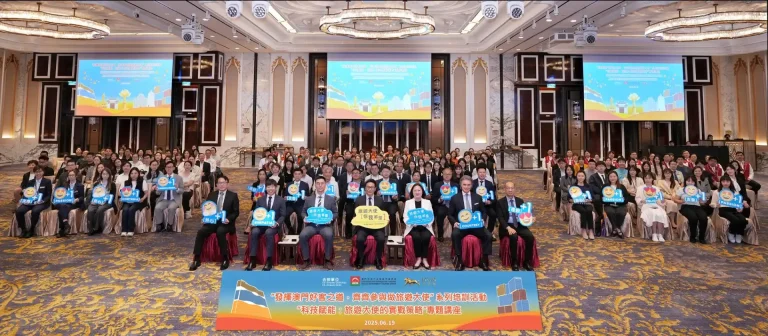
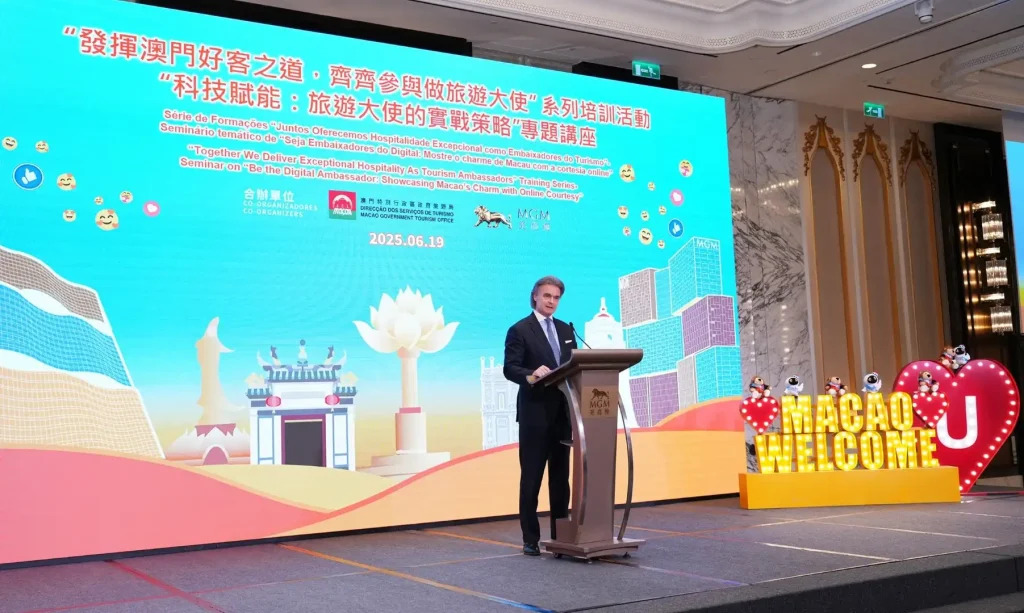
The third seminar in the joint training series “Together We Deliver Exceptional Hospitality as Tourism Ambassadors”, organized by MGM in collaboration with the Macao Government Tourism Office (MGTO), was held recently in the Ballroom of MGM COTAI under the theme “Be the Digital Ambassador: Showcasing Macao’s Charm with Online Courtesy.”

The seminar focused on exploring how artificial intelligence (AI) can improve the quality of tourism services, aligning with the Macau SAR Government’s “1+4” economic diversification strategy and reinforcing the city’s status as a World Centre of Tourism and Leisure. The event attracted over 230 participants, including professionals from the tourism and related sectors, MGM team members, as well as local university faculty and students.

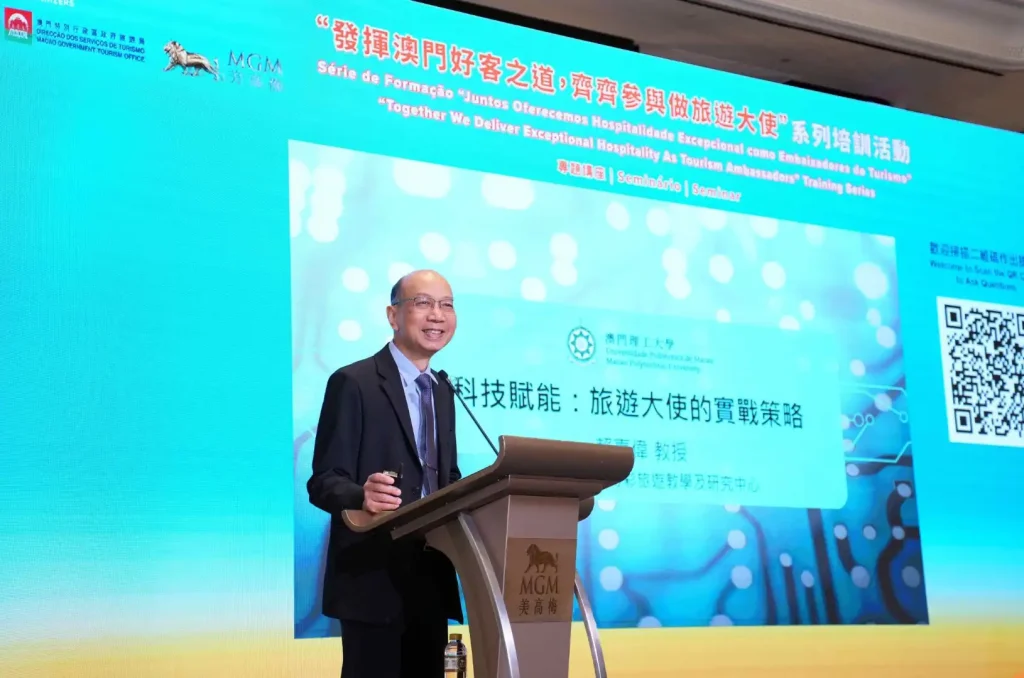
As part of the ongoing “Macao Courtesy Campaign”, MGM invited Professor Ivan Lai, Program Coordinator for the Doctor of Business Administration of Macao Polytechnic University (MPU), as the keynote speaker. He discussed the role of AI in transforming traditional tourism ambassador responsibilities, elaborated on how to leverage AI technology to empower individuals to take on this role, and shared practical strategies for using AI tools to enhance the quality of tourism services.

MGM & MGTO host third seminar in “Together We Deliver Exceptional Hospitality” series
Professor Ivan Lai, Program Coordinator for the Doctor of Business Administration of the Macao Polytechnic University (MPU)

Distinguished guests who attended the event included: 

  • Cheng Wai Tong, Deputy Director of the MGTO; 
  • Zhao Su, Assistant of the Economic Affairs Department of the Liaison Office of the Central People’s Government in the Macao SAR; 
  • Wendy Yu, Executive Vice President of Human Resources of MGM; 
  • Iwan Dietschi, Senior Vice President of Hospitality of MGM; 
  • Johnny Siu, Deputy Director of the Centre for Gaming and Tourism Studies of MPU.

Wendy Yu, Executive Vice President of Human Resources of MGM, said: “MGM is committed to embracing innovative technology to enhance service quality. We are delighted to collaborate with MGTO again to provide a learning platform for industry professionals and our team members to stay ahead of AI trends. Integrating technology with the core values of the ‘Macao Courtesy Campaign’ empowers our team members to better deliver the city’s unique hospitality with greater efficiency and precision, creating unforgettable experiences for our guests.”

MGM & MGTO host third seminar in “Together We Deliver Exceptional Hospitality” series
To honor his partnership in the training series, MGM and MGTO offered Professor Ivan Lai a memento of appreciation.

“Together We Deliver Exceptional Hospitality as Tourism Ambassadors” Training Series has garnered support from over 30 entities, and attracted over 1,500 attendees since its launch. Last year, MGM collaborated with MGTO to hold the “Youth Hospitality Activities – Macao Tourism Courtesy Short Video Contest”, which received over 170 creative submissions, showcasing Macao’s unique charm and warm hospitality from the perspective of local youth.

MGM and MGTO will continue to strengthen collaboration through diverse thematic seminars and activities, helping industry professionals to understand the needs of different visitor demographics, improve service quality, develop innovative tourism experiences, and jointly promote multi-source tourism markets and the high-quality development of Macao’s tourism industry.

Collaboration Without Borders: The Essence of Pronet Gaming’s Teamwork Spirit

In a business landscape where agility and innovation are crucial, keeping a global workforce connected isn’t just nice to have; it’s essential. At Pronet Gaming, collaboration without borders is part of who we are.

As Head of Human Resources, I see every day how important it is to create a workplace culture that transcends geography and time zones. With over 200 team members (and growing fast!) spread across multiple office locations in Europe and Asia, we understand that distance must never become a barrier to teamwork, engagement, and belonging.

A hybrid approach to work

Our hybrid work setup has been a key enabler of flexibility and connection. While we have vibrant office spaces that provide structure and community, we also recognise the value of remote work; allowing team members to focus, balance their schedules, and collaborate in ways that suit their personal and professional needs. It’s about trusting our people to deliver, wherever they are.

Staying connected across time zones

With colleagues working across different regions, regular meetings help keep us aligned. We coordinate across time zones thoughtfully, ensuring that everyone’s voice is heard regardless of location. Whether it’s through departmental check-ins or cross-functional project calls, we maintain open lines of communication at all levels.

To support day-to-day collaboration, we leverage tools such as Slack, Microsoft Teams, and Jira. These platforms allow teams to chat, video call, share files, track projects, and brainstorm ideas in real time — bringing the entire company just a few clicks away.

Keeping everyone in the loop

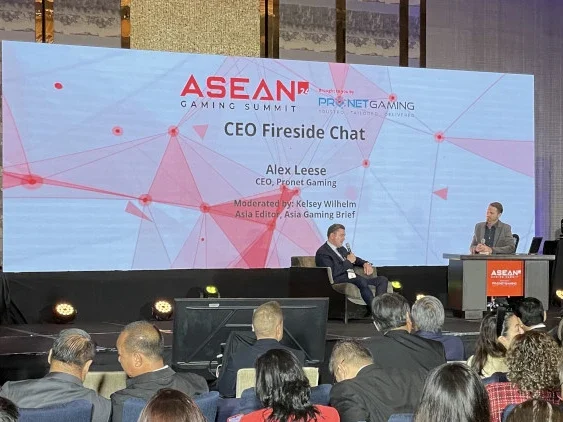
Alex Leese, Pronet Gaming at ASEAN Gaming Summit 2024
Alex Leese, CEO of Pronet Gaming, at ASEAN Gaming Summit 2024

Transparency is vital when managing a growing global business. That’s why every team member is invited to attend quarterly company updates, where they hear directly from our CEO, Alex Leese. These sessions give everyone an inside look at our latest milestones, challenges, and vision for the future. It’s a chance to celebrate wins, reflect on lessons learned, and ensure every voice feels part of the bigger picture.

We also recently launched an online company newsletter, making it easier than ever for team members to stay abreast of product developments, internal promotions, and more. Whether they work in London or Ljubljana, they’re always in the loop.

Celebrating together

Work might be serious business, but connection always comes through shared moments of joy and recognition. We organise internal company events throughout the year to mark important occasions such as Christmas, Eid, and Breast Cancer Awareness Month, to name just a few. These celebrations give us a chance to pause, reflect, and appreciate one another outside the daily workflow.

We recently introduced fun initiatives like Ice Cream Month, where teams across locations enjoyed sweet treats together, and International Food Day, where colleagues shared dishes from their cultures via office lunches. 

A culture of engagement

True engagement goes beyond scheduled meetings and events. Looking ahead, we are excited about our plans for a companywide gathering; an in-person event that will bring together team members from all our locations for a few days of connection, team building, and strategic workshops. This initiative will strengthen relationships, deepen cross-functional understanding, and reinforce the sense of unity that drives our success.

Collaboration without borders

We’re proud to say that while we are spread across continents, we are unified by shared goals and mutual respect.

Sunkiran Boyal

In an increasingly connected world, we’re building more than just platforms for our partners; we’re building a truly global community for our people. Because no matter where we are, we move forward together.