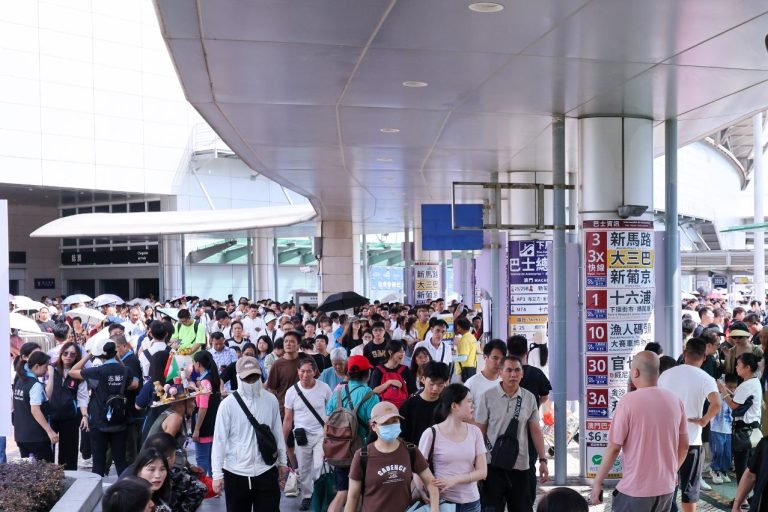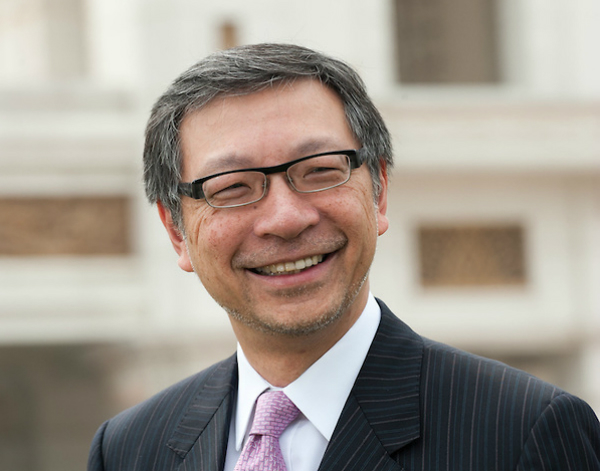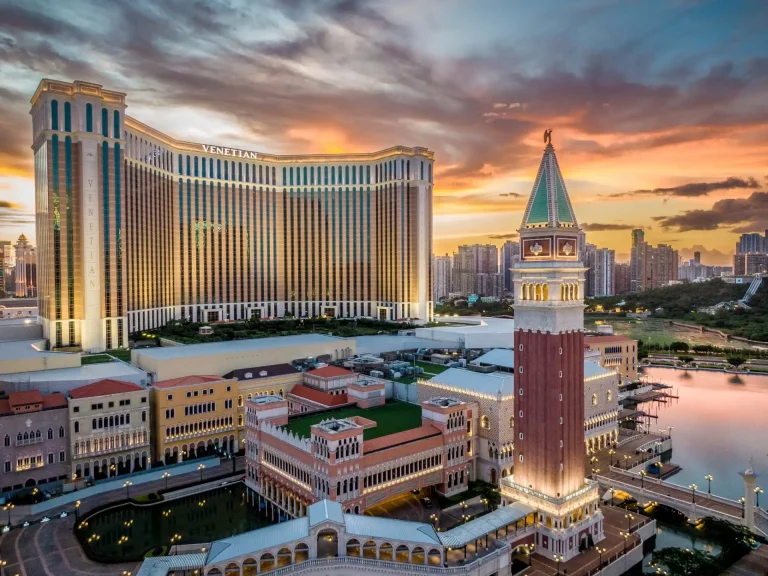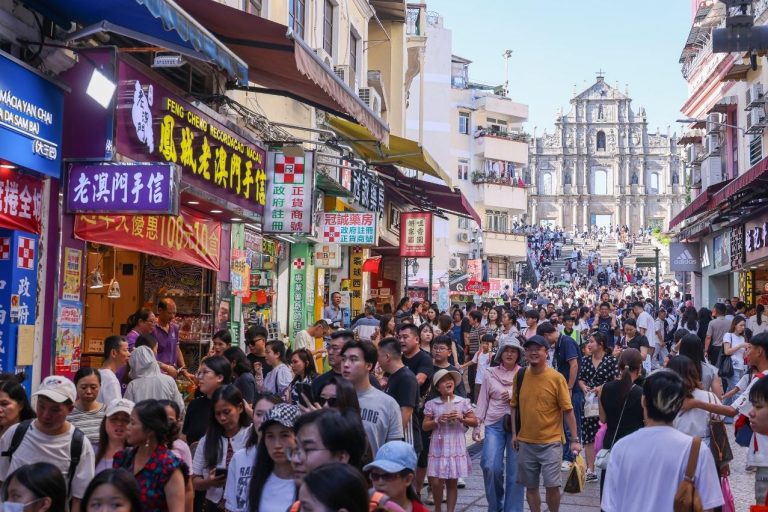
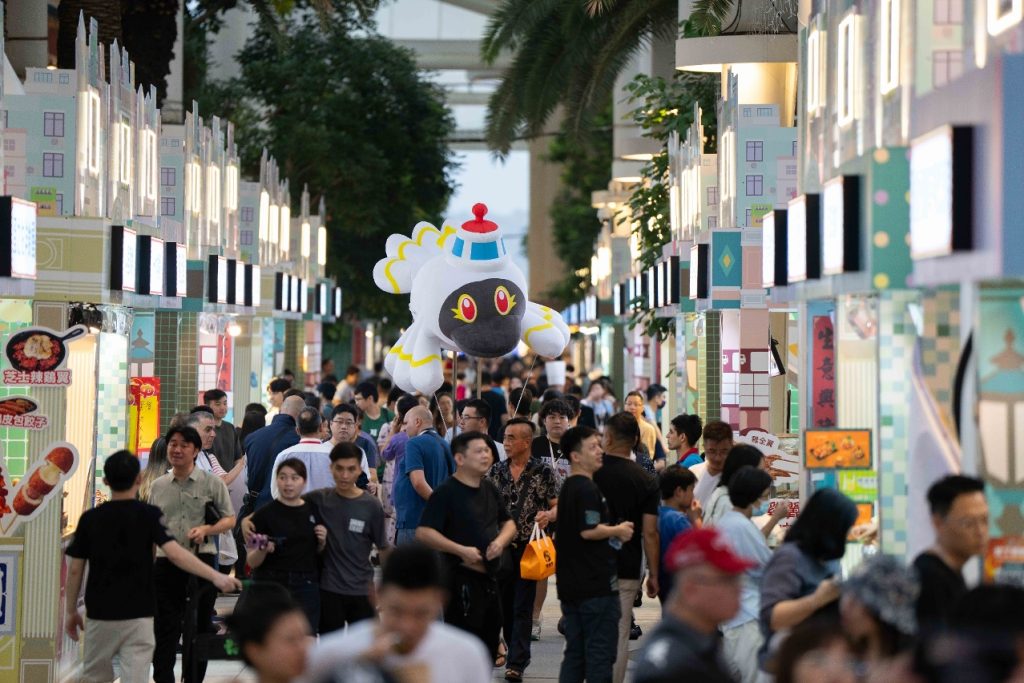
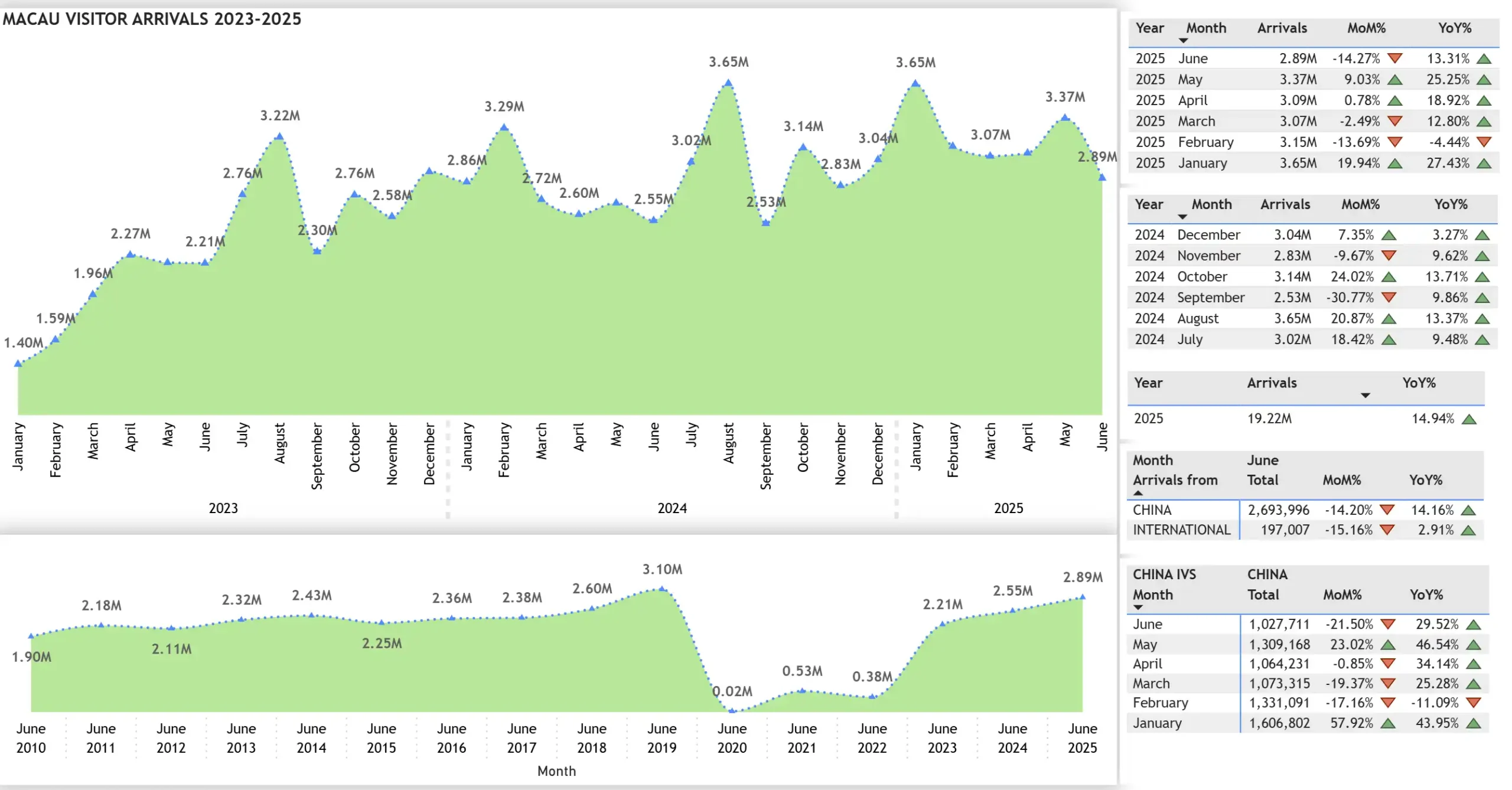
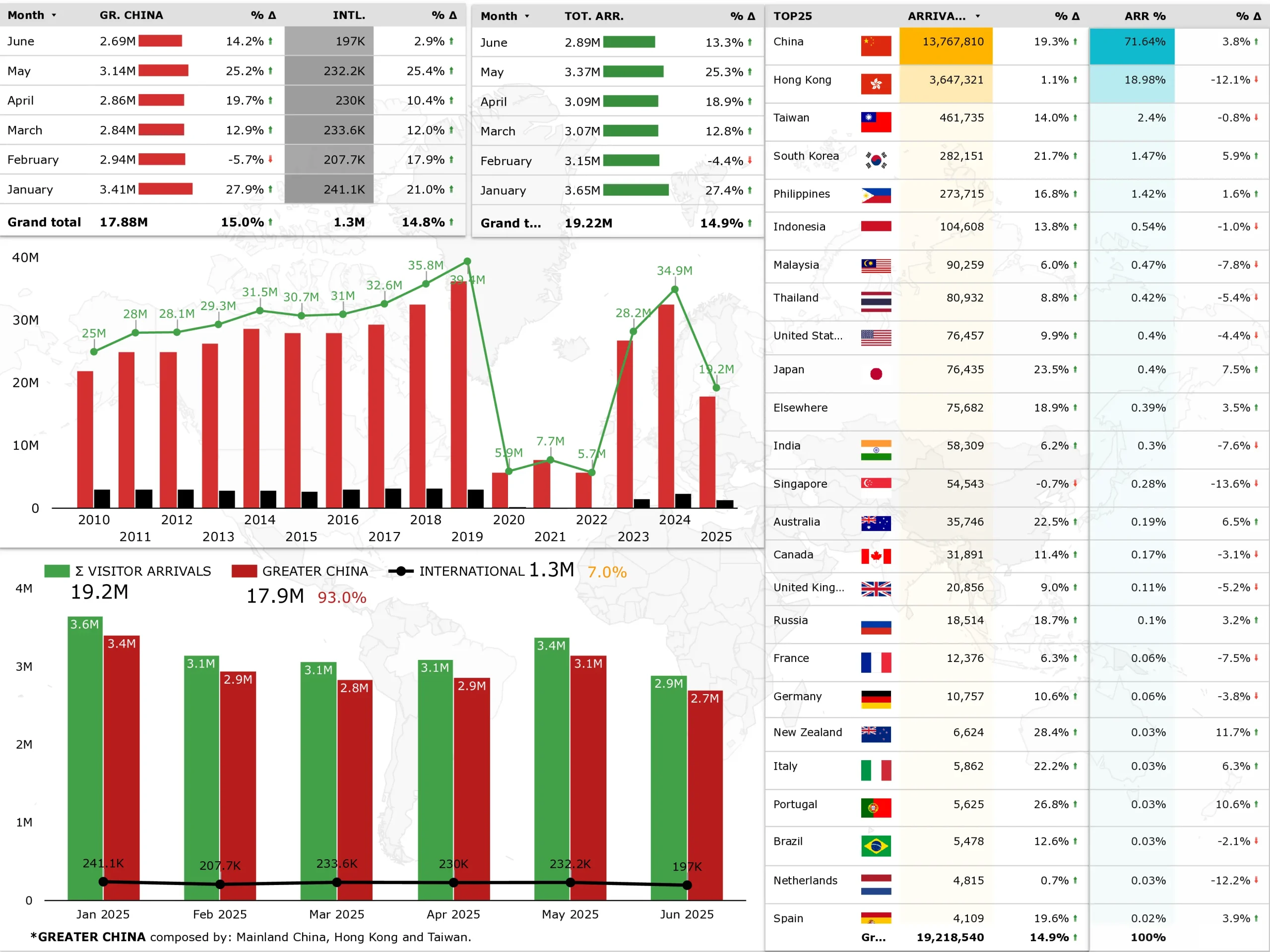
Macau’s tourism industry is experiencing a significant recovery that could see visitor arrivals exceed the historic peak of 39 million recorded in 2019 by the end of this year, according to leading gaming expert Davis Fong, director of the Institute for the Study of Commercial Gaming at the University of Macau.
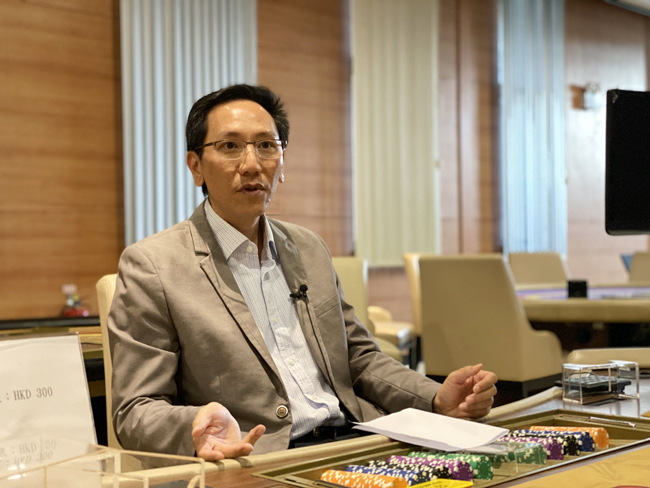
According to local media outlet Macao Daily, citing tourism and gaming data, Fong noted that non-gaming consumption growth of the average visitor has already surpassed that of their gaming consumption, signaling a structural shift in visitor spending patterns. He attributed Macau’s competitive edge to its institutional advantages, the large tourist base from mainland China, accumulated hardware and software development, and ongoing investments such as hotel facility upgrades and the expansion of integrated tourism offerings.
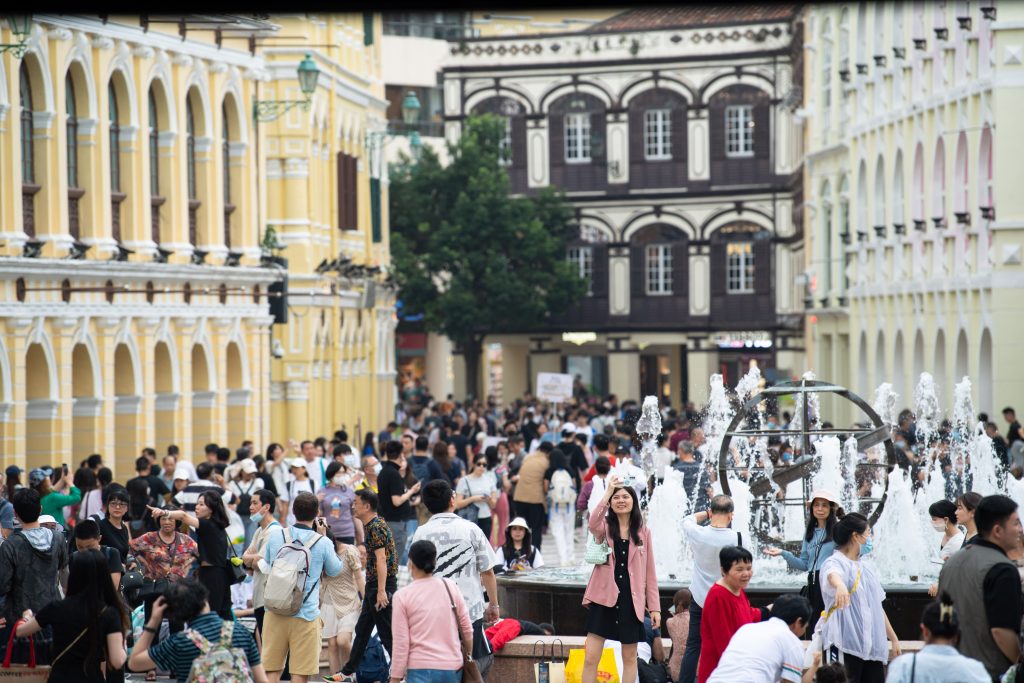
The optimistic forecast comes as Macau recorded more than 22 million visitors in the first seven months of 2025, with July alone seeing 3.45 million arrivals—averaging over 110,000 daily visitors—according to Deputy Director of Macao Government Tourism Office (MGTO) Cheng Wai Tong. This marks a year-on-year increase of approximately 14 percent for the January–July period.
Hotel occupancy rates have also remained robust, reaching nearly 90 percent in the first half of the year and exceeding 90 percent in July, reflecting continued strong demand for accommodation.
Fong expressed confidence that monthly gaming revenues will remain at the MOP20 billion ($2.5 billion) level in the second half of the year. Revenues have grown steadily over the past three months, prompting the academic to urge operators to analyze the drivers behind this positive trend in order to sustain and build on the current momentum.
He also highlighted that the second half of the year represents the peak season for festivals and events, which should support continued strong visitor numbers. A key factor will be whether macroeconomic conditions remain favorable. Recent signs of stabilization in mainland China’s stock markets and asset prices suggest that disposable income in key source markets may gradually recover, leading to improved consumption patterns.
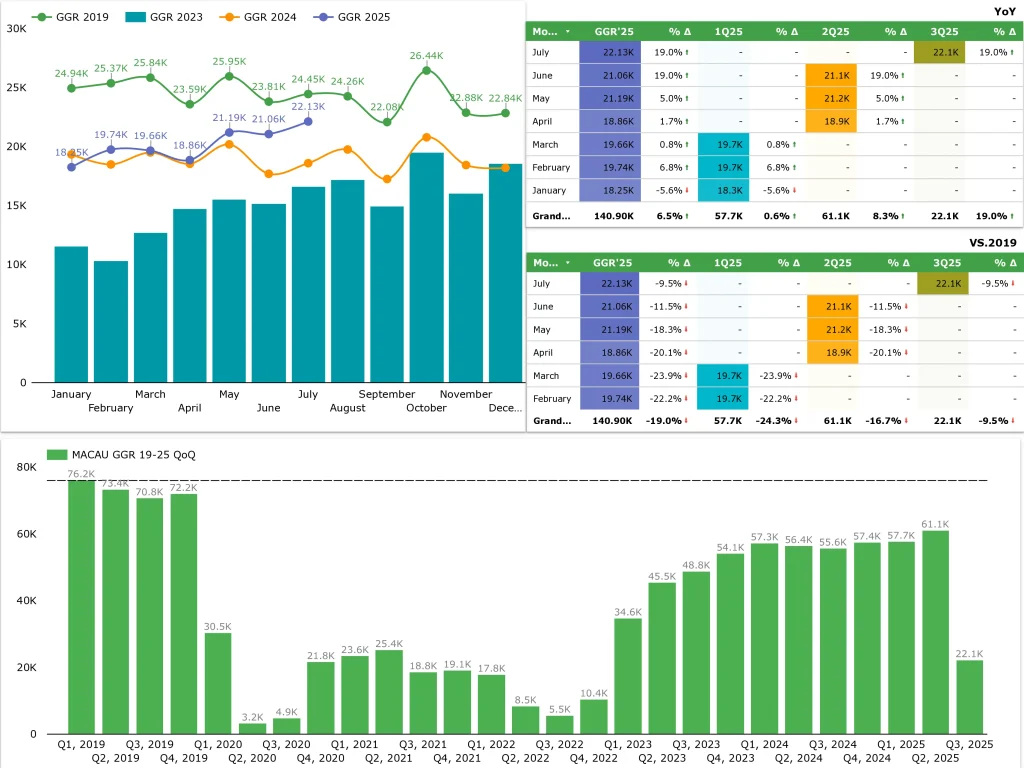
The adjustment of the annual gross gaming revenue (GGR) projection has not been made in isolation. The strong performance in June and July—with a 19 percent year-on-year increase in GGR—has reinforced market confidence, prompting several investment banks to upgrade their Macau GGR forecasts and project an accelerating trend in the second half of 2025. It is also worth noting that, due to a weak start in 1Q25, the Macau government had earlier revised down its GGR forecast by 5 percent.
Economic outlook buoyed by tourism-driven recovery
In parallel, the second quarter saw Macau’s gross domestic product (GDP) grow 5.1 percent year-on-year in real terms, bringing the overall economic scale to 88.8 percent of the same period in 2019. Henry Lei, associate head of the Department of Finance and Business Economics at the University of Macau, pointed out that the 5.1 percent GDP growth, combined with a 1.8 percent expansion in the first half, reversed the contraction trend observed in 1Q25.

The recovery is largely driven by external demand, while private consumption and government investment have remained stable. Lei stressed that recovery phases typically begin with leading industries benefiting first, but achieving broader growth will require collaboration among government departments, business chambers, tourism-related sectors, and enterprises to better channel tourist spending into local communities and across the six key districts.
The six key districts refer to the city’s old neighborhoods, which gaming operators have been tasked with revitalizing. The initiative is considered part of the operators’ non-gaming investment commitments under the 10-year gaming concessions that began on January 1st, 2023.
Lei expects full-year growth of between 3 and 5 percent, with second-half performance projected to outpace the first. Tourism is set to remain a crucial pillar of Macau’s recovery, with efforts focused on expanding its economic benefits beyond the casino floor and into the broader community.