

Cambodia’s National Bank is ramping up efforts to combat cross-border crime and money laundering operations as the country seeks to avoid being placed on the Financial Action Task Force (FATF) grey list for a third time, amid ongoing crackdowns on the nation’s notorious scam hub operations.

National Bank of Cambodia Governor Chea Serey
According to Cambodia’s local Chinese-language media outlet The Cambodia China Times, National Bank of Cambodia Governor Chea Serey disclosed at the bank’s annual work summary meeting that the institution is strengthening cooperation with relevant agencies and countries to combat systemic telecom fraud, money laundering, and terrorism financing.
Serey said that Cambodia must avoid being re-listed on the FATF’s grey list to prevent damage to public confidence and both domestic and foreign investor trust. She warned that negative reports about Cambodia’s telecom fraud operations have already affected the country’s reputation and, to some extent, impacted tourism, investor confidence, and cross-border financial operations.
“If the situation cannot be improved, Cambodia will face the risk of being re-listed on the grey list, or even more serious consequences,” Serey stated.

Government implements aggressive enforcement measures
The Cambodian government has already taken severe measures through crackdowns on illegal casinos and online fraud operation centers, while imposing strict penalties on criminals to curb the spread of these activities. Cambodia’s Financial Intelligence Unit has been working with international authorities, revoking licenses of relevant institutions, and freezing assets of related individuals according to judicial authority.
The National Bank is set to continue coordinating the second national money laundering and terrorism financing risk assessment this year, while supervising reporting entities’ compliance with AML/CTF obligations as required by law.
Enforcement authorities are continuously improving monitoring and analysis tools for high-risk sectors including real estate, casinos, and legal professions, while expanding cooperation with domestic and international partners on AML/CTF efforts.

High-profile arrest of Chen Zhi
In a significant development, Cambodian authorities recently arrested Chen Zhi, the chairman of Prince Group, and extradited him to China. The scam kingpin Chen Zhi had been previously accused by the US Department of Justice of operating a large cross-border online fraud syndicate, resulting in the confiscation of massive assets (including crypto) and sanctions against hundreds of affiliated companies. Chen’s primary enterprises in Cambodia, including Prince Bank and real estate development companies, have been forced into liquidation by the National Bank and other regulatory agencies.
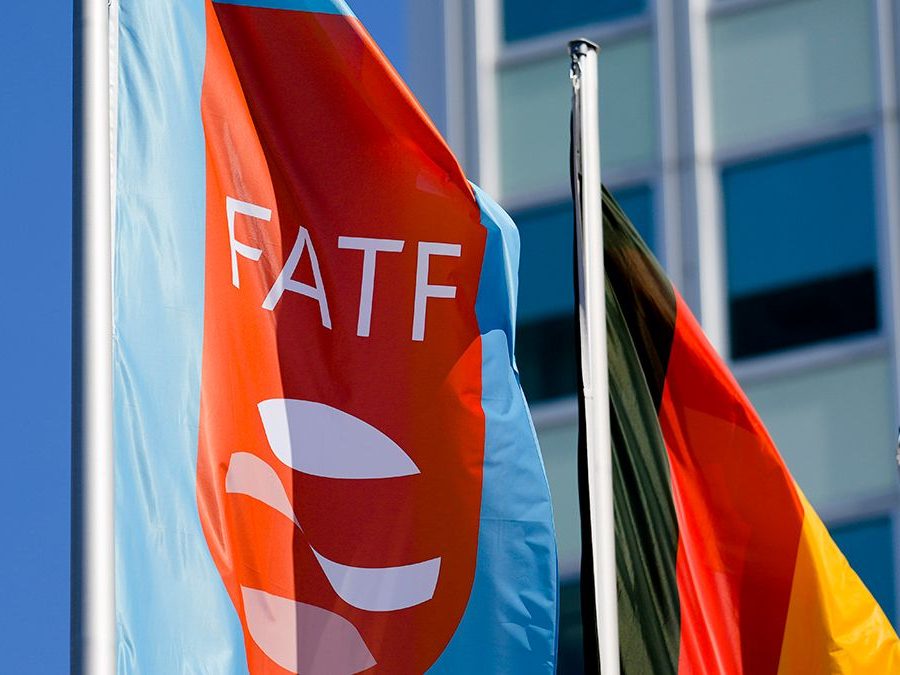
Cambodia’s grey list history
The Paris-based FATF announced in February 2023 that Cambodia would be removed from the money laundering grey list, based on progress made in addressing technical deficiencies and improving anti-money laundering and counter-terrorism financing (AML/CTF) systems.
Cambodia was first placed on the FATF’s money laundering grey list in 2011. After improvement efforts, the country was removed from the grey list on February 26th, 2015. However, on February 22nd, 2019, Cambodia was re-listed.

According to reports from the National Bank of Cambodia, the Cambodia Financial Intelligence Unit (CAFIU) intensified enforcement actions in the first half of last year to ensure all relevant parties fulfill their anti-money laundering and terrorism financing obligations.
Cases investigated for large cash transactions without proper declaration increased 13.1 percent compared to the same period the previous year, while cases investigated for reporting entities failing to submit suspicious transaction reports rose 21.8 percent.
The new Anti-Money Laundering and Counter-Terrorism Financing (AML/CTF) Law, passed in 2020, mandates that reporting entities—including banks, financial institutions, insurance companies, real estate agencies, and casinos—conduct customer due diligence (CDD) to identify and verify customers and beneficial owners. When reporting entities have reasonable grounds to suspect a transaction is related to money laundering or terrorism financing, they must submit suspicious transaction reports. Cash transactions exceeding KHR40 million ($10,000) also require cash transaction reports.
The law prohibits reporting entities from opening or maintaining anonymous accounts or similar products that could be used for illegal activities, while requiring them to maintain customer identity and transaction records for at least five years after account closure or termination of business relationships.