

Home Blog Page 626

Shin Hwa World reduces loss by 32%, gaming revenue improves

South Korean integrated resort operator Shin Hwa World has managed to reduce its loss for the first half of the year by nearly 32 percent, largely based upon an increase in its gaming revenue from Jeju Shinhwa World.

According to the group’s most recent financial results, the company saw a loss of HK$231.54 million for the period, lifted by a 25.5 percent increase in consolidated revenue – to HK$418.1 million.

The group was aided by a strong increase to HK$114.87 million in gaming revenue, from HK$23.8 million in 1H23. This was stated as being due to ‘growing visitation and the increasing rolling volume and non-rolling volume’, calling it a ‘remarkable improvement’ in the segment.

The group’s overall Integrated Resort Development segment saw a slight decrease during the period, of 2 percent, totaling HK$339.33 million, generating a loss of HK$115.41 million.

The group notes that this is partially due to ‘stiff competition from numerous hotels in Jeju’,  causing pressure on room prices, as well as increased marketing efforts – including entertainment and digital campaigns.

Meanwhile, the group’s property development arm saw a 92 percent increase in profit – to HK$30.93 million, as revenue from residential properties surged to HK$64.45 million and property management revenue neared HK$6.07 million.

Looking ahead, the group notes that ‘Jeju Shinhwa World is the key to the success of the group’. It indicated that its renovation and upgrading of facilities at the property will be ongoing, and that the group will ‘organize gaming tournaments and offer entertainment and compliments for casino VIP patrons in the years ahead’.

Jeju Shinhwa World, South Korea Shin Hwa World

It’s also looking forward to an opportunity to further develop a residential area on part of the Jeju Shinhwa World land (zone R) and ‘explore other opportunities to better utilize the land in Jeju Shinhwa World’.

Furthermore, the group notes that it will ‘act prudently in its future development and investment plans and maintain a healthy liquidity position’.

However, it noted that it will evaluate its financial position periodically ‘and will explore fund raising and financing facilities if and when opportunities arise’.

Paradise Entertainment swings to profit in 1H24, as GGR booms

0

Casino management services and electronic gaming equipment company Paradise Entertainment has announced a profit of HK$119.4 million for the first six months of the year, reversing a loss of HK$3 million for 1H23.

This comes on the back of revenue rising by some 72.4 percent, to HK$425.3 million.

The group notes that this was ‘mainly due to the increase in revenue from the provision of casino management services in Macau and the sale of electronic gaming equipment and systems in Macau’.

The majority of the group’s revenue came from the casino in manages in Macau – Kam Pek Paradise, which saw a revenue increase of 48.5 percent – to HK$356.5 million.

Kampek Casino-Macau, Paradise Entertainment

Meanwhile, the group’s Electronic gaming equipment and systems segment’s revenue rose by some 1,648 percent – reaching HK$68.2 million.

Total gross gaming revenue (GGR) for the company amounted to HK$651.7 million, up by 48.3 percent yearly. The main contributor to this was the LMG (live multi-game) segment, which brought in HK$385.6 million, a rise of 70 percent year-on-year.

Traditional gaming tables meanwhile brought in HK$240.4 million in revenue, up by 26.2 percent yearly.

Adjusted EBITDA for the company rose by 376.5 percent from 1H23, hitting HK$147.7 million.

Looking outside of Macau, the group notes that it did not generate any revenue from the sale or leasing of EGMs and systems overseas, however ‘the group has planned to expand its business of supplying gaming equipment and systems to other Asian markets, particularly the Philippines market, as well as the North American markets’.

Regarding the Philippines, the group notes that it has entered into agreements with integrated resorts ‘for trial of a total of 24 units of the group’s […] slot machines in their casino premises’.

It has also, via a collaborator, agreed to deploy ‘a total of 144 mini slot machines in the Philippines’, and has entered into agreements with distributors to further push the group’s products in the country.

Looking ahead, the group notes: ‘recognizing the immense potential in the growing markets across Asia, such as the Philippines, Vietnam, and Cambodia, as well as the North American markets, the Group will take a proactive approach to explore these overseas gaming opportunities in addition to the Macau gaming market’.

Sands China maintains Macau GGR market share lead in 2Q24

0

Macau gaming operator Sands China has maintained its leadership in the city’s gaming industry, holding a 24.5 percent gross gaming revenue (GGR) market share in 2Q24.

According to data provided by Deutsche Bank, Sands China lost some market share in the mass segment, dropping from 25.6 percent in 1Q24 to 24.9 percent by the end of 2Q24.

Despite this, the operator gained ground in the VIP segment, with its market share increasing from 14.2 percent in 1Q24 to 21.1 percent in 2Q24.

Sands China is the only one of the six gaming operators with a market share above 20 percent. This success is attributed to its strong hotel room inventory and retail offerings across various integrated resorts in the Cotai Strip.

Galaxy Entertainment Group (GEG) ranked second with a 19.1 percent GGR market share.

GEG achieved market share gains both quarter-over-quarter and year-over-year. The company holds an 18.8 percent share in the mass segment, while its VIP business slightly edged out Sands China, also holding a 21.1 percent share.

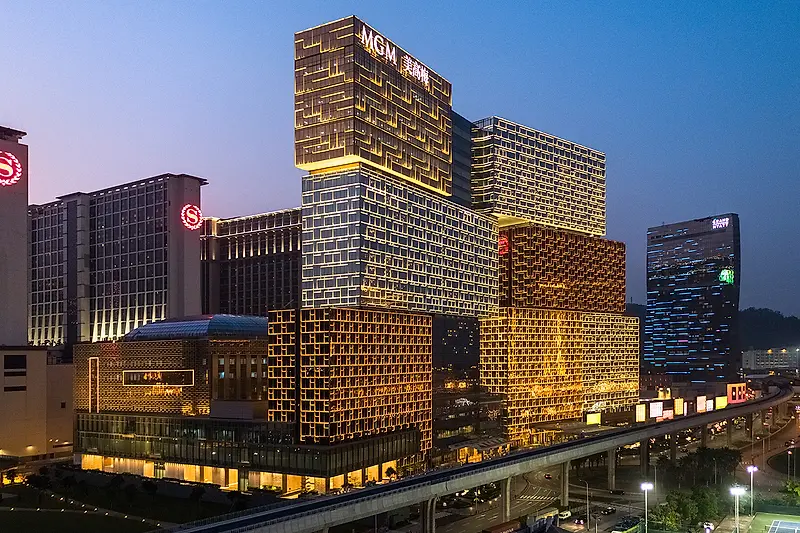
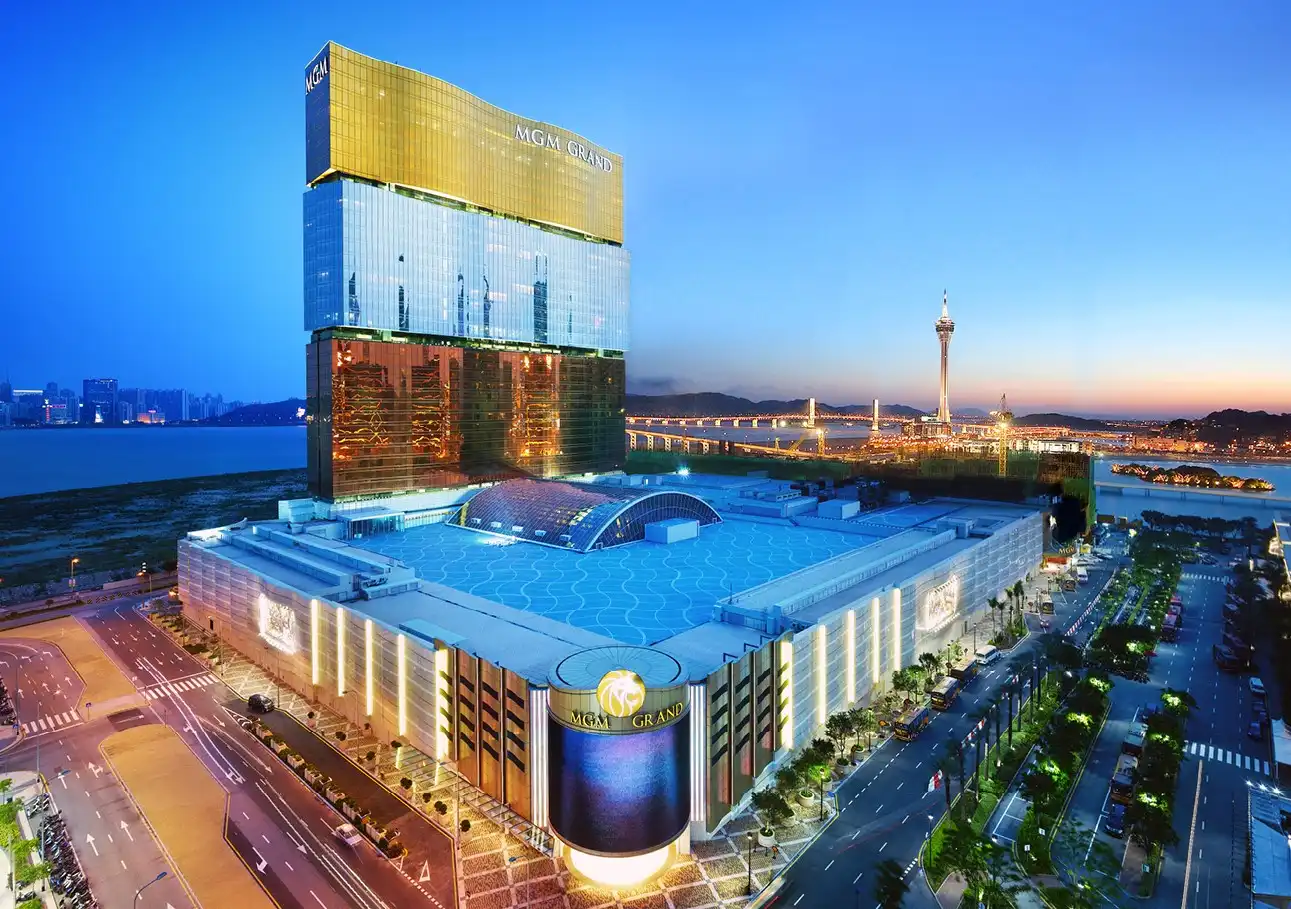
According to data derived from the financial results of the six gaming operators, the rising star MGM, which benefited from adding more gaming tables earlier last year, captured a 16.1 percent GGR share. Although this figure was up year-over-year, it declined sequentially.

Meanwhile, Melco slightly outpaced Wynn and SJM, securing a 14.9 percent GGR share in 2Q24.

Both Wynn and SJM held a 12.7 percent share, placing them last among industry peers.

Deutsche Bank notes that the total industry GGR in 2Q24 increased by 24 percent year-over-year. However, the figure remains 23 percent below the same period in 2019.

Mass GGR in 2Q24 was up 29 percent from the previous year, while VIP GGR declined by 3 percent year-over-year.

Industry margins were 28.2 percent in 2Q24, compared to 29.3 percent in 2Q19. Net revenue was down 14 percent from 2Q19 levels, while non-gaming tax-related operating expenses were up 1 percent compared to 1Q19.

Australasian medical colleges join calls for complete gambling advertising ban

The Royal Australian and New Zealand College of Psychiatrists (RANZCP) and the Royal Australasian College of Physicians (RACP) have jointly announced their support for a complete ban on all forms of gambling advertising.

This call comes just weeks after a group of prominent Australians issued an open letter addressed to Prime Minister Anthony Albanese and opposition leader Peter Dutton, urging a total ban on gambling ads within three years.

The new statement by the two colleges described the urgent need for legislative action to combat gambling-related harm in Australia, highlighting its detrimental effects on individuals, families, and support networks, including caregivers.

Both colleges are urging the Commonwealth and state governments to eliminate barriers that hinder individuals from seeking treatment for gambling addiction. They also stressed the importance of assessing, diagnosing, and addressing harmful gambling behaviors.

‘Addressing these issues is essential, especially for affected individuals who cannot access evidence-based therapeutic interventions,’ the RANZCP and RACP said in their joint statement.

Dr. Elizabeth Moore, President of the RANZCP, expressed serious concerns, stating: “increasing rates of gambling-related harm among Australians is a significant issue for psychiatrists, particularly due to its strong correlation with comorbid (multiple and simultaneous) mental health disorders.

“It can tear apart families, leading to financial troubles, economic abuse, and intimate partner violence. Gambling has been shown to exacerbate factors that drive violence against women and their economic abuse”, she asserted.

Dr. Moore emphasized the necessity of banning gambling advertising, saying that legislation to ban all forms of gambling advertising is critical to addressing their pervasive effect on people’s mental health and well being.

“We advocate for the implementation of all recommendations made in the ‘You Win Some, You Lose More’ report to minimize gambling-related harm, especially for high-risk groups.”

Meanwhile, Dr. Jennifer Martin, President of the RACP, alleged that gambling negatively impacts people’s health and well being, and gambling advertising exacerbates these harms for individuals, families, and the community.

“The Government must recognize the damaging effects of gambling and treat it as a health issue. There needs to be appropriate investment in comprehensive services for those affected, ensuring access to treatment and support for everyone who needs it,” Martin noted.

Dr. Martin concluded, “Ultimately, without a ban on all forms of gambling advertising, the health of Australians is put at serious risk.”

The RANZCP is dedicated to training medical specialists in psychiatry across Australia and New Zealand, while the RACP connects and represents over 30,000 medical specialists and trainee specialists from 33 different specialties in the region.

Seaport raises concerns over slow ramp-up at SJM’s Grand Lisboa Palace

0

Brokerage Seaport Research Partners has expressed concerns about the slow ramp-up at SJM’s flagship property, the Grand Lisboa Palace (GLP) in Cotai.

Senior analyst Vitaly Umansky believes the sluggish performance could result in a long-term return on investment (ROI) that is less than optimal for the company and its shareholders.

These concerns follow SJM Holdings’ 2Q24 results. Although the ramp-up at GLP is critical for the stock to gain positive momentum, the performance so far—particularly in the latest quarter—has been ‘weak,’ achieving only a 2.2 percent market share. While this marks a 22 basis point increase quarter-over-quarter, it was partly bolstered by a high VIP hold of 3.7 percent.

SJM’s management noted that GLP’s market share improved slightly to 2.5 percent in July. However, Umansky indicates that – while GLP is expected to continue progressing – the ROI remains exceptionally low and is unlikely to achieve positive value creation relative to the investment cost in the foreseeable future, if at all.

Despite the company hiring additional sales and marketing staff during the quarter, mass table revenue fell below expectations in 2Q24. Seaport anticipates that building out the marketing and service capabilities for premium mass will also take additional time. While costs were largely stable during the quarter, they are expected to rise at GLP over the next few quarters.

One positive development is the continued reduction of excess costs from shuttered satellite casinos, which has led to EBITDA profitability in that segment. However, due to the current gaming law, the future of satellite casinos beyond 2025 remains uncertain.

The company is also continuing to reduce debt with free cash flow.

The brokerage does not anticipate a resumption of dividend payments until after 2025.

The Karl Lagerfeld, Macau, IR, Grand Lisboa Palace, SJM resorts, Seaport

Seaport noted that, while SJM’s 2Q24 results showed slight quarter-on-quarter improvement, this was partly driven by excess cost reductions in the satellite business and stronger-than-expected performance in the VIP and slots segments. However, this was offset by weaker-than-expected results in the mass and non-gaming segments. At Grand Lisboa, the VIP hold was low at 2.6 percent, but this was largely balanced by a higher hold of 3.7 percent at GLP.

Grand Lisboa Hotel, SJM Resorts, Macau

SJM’s revenue for 2Q24 was HK$6.88 billion ($882 million), reflecting a 0.6 percent decrease quarter-over-quarter, a 28.3 percent increase year-over-year, and an 18.2 percent decline compared to 2Q19.

EBITDA stood at HK$870 million ($111.6 million), up 0.7 percent sequentially and 102.3 percent yearly, but still 13.3 percent below 2Q19 levels. The net loss for the quarter totaled HK$88 million ($11.3 million), compared to a HK$74 million ($9.5 million) loss in 1Q24.

Market share for the quarter was 12.6 percent, an increase from 12.4 percent in 1Q24, with operated casinos (excluding satellites) holding a 7.8 percent share. Management noted that July’s market share was 13.5 percent, which they believe is unusually high and likely to decrease in the remainder of the quarter.

Economic diversification away from gaming, a clear directive from Chinese gov’t: Sam Hou Fai

The development of the gaming sector in Macau has made the city’s economy “unbalanced”, with the diversification away from the industry being an imperative from Chinese central authorities and a directive “backed by most of the population”, says Sam Hou Fai, the sole official candidate for the next Chief Executive of Macau.

Sam Hou Fai, former President of the Macau SAR’s Court of Final Appeal, today officialized his candidacy for the gaming hub’s top political role and for the first time made public comments about his plans as possible leader of the city.

Current Chief Executive Ho Iat Seng indicated last week that he will not be running for a second five-year mandate due to unspecified health issues, with Sam the only candidate for the top position to surface so far.

During an almost hour-long press conference, Sam made very few direct mentions to the city’s main industry, maintaining the stance by the previous administration of almost solely addressing the city’s “entertainment and tourism industries” and underlining the need for the city to wean itself off what has been its main economic engine for decades.

“I have been in Macau for almost 20 years and have witnessed its evolution. The economic structure today is very different than before. In the 60s and 70s the industry led by Stanley Ho and STDM developed alongside the growth of the population, tourism, and entertainment”, the candidate mentioned.

“After the establishment of the RAEM, the motherland developed at a rapid pace, and the gaming sector also experienced new liberalization starting in 2000, leading to further growth.”

However, Sam stated that at one point the development of the gaming industry “became unbalanced”, occupying many human resources in the local society and “negatively impacting the mindset of younger generations in their job search”. Therefore, he concluded that diversification is of utmost importance.

The candidate recalled that during his visit to Macau some years ago, the Director of Hong Kong and Macau Affairs, Xia Baolong, stated that promoting the diversified development of Macau’s economy was a crucial direction for the SAR.

“Economic diversification is a mandatory issue, it is a directive of the central government and the will of the population!”

Sam Hou Fai

In his opinion, “no matter how difficult it is,” the general diversification directive holds great significance for solving the purported deep-rooted problems of Macau and needs to be addressed.

“If we don’t do it, we will lose the dynamism in the economic development of society”, he noted.

Despite Macau being focused on “diversification” even before the pandemic, the reality of the situation is hard to defy, with other industries in Macau finding it difficult to keep up with the generous contributions that gross gaming revenues have been contributing over the years, in particular to government coffers.

Macau’s gross gaming revenue (GGR) surged by 36.7 percent year-on-year to MOP132.2 billion ($16.4 billion) between January and July of this year, about 76.1 percent of the same period in 2019.

Meanwhile, the city’s gross domestic product (GDP) grew by 15.7 percent year-on-year in real terms during the first half of 2024, reaching MOP204.3 billion ($25.4 billion). This figure surpassed the MOP200 billion level ($24.9 billion) for the first time since the first half of 2019.

For the candidate, Macau experienced a severe impact from the three years of the pandemic, which he considers made various sectors of society and the general population gain a deeper understanding of the urgency for appropriate economic diversification.

“The impact of the epidemic on Macau’s economy has not yet been fully resolved, with ongoing issues related to insufficient and unbalanced economic recovery for small and medium-sized enterprises and the living conditions of the population,” he added.

“These phenomena result from various factors, such as changes in local consumer spending, shifts in visitors’ consumption patterns, external economic stagnation, and high interest rates on capital, all of which present challenges to overcome.”

Sam added that himself and his candidacy team will study how to support small and medium-sized enterprises in their innovation, transformation, and evolution, as well as how to activate the vitality of the community economy.

Asian Racing Federation re-elects Chair and Vice-Chairs

The Asian Racing Federation (ARF) has re-elected Winfried Engelbrecht-Bresges as its Chair, with Masayuki Goto and Mohammad Saeed Al Shehhi continuing as Vice-Chairs.

These appointments, confirmed at a meeting in Sapporo, will remain in place until the 41st Asian Racing Conference (ARC) in 2026.

Engelbrecht-Bresges, the current CEO of the Hong Kong Jockey Club (HKJC) and Chair of the ARF since 2014 (following a previous term from 2007-09), expressed his gratitude and commitment.

The executive noted: “I look forward to continuing my work with valued colleagues and members of the ARF to address the significant challenges facing our sport. I would like to thank the members of the Executive Council for entrusting me to lead the Federation into the future.”

Re-elected as Vice-Chair, Goto said: “I welcome the opportunity to continue to help strengthen racing and breeding for the benefit of all ARF members and I am honored to be re-elected as a Vice-Chair.”

Al Shehhi, who was first elected in March 2024, expressed his appreciation for the opportunity to enhance the ARF’s global influence in thoroughbred racing.

The 40th ARC, currently underway in Sapporo and running until September 1st, is a pivotal event for discussing the future of Asian racing.

40th Asian Racing Conference SAPPORO 2024

Daily Asia Gaming eBrief: Vladivostok impairment drags NagaCorp to $1M loss in 1H24

0
Good morning. Cambodia’s gaming market continues to see a gradual recovery, with NagaCorp reporting strong mass play, amid a resurgence of international visitors, including Chinese punters. The group’s mass revenue was up 33 percent yearly in 1H24, however lackluster VIP revenue and a hefty impairment from its Vladivostok project dragged the group to a $1 million loss. Meanwhile, Macau’s legacy operator SJM managed to substantially reduce its loss in the first half, seeing growth in revenue and EBITDA, as well as improving its market share.

What you need to know


On the radar


AGB Intelligence

CAMBODIA

NagaWorld, NagaCorp, Cambodia

NagaCorp falls to loss on Vladivostok impairment, despite mass uptick

NagaCorp’s first half-year results were weighed down by a significant impairment from its indefinitely stalled Vladivostok project, pulling the group to a $1 million loss from what would have been an $88 million profit in 1H24. The results were bolstered by strong mass performance at NagaWorld, with the return of visitation, including Chinese punters. VIP meanwhile failed to rise to the occasion. The group remains confident, however, that the tourism sector will maintain its recovery.


Corporate Spotlight

1xBet, The most popular gambling games and slots in Asia

For global betting company 1xBet, Asia is a key market for several reasons. This is why 1xBet pays special attention to the Asian market and actively promotes its sports betting platform and the most popular gambling games on the continent.


Industry Updates


MEMBERSHIP | INTELLIGENCE | ASEAN | CAREERS

Greentube seeks wins in the wilderness in Lone Star Link: Grizzly Wins Linked

0

Set high up in the mountainous terrain, foxes, moose and bear symbols adorn the title’s five reels, with static and progressive jackpots as well as epic bonus features packed in for the chance to win wild prizes.

Greentube, Lone Star Link, Grizzly Wins

Landing five or more identical symbols anywhere on the reels awards a win with wild symbols substituting for all symbols except the star, multiplier star or extra row star.

When five or more star symbols land in the same round it triggers the bonus spin feature in which stars become sticky and three spins are rewarded. Every new star symbol that lands resets the spins back to three.

This is the latest entry to Greentube’s award-winning portfolio, following in the footsteps of Magnificent Merlin, Piggy Prizes: Wish of Riches and Silver Lux Big Win Spinner.

Bernd Baumert, Director of Games Production and Operations at Greentube, said: “Lone Star Link: Grizzly Wins Linked is a great addition to the growing Lone Star family of slots, offering an expansion of the established mechanic within that family. Furthermore, we are thrilled to serve up this action-packed adventure, expanding our complete portfolio of engaging and immersive games.”

BGaming forms global content distribution partnership with Alea

0

The agreement follows a significant rise in the popularity of BGaming’s portfolio, which has been fully integrated through a seamless API. As part of the deal, fan favourites such as Bonanza Billion, Aztec Clusters and Burning Chilli X have been made available to Alea’s operator partners in regulated markets globally, with a particular focus on LatAm and Europe.

ALEA Gaming, BGaming forms global content distribution partnership with Alea

Alea, formed in 2012, has a sought-after library of more than 16,000 casino games, slots and live games from more than 250 operators. By joining forces with BGaming, the platform will inject further creativity and variety into their offering, attracting players with a regular stream of innovative releases.

This collaboration underscores BGaming’s commitment to empowering aggregators to deliver diverse content that fuels operator growth by helping them attract and retain players with exceptional releases.

Marina Ostrovtsova, CEO at BGaming, said: “We are thrilled to partner with Alea as we accelerate our global expansion strategy. Their data-driven approach to enhancing player experiences aligns perfectly with BGaming’s approach to game development.”