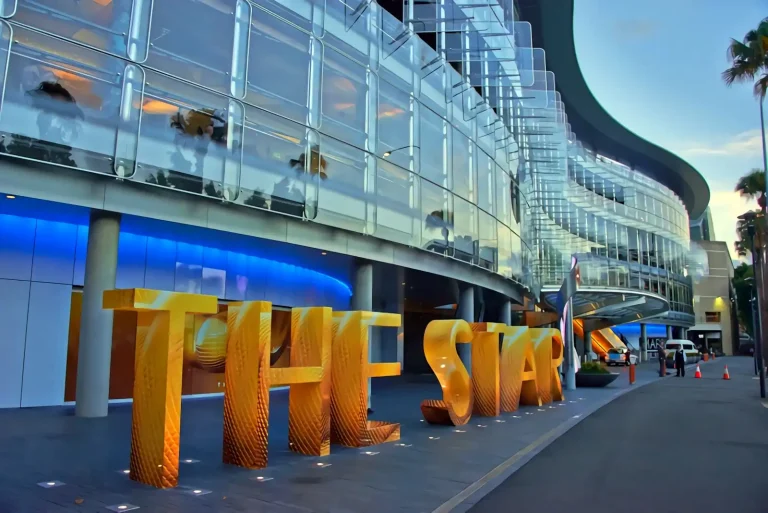
Shareholders of Australia’s second-largest casino operator The Star Entertainment Group have voted in favor of a AU$300 million ($196 million) package that could save the company from falling into bankruptcy.
The two resolutions were passed with over 99 percent approval by shareholders, effectively cementing The Star’s lifeline.
The company has been desperately trying to stay afloat, after a series of investigations and fines over misconduct, in particular linked to AML and KYC practices.
The board of The Star had unanimously recommended that shareholders vote in favor of the capital injection, as the company’s casinos continue to operate under state-appointed managers amongst its remediation efforts.
The Star has undergone significant management changes over the course of its mitigation efforts, recently appointing Jennifer Cronin as Interim CEO of The Star Gold Coast (for a period of 12 months as it searches for a permanent CEO), Group Chief Risk Officer Rowena Craze, Group Chief Legal Officer Patrick McGlinchey and Independent Chair of The Star Sydney Helen Galloway.
Regarding the new recruitments, in particular that of Galloway, the group highlighted in a Tuesday release that it is ‘continuing its decentralization to its properties while also embedding its new Governance Framework as agreed with its regulator’.
Commenting on the appointments, Steve McCann, CEO and Managing Director of The Star noted that “These appointments add to the depth of experience and talent at the Board and executive level and are a key step in The Star’s progress to suitability”.
Estonian start-up Tugi Tark has formally launched with a mission to modernise the iGaming industry’s approach to customer support, using the combination of large language models, machine learning, and a dataset of over 10 million iGaming customer service tickets resolved over the years.
According to the tech disruptor, which is only now emerging from stealth mode, the future of player support will be proactive and automated, rather than reactive and manual.
Tugi Tark’s AI agents, available 24/7, resolve a significant percentage of cases independently, increasing each month as support teams train their AI agents. This streamlines the player experience and frees up human staff to focus on higher-value tasks.
Crucially, the agents can provide support in more than 250 languages, a key advantage for iGaming companies operating across multiple markets. Players are assisted in their native language, without the need for third-party translation tools or region-specific teams — reducing costs and breaking down language barriers.
Players parting with money expect fast, effective support at any time. Tugi Tark’s AI agents address this critical pain point. Slow response times remain one of the biggest frustrations in iGaming customer support — often due to staffing constraints.
Proactive support can improve the player experience across a range of issues, including failed payments. When a deposit fails, Tugi Tark receives an API call from the payment system with the error message. This instantly triggers a relevant chat with the player to clarify the reason and provide a solution. The result: improved customer satisfaction, successful deposits, and lower player churn.
Harpo Lilja, CEO of Tugi Tark
Tugi Tark CEO Harpo Lilja said: “We’re convinced we can help operators transform player support from a cost centre into a strategic competitive advantage. Support isn’t just about answering questions. It’s about creating momentum, trust, and loyalty. The quality of customer service is critical — it can make or break a VIP programme.”
“With human agents, the support times are inconsistent. Support staffing for a multi-market 24/7 operation is challenging and costly. High churn among staff is common, and the limit of talent is an unfortunate reality.”
“Combining both human and AI agents is the solution to the problem. AI agents can resolve many queries independently, and the rest are automatically routed to the most suitable human agent to guarantee a fast and effective resolution.”
Tugi Tark is a remote-first company headquartered in Tallinn, Estonia. The business has doubled its headcount in less than a year and is scaling rapidly to meet growing demand.
Five iGaming clients are set to onboard imminently, with further partnerships to be announced before the end of 2025.
“We understand high-value players, compliance, cost optimisation, player safety, and the nuances of iGaming support — because we’ve lived it,” added Lilja, who brings over a decade of experience in iGaming and a proven track record of elevating customer support across hundreds of brands.
“Every feature is designed to solve real-world challenges: regulatory pressure, global player bases, multi-brand operations, and 24/7 VIP care.”
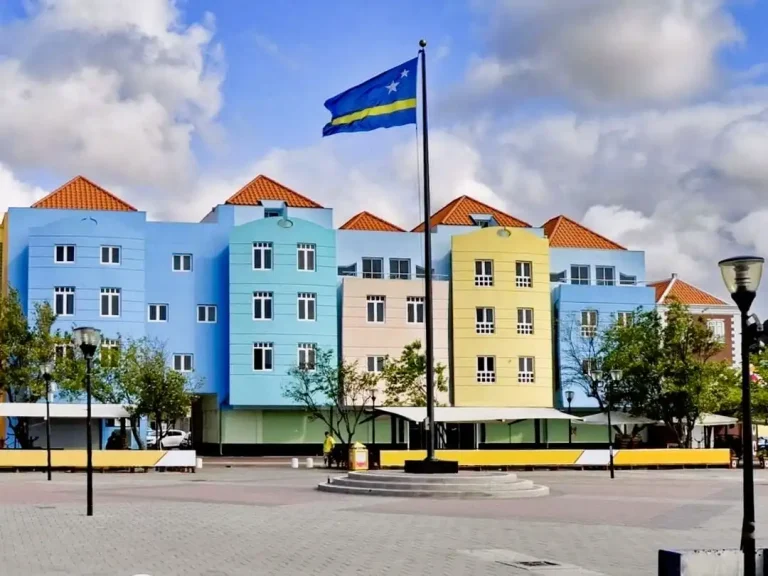
Good Morning. June is not typically the best month for GGR, and in Macau that’s particularly true given the hype around May’s Golden Week. But analysts at JP Morgan indicate that the month is surpassing expectations, poised to hit $2.43 billion in GGR, potentially the first double-digit growth to be seen in months. Looking to the world of iGaming, Curacao has announced that it is extending its provisional licenses as the LOK transition goes on, giving some space for operators to retool, rethink and level up.
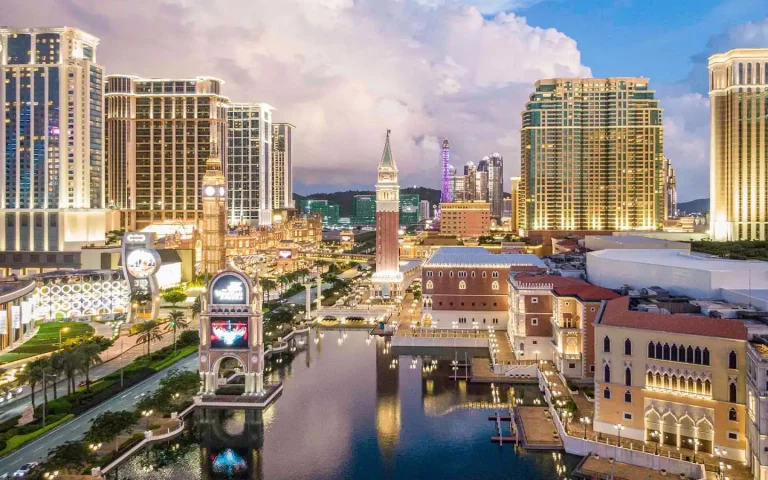
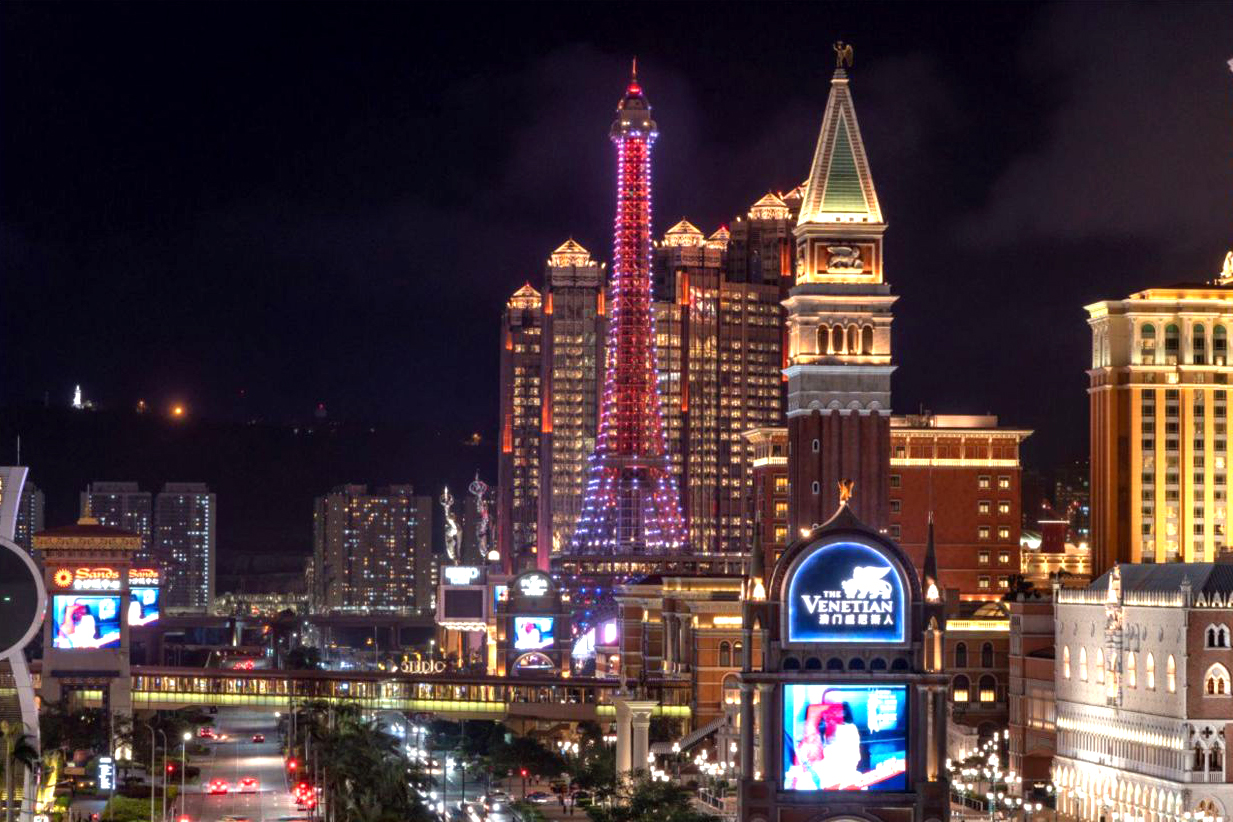
Macau is working hard to break records. The latest investment memo from JP Morgan indicates that the typically slow June period is actually performing much better than expected, with the possibility for the first double-digit growth in GGR in months. If everything pans out, gaming revenue could hit $2.43 billion in what is normally a slower month (post Golden Week), supported in part by non-gaming entertainment options.
With over 30% of global gaming revenue projected to come from Asia soon, the window of opportunity is wide open. Bettorify’s white-label and turnkey solutions deliver what most platforms miss: sharp execution backed by real local expertise.
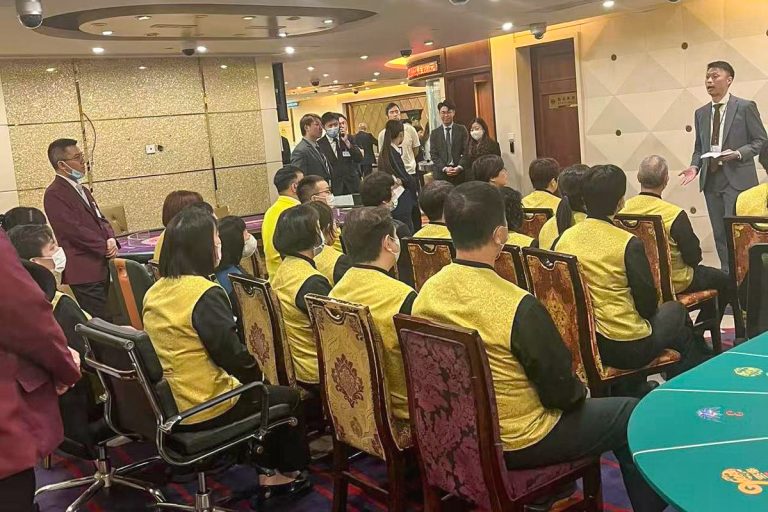
Macau’s Labor Affairs Bureau (DSAL) has begun implementing a series of transition support measures for employees affected by operational adjustments at satellite casinos and slot parlors, with intensified efforts starting on June 9th, 2025.
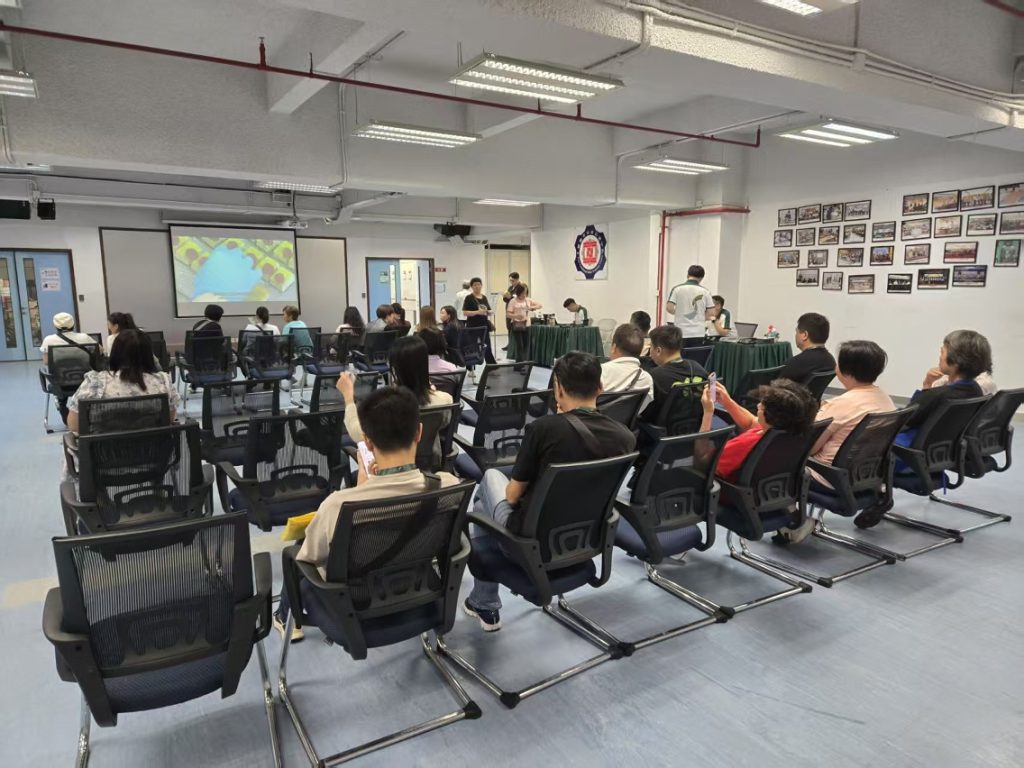
The DSAL conducted joint inspections of 10 satellite casinos and 3 slot parlors while directing gaming concessionaires to organize briefing sessions explaining employee rights. By June 20th, 52 sessions had reached 4,812 workers—including 4,457 staff from concessionaires and 355 directly hired by satellite casino operators.
The briefings covered approximately 93 percent of seconded staff and about 43 percent of directly hired satellite casino employees, according to the DSAL.
Beyond monitoring labor rights education, the DSAL organized targeted job-matching sessions to facilitate employee redeployment. Through June 18th, seven recruitment events were held with concessionaires SJM Resorts, Galaxy Entertainment Group, and Sands China. These sessions offered positions across marketing and customer service, food and beverage, culinary arts, facilities management, and hygiene and sanitation.
Some 423 individuals participated in the job-matching activities, which DSAL representatives monitored on-site while providing employment counseling services. The Bureau pledged to continue monitoring hiring outcomes and ensuring proper employment arrangements by concessionaires.
However, the government statement did not specify how many satellite casino staff have finalized their transition decisions. The city’s government estimates 5,600 local residents will be affected by satellite casino closures. Of these, 4,800 are directly employed by the three gaming concessionaires that license satellite businesses, while 800 work for satellite-venue owners. An additional 400 non-resident workers were also employed in satellite casinos.
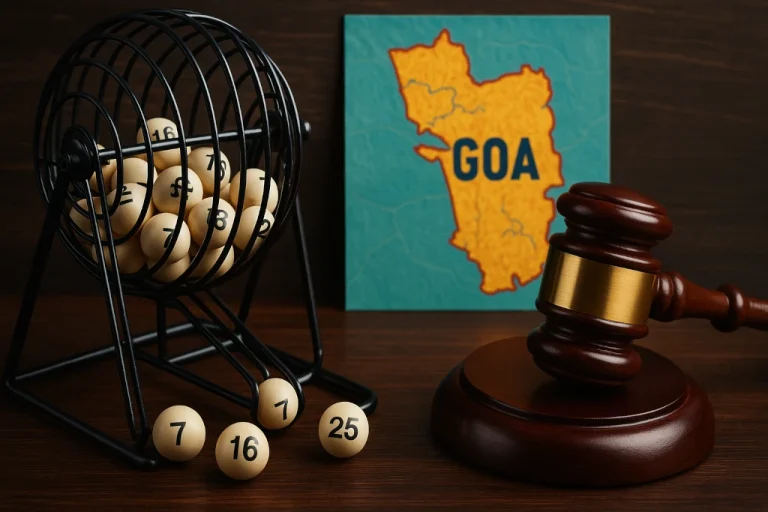
Two months after a sweeping ban on Housie – also known as Tambola or Bingo – was implemented in South Goa, the fallout continues to impact community clubs and sporting bodies, with no official relief in sight.
Housie has long been a staple of Goan village life, traditionally held during church feasts, football tournaments, and cultural fairs. The number-based game, where players mark off numbers on printed tickets to win prizes, was widely seen as a harmless pastime that doubled as a fundraising tool for local causes. But authorities now say its evolution into a high-stakes, cash-prize activity has pushed it across the legal threshold into the realm of gambling.
On April 5th, 2025, South Goa District Collector Egna Cleetus issued an order invoking the Goa Public Gambling Act 1976, to prohibit all Housie games involving cash prizes. The order granted local police and administrative officials the authority to raid venues, seize materials, and initiate legal proceedings against event organizers.
Since the directive took effect, more than a dozen events have been shut down. Banners have been taken down, halls emptied, and organizers summoned for questioning. Football clubs across the Salcete region – where the game was especially popular – have been particularly affected. “We have no other fundraising model,” a club representative from Navelim was quoted as saying in local media. “Our entire tournament budget used to come from these games.”
The root of the clampdown lies in the increasing commercialization of the activity. What began as modest community games gradually morphed into full-fledged entertainment events, often advertised online, complete with DJs, food stalls, and large cash pools. Some offered prizes as high as INR2 million ($24,000), with entry tickets priced between INR500 and INR1,000 ($6–$12).
Authorities argue that such developments represent a clear deviation from traditional formats and constitute unlicensed gambling. “Small-scale games were never the issue,” said Goa Chief Minister Pramod Sawant. “But when people start offering INR1.5 million to INR3 million ($18,000–$36,000) in prizes, it crosses the line. This is not about culture, it’s about the law.”
In an effort to find middle ground, around 40 football clubs submitted a joint appeal to the Goa Football Association (GFA), requesting that the government allow them to continue running Housie under regulated terms. The proposal included limiting total prizes to INR100,000 ($1,200) and committing to transparent accounting. Despite the outreach, no exemptions or formal permissions have been issued to date.
The ban has sparked criticism from various quarters. Opposition parties have accused the government of applying a “selective morality,” pointing out that high-stakes casinos continue to operate legally in Goa while community-driven games are being penalized. Legal professionals, too, have weighed in on the grey areas of interpretation in the Gambling Act, particularly when applied to legacy activities with strong cultural roots.
In the meantime, some event organizers have reportedly begun experimenting with semantic and logistical workarounds – advertising prizes as “points” instead of cash, or holding smaller, invite-only games in private venues. Authorities have warned that such tactics will not shield anyone from prosecution if the events are found to violate the April order.
The standoff has left South Goa in a state of legal and cultural limbo. While the government has shown no inclination to rescind the ban, mounting pressure from sports and cultural bodies may force a policy reconsideration in the months ahead.
FusionPlay, the latest casino aggregation company developed by the team behind EvenBet Gaming, has officially rebranded and will now operate under the name FlexPlay. 15/07/2025
FlexPlay1, a new name in iGaming aggregation, has officially launched with the promise to transform how operators access and deploy online casino content with an ultra-fast, scalable, and startup-friendly solution.
Founded by Dmitry Starostenkov, the CEO of renowned online poker solutions provider EvenBet Gaming, and led by CEO Alexandra Artemova from the company’s base in Belgrade, Serbia, FlexPlay has been designed to meet the rising demand for agile casino products in emerging and established markets.
Leaning on EvenBet’s extensive iGaming expertise, FlexPlay’s turnkey solution has been developed to enable online operators to choose from over 15,000 casino games and more than 230 providers all through a single, seamless integration. The basic aggregator offering, consisting of the handpicked titles from top-performing content creators, takes only seven days to launch.
The aggregator’s offering is set to empower operators of all sizes, from startups to established brands, with the tools they need to grow rapidly with the flexibility that they don’t always find in traditional aggregator business models.
The platform’s unique ‘no growth – no fees’ model offers operators a low-risk entry point. For instance, should a partner’s user numbers or GGR remain below a set threshold within the first three months, they pay no content fees, removing one of the biggest cost barriers for newcomers.
In addition to ready-made content libraries, FlexPlay will support ongoing content optimisation with tailored recommendations based on audience and regional performance, allowing operators to benefit from a data-driven approach to game deployment.
Alexandra Artemova, CEO at FlexPlay
By offering powerful aggregation capabilities without the usual complexity, FlexPlay opens the door to drive business growth for underserved operators and provides emerging content studios with a vital route to market.
Alexandra Artemova, CEO at FlexPlay, said: “Our goal with FlexPlay is to take the pain out of casino content integration and empower operators to grow faster. Whether an operator brand is launching into a new market or scaling their business to new heights, FlexPlay is built to support operations of all sizes to move quickly, efficiently, and with total confidence in expanding an online casino offering.”
Dmitry Starostenkov, Founder of FlexPlay and EvenBet Gaming CEO, added: “FlexPlay is the result of years of industry knowledge and listening to what operators truly need: fast access to great content, expert support, and fewer hurdles to growth. We’re proud to introduce a solution that is as flexible as it is powerful.”
The Curacao Gaming Authority (CGA) has announced an automatic six-month extension of provisional licenses initially granted under the new National Ordinance for Games of Chance (LOK), offering breathing space for operators navigating the country’s shifting regulatory landscape.
The update, released on 23rd June 2025, confirms that the provisional licenses issued to operators on 24th December 2024 – when the LOK regime officially came into force – are due to expire on 24th June 2025. However, unless a licensee has already received direct notification from the CGA regarding non-extension, the authority states that the license will be extended by default for a further six months, until 24th December 2025.
The CGA noted that it has already contacted entities whose provisional approvals will not be renewed. All others can expect to receive updated license documents covering the extended period by Friday, 27th June 2025.
This blanket extension applies to both B2C operators (Green Seal holders) and B2B licensees. It underscores Curacao’s gradual but determined shift toward a more robust and transparent regulatory environment under LOK, with the CGA signaling that full compliance will be expected by the end of this second provisional phase.
Operators are expected to fulfill all obligations listed in the CGA’s online portal checklists, including new policies aligned with the LOK framework. Those who received licenses after 24th December 2024 must also show significant progress toward compliance within their first six months, as further extensions – or a full license – will depend on demonstrated effort.
The announcement reflects Curacao’s strategy of encouraging responsible growth in its online gambling sector while giving stakeholders sufficient time to adapt to new legal and technical standards.
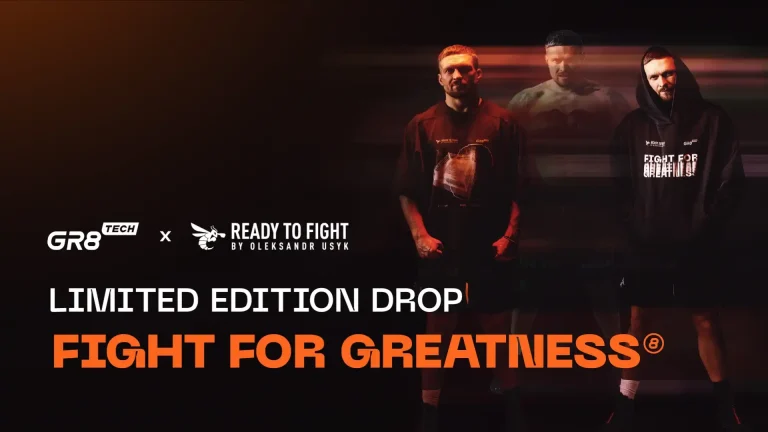
GR8 Tech has announced the debut of its limited-edition performance clothing and equipment drop: Fight for Greatness. Inspired by the champion mentality of Oleksandr Usyk and his Ready to Fight platform, the collection channels the same high-performance culture of those who thrive under pressure, move with purpose, and execute without compromise.
FIGHT to PERFORM—this single idea behind the collection reflects the heavyweight mindset GR8 Tech and Ready to Fight share: progress and success are earned, not gifted. It is the thread that ties together performance, purpose, and ambition across each item in the drop.
“Fight for Greatness is a statement of how we operate at GR8 Tech and how we see the world. We spent over three months shaping this line, from the first sketch to the final stitch. Behind each of the 10 items is the work of more than 20 passionate people who brought their creativity, expertise, and belief in the message to life. We didn’t just design clothes, we translated a culture of performance into gear you can wear,” said Iryna Ilchanka, Creative Lead at GR8 Tech.
Explore the Collection
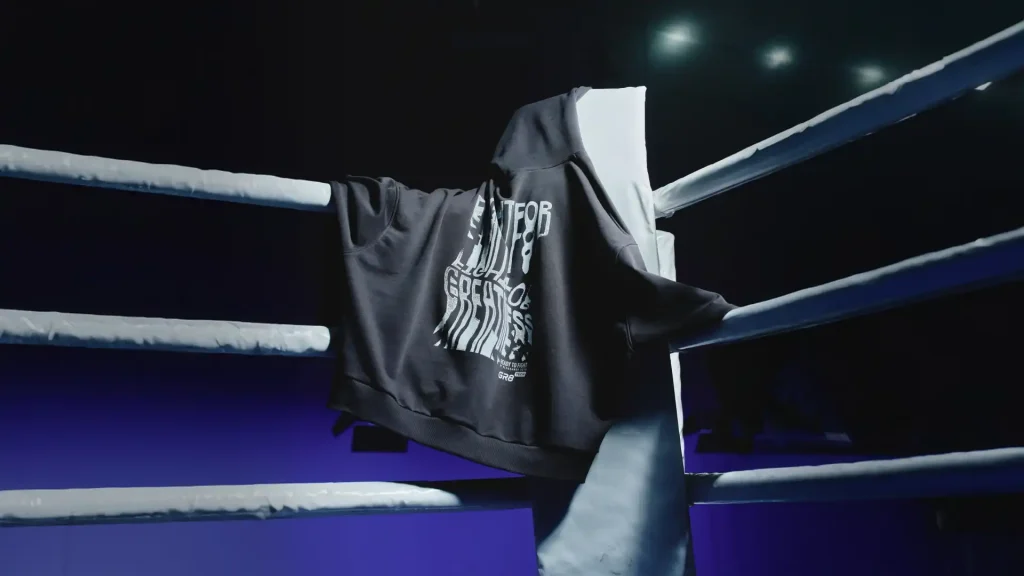
Fight for Greatness line blends elevated style with uncompromising performance. From soft-touch tees and premium hoodies to moisture-wicking sport sets and precision-cut boxing gear, each piece balances everyday comfort with functional power. Accessories like ergonomic hydration bottles and high-tech protective mouth guard round out the lineup.
The collection reflects its core dualities: casual wear meets cutting-edge innovation, minimalism pairs with bold statements, and style integrates with utility. Built to move under pressure, each piece reflects the mindset of champions—where style meets strategy, and performance never lets up.
Join the Heavyweight Club
The Fight for Greatness collection is part of GR8 Tech’s Heavyweight Club—a community for iGaming professionals who lead under pressure, deliver consistent performance, and scale with purpose.
“We believe lasting success is built on partnership, not just products. The Heavyweight Club brings that to life—a space where iGaming leaders collaborate, innovate, and raise the bar together. The Fight for Greatness collection reflects that same mindset. For us, performance is culture—and it shows in everything we do, right down to what we wear,” said Viktor Ishkov, Head of Global Marketing and Strategy at GR8 Tech.
The limited-edition drop is available online and will be showcased at iGB L!VE London, July 2–3, 2025. Visit GR8 Tech at booth U34 to see the collection, connect with the team, and join the movement.
Social media influencers in Australia are under increased scrutiny after the country’s online gambling watchdog warned of tough penalties for promoting illegal gambling services.
The Australian Communications and Media Authority (ACMA) said it has observed a rise in influencers promoting unlicensed online casinos and gambling platforms through popular platforms such as Instagram, Facebook and TikTok. The authority stressed that such promotions are illegal under Australian law and could expose influencers to severe civil penalties.
‘We are seeing influencers live-stream themselves gambling or sharing tutorials on how to use illegal platforms’, the watchdog said. ‘Many include direct links to these services or run giveaways tied to them — all of which are against the law.’
Under Australian regulations, online slot machines (commonly known as pokies), casino-style games like blackjack, and in-play sports betting are prohibited unless licensed by the government. It is also illegal to promote or offer unlicensed lotteries and wagering services within the country.
Influencers who profit from promoting these services — whether through affiliate links, paid promotions, or sponsored content — are considered in breach of the law. Individuals found guilty can face civil penalties of up to AU$59,400 ($38,643).
In cases where influencers are found to facilitate direct access to illegal gambling services, fines can climb as high as AU$2.4 million ($1.5 million).
The ACMA has issued a clear warning that it is monitoring online content closely, particularly where younger audiences are involved. The authority is concerned that many of these illegal gambling services do not offer basic consumer protections, leaving users — especially younger Australians — exposed to financial harm and potential scams.
“These platforms are not regulated. There are no safeguards. Once people lose money, there is often no way to get it back,” indicated an ACMA spokesperson.
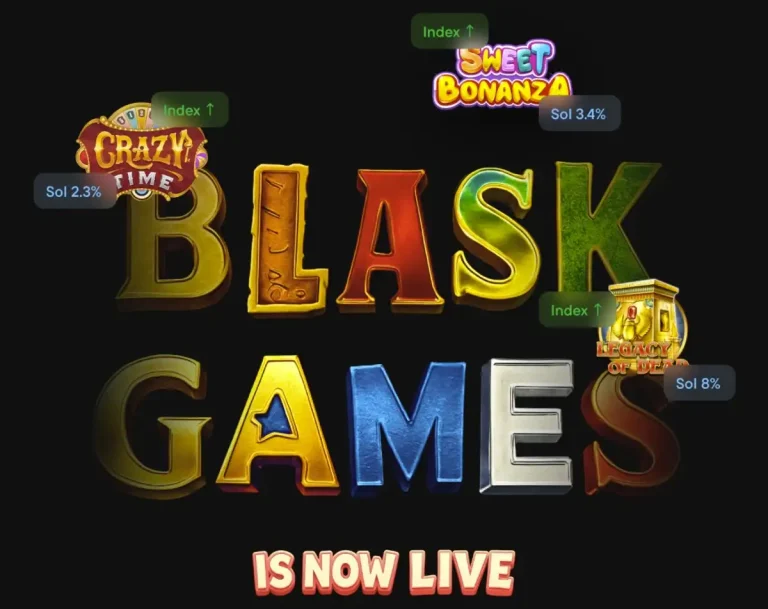
Blask has unveiled Games, a new dashboard within its real-time iGaming analytics platform, empowering operators, providers, and affiliates to answer two previously elusive questions in one place: ‘How visible is the game in casino lobbies right now?’ and ‘How much of the market’s attention does it command?’
Games fuses three lenses into a single dashboard.
Game Visibility Rank (GVR) shows the casino’s side: the Blask AI crawl numbers every identifiable tile in every lobby, so a score of 1 means “hero position” while 80 means “buried eight screens down.”
On the demand side, Blask Index converts the raw volume of game-related search queries into a daily score that can be compared across the other games and countries, and Share of Interest (SoI) expresses that score as a percentage of the whole market’s curiosity, making it easy to see who is winning or losing attention at a glance.
Taken together, the trio turns screenshots and hunches into a live market ticker — refreshed every 24 hours — so you start each morning with the new reality, not last quarter’s guesswork.
Max Tesla, co-founder and CEO of Blas
“iGaming moves in hours, not quarters,” said Max Tesla, CEO & Co-founder of Blask. “Games translates that motion into numbers anyone can read before the first coffee — a Nasdaq-style board for content teams, a Bloomberg terminal for game providers.”
Portfolio and promotion decisions shouldn’t wait for stale click logs or revenue reports that miss real momentum from creators, sponsors, or regulatory shifts. Blask Games fills that blind spot, turning real-time placement and demand signals into concrete next steps for every player in the value chain.
Casino operators see, in one glance, which titles players are actively searching for and whether those hits are already sitting in their first-row carousel — or hiding three scrolls down. That means faster catalogue swaps, sharper bonus spend and fewer missed trends;
Game providers track how high their releases land in lobbies and how interest evolves country-by-country, letting them time marketing pushes, negotiate better placement and prioritise certification where demand is hottest;
Affiliates and media buyers discover which games own the conversation before they build campaigns, boosting conversion rates and partner payouts;
Market analysts and investors monitor share-of-interest curves as an early indicator of future GGR, weeks before revenue reports surface.
In short, Blask Games replaces hunches with a daily, data-backed read on both supply (Game Visibility Rank) and demand (Blask Index and Share of Interest), so decisions keep pace with the industry’s break-neck growth.
In the current open beta, Blask Games is available for five select countries: India, Brazil, Spain, Netherlands and South Africa.. It’s fully native to the Blask platform — no additional subscriptions or downloads required.