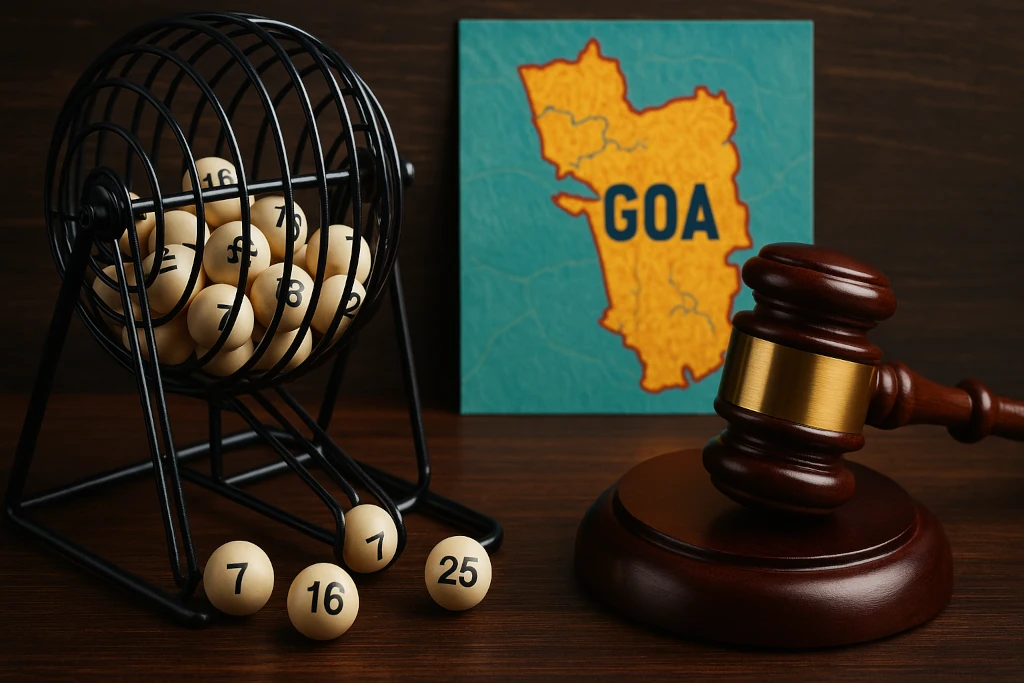
Two months after a sweeping ban on Housie – also known as Tambola or Bingo – was implemented in South Goa, the fallout continues to impact community clubs and sporting bodies, with no official relief in sight.
Housie has long been a staple of Goan village life, traditionally held during church feasts, football tournaments, and cultural fairs. The number-based game, where players mark off numbers on printed tickets to win prizes, was widely seen as a harmless pastime that doubled as a fundraising tool for local causes. But authorities now say its evolution into a high-stakes, cash-prize activity has pushed it across the legal threshold into the realm of gambling.
On April 5th, 2025, South Goa District Collector Egna Cleetus issued an order invoking the Goa Public Gambling Act 1976, to prohibit all Housie games involving cash prizes. The order granted local police and administrative officials the authority to raid venues, seize materials, and initiate legal proceedings against event organizers.
Since the directive took effect, more than a dozen events have been shut down. Banners have been taken down, halls emptied, and organizers summoned for questioning. Football clubs across the Salcete region – where the game was especially popular – have been particularly affected. “We have no other fundraising model,” a club representative from Navelim was quoted as saying in local media. “Our entire tournament budget used to come from these games.”
The root of the clampdown lies in the increasing commercialization of the activity. What began as modest community games gradually morphed into full-fledged entertainment events, often advertised online, complete with DJs, food stalls, and large cash pools. Some offered prizes as high as INR2 million ($24,000), with entry tickets priced between INR500 and INR1,000 ($6–$12).
Authorities argue that such developments represent a clear deviation from traditional formats and constitute unlicensed gambling. “Small-scale games were never the issue,” said Goa Chief Minister Pramod Sawant. “But when people start offering INR1.5 million to INR3 million ($18,000–$36,000) in prizes, it crosses the line. This is not about culture, it’s about the law.”
In an effort to find middle ground, around 40 football clubs submitted a joint appeal to the Goa Football Association (GFA), requesting that the government allow them to continue running Housie under regulated terms. The proposal included limiting total prizes to INR100,000 ($1,200) and committing to transparent accounting. Despite the outreach, no exemptions or formal permissions have been issued to date.
The ban has sparked criticism from various quarters. Opposition parties have accused the government of applying a “selective morality,” pointing out that high-stakes casinos continue to operate legally in Goa while community-driven games are being penalized. Legal professionals, too, have weighed in on the grey areas of interpretation in the Gambling Act, particularly when applied to legacy activities with strong cultural roots.
In the meantime, some event organizers have reportedly begun experimenting with semantic and logistical workarounds – advertising prizes as “points” instead of cash, or holding smaller, invite-only games in private venues. Authorities have warned that such tactics will not shield anyone from prosecution if the events are found to violate the April order.
The standoff has left South Goa in a state of legal and cultural limbo. While the government has shown no inclination to rescind the ban, mounting pressure from sports and cultural bodies may force a policy reconsideration in the months ahead.