
Some names change the game. Conor McGregor is one of them. 1xBet announces a partnership with the UFC’s first-ever double-champion, a global sports superstar, and the man who forever transformed the world of mixed martial arts.
Not just a fighter. Not just a champion. McGregor is a phenomenon who helped turn the UFC from a niche sport into a global spectacle – driving record-breaking PPV sales, attracting worldwide media attention, and engaging millions of fans. Every time the Irishman steps into the octagon, it becomes an international event.
The 1xPartners affiliate program is getting a major boost. The legendary Notorious is now a long-term part of the 1xBet.
This partnership carries special importance ahead of UFC 329, which takes place on July 11. The main event will feature a rematch between Conor McGregor and Max Holloway, 13 years after their first meeting. Their 2013 bout marked a turning point in both fighters’ careers, and the upcoming clash is already being described as the most anticipated MMA event in recent years.
For 1xBet, partnering with one of the world’s most recognizable athletes creates new ways to reach a global audience, strengthens the brand’s international presence, and gives 1xPartners affiliates additional opportunities to scale sports traffic. Our affiliate program offers competitive monetization terms, including up to 50% RevShare, regular payouts, and a comprehensive suite of modern tools. This helps to consistently deliver strong conversion and engagement rates worldwide.
For 1xPartners affiliates, this is a chance to become part of a large-scale project, leverage one of the most recognizable athletes’ incredible media influence, work with the hottest traffic from the biggest UFC events, and continue growing with 1xBet.
Join the 1xPartners affiliate program and become part of a story that’s just beginning.
This campaign is promoted by 1xBet l and is intended only for users in jurisdictions where the relevant services are legally available. 21+ only. Please gamble responsibly.
Macau’s gaming sector is taking a larger share of visitor spending despite the city’s broader non-gaming push, with casino play rising as both a travel motive and budget priority among mainland Chinese consumers, according to a CLSA survey of 800 Chinese nationals with past Macau gaming experience.
CLSA analysts Jeffrey Kiang, Lance Noble and Alex Zheng said the survey points to steady Macau demand ahead, with 79 percent of respondents planning to visit the city over the next 12 months. The report described the sector’s outlook as ‘momentum intact but needs boost’.
The survey found that gaming accounted for 41 percent of respondents’ reasons for visiting Macau, the highest level in CLSA’s three-year survey series, compared with 37 percent in 2024 and 32 percent in 2025.
Gaming also took a larger share of planned travel budgets, rising to 24 percent in 2026 from 19 percent in 2025. That increase came as entertainment, including concerts, and shopping lost share as travel motivations, falling to 22 percent and 20 percent, respectively, from 26 percent and 24 percent last year.
Gaming share rises as non-gaming softens
The findings contrast with Macau’s long-term policy direction of expanding non-gaming tourism and with the recent focus on entertainment-led visitation.
CLSA said gaming and non-gaming still represent a ‘healthy mix’ of travel purposes, with non-gaming accounting for 59 percent of respondents’ reasons for visiting Macau. However, the report noted that the higher weight on gaming had ‘taken a toll on entertainment and shopping’.
The broker said visitation remains supported by Macau’s proximity to mainland China, language convenience for Chinese tourists and positive safety perceptions. It also noted that Macau recorded 18.1 million visitor arrivals in the first 5 months of 2026, 5.5 percent above the same period in 2019.
Travel demand is also shifting toward major holiday periods. Some 44 percent of responses pointed to October Golden Week as a planned travel period, while 16 percent selected Chinese New Year. Interest in second-quarter public holidays declined, while 11 percent of respondents still planned to travel during ‘off-peak’ periods, a level CLSA said could support a smoother gaming revenue trajectory around Golden Weeks.
Premium customers remain the mainstay
The report also points to a widening gap between premium and non-premium visitors.
Same-day visitors accounted for 8 percent of respondents’ planned Macau trips, up from 4 percent in 2024. CLSA said these day trippers were mainly concentrated among respondents with a monthly income of RMB10,000 ($1,473) or below, indicating that ‘spending power of non-premium segments remains muted’.
By contrast, higher-income groups showed the strongest willingness to raise travel and gaming budgets. Among respondents with monthly income of RMB60,000 to RMB69,999 ($8,837 to $10,309), 57 percent planned to increase travel budgets, while the figure was 61 percent for those earning RMB70,000 ($10,309) or above.
Gaming budgets showed a similar split. Some 52 percent of respondents in the RMB60,000 to RMB69,999 ($8,837 to $10,309) monthly income group and 47 percent of those earning RMB70,000 ($10,309) or above said they had allocated more money for gaming activities on their next Macau trips.
CLSA also found that higher-income visitors plan to spend more time in casinos, with respondents earning RMB50,000 ($7,364) or above per month allocating 26 percent to 32 percent of their Macau travel time to gaming.
The survey’s player segmentation also pointed to a more resilient mid-tier base. Grind mass players, defined by CLSA as those with gaming budgets of RMB25,000 ($3,681) or less per person, accounted for 63 percent of respondents, while base mass players, with budgets of RMB25,001 to RMB200,000 ($3,682 to $29,455), rose to 31 percent. Premium mass players, defined as those with budgets above RMB200,000 ($29,455), represented 7 percent.
Visa access and regional competition
Simpler visa logistics were the single most important factor that could encourage more Macau trips, cited by 26 percent of respondents. This ranked ahead of more discounts and promotions, concerts and other entertainment events, a stronger renminbi and new integrated resorts.
The survey also showed potential regional competition for Macau. While 54 percent of respondents said they did not plan to visit gaming jurisdictions outside Macau over the next 12 months, the remaining 46 percent indicated interest in other markets. Singapore and Korea ranked as the most popular overseas gaming destinations, with 32 percent and 23 percent of responses, respectively.
Casino choices driven by quality
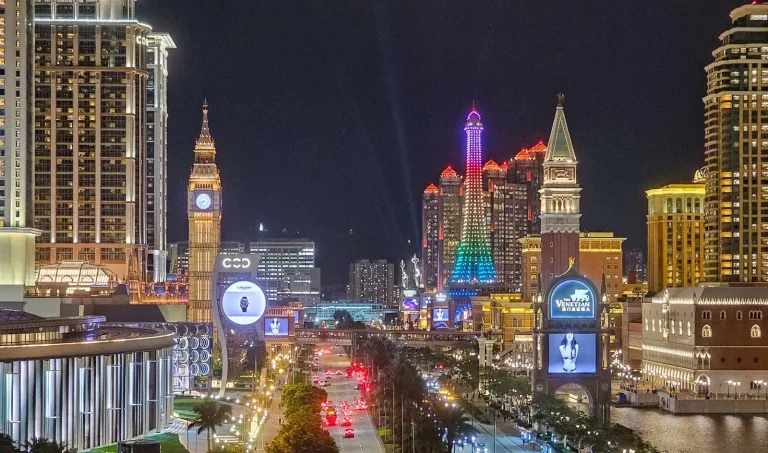
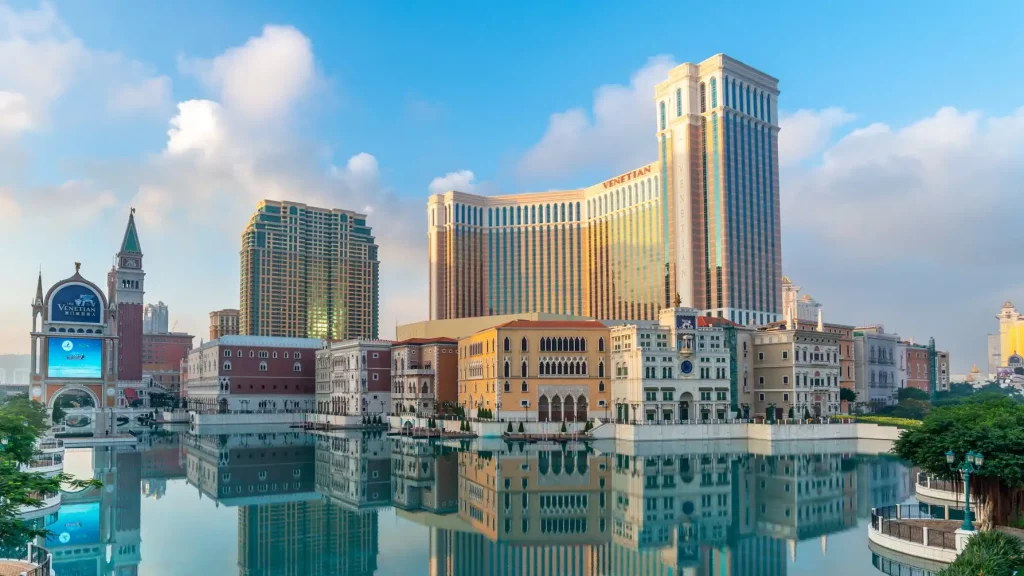
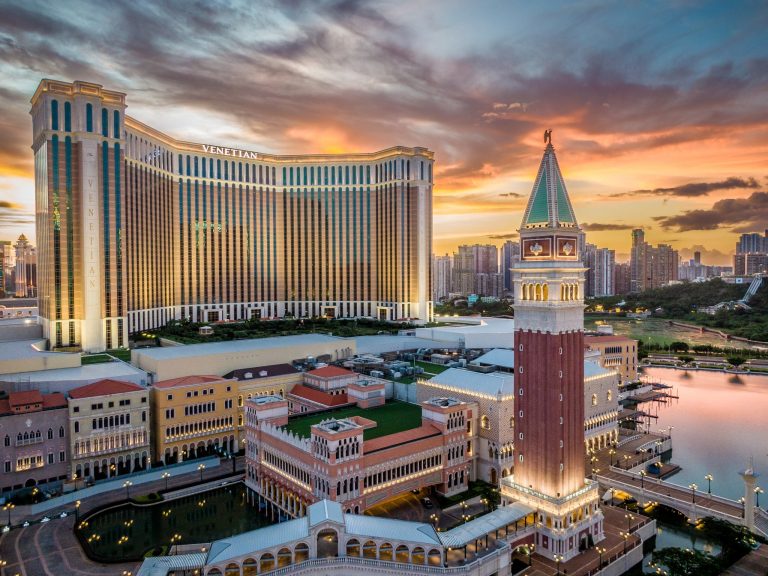
Sands China and SJM remained the most preferred operators among respondents, with Venetian Macao and Grand Lisboa receiving the highest number of votes as planned casino destinations, at 24 percent and 23 percent.
Galaxy maintained what CLSA called a ‘solid and steady’ position as both a gaming and hotel destination, despite rising competition from non-concessionaire hotels.
The report also noted a contrast between consumer preference and investment ratings, with SJM ranking strongly among surveyed visitors while being the only Macau concessionaire in the report rated ‘Underperform’ by CLSA.
Casino choice was driven mainly by word of mouth, casino product quality, staff service and positive past experiences. Loyalty programs ranked as the least-considered factor in both 2025 and 2026, while rebates and promotions were the second-least considered factor.
CLSA said this aligned with concessionaires’ view that the market competes on ‘quality and services’.
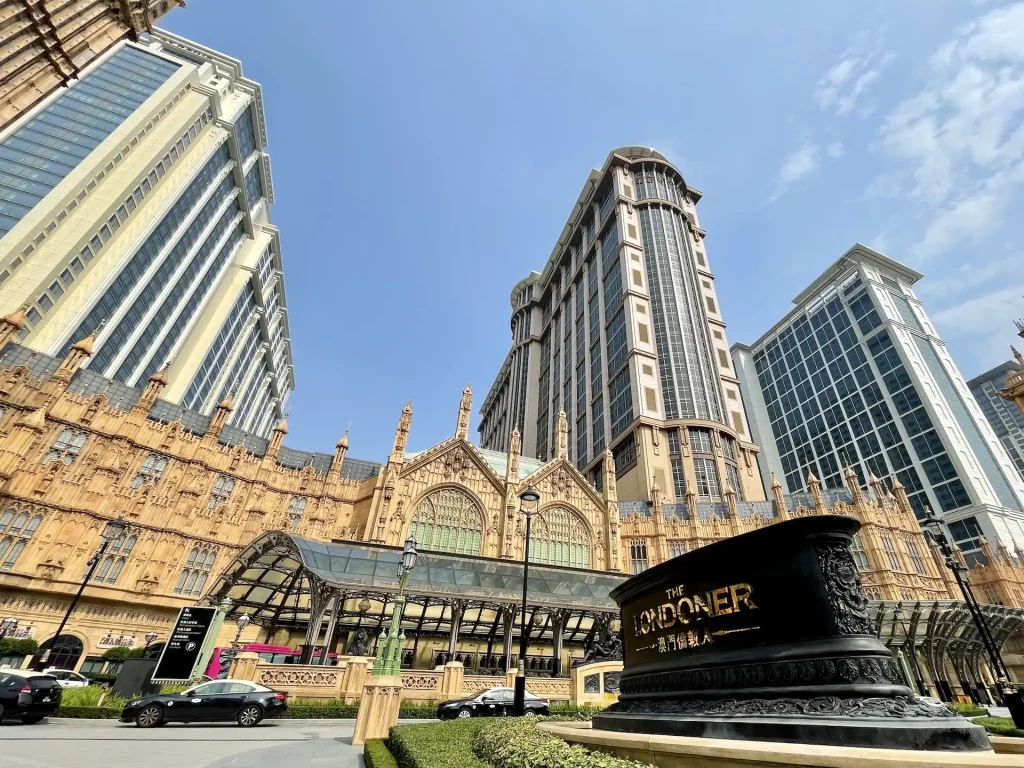
The broker added that Macau’s shopping appeal was broadly stable but no longer improving significantly, attributing the shift to a lack of new resort openings or major property refreshes after the completion of Londoner Phase 2 in April 2025 and before Galaxy Macau Phase 4, slated for the second half of 2027.
Sports have long ceased to exist solely within the confines of a match. Fans follow teams on social media, discuss news between fixtures, watch behind-the-scenes content, and expect a deeper connection with clubs than a single broadcast can provide.
As a result, audience expectations have evolved, raising the standards for how sports organisations and brands engage with fans.
In this environment, the role of brand sponsors is also changing. Simply being present at a major sporting event is not enough: people quickly distinguish between a formal sponsorship status and truly valuable collaborations. Therefore, sports partnerships are becoming a key part of the communications strategy of companies that want to engage with their audiences not just occasionally, but throughout the season.
This approach is clearly demonstrated by 1xBet. The international brand is an official partner of FC Barcelona, Paris Saint-Germain, Italy’s Serie A, FIBA, Volleyball World, MIBR, The MongolZ, and many other leading sports and esports organisations. Such a portfolio reflects a broad strategy: connecting with different markets, disciplines, and sporting communities through the universal language of sport.
How has the role of sports partnerships changed?
Just a few decades ago, the effectiveness of a sports partnership was largely measured by audience reach. A logo on a team jersey, brand visibility during broadcasts, or advertising placement within a stadium were considered strong indicators of a successful collaboration. Today, that is no longer enough.
The root of these transformations lies in changing media consumption. Fans interact with sports daily, not just on matchday: they follow club accounts, watch player interviews, discuss transfers, and consume analytical content. Audience attention is now spread across dozens of platforms, forcing brands to find new ways to remain part of the sports agenda.
Against this backdrop, sports partnerships are gradually becoming a tool for ongoing fan engagement. They help create additional touchpoints between audiences, organisations, and brands, maintaining interest in sports far beyond the final whistle.
What does a fan get?
A sports fan will always have a match, standings, a score, and a favourite club. The brand’s role in a partnership is to enhance this experience by providing more content, creating additional opportunities for engagement, and maintaining interest in sports beyond game day. Therefore, a significant share of modern partnership projects is focused on audience interaction. Exclusive content, fan activities, events for supporters, and various communication formats help strengthen the relationship between sports and their followers.
For a fan, meeting a player or coach is one of the most powerful ways to connect with sports. Seeing someone you usually follow in person on the pitch, in the arena, or on a screen; asking questions; taking photos; hearing stories from inside the team – these moments make the sports experience personal. That is why Meet & Greet events and similar formats help bridge the gap between fans and professional sports.
Various activities held during matches and major tournaments serve a similar purpose. They create additional emotional engagement around sporting events and transform attending competitions into a more comprehensive experience that goes beyond simply watching the game.
Importance of local context
Despite the global reach of sports, fan behaviour is heavily influenced by local context. People consume content differently, have their own traditions of supporting teams, and vary in their expectations of brand interactions.
For this reason, in the regions where 1xBet operates, the company partners with ambassadors and members of the sports community to adapt communications to the local context. This approach allows it to consider the specifics of each market and make audience engagement more relevant.
What does it mean for affiliates?
For the 1xPartners ecosystem, 1xBet’s sports strategy has direct practical value: it helps partners engage with audiences through familiar sports contexts, relevant newsworthy events, and strong brand recognition. When a brand is present in the global sports landscape, affiliates can more easily build communications, adapt creatives for different markets, and explain the product’s value to users already engaged with sports.
South Korea’s two listed foreigner-only casino operators, Grand Korea Leisure (GKL) and Paradise Co, both posted sharp month-on-month declines in casino sales for June, according to separate filings to the Korea Exchange on Thursday, July 2nd.
GKL recorded June casino sales of KRW37.2 billion ($24 million), up 6.9 percent from a year earlier but down 13.8 percent from May. Table game sales came in at KRW33.28 billion ($21.5 million), up 5.3 percent year-on-year, while machine game sales rose 22 percent year-on-year to KRW3.92 billion ($2.5 million).
The revenue decline outpaced the drop in visitation. Data published on GKL’s website shows an estimated 16,986 table game visitors in June, down 5.5 percent from May but up 17.6 percent year-on-year. VIP visits fell 14.3 percent month-on-month to 2,664, while premium mass visits slipped 3.7 percent to 14,322, still up 20.7 percent from a year earlier.
Paradise Co reported a steeper fall, with June casino sales of KRW63.17 billion ($40.8 million), down 21.2 percent year-on-year and down 35.6 percent from May. Table game sales dropped 23.6 percent year-on-year to KRW57.61 billion ($37.2 million), while machine game sales gained 16.8 percent to KRW5.56 billion ($3.6 million).
Despite the weak monthly showing, both operators posted single-digit growth for the first half of 2026. GKL’s cumulative casino sales reached KRW227.17 billion ($146.8 million), up 8.2 percent year-on-year, while Paradise Co’s totaled KRW477.62 billion ($308.6 million), up 5.1 percent. GKL’s first-half table game visitation rose 17 percent to 97,437.
Paradise Co’s June table drop stood at KRW641.13 billion ($414.3 million), up 10.3 percent year-on-year, taking first-half drop to KRW3.81 trillion ($2.46 billion), up 8.1 percent.
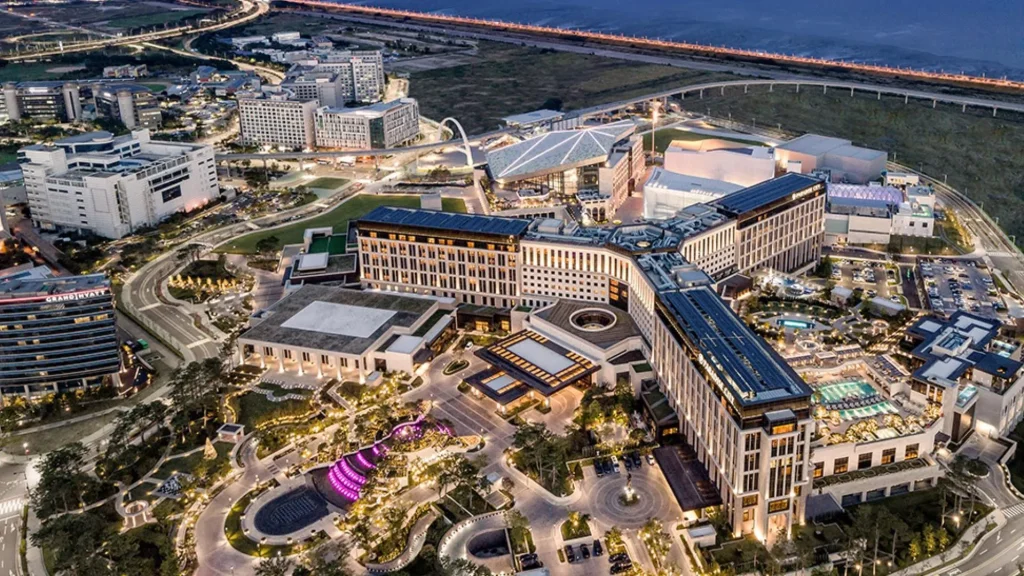
GKL operates three Seven Luck-branded casinos in Seoul and Busan, while Paradise Co runs venues at Walkerhill Seoul, Busan, Jeju, and Paradise City in Incheon, its joint venture with Japan’s Sega Sammy.
To mark its anniversary this summer, WinSpirit has unveiled ‘Alchemy of Passion,’ an expansive campaign that leverages gamification and narrative-driven rewards to deepen player engagement.
Built around the concept of discovering the legendary Elixir of Passion, the campaign transforms traditional promotional mechanics into an interactive journey. Players are invited to collect ingredients, complete quests, unlock rewards, and explore new experiences — turning every spin and action into part of a larger adventure.
Throughout the campaign, players can access multiple engagement features, including the Gift Portal, Gift Shop, Mystery Elixirs, quests, tournaments, and exclusive bonuses created specifically for the celebration.
From a product perspective, Alchemy of Passion highlights WinSpirit’s approach to developing creative promotional solutions that help operators increase player interaction, strengthen loyalty, and deliver memorable brand experiences. By combining narrative-driven mechanics with rewarding gameplay elements, the campaign provides partners with a flexible engagement tool designed to support retention and long-term player relationships.
The campaign also reflects WinSpirit’s continued investment in innovation, exploring new ways to connect entertainment, technology, and player-focused experiences within the iGaming ecosystem.
This birthday celebration is WinSpirit’s way of thanking the community that continues to shape the brand. Instead of simply marking another milestone, the company is creating new opportunities for players to interact, discover rewards, and celebrate together.
While Alchemy of Passion is already live, another major experience is being prepared behind the scenes. Soon, players and partners will get their first look at Euphoria Lab — a brand-new concept designed to bring an entirely new level of engagement.
Hub88 has expanded its platform portfolio through a new partnership with emerging studio MadLab Gaming, which emphasizes transparency and player trust.
MadLab Gaming is an independent games studio focused on delivering fresh and transparent online casino entertainment. By combining high-volatility slot mechanics with interactive game formats, the provider offers operators a content mix designed to improve retention, appeal to different preferences and establish player trust.
Through the deal, Hub88’s operator partners will gain access to a mix of engaging slot titles and lighter interactive mini-games, including Reel Royale Hotel, Area 777 and Fifth Sun Serpent. Each title is backed by provably fair technology that allows players to independently verify outcomes and change seeds directly within the game.
The addition of MadLab Gaming to Hub88’s platform builds on the aggregator’s reputation for introducing operators and their players to the most exciting, emerging studios and aiding differentiation in a crowded landscape. Ollie Castleman, Managing Director at Hub88, said: “We’re always on the lookout for studios that offer something a bit different, whether that is a bold new approach, in-demand game formats or unique mechanics. MadLab Gaming offers all these strengths, and we are looking forward to adding their growing portfolio to the platform.”
“Partnering with Hub88 will allow us to bring MadLab Gaming’s games to a wider audience and continue to scale at pace,” added Mariel Yonnadam, Founder at MadLab Gaming. “Not only does Hub88 offer seamless integrations, but they are renowned for investing heavily in their backend technology, which is a significant bonus for us as a growing studio. We look forward to delivering our rich portfolio and exciting roadmap to their partners.”
Brightstar Lottery announced that it has signed an exclusive five-year extension agreement with Sony Pictures to continue developing and distributing Ghostbusters-themed omnichannel lottery games globally.
Stacey Kerr, Senior Vice President of Global Licensing at Sony Pictures Entertainment, said that Ghostbusters remains an iconic global franchise with enduring popularity. She noted that Brightstar has played a key role in helping Sony Pictures connect with both longtime fans and new audiences, and expressed enthusiasm about continuing the collaboration to deliver dynamic, high-quality lottery experiences that resonate with players worldwide.
Matthew Whalen, Senior Vice President of Global Instant Ticket Services at Brightstar, stated that the company has been a proud licensee of Sony Pictures’ Ghostbusters franchise since 2015 and is excited to continue bringing the fan-favorite brand to players through innovative and engaging experiences.
Whalen highlighted that the partnership has resulted in the launch of more than 25 games across over 20 lotteries worldwide, spanning traditional instant tickets, Brightstar’s patented Infinity Instants lottery tickets, Fast Play games, and an exclusive eInstant game. Whalen added that, with the contract extension, Brightstar aims to further expand the Ghostbusters franchise through immersive omnichannel experiences designed to elevate fan engagement.
GoldenRace, a leader in Virtual Sports and betting solutions, has officially announced the launch of its next-generation V5 mobile solution, engineered to handle high-volume player traffic without compromising performance.
The new platform redefines the mobile betting experience by delivering absolute brand autonomy, native gamification, and unparalleled speed.
In the competitive gaming landscape, delivery mechanism matters just as much as content quality. While Virtual Sports drive consistent engagement, underlying platforms must remain fast, responsive, and reliable across varying network conditions worldwide. With this operational priority in mind, GoldenRace’s V5 technological leap moves beyond traditional layout constraints to offer a unified user interface and user experience built completely from the ground up.
To appreciate this evolutionary leap forward, it is essential to look at how the mobile experience transforms from previous generations to the New V5 Solution:
From two applications to a unified app
V5 consolidates architecture into a single, high-speed application that optimises game entry and drastically reduces load sizes by 80–90%.
From standard layouts to WebGL full branding
Building on previous generation frameworks, V5 introduces advanced WebGL capabilities that unlock high-fidelity graphics and give operators absolute branding authority.
From standalone mechanics to native gamification
Moving forward into a fully seamless journey, V5 natively supports engaging promotional tools like custom Tournaments, Leaderboards, and Free Bets across all games.
To tackle player friction and maximise conversion, this unified system introduces three major mobile upgrades. The Lobby features modular layouts, and a one-click toggle to swap seamlessly between scheduled and instant views.
Simultaneously, the next-gen Betslip leverages rich visual components and smart organisation to keep the betting journey perfectly seamless. To drive player retention, native dynamic Leaderboards offer flexible funding and custom point logic for bespoke player competitions.
Migrating to the future of mobile gaming does not require a complex overhaul; upgrading your entire operation is as simple as changing a single line of code to instantly switch to V5 and activate infinite potential. Because the quality of your mobile delivery directly determines your bottom line, the V5 framework ensures players stay right where they want to be: in the action.
Operators looking to elevate their sportsbook’s mobile performance and drive player retention can try out the brand-new V5 mobile solution demo or connect with the GoldenRace team to secure a competitive advantage today.
Macau’s gross gaming revenue is expected to fall between 7 and 9 percent year-on-year in July, weighed down by the World Cup, before returning to low single-digit growth in the second half of 2026, according to a Wednesday note from Seaport Research.
The brokerage forecasts a rebound of about 5 percent year-on-year in August, with third-quarter GGR estimated to rise around 2 percent and the fourth quarter around 4 percent. Full-year 2026 revenue is projected to grow approximately 4.8 percent, with growth accelerating to 6.5 percent in 2027.
Seaport estimates average daily GGR of about MOP658 million ($81.5 million) in July, up 6 percent month-on-month but equivalent to only 83 percent of July 2019 levels.
The forecast follows a weaker-than-expected June, when GGR fell 11.9 percent year-on-year to MOP18.55 billion ($2.29 billion), the lowest monthly figure since September, which was severely affected by weather. Analyst Vitaly Umansky attributed the decline to the World Cup’s impact on visitation, adding that ‘noise around money flows may limit some player activity’.
Second quarter GGR slipped 0.1 percent year-on-year, the first quarterly decline since 2019 excluding the COVID years. The softness was partly driven by low hold, with VIP hold estimated at below 2.8 percent, compared with 3.5 percent in the same period last year and a normal level of around 3.3 percent.
On profitability, the analyst said operators’ margins are set to remain under pressure, although cost increases in 2026 should be more muted than in 2025, with operating expense growth in the 6 percent to 7 percent range. Player reinvestment and agent commissions remain high, and Seaport does not foresee ‘any improvement in the market in the near/medium term’.
While there has been some hope that the government may step in to limit commissions or player reinvestment, the brokerage said it does not expect this to happen in the foreseeable future. ‘Margins will remain pressured while opex continues to rise, revenue growth remains tepid and player reinvestment sees no sign of retrenchment,’ Umansky wrote.
Singapore strength continues
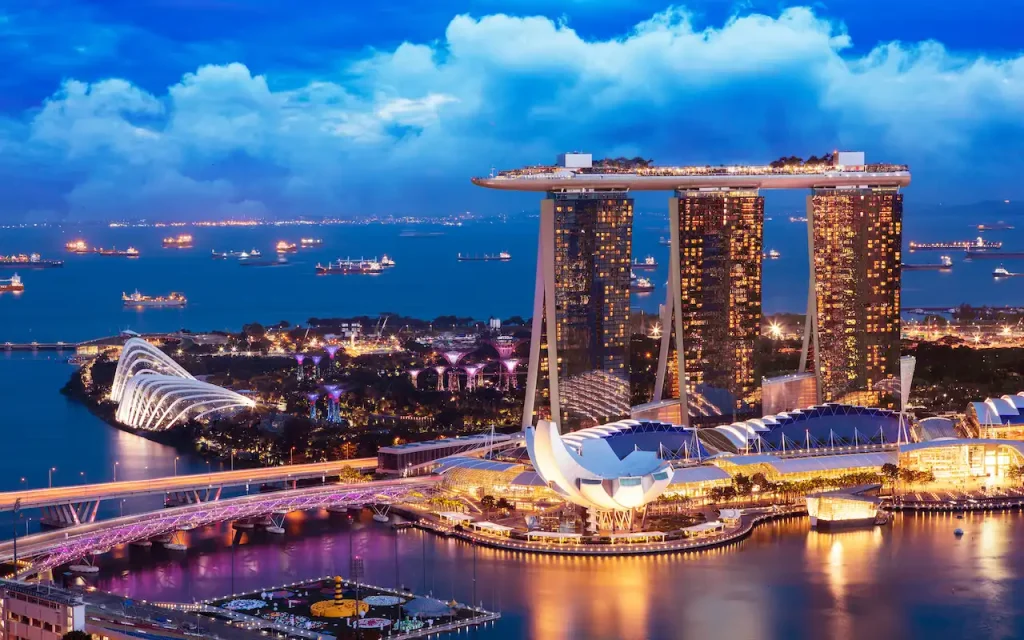
In Singapore, Seaport described Marina Bay Sands as ‘the preeminent high-end Asia gaming destination’, benefiting from liquidity inflows, ease of transport, and a high-quality product and service offering.
The brokerage cautioned that any disruption to cryptocurrency transaction capability, stablecoin impairment, or a clampdown on money flows from China would negatively impact revenues.
Macau’s June GGR fell 12.1 percent year-on-year to MOP18.52 billion ($2.29 billion), as the FIFA World Cup weighed on gaming demand. Analysts said the result was broadly in line with expectations, but the sequential decline from May was weaker than normal seasonal trends. Citigroup and Deutsche Bank expect the tournament to continue affecting demand in early July, before a possible recovery later in the month.
Yevhen Krazhan, CSO at GR8 Tech, explores how surging crypto adoption across Asia is revolutionizing iGaming payments, stating: “When I look at what’s changing fastest in Asia, it’s payment behavior,” as wallets, stablecoins, and seamless cross-border transfers become deeply ingrained in player habits. The winning operators will be those that offer fast, reliable, and local deposits and withdrawals. To make sense of it, Yevhen breaks Asia into two crypto realities.