



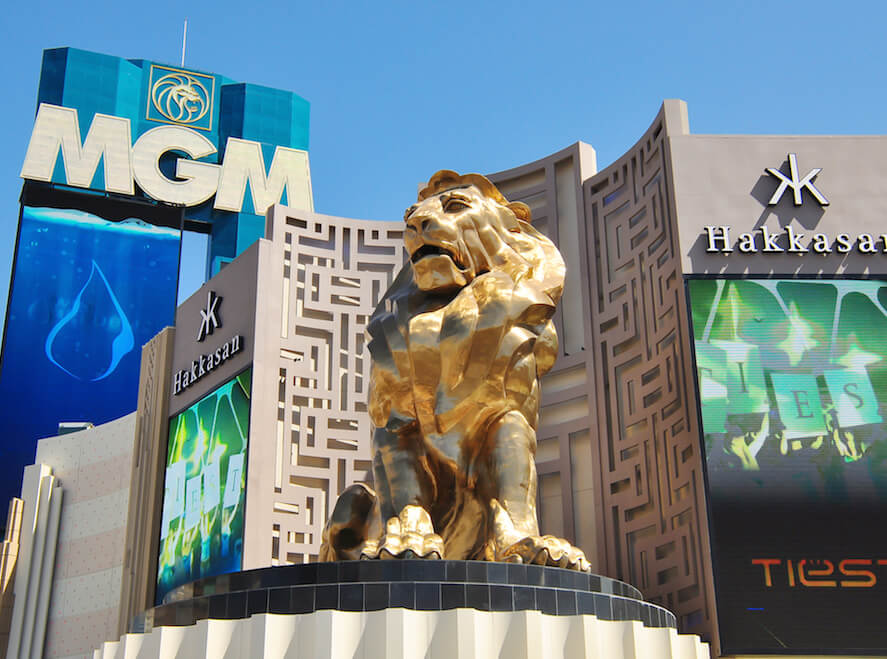
US-based gaming operator MGM Resorts International has signaled its interest in investing $3 to $5 billion in a casino resort project in Bangkok, but emphasizes Thailand will need to establish “competitive” tax rates and reasonable local access policies to create a sustainable integrated resort (IR) model.
This is the first time international gaming operators have disclosed the potential investment amount, even though it is still at a very early stage of preliminary estimation.
Ed Bowers, president of global development at MGM Resorts, told the Bangkok Post that new countries embracing integrated resort investments need to remain competitive with regional players, particularly regarding casino taxation structures. Singapore, which MGM views as a successful model, maintains an average tax rate of 17 percent on gross gaming revenue, while Macau and Japan impose significantly higher rates at 40 percent and 30 percent respectively.
“Integrated resorts not only have a significant impact on economies and tourism, but they also help to eliminate existing problems related to gambling,” Bowers stated, emphasizing the potential economic benefits of regulated gaming.
In March last year, a draft bill by a parliamentary committee set 17 percent gaming tax in Thailand, but so far there is no definitive number confirmed from a legislative perspective.
Local access policies present challenges
The MGM executive highlighted the critical importance of allowing reasonable local access to casino facilities, pointing to South Korea as a cautionary example.
In South Korea, all but one casino property are prohibited from receiving locals, which has made the gaming industry more vulnerable as it can only rely on foreign visitors. The executive referenced INSPIRE Entertainment Resort, without mentioning it by name, noting that such policy has caused financial struggles for the casino resort, which eventually resulted in it being put up for sale due to insufficient revenue generation.
“It is essential governments understand the fundamentals of how the casino business works,” Bowers noted, advocating for evidence-based policy development. He suggested Thailand’s entry fees for locals should not exceed Japan’s rate, which plans to collect approximately JPY6,000 ($41.7) per local visitor at its developing casino properties.
At this point, Thai authorities are still evaluating the THB50 million ($1.5 million) deposit requirement for local gamblers, which has been a more controversial point in the gaming law for investors.
Bangkok in focus as prime location
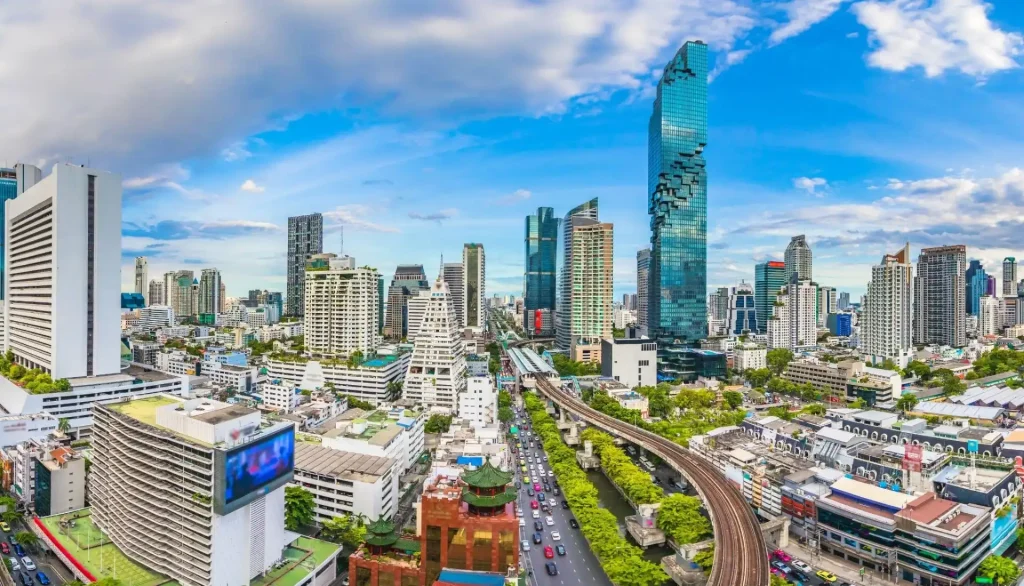
MGM’s interest specifically targets Bangkok due to the capital city’s ability to attract foreign tourists. The company believes a major metropolitan area like Bangkok could potentially support up to two casino resorts, though Bowers suggested one large integrated resort would likely be sufficient.
The company’s location preferences center on areas with substantial population density, convenient airport access, robust public infrastructure for tourists, and iconic settings that naturally draw visitors.
In March this year, the special committee overseeing Thailand’s entertainment complex project announced Bangkok, Chon Buri, Chiang Mai, and Phuket as the first four locations for development. Thailand plans to issue between five to eight entertainment resort licenses in the country.

Casino floor space and development plans
Regarding Thailand’s draft entertainment complex legislation, which limits casino floor space to 10 percent of total development area, Bowers indicated this appears reasonable. He noted that MGM typically prefers a 5-10 percent allocation, though added that proportions should be calculated based on each government’s policies and market demand.
For comparison, Singapore’s two integrated resorts maintain casino spaces under 5 percent of their total available area, while Japan caps casino areas at 3 percent.

Addressing social concerns
In addressing concerns about gambling-related social issues and money laundering, Bowers emphasized that many operators, including MGM Resorts, have established responsible gambling measures. He argued that legalized, regulated casino environments can actually help maintain or reduce gambling problems through responsible gaming programs funded by casino tax revenue.
Beyond gaming revenue, Bowers highlighted how MGM’s developments create significant employment opportunities for local communities, a practice the company maintains when investing in new jurisdictions.
Thailand’s potential entry into the regulated gaming market comes as several Asian countries continue developing their integrated resort strategies, with Singapore’s model allowing its two casino properties to generate gaming revenue six to eight times higher than their Las Vegas counterparts, according to MGM’s assessment.
According to reports, four internationally renowned casino operators, including Wynn Resorts and MGM Resorts, have held or scheduled discussions with the Thai government over the possible development of the country’s first entertainment complexes, with more in line to follow, the country’s Deputy Finance Minister Julapun Amornvivat has revealed. Two operators’ names have not been identified so far.