

Government regulations targeting the Philippines’ online gambling sector will ultimately benefit diversified gaming companies with the resources and technology to serve broader markets responsibly, according to a leading investment banking executive.
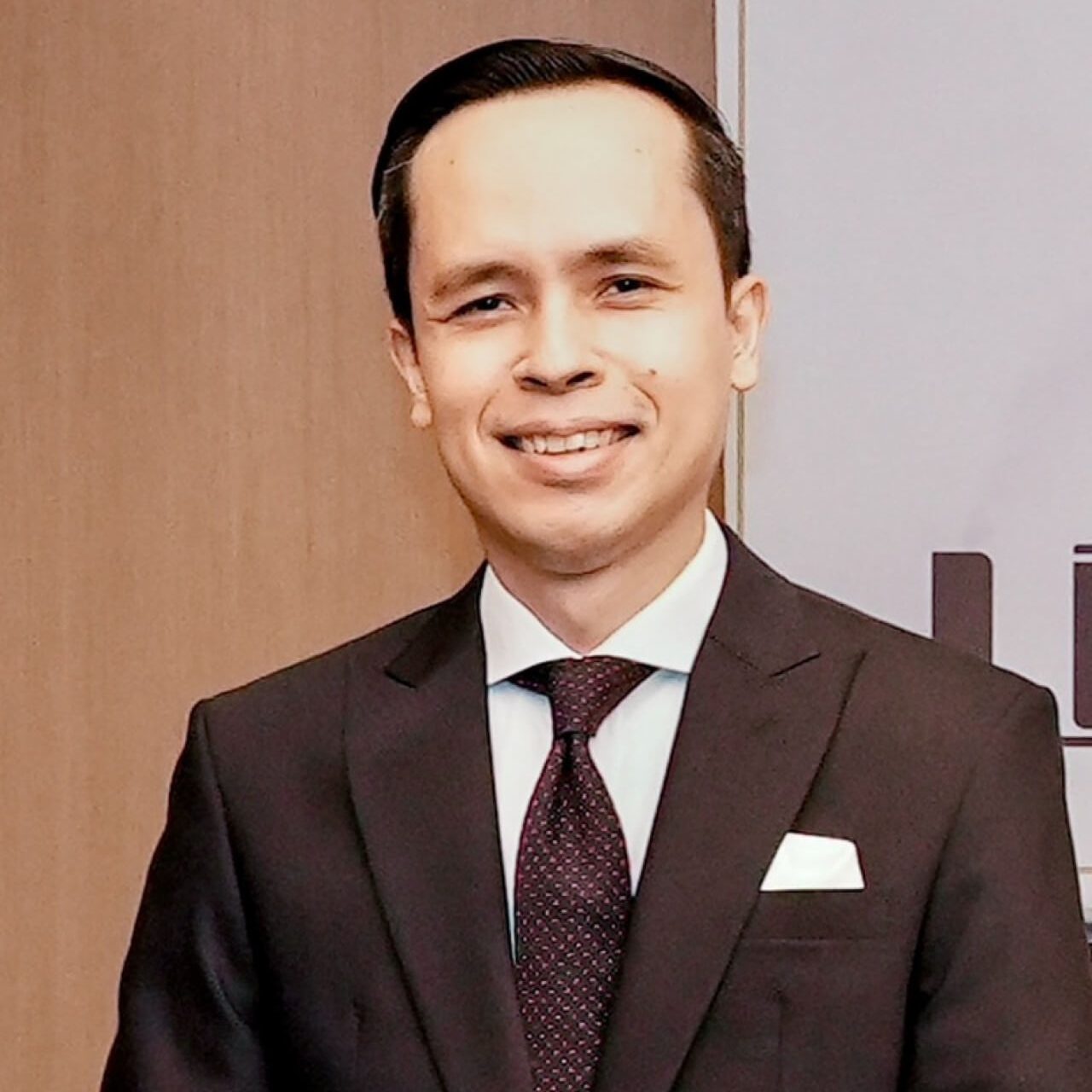
Juan Paolo Colet, Managing Director at Chinabank Capital, believes that while stricter online gambling regulations will impact operators, companies with diverse portfolios and substantial resources will be better positioned to navigate the changing regulatory landscape.
Chinabank Capital is the investment banking arm of China Banking Corporation, a leading private universal bank in the Philippines.
“I think that the government’s evolving gaming policies and regulations will ultimately favor diversified gaming companies who have the resources, technology, and offerings to responsibly cater to as large a market as possible.”
The executive’s comments come as the Philippines implements tighter controls on online gambling operations, including proposed measures from the Bangko Sentral ng Pilipinas (Philippines Central Bank) for daily spending caps, time limits, and enhanced due diligence for payments. The Department of Finance (DOF) is also studying higher taxes for online gambling operators.

Online players unlikely to shift to land-based casinos
However, Colet does not expect the regulatory changes to significantly alter the competitive dynamics between land-based and online gambling sectors. He suggests that online players facing restrictions on verified platforms are more likely to migrate to unregulated operators rather than traditional brick-and-mortar casinos.
“My sense is that many of those consumers of online gaming who are at risk of falling away due to regulatory tightening are more likely to be captured by underground operators rather than large land-based casinos,” he explained.
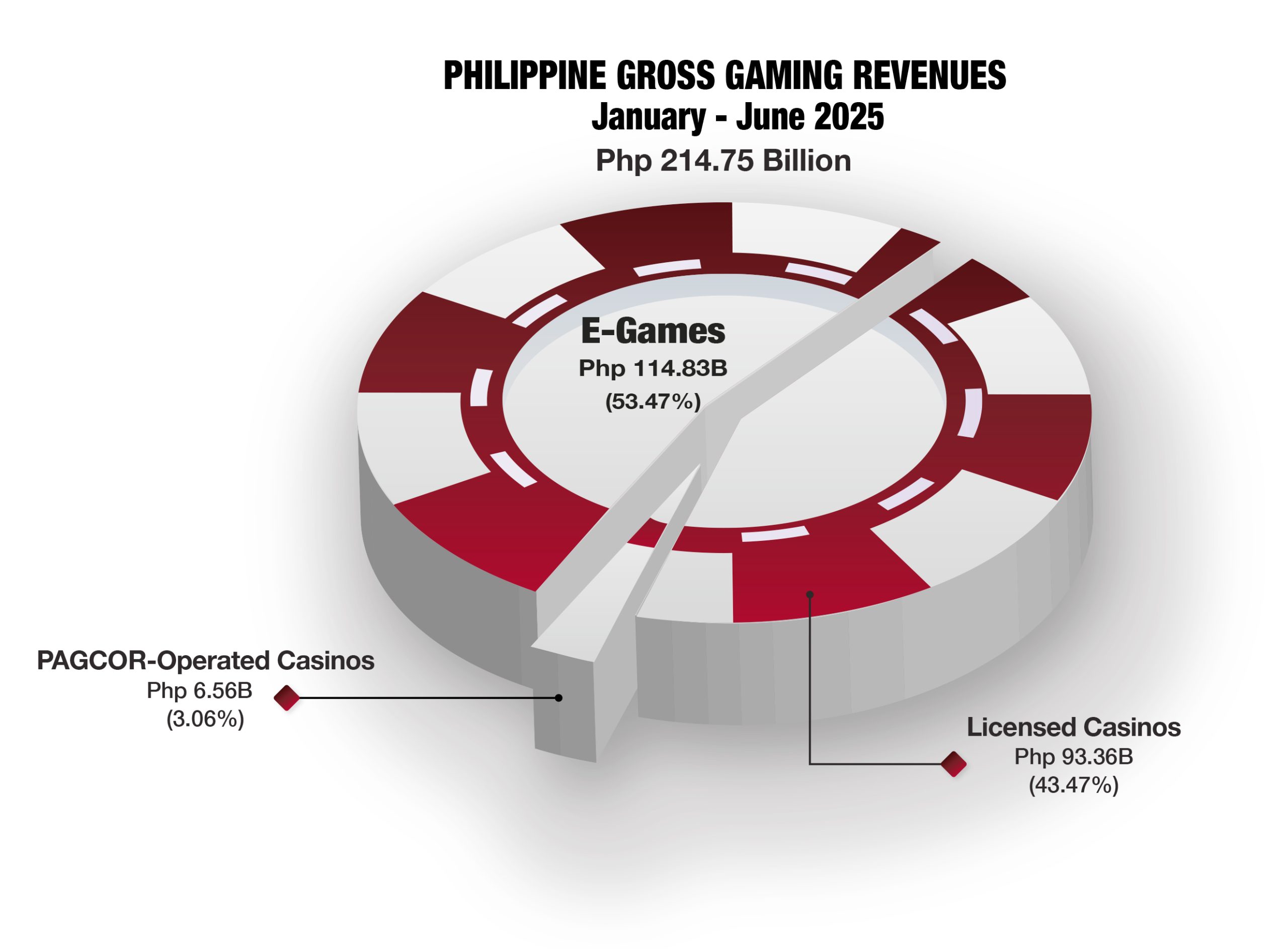
This shift could create challenges for the industry’s overall growth trajectory. Recent gross gaming revenue growth has been primarily driven by online gaming, and Colet warns that a slowdown in that sector due to tighter regulation could dampen the Philippines’ gaming industry performance unless there is “a massive resurgence of foreign players in local casinos.”
The regulatory pressures have already shown impacts on land-based operations. Casino performance has exhibited a slow trend since the Philippine Offshore Gaming Operator (POGO) ban, with many industry sources indicating that POGO operators were clients for these establishments.
Despite these challenges, Colet sees strategic opportunities for companies with integrated approaches. “It still makes sense for integrated resorts to pursue their expansion into online gaming, and it would make sense for online gaming companies to tap into the land-based casino market,” he said.

Tax increases and implementation concerns
Regarding potential tax increases, Colet noted that the Philippines currently maintains a competitive gaming tax regime compared to other regional markets. He suggested that as a compromise, the Department of Finance might consider imposing corporate income tax on online gambling firms at rates up to 10 percent.
“At this level, legitimate online gaming companies can still generate healthy returns for their investors while boosting government tax revenues.”
For the proposed spending controls and enhanced due diligence measures, Colet emphasized the need for practical implementation. He recommended focusing on two key areas: player age verification to exclude minors and reasonable daily spending caps to address social and behavioral concerns around online gambling.
“These need to be studied more carefully so that the controls are practical and easy to implement,” he said.
The executive strongly cautioned against implementing a total ban on online gambling, warning of significant economic consequences. Such a measure would “deprive the government of a large source of much needed tax revenues” and potentially drive the entire online gambling sector underground, creating unregulated black markets that could foster crime and corruption.

For companies like Bloomberry (parent of Solaire) that have invested in online gambling operations, Colet does not anticipate severe financial impacts from the regulatory changes. While he does not expect the situation to affect their financial covenants or loan servicing abilities, he noted that equity investors may need to adjust their growth expectations based on the final details of proposed policies and regulations.
The Philippine Amusement and Gaming Corporation (PAGCOR) has stated expectations that the country could surpass Singapore as Asia’s second-largest gaming hub by 2025. However, achieving this goal may require careful balancing of regulatory oversight with industry growth potential, particularly as the sector adapts to evolving government policies.