Gaming expert Daniel Cheng examines the intricacies of the ongoing spat between Japan and China, sparked by comments by recently elected Prime Minister Sanae Takaichi and resulting in swift economic sanctions which will cut into GDP.
No, the title of this commentary is not a reference to MGM Osaka, though I imagine the owners will be thanking their lucky stars that the resort isn’t open yet at this very moment. Neither is it about the couple more casino licenses that could soon be auctioned out to the highest bidders, albeit not in the open and transparent bidding style that one sees at the break of dawn every day at the famed Tsukiji fish market.
There are much, much higher stakes at this table, a game of geopolitical brinkmanship which holds the slimmest of odds, even less so than the razor-thin odds of baccarat, where the existence of a house advantage is moot. The Japanese casino industry is reduced to little more than a pawn on the historic Pacific theater, a stage where old wounds perpetually threaten to reopen.
In an age where xenophobia is fueling the rise of far-right regimes, fanning the flames of populism that even the world’s superpower has succumbed to, Japanese Prime Minister Sanae Takaichi is riding high on the wave, with the popularity of her new Cabinet surging past even the administration of her mentor Shinzo Abe.
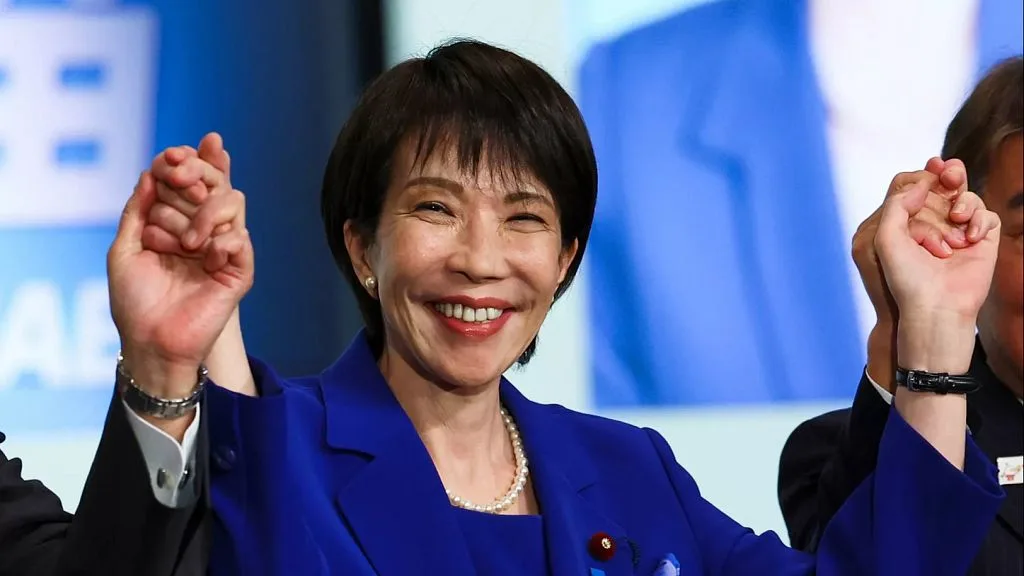
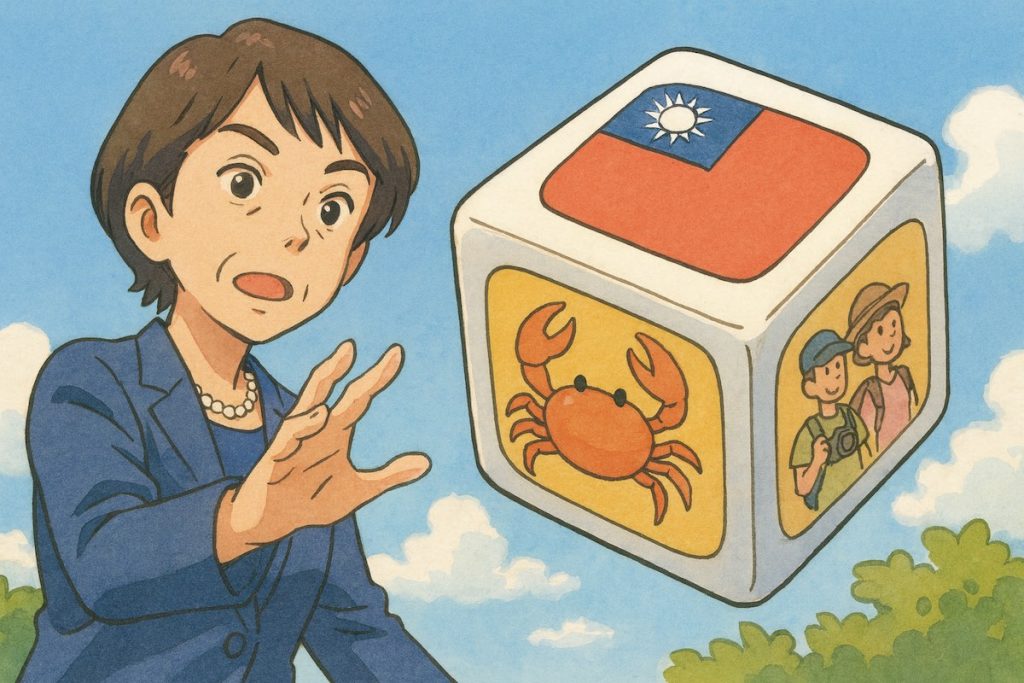
She’d extended the momentum of the honeymoon period with a high-profile diplomatic charm offensive on the international stage, basking in the limelight with the US and Chinese Presidents in quick succession. Then, goaded by an opposition lawmaker in the legislature, she revealed her hawkish side for the first time since taking office in a remark about Taiwan that scuttled all the positive vibes she had established with President Xi only days earlier.
It was what many feared about Takaichi: whether she could tone down her far-right tendencies in deference to realpolitik.
China bristled, as expected, from symbolic gestures in delaying the release of Japanese movies and fiery rhetoric on social media by state officials, to a more substantive response in dismissing plans for a meeting between Premier Li Qiang and Takaichi at the upcoming G-20 Summit and imposing soft economic sanctions by reining in Chinese tourists to Japan and suspending the import of Japanese seafood.
This first salvo of punitive measures is enough to shave up to half a percent off Japan’s GDP figure for the next year, which would not bode well for the nascent administration of Takaichi, already encumbered as a minority government in both chambers of the Diet.
If the Osaka casino resort were already in operation, it would have made a sizable dent in its revenue for the quarter or two. That was always a risk for the Japanese gaming industry given the tenuous Sino-Japanese history, a seasonal one perhaps but no less concerning. If China were to forcibly annex Taiwan, a scenario most commentators and think tanks deem unlikely for the foreseeable future, it is highly improbable that Japan would actually walk the talk and come to Taiwan’s defense.
One must assume that Takaichi’s statements were more rhetoric intended to fan nationalistic flames and cater to her right-wing bloc. Analysts are divided on whether it was an unguarded gaffe, where she simply couldn’t help herself, or a calculated probe to test how far she can shift the line, which is a far more dangerous game.
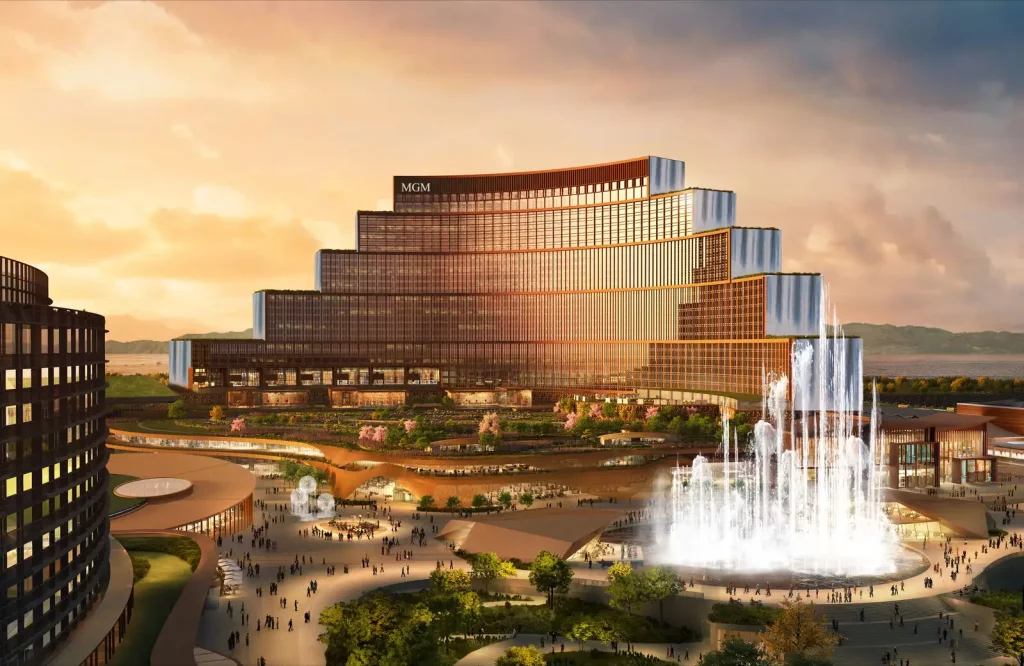
Regardless, MGM Resorts and ORIX are currently immune from these concerns, as the integrated resort will not open for business for at least five years, and Takaichi will by then have long since ceded the premiership. The larger question is whether Japan will continue its drift to the right, a trend reflected in the rise and growing influence of parties such as Kokumin-to and Sanseito. Such a trajectory is almost certain to produce more frequent rifts with China and greater business volatility for Japanese gaming operators.
The more immediate concern is the anticipated restart of the IR tender for the two unawarded licenses, with details and a timeline expected by year-end. With Takaichi having left with little room to backtrack on her statement, there is a strong probability that the impasse will persist when the bidding reopens.
Hard Rock International, long shadowing from the sidelines, along with other Western operators, will predictably make their move. It remains to be seen whether local Macau operators will step into the fray. For Melco Entertainment, listed on the US Nasdaq and seen as relatively untethered to Beijing, the calculus is less political and more financial, as it must determine whether it has the capital to navigate its highly leveraged books.
More interesting is how Galaxy Entertainment will assess its options. It is the only major Asian gaming operator that has yet to spread its wings outside of Macau, after a few prior unsuccessful jaunts in the Philippines, Japan, and Thailand. Galaxy was left empty-handed in its last foray into Japan with a mixed execution of its strategy that lacked a clear focus on any specific prefecture. Known to be closely attuned to the pulse of Zhongnanhai, any move by Galaxy could be interpreted as calculated by some implicit guidance from Beijing.
On the one hand, a key consideration is whether a Chinese bidder might be treated less than fairly under the current political climate. Conversely, a favorable outcome for a Chinese bidder could be construed as a sort of olive branch that Japan can extend to China.
It is probably unlikely that Beijing would discourage Galaxy from bidding because such a prohibition would go against the Chinese leadership’s broader strategy of leveraging economic statecraft through direct investment to develop industries and employment abroad and subtly fostering economic dependence on China. From Japan’s perspective, awarding a coveted casino license to a Chinese entity would strategically tie the owner to Tokyo, creating a valuable, direct backroom channel for dealings with the Chinese leadership.
Thus, from a different vantage point, Chinese bidders may not be as hamstrung as the geopolitical optics suggest. Galaxy, in particular, may be in a uniquely advantageous position if it knows how to play its hand intelligently and flip a wildcard into a trump card to lay a strong claim to one license, even as the other appears virtually assured for Hard Rock International in Hokkaido.
The histrionics are set to continue, with the latest example being a provocative editorial by Chinese state media calling to examine China’s possible historical claims to Okinawa and the islands in the Ryukyu archipelago—a move in direct retaliation against Japan’s contention that its historical ties to Taiwan provide a legitimate basis to intervene in the island’s defense. The smartest approach for MGM Resorts and other aspiring licensees is to remain quietly in the shadows while the situation plays out.