



Thailand’s Senate has formally rejected a draft bill seeking to establish integrated entertainment complexes with casinos, citing risks to social stability, economic security, and national safety, according to the Bangkok Post.
The decision aligns with the stance of Prime Minister Anutin Charnvirakul, who has consistently opposed casino legalization since taking office. Anutin has stressed that tourism development should avoid policies that could jeopardize social cohesion and national security, marking a clear departure from the previous administration under Paetongtarn Shinawatra.
The bill, introduced by the Paetongtarn government, was reviewed by a special Senate committee chaired by Senator Dr. Veerapun Suvannamai. Presenting the committee’s report, Deputy Senate President Gen. Kriengkrai Srirak warned that the legislation could cause long-term harm, including increased risks of money laundering and erosion of public trust. The committee recommended that any future attempt to legalize casinos should be subject to a national referendum to ensure broad public participation.
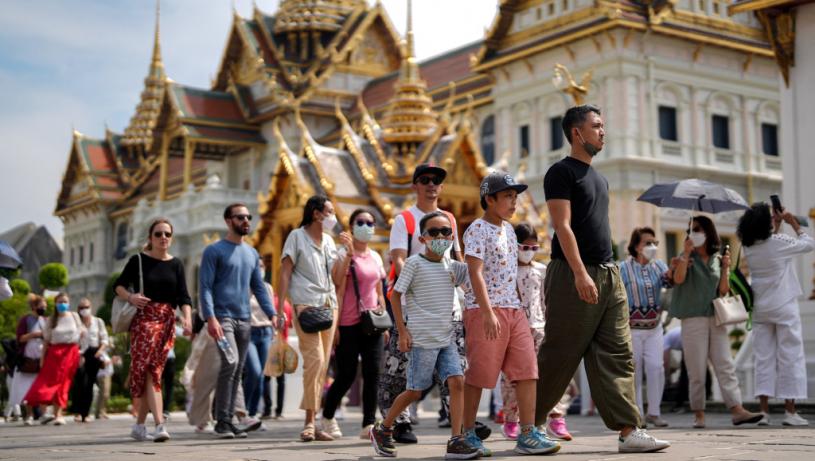
Proposed study group to explore alternatives
Senator Sornchat Vichaya Suwannaprom, vice chair of the committee, proposed forming a new study group to explore alternative models. Possible options could include entertainment complexes without casinos, tightly controlled limited-access gaming zones, or regulated online gambling platforms. He cited international examples such as Sydney, where casino entry is restricted to registered tourists, as a potential model for Thailand.
Several senators criticized the bill for obscuring its primary purpose. Senator Chinachot Saengsang argued that “the casino is not a side feature — it’s the core of the proposal,” warning that passing such legislation under the guise of broader entertainment policy could undermine public trust and governance.
Senator Sitthikorn Thongyos raised concerns that recent government actions — including the reclassification of poker and the promotion of retirement lotteries — had already normalized gambling behavior, potentially paving the way for broader legalization. He urged the government to drop the proposal entirely.
Dr. Veerapun added that with parliament set to dissolve in four months under an agreement between the Bhumjaithai Party-led administration and the opposition, any political party supporting casino legalization should state it explicitly in its campaign platform.
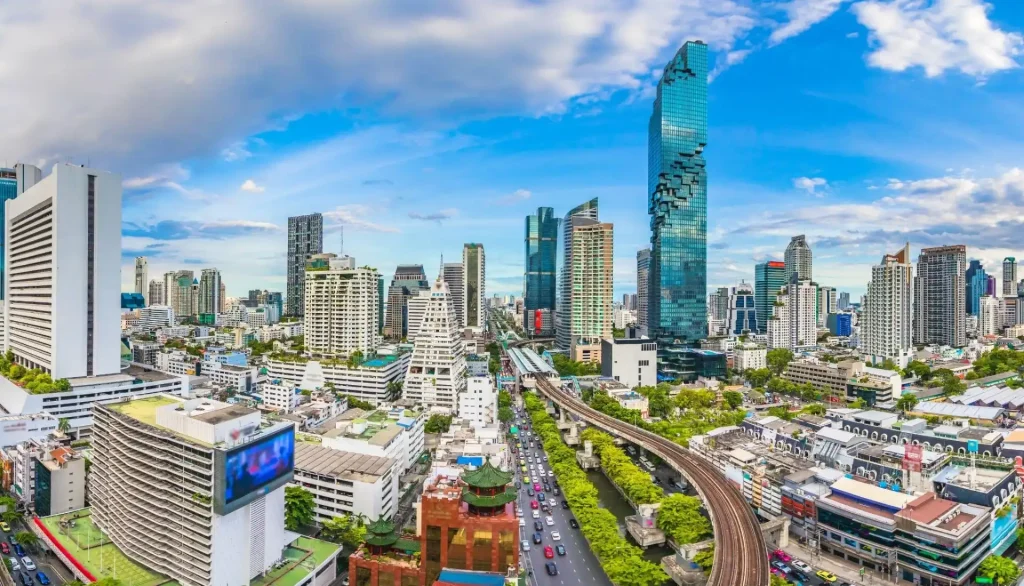
Economic context
The proposal was initially advanced in response to Thailand’s weak post-pandemic economy. Proponents argued that casino-based entertainment complexes could stimulate tourism spending and contribute about 1 percent of GDP.
A 2024 study by Maybank Securities estimated that such complexes could generate around THB187 billion ($5.14 billion) in annual revenue, based on pre-pandemic tourism figures. Thailand’s proposed 17 percent casino tax rate was considered more competitive than those in neighboring jurisdictions, including Singapore, Malaysia, the Philippines, and Macau, where rates range from 25 to 40 percent.
Despite these projections, the Senate committee cautioned that the model would deliver limited real economic value, stressing that much of the revenue would merely be redistributed between winners and losers, while imposing significant infrastructure costs and regulatory burdens on the state.