

The Philippines’ largest organization of financial technology companies has announced plans to implement stricter controls on online gambling access through digital payment platforms, joining growing regulatory efforts to address concerns over gaming addiction and underage participation.

Fintech Alliance Philippines, whose members facilitate over 90 percent of digital transaction volumes in the country, said on Wednesday that its companies were preparing “robust due diligence measures” to ensure users have “strictly controlled” access to online gaming platforms. The alliance counts major fintech companies like GCash and Maya among its members.
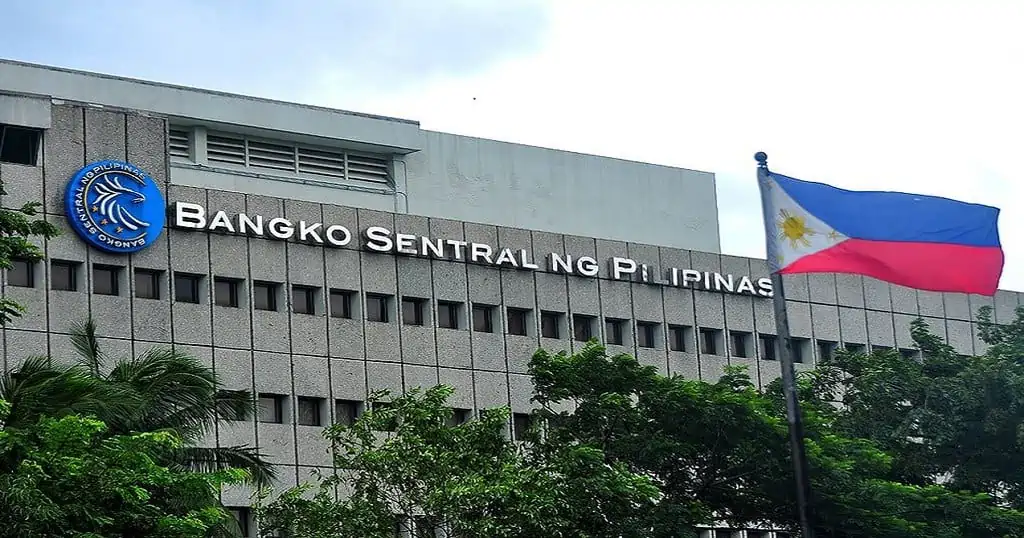
The announcement comes as the Bangko Sentral ng Pilipinas (Philippines Central Bank) drafts new regulations to curb the adverse impact of online gambling, with the central bank promising to issue a circular requiring regulated financial institutions to better protect users from online gambling risks through “various limits to gaming access.”
Fintech Alliance Philippines founding chair Lito Villanueva stated that the industry had identified urgent risks requiring immediate attention: gambling addiction and financial ruin, underage and unverified individuals gaining access, and the proliferation of illegal gaming sites and platforms.
“We are united in our commitment to be part of the solution by working closely with regulators, elevating safeguards and protecting the welfare of Filipino consumers,” Villanueva said, according to local media outlet Inquirer.net.
The fintech industry’s voluntary compliance measures include enhanced due diligence for all merchant accounts with online gaming licenses, real-time detection and monitoring of illegal platforms, and adoption of ethical marketing practices to promote awareness of gaming-related risks.
Push for increased oversight
These developments unfold against a backdrop of increasing legislative and regulatory pressure. Philippine President Ferdinand Marcos Jr. has signaled support for proposals to limit and tax online gambling, emphasizing the need to curb addiction and minimize social harm. The Philippine Amusement and Gaming Corporation (PAGCOR) has also backed a regulatory approach, rejecting calls for a total ban while arguing that stricter regulation would better protect the public while maintaining government revenue and job creation.
Several legislative measures are advancing through Congress. Senator Juan Miguel “Migz” Zubiri filed the proposed Anti-Online Gambling Act of 2025 on Monday, seeking to mandate internet service providers, mobile network operators, and digital platforms to block access to gambling websites within 72 hours upon notice from the Department of Justice or PAGCOR.
At the House of Representatives, Akbayan party-list Representatives Chel Diokno, Perci Cendaña, and Dadah Ismulla filed House Bill 1351, known as the Kontra e-Sugal Act, which seeks to limit access to online gambling through strict age verification protocols, betting loss limits, and a national self-exclusion registry.

Senator Risa Hontiveros has also filed legislation to ban online gambling access in e-wallets and super apps, citing concerns that these platforms have “become dangerous gateways to addiction for many Filipinos.” Her measure would prohibit individuals under 21 from accessing online gambling platforms and ban gambling advertisements in public spaces, traditional media, and social media.
The Catholic Church has also voiced strong opposition to current online gambling practices. Kalookan Bishop Cardinal Pablo Virgilio David criticized the lack of government safeguards, noting that e-gambling had virtually put a casino “in the living room, in the bedroom, in a child’s pocket.”
Another proposed measure by Senator Sherwin Gatchalian seeks to raise the minimum age for online gambling from 18 to 21 and increase minimum cash-in requirements to PHP10,000 ($175) and top-up limits to PHP5,000 ($87.5).