

Philippine President Ferdinand R. Marcos Jr. will not rush into a decision on calls for a total ban on online gambling, as the presidential palace emphasizes the need for comprehensive research on the proposal’s potential impact.
The statement comes amid criticism from several lawmakers who expressed disappointment over the President’s apparent failure to address online gambling in his fourth State of the Nation Address (SONA) last Monday.
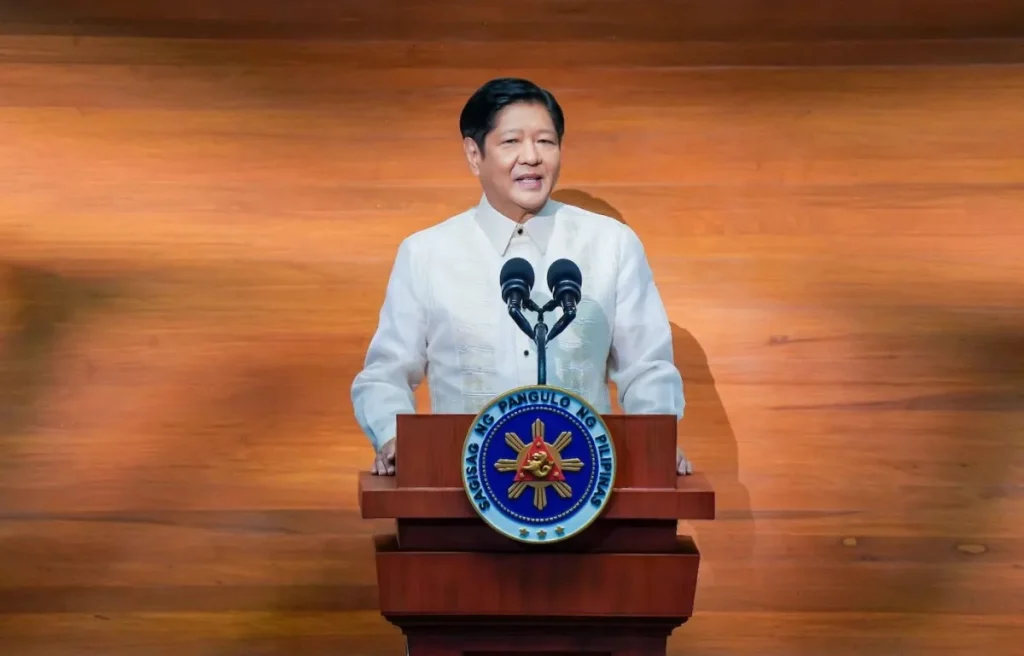
During a press briefing on Friday, Palace Press Officer Claire Castro said that officials must first identify the root causes of gambling addiction before considering any sweeping measures.
“We must first know where the problem lies—is it in the license, the online gambling app, or the unlicensed sites? We need to understand where our countrymen are getting addicted to gambling, and whether it’s because of illegal gambling apps.”
She stressed that the potential economic impact of a ban requires careful study, particularly given the substantial revenue generated by licensed operators.
“This should be studied carefully—what should be done—because if we immediately remove online gambling and other licensees are affected, it will impact assistance to the country, students, and Filipinos,” she added.
Castro also noted that the President cannot act hastily, as revenues from licensed online gambling operators help fund social support programs.
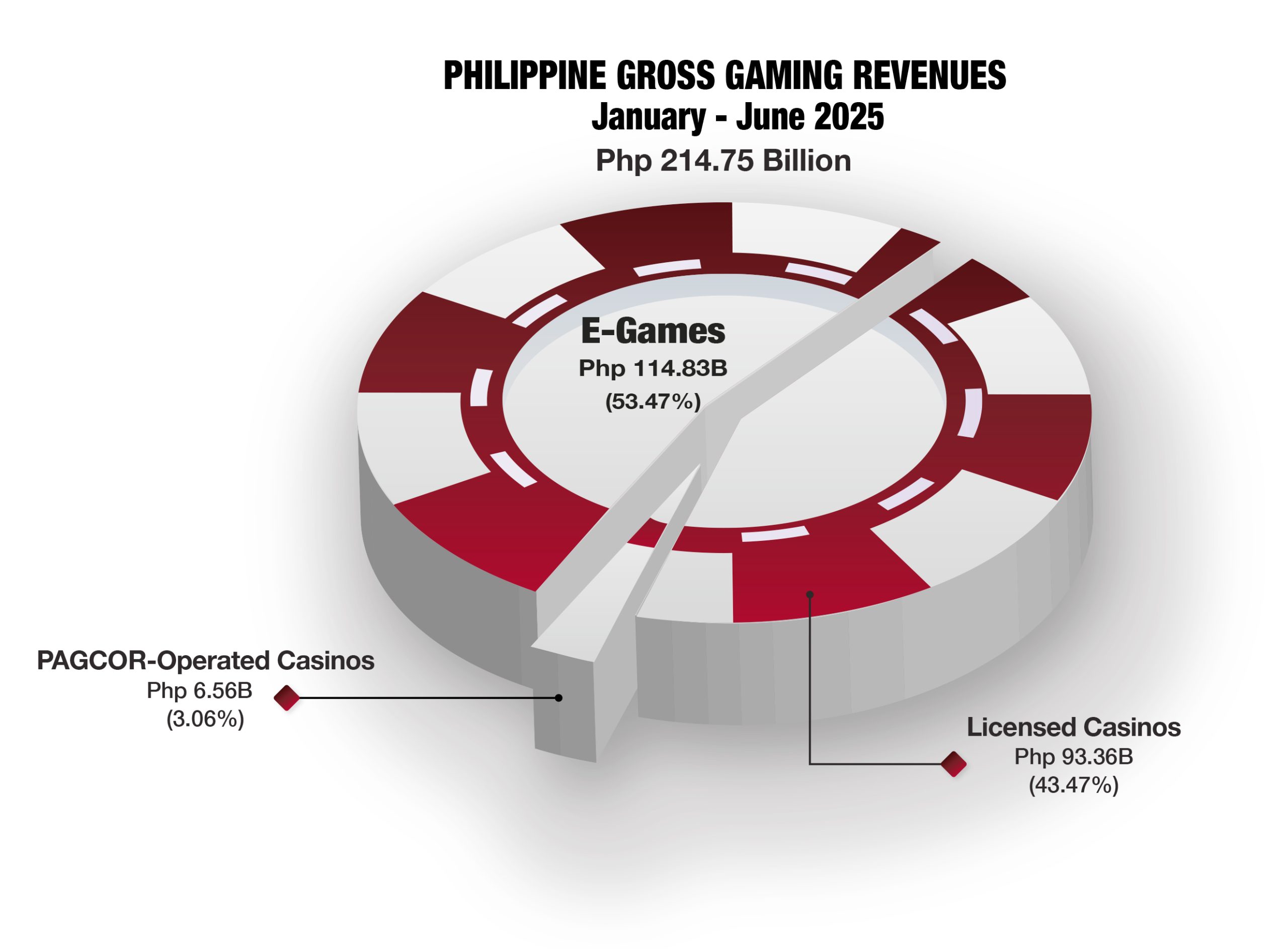
According to the Philippine Amusement and Gaming Corporation (PAGCOR), the gaming industry remains a major contributor to the national economy. Gross gaming revenues reached PHP214.75 billion ($3.76 billion) in the first half of 2025, up 26 percent from the same period last year. Electronic games were the primary driver, generating PHP114.83 billion ($2.01 billion) and accounting for 53.47 percent of the total.
A recent Maybank report highlighted the rapid growth of the sector, warning that the Philippines now ranks among the countries with the highest share of electronic games gross gaming revenue (GGR) as a percentage of national nominal GDP—reaching 0.68 percent in the first quarter of 2025, up from just 0.1 percent in the third quarter of 2023.
Amid growing concerns over addiction, calls to regulate online gambling have intensified. In response, PAGCOR has rolled out several regulatory measures, including the immediate removal of gambling billboards and out-of-home advertisements. It has also signed a memorandum of understanding with the Advertising Standards Council to regulate and pre-screen gambling advertisements across all media platforms.
Meanwhile, the Cybercrime Investigation and Coordinating Center under the Department of Information and Communications Technology (DICT) has instructed social media influencers to remove content promoting illegal online gaming platforms. To date, the DICT has taken down around 7,000 unauthorized online gaming sites identified by PAGCOR.
The Palace’s cautious stance comes as the Philippine Senate prepares to hold a public hearing this week to investigate the growing prevalence of online gambling. Key government agencies—including PAGCOR and the Department of Finance (DOF)—are expected to testify, alongside representatives from youth groups, religious and academic institutions, and parental organizations.