Macau’s gross gaming revenue in March came in ‘better than expected’, with ‘strong premium play and VIP hold likely in the normal range’, according to Seaport Research Partners. Expectations are now for April to rise 12 percent yearly but for growth to slow in 2H26.
GGR for the month came in at MOP22.61 billion ($2.8 billion), up by 15 percent yearly, according to data from Macau’s Gaming Inspection and Coordination Bureau (DICJ).
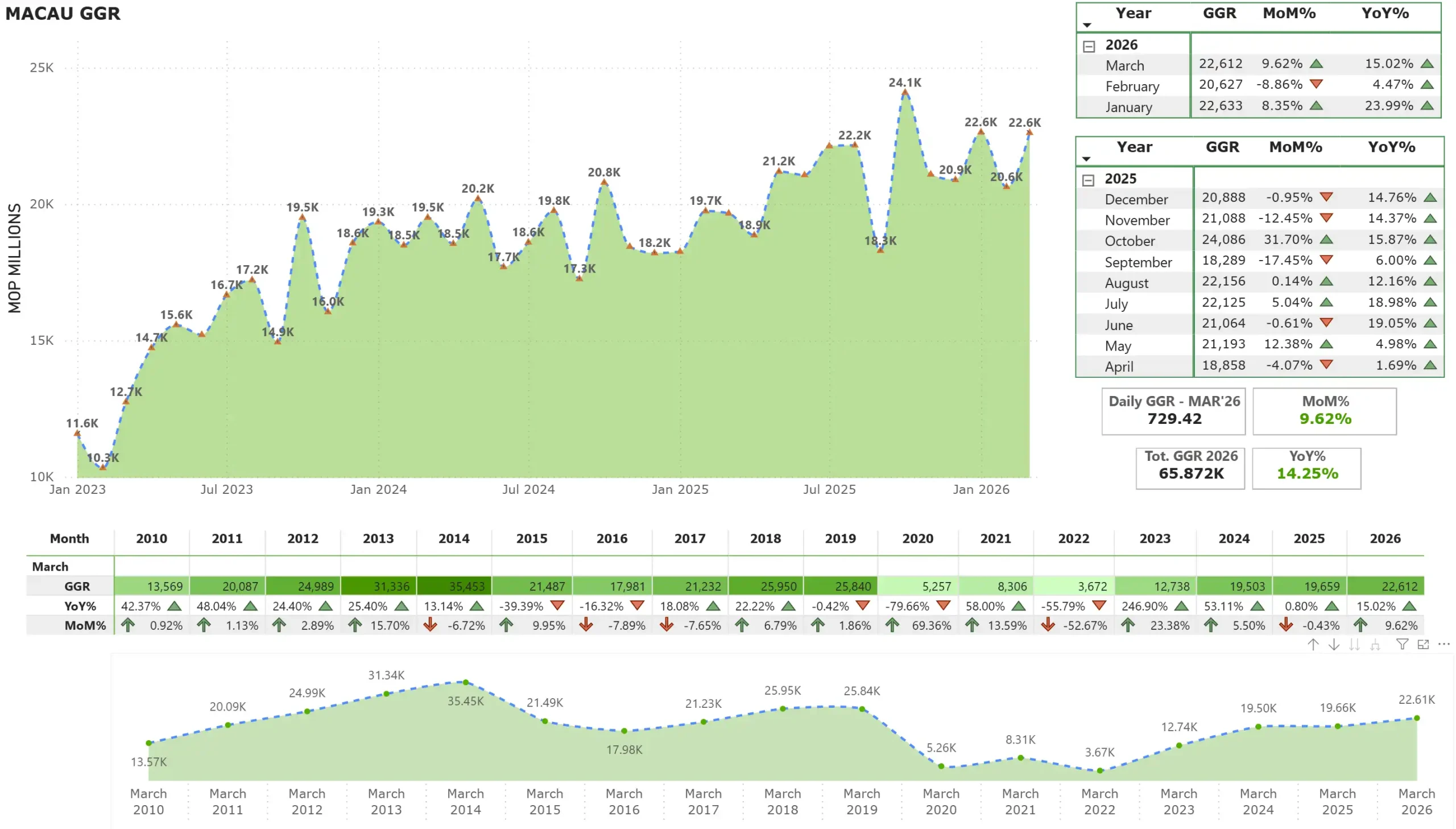
Senior Analyst Vitaly Umansky indicated that this was above Seaport’s estimate for an 11.6 percent gain and higher than the Bloomberg Asia consensus of 11 percent.
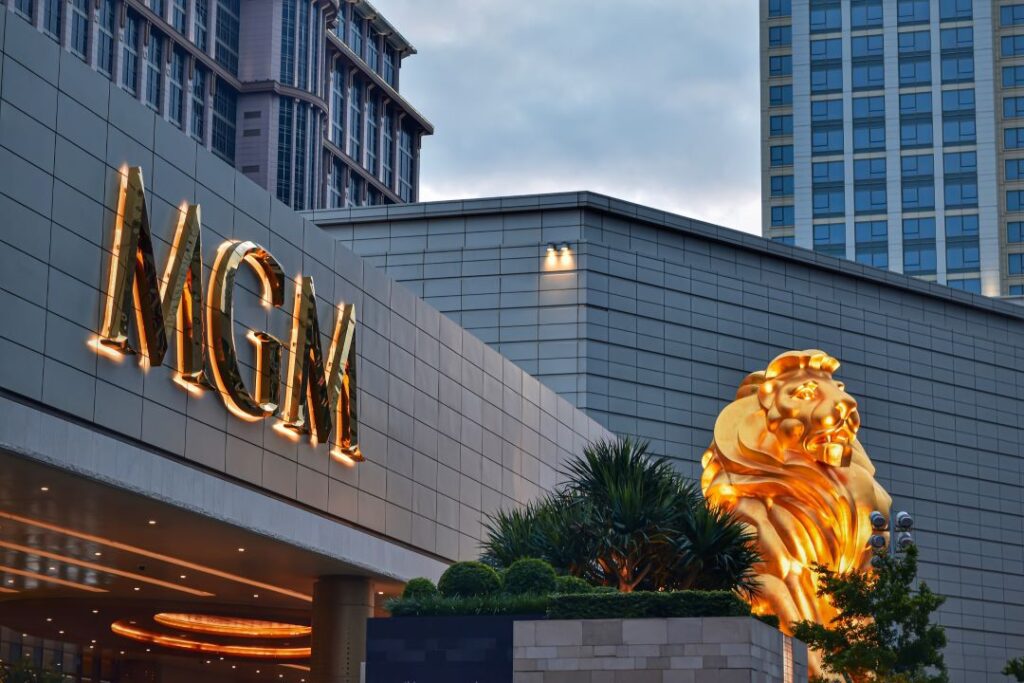
Looking at the operators, Umansky notes that, compared to February, ‘MGM and Melco were the biggest share gainers, while Sands and Galaxy were the biggest share decliners’.
The group holds a ‘Neutral’ rating for MGM China, noting ‘we see no near-term catalysts to drive MGM or MGM China to outperformance, and see better names to own’.
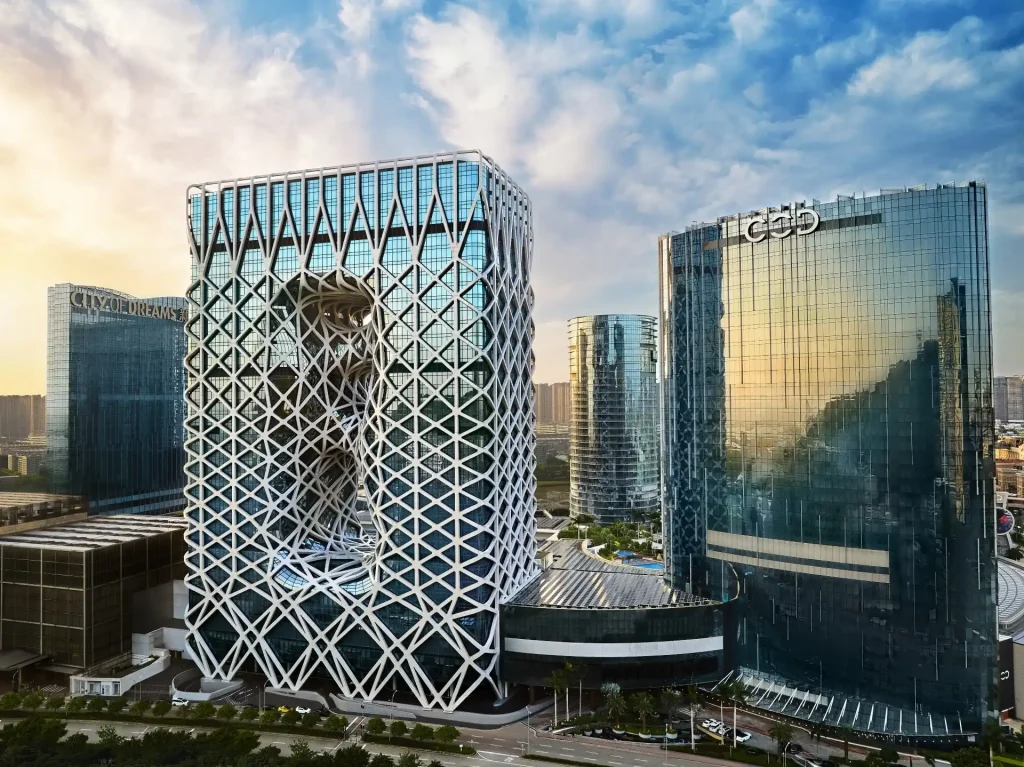
For Melco, Seaport has a ‘Buy’ rating, highlighting that ‘changes at CoD (City of Dreams) and SC (Studio City) have been bearing fruit’. The group notes that share pressure faced particularly in 4Q25 ‘is only temporary’.
For Sands China, Seaport also has a ‘Buy’ rating, noting that the group lost share in Macau in late 2024 and 1H25, but ‘the company has been regaining share in the last three quarters as it has been reworking its marketing and player reinvestment strategy’.
Galaxy also holds a ‘Buy’ rating, as it’s ‘set to be a long-term winner in Macau’, with Phase 3 continuing to ramp-up – including ultra-luxury Capella, and Phase 4’s slated opening in late 2027. Umansky notes that Galaxy ‘should see a more meaningful share jump when Phase 4 opens’, classifying the group as ‘a solid #2 operator in Macau (in terms of scale), with a ‘stellar balance sheet’.
Base mass uptick needed
Looking ahead, Seaport predicts a 12 percent yearly increase in GGR for April, ‘followed by May slowing to 8.2 percent year-on-year’. Umansky notes that the second half of the year will see ‘more difficult year-on-year comparisons, and we expect growth to slow unless we see a pickup in demand or liquidity improvement’.
The forecast for 2026 is for 7 percent GGR growth, with 1H26 rising by 9.8 percent and 2H26 slowing to 4.4 percent growth.
Currently, ‘player reinvestment and agent commissions remain high’, notes the Senior Analyst, indicating ‘we do not foresee any improvement in the market in the near/medium term. If higher-end or agent business grows faster than the market, then player reinvestment/commissions could see an increase relative to GGR. However, overall competitiveness remains stable at this stage’.
Umansky indicates that there ‘has been some hope that the government may step in to limit commissions and/or player reinvestment’ but that ‘we do not expect this to happen (at least in the foreseeable future)’.
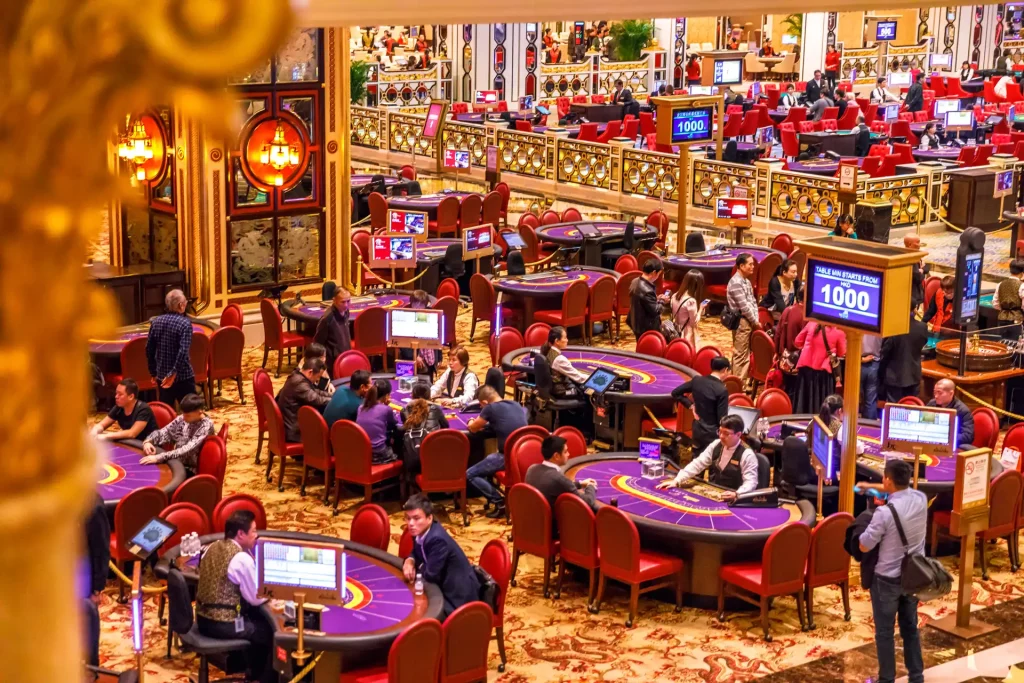
While premium play has been strong in Macau, the analyst notes that base mass ‘continues to lag’, about 15 percent below 2019 according to Seaport estimates, with ‘relatively weak’ overnight base mass (75-80 percent of pre-COVID levels). ‘In order to drive sustained growth’, indicates Umansky, ‘bass mass recovery (overnight higher value in particular) will be a key driver’.
This is dependent on ‘continued easy liquidity’, in combination with continued easy visa policies, with the expert noting that ‘as long as the liquidity channels remain open, Macau should continue to meet gaming demand (high-end demand in particular), although growth will decelerate’.