Games Global, a leading supplier of online gaming content, has partnered with the pioneering AI and data science powerhouse Future Anthem to drive engagement across its jackpot content portfolio.
Future Anthem’s Audience Identifier module – part of its wider personalisation product, Amplifier AI – features a jackpot tool that continually monitors pot sizes in real time, sending tailored marketing communications to the most receptive audiences using advanced recommendation algorithms.
The module will be integrated for use throughout Games Global’s jackpot game collection, enhancing engagement across popular brands such as Mega Moolah and King Millions™ by prioritizing personalized messaging in the moments that matter to players.
Future Anthem’s market-leading technology has proven successful across the industry, driving higher stakes on jackpot games as pots reach points of interest, leading to targeted players boosting their wagers by 20-30%. Games Global is the latest supplier to harness this product and commit to AI-powered customer journeys in real time.
The collaboration with Future Anthem highlights Games Global’s commitment to delivering bespoke gaming experiences to its players, while also emphasizing the continued growth in sophistication of machine learning technology in iGaming.
Andy Booth, Chief Product Officer at Games Global, said: “Games Global is consistently looking for opportunities to improve operational efficiency across its offering, and Future Anthem’s AI product allows us to do just that. By leveraging Future Anthem’s Audience Identifier tool, we can effectively communicate in real time with targeted customers, amplifying jackpot engagement to elevate the player experience on behalf of our partners.”
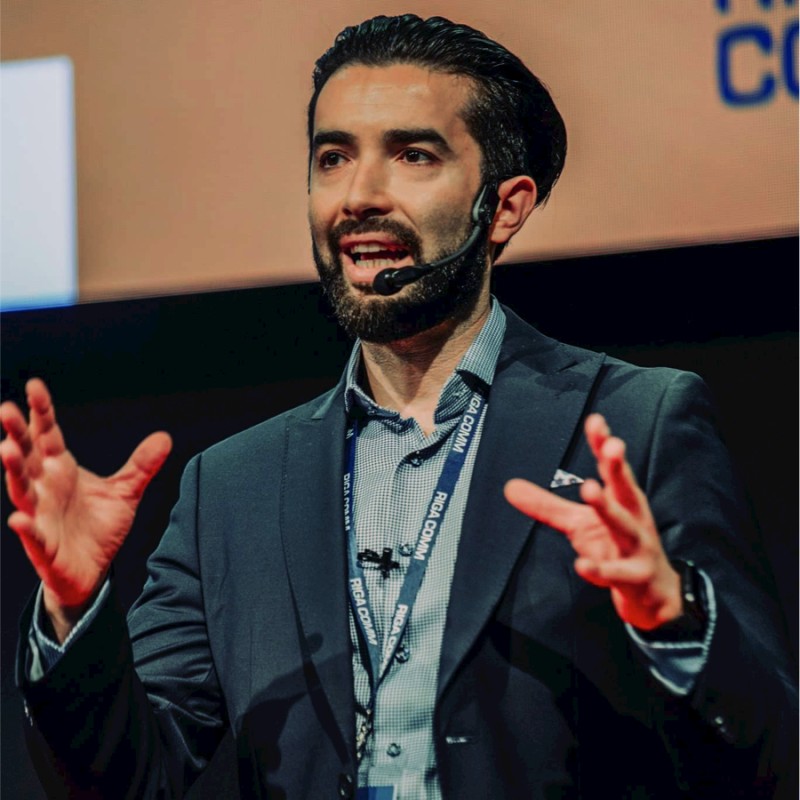
Leigh Nissim, CEO and Founder of Future Anthem, added: “Games Global is a giant in the iGaming industry, and we are proud to assist in upgrading its jackpot personalization processes to supplement its overall offering. Our flagship product, Amplifier AI, has a proven track record of delivering results, and we have no doubt this trend will continue with Games Global.”
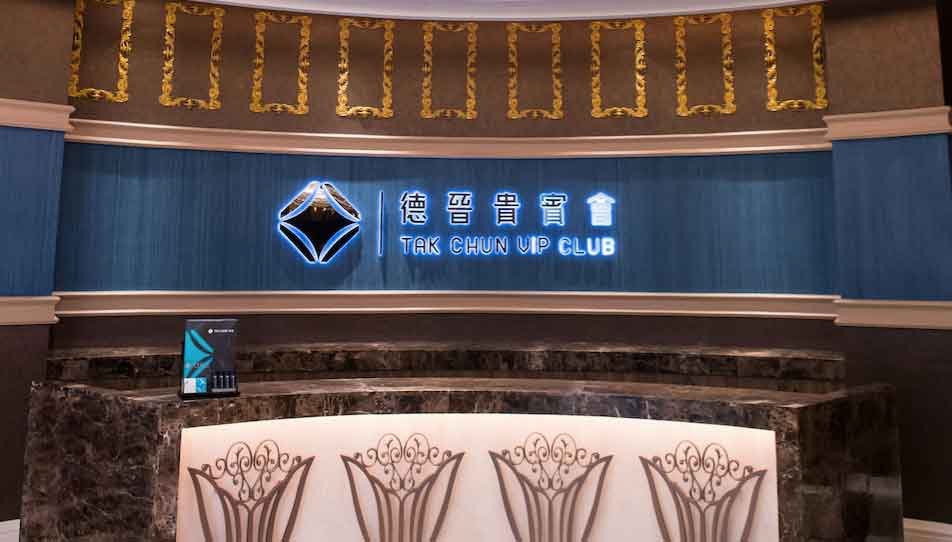
The Macau SAR Court of Final Appeal has issued a decisive ruling regarding the appeal filed by the defendants in the Tak Chun Group case, maintaining the 13-year prison sentence for Levo Chan, the former president of the VIP gaming junket.
However, the court has reduced the total compensation to be paid to the Macau SAR by the defendants to approximately MOP1.8 billion ($240 million).
Levo Chan was the chairman of Macau’s Tak Chun Group, the second-largest junket in the city, which brokered the gambling activity of Chinese high rollers until January 2022 when he was arrested, in a case similar to the one that befell the city’s top junket Suncity Group.
In April of last year, a Macau court sentenced the Levo Chan to 14 years in prison after finding him guilty of 34 charges, including enabling and operating illegal gaming and criminal association.
Then on January 11th of this year, the Court of Second Instance (TSI) acquitted Chan and four other defendants of significant fraud charges but upheld their convictions for organized crime, illegal gambling operations, and money laundering.
The five defendants — Levo Chan Wing-lun, Wong Pui Keng, Cheong Sao Pek, Lio Weng Hang, and Lee Tat Chuen — received sentences of 13 years, 9 years, 9 years, 10 years, and 7 years in prison, respectively. Initially, they were ordered to pay a total of MOP2.4 billion ($299.6 million) in losses to the Macau SAR.
Following this, both the Public Prosecution and the defendants appealed to the Court of Final Appeal (TUI in its Portuguese acronym), which delivered its judgment on November 28th.
After reviewing the grounds for the appeals, the TUI concluded that neither the prosecution’s nor the defendants’ appeals had merit, thereby upholding the criminal sentences. Consequently, the sentences for Levo Chan and his co-defendants remain unchanged.
In a significant adjustment, the TUI reduced the amount of compensation to be paid. The court ordered the defendants to collectively pay around MOP1.63 billion ($199.7 million) to the government, down from the previous ruling of over MOP2.49 billion ($312.1 million).
Additionally, Chan, Wong, and Lio were each required to pay an extra MOP201 million ($25 million).
The initial compensation set by the Court of First Instance was MOP575 million ($71.7 million), with an additional MOP204 million ($25.4 million) owed to five casino concessionaires. The latest ruling reflects a substantial reduction in the financial penalties assessed against the defendants.
Overall, this ruling concludes a lengthy judicial process regarding one of Macau’s most high-profile criminal cases involving the previously dominant VIP junket business.
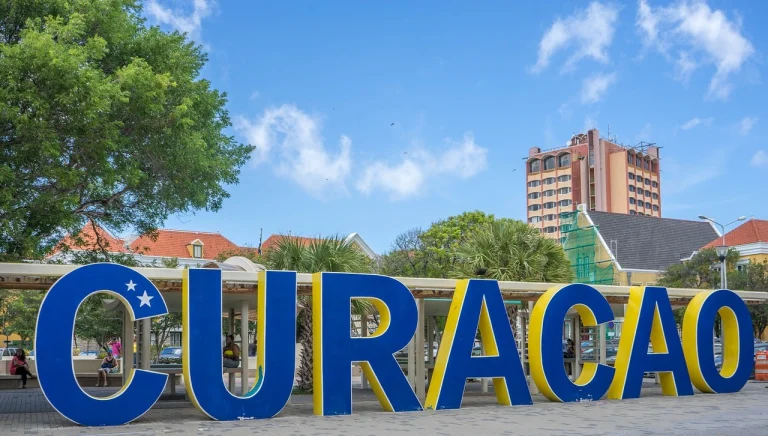
Good morning.Curacao has invited scrutiny into its gaming licensing system, after the recent case of BC.GAME drew the world’s eyes, and interest, to its regulatory shortcomings. Despite moving to revoke the company’s license, the damage may have already been done. Meanwhile, in Australia, authorities are moving quickly against bad actors, taking disciplinary action against nearly 90 licensees and employees in the past years. And in Malaysia, Genting saw a slight drop in revenue for 3Q24, weighed down by rising costs and regional challenges.
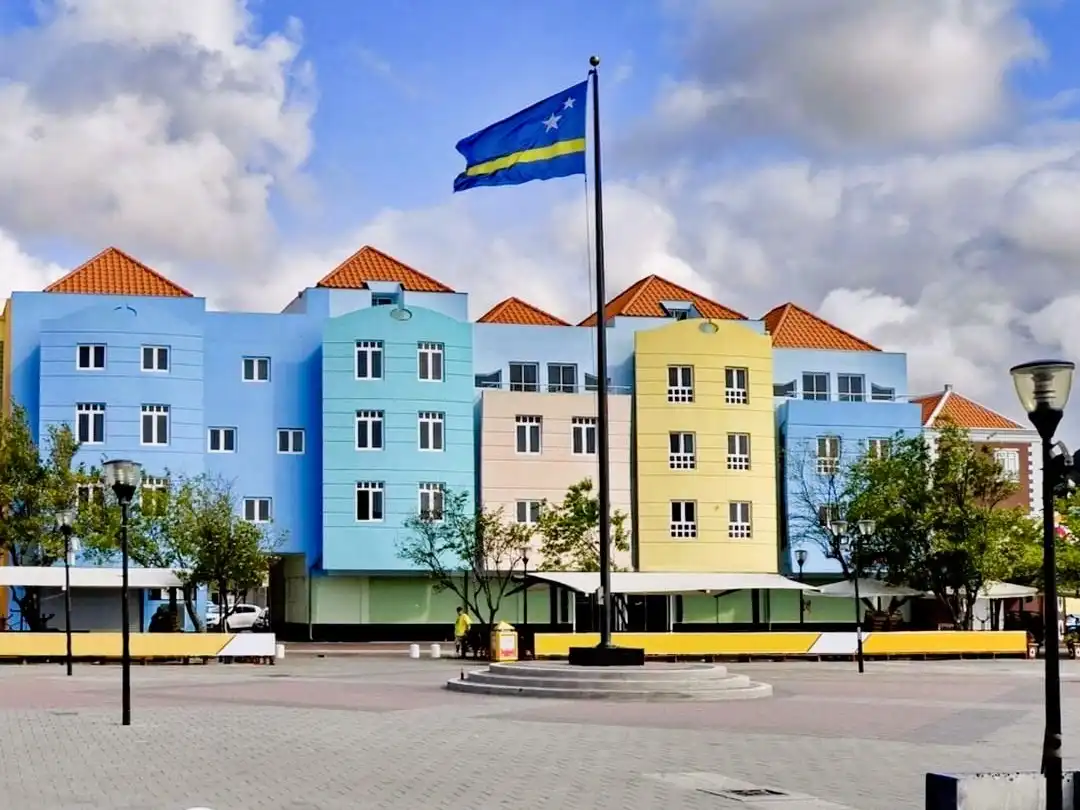
Curacao is taking a reputational battering, with the recent BC.GAME case exposing its shortcomings and inviting scrutiny into its gaming licensing regime. The Curacao Gaming Control Board is poised to revoke the company’s license, following its bankruptcy filing and after the company has been accused of running one of the largest illegal betting networks in continental Europe. Critics argue that Curacao’s licensing system has long prioritized revenue generation over regulatory enforcement, with this recent case serving as testament.
Asia is the most populated continent on the planet and Football is the No. 1 sport in most countries. The World Cup qualifying matches are traditionally watched by billions of fans in the region, but FIFA has decided to reward Asia with a significant representation at the tournament only now.
Altenar, a leading sportsbook provider is bringing its global expertise to Asia, looking to expand its operations. Since 2011, Altenar has powered hundreds of online sports betting sites worldwide and is a major B2B provider in Europe and Latin America licensed markets.
The Philippine Drug Enforcement Agency (PDEA) has revealed an intricate network of criminal activities allegedly connecting Philippine Offshore Gaming Operators (POGOs) to drug syndicates, money laundering schemes, and fraudulent corporate activities.
During a hearing by the House of Representatives quad committee, PDEA Deputy Director General Renato Gumban presented a matrix highlighting how transnational criminal groups exploit legal loopholes and corporate structures to conduct illicit activities, including drug trafficking and questionable land deals involving foreign nationals.
Gumban traced the investigation to a joint operation conducted on September 24th, 2023, which resulted in the seizure of 560 kilograms of shabu, valued at PHP3.6 billion ($64.8 million), in a warehouse in Mexico, Pampanga. The operation involved multiple agencies, including the National Bureau of Investigation (NBI), Bureau of Customs (BOC), and the National Intelligence Coordinating Agency (NICA).
The warehouse was owned by Willie Ong, also known as Cai Qimeng, an incorporator of Empire 999 Realty, Inc. Ong had reportedly acquired the property with the assistance of dismissed Mexico Mayor Teddy Tumang.
Further investigation uncovered that Ong and Empire 999 Realty were part of a broader network of interconnected companies involved in various criminal enterprises.
These companies included Golden Sun 999 Realty and Development Corp. and Yatai Industrial Park, Inc., both of which were linked to Ong and incorporator Aedy Yang.
Golden Sun 999 also has ties to businesswoman Rose Nono Lin, who gained notoriety for her involvement in Pharmally Pharmaceutical Corp. During the COVID-19 pandemic, Pharmally controversially secured PHP11 billion in government contracts despite having a declared capital of only PHP625,000 ($11,250).
Lin’s corporate connections extended to Michael Yang, a former adviser to ex-President Rodrigo Duterte, and her husband Allan Lim, also known as Lin Weixiong.
Lim, who reportedly uses multiple aliases and passports, has been implicated in drug operations and casino junket schemes. He was previously named in a 2017 drug matrix by former police Colonel Eduardo Acierto, linking him to clandestine drug laboratories in Luzon and Mindanao. Michael Yang, on the other hand, has been accused of managing logistics and financial operations for drug syndicates.
The PDEA also detailed direct links between POGOs and criminal syndicates, citing Hongsheng Gaming Technology Inc. as a key example.
Based in Bamban, Tarlac, Hongsheng Gaming was identified as a major player funded by billions of pesos from suspicious sources, including Hong Jiang Yang, a sibling of Michael Yang. In March 2024, a raid on Hongsheng Gaming’s compound led to further investigations into its financial activities.
The company leased facilities from Baufu Land Development, Inc., owned by former Bamban MayorAlice Guo. Financial investigations by the Anti-Money Laundering Council (AMLC) revealed that Guo funneled illicit funds through entities like QJJ Farm and RMCE Metal Products Trading Co.
Both companies had previously been linked to money laundering activities involving convicted Chinese drug lord Peter Co, also known as Wu Tuan Yuan. Despite being incarcerated at Sablayan Penal Farm, Co’s accounts were found to be actively used in laundering operations connected to POGO-related entities.
The PDEA’s findings exposed a vast and complex network of corporate layering, connecting various personalities and organizations. The network allegedly facilitated activities ranging from drug trafficking to financial fraud, often hiding behind legitimate business operations.
Batangas 2nd District Representative Gerville Luistro described the revelations as “enlightening and deeply troubling,” highlighting the overwhelming scale of corporate and criminal overlap.
“The volume of corporate layering along with the corporate personalities are truly overwhelming,” Luistro stated, emphasizing the difficulty of unraveling these deeply intertwined schemes.
The PDEA’s presentation underscores the urgent need for tighter regulation of POGOs and more stringent oversight of corporate and financial activities in the Philippines. The revelations point to the exploitation of legal and regulatory loopholes by both local and foreign actors, facilitating widespread criminal operations.
With POGOs already under intense scrutiny for their alleged links to human trafficking, labor exploitation, and tax evasion, these findings further reinforce the argument for their comprehensive regulation—or outright ban.
The House quad committee is expected to continue probing these issues, with lawmakers and enforcement agencies urged to collaborate on dismantling the networks that allow these operations to thrive. The PDEA’s investigation marks a critical step in understanding and addressing the multifaceted criminal activities that continue to undermine national security and economic stability.
India’s competition oversight body has ordered a probe into Google over its policies for real-money games on its platform
According to Reuters, the investigation comes after a complaint by online gaming group WinZO that called Google’s policies restrictive.
WinZO contacted India’s Competition Commission (CCI) back in 2022, after it was excluded from Google’s Play Store, despite some of its competitors being allowed.
Google’s policy had allowed for real-money games which include rummy and fantasy sports but the company was rejected for carrying games in other categories that Google did not accept – including car racing, puzzles and Indian carrom.
“By granting preferential treatment to select app categories, Google effectively creates a two-tier market where some developers are accorded superior access and visibility while others are discriminated against and thus, left with a competitive disadvantage,” indicates a letter from the CCI.
The investigation into the issue is expected to last about 60 days.
Malaysian authorities have urged Facebook to remove nearly 250,000 advertisement pieces of content this year, largely linked to illegal gambling and fraud schemes.
Sports betting and online gambling are illegal in Malaysia, while only one casino license exists, alongside lotteries and horse racing.
The Malaysian Communications and Multimedia Commission (MCMC) indicated that, of the nearly 250,000 pieces it requested Facebook remove, some 172,072 were related to online gambling. About 56,100 pieces of content were linked to various scams, while the two combined represented about 92 percent of content that the authorities wanted to be taken down.
While the commission itself doesn’t have the authority to mandate the removal of the content, it has filed a request with the platform to do so.
The nation’s communications minister indicated that scams and ads related to illegal gambling caused losses of over $97 million for Malaysians last year.
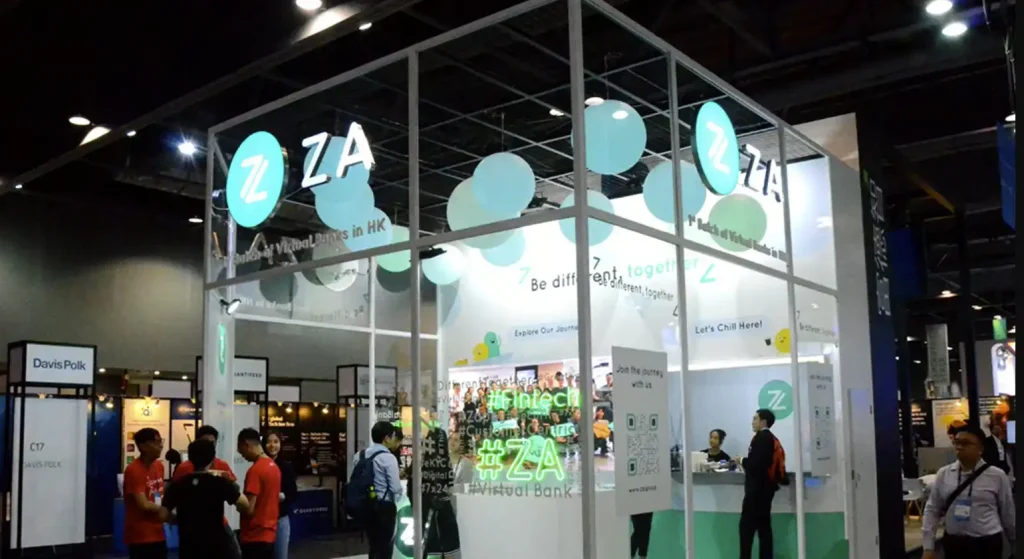
Hong Kong’s ZA Bank is the first bank in Asia to offer crypto trading services directly to retail users.
According to reports, ZA Bank is the SAR’s first and largest digital bank – now allowing users to trade major cryptocurrencies in HKD and USD through its app.
Currently the focus is on Bitcoin and Ethereum, which have undergone strong growth recently, particularly after the results of the US presidential election.
Users can now buy BTC and ETH directly using fiat, however it’s unclear whether the platform will expand the offerings to other cryptocurrencies.
Speaking of the move, the company noted that it ‘cements its leadership in digital wealth management by merging traditional banking with the future of finance’.
ZA Bank has seen a surge of interest recently, with users topping 500 million by mid-2024, a 30 percent yearly increase.
In a bid to assuage concerns with regulators, the group’s Alternate Chief Executive, Calvin Ng, indicated that “as a bank, we prioritize security and compliance, which is why we’ve partnered with HashKey, a global-leading licensed virtual asset exchange, to meet regulatory standards and deliver bank-grade security in virtual assets trading – our key competitive advantage in the Asian market”.
The recent bankruptcy declaration of BC.GAME, a Curacao-based gambling operator and Leicester City FC sponsor, has brought renewed scrutiny to Curacao’s controversial gaming licensing regime.
The case has unveiled what appear to be extensive wrongdoings, raising serious questions about the island’s ability – or willingness – to regulate its gambling industry effectively, as exposed by investigative website Josimarfootball.
BC.GAME, operated by Small Dance B.V., has been accused of running one of the largest illegal betting networks in continental Europe. The Curacao Gaming Control Board (GCB) is now poised to revoke the operator’s license following a bankruptcy order issued on November 12th, 2024. This legal action stems from a claimed $2 million debt owed to five gamblers, a financial obligation that Small Dance B.V. failed to honor and that BC.GAME is disputing.
The GCB’s move to revoke BC.GAME’s license appears logical given the operator’s bankruptcy, which casts doubt on its ability to meet its financial obligations to customers. Yet, this action is being called an anomaly by some due to Curacao’s otherwise light touch regulatory environment, where in the past four master licensees essentially played the role of regulator in everyday operations. Historically, gaming licenses, or sub-licenses, have rarely been revoked, even amidst mounting public complaints and international criticism.
For years, Curacao’s gaming industry has been characterized by minimal oversight and allegations of money laundering and criminal activity. These issues have tainted the jurisdiction’s reputation, both locally and in the Netherlands, to which Curacao remains linked as an autonomous territory.
A recent regulatory overhaul, known as the National Ordinance for Games of Chance (LOK), was intended to address these deficiencies and brought underway due to pressure from the Netherlands. However, early indications suggest that the new system is plagued by many of the same problems.
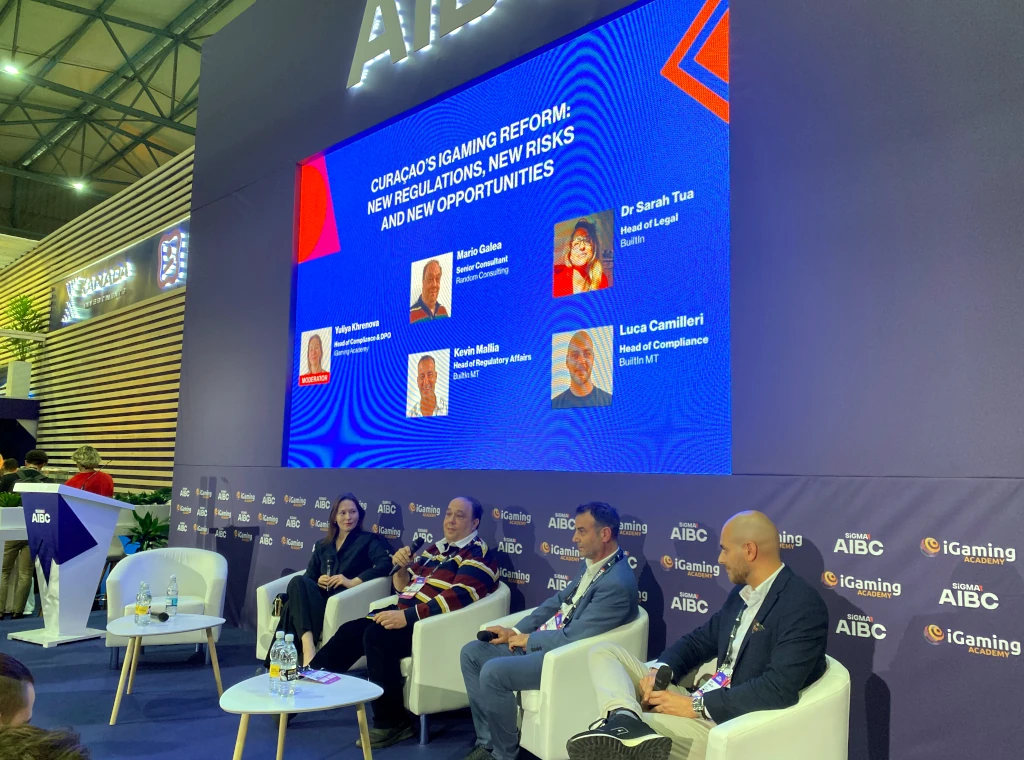
Curacao Finance Minister Javier Silvania has defended the LOK, claiming it would promote transparency and compliance with international standards. A delegation from Curacao also presented an update on the new licensing process and answered questions during a panel session at the recent SiGMA Malta event, giving the impression that meaningful change for the better was within reach. However, local politician Dr. Luigi Faneyte has filed a 392-page criminal complaint against Silvania, alleging corruption, fraud, embezzlement, and money laundering.
Dr. Faneyte’s complaint also implicates the GCB, alleging that the licensing process has been co-opted by foreign interests, including Maltese nationals such as Mario Galea and Mario Fiorini.
Fiorini, listed as a statutory director of Small Dance B.V., is accused of facilitating fraudulent practices. According to Dr. Faneyte, the GCB has been reduced to a mere facade, allowing foreign operators to dominate Curacao’s gaming industry without meaningful oversight, an allegation that undermines the official narrative coming out of the Caribbean island state.
The allegations leveled against BC.GAME paint a damning picture. The operator is accused of offering illegal gambling services across Europe through a sophisticated network of mirror sites and online guides. These platforms provide step-by-step instructions to circumvent local regulations, often targeting users in countries like Germany, Denmark, and Switzerland where a local license is required to operate legally.
Dr. Faneyte’s complaint highlights additional regulatory violations, including offering cryptocurrency trading services without the requisite financial licenses. The operator is also accused of failing to verify the identities of its players, enabling underage gambling and other illicit activities.
BC.GAME’s questionable practices extend beyond Europe. The company has been blacklisted in multiple jurisdictions, including the UK, Greece, Lithuania, and Bulgaria, for non-compliance with local laws. In July 2023, the British Gambling Commission flagged BC.GAME as an illegal operator, prompting Google to block its URL within the UK.
BC.GAME’s saga appears to underscore the systemic failures of Curacao’s regulatory framework. Despite numerous red flags, the island’s authorities allowed BC.GAME to operate unchecked for years. The operator’s ties to Curacao were further cemented when Small Dance B.V. took over the brand in April 2024, despite the bankruptcy of its predecessor, BlockDance B.V.
Critics argue that Curacao’s licensing system has long prioritized revenue generation over regulatory enforcement. Under the old regime, gaming licenses were granted with little scrutiny, enabling operators like BC.GAME to flourish. The introduction of the LOK was meant to address these shortcomings, but its implementation has been marred by allegations of corruption and mismanagement.
The BC.GAME case has far-reaching implications for Curacao’s gaming industry and its global reputation. The operator’s bankruptcy in the jurisdiction not only jeopardizes its ability to pay winnings but also exposes the broader risks associated with Curacao-licensed platforms. Customers and regulators worldwide are increasingly viewing Curacao as a hub for rogue operators, an image the island state tried to rid itself of, unsuccessfully as it now appears.
Curacao’s inaction has also drawn criticism from the Netherlands, which has expressed growing concern over the island’s role in facilitating illegal gambling. The Dutch government has called for stricter oversight and greater accountability, warning that Curacao’s lax approach could damage its international standing. Much of the pressure to change and clean up the gambling framework came from the Netherlands in the first place, and the continued dissatisfaction being voiced by The Hague doesn’t bode well.
It also casts doubts on the new framework which was due to be implemented in the not-so-distant future. Holders of the around 155 interim licenses that were given out as a stop gap measure by the regulator are now also left with continued legal uncertainty, as are thousands of other companies who held previous sub licenses or were looking at obtaining a Curacao license. The continued state of instability will benefit other jurisdictions such as Anjouan, Vanuatu, Kahnawake, or even the Isle of Man.
The case of BC.GAME exemplifies the deep-rooted problems in Curacao’s gaming industry. Despite promises of reform, the island continues to serve as a haven for questionable operators, undermining its claims of transparency and accountability. BC.GAME itself is unlikely to be insolvent as a brand and AGBrief previously posted exclusively that the operator is moving its license to Vanuatu, where the renewed gaming licensing framework has seen an influx of big names, many of which previously held Curacao licenses. How this latest chapter of grey market licensing will develop is something that will remain to be seen.
Malaysian tourism and gaming group Genting Malaysia Berhad reported a revenue of RM6.5 billion ($1.47 billion) in 3Q24, marking an 11 percent decline compared to RM7.4 billion ($1.65 billion) in the same quarter of the previous year.
This decrease in revenue was primarily driven by a downturn in the Leisure & Hospitality Division. The group’s adjusted EBITDA for 3Q24 stood at RM2.3 billion ($521 million), reflecting a 15 percent drop from RM2.7 billion ($614 million) in 3Q23.
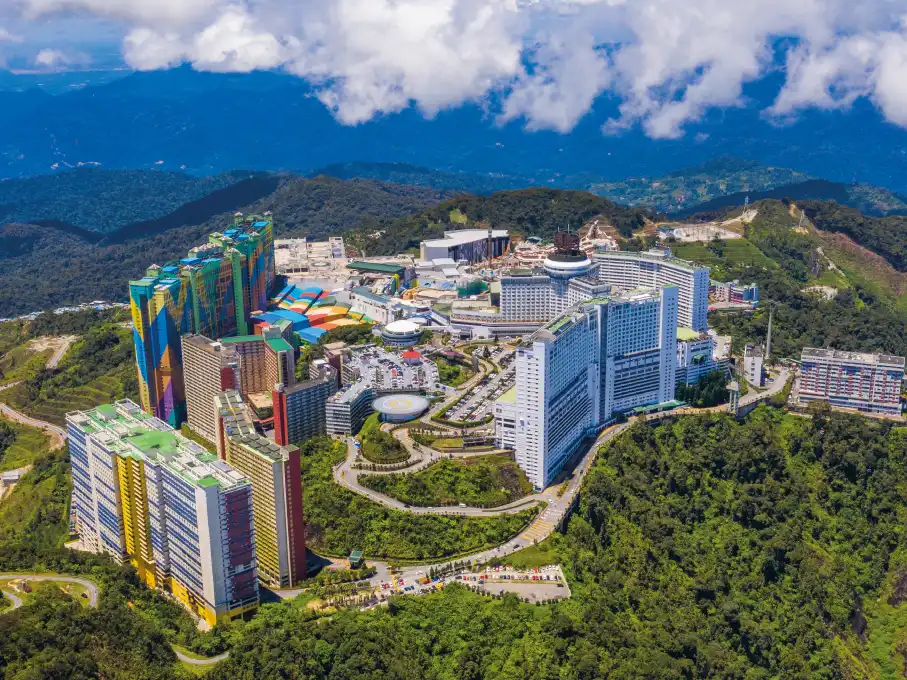
Genting Malaysia Berhad operates Resorts World Genting, Malaysia’s sole licensed casino, and also runs casinos in the United States, the Bahamas, the United Kingdom, Singapore, and Egypt.
According to the financial results released on Thursday, revenue from Resorts World Genting (RWG) remained stable in 3Q24 compared to 3Q23. However, the division recorded a decline in EBITDA, primarily due to higher operating expenses in the current quarter.
The leisure and hospitality businesses in the UK and Egypt saw positive performance in 3Q24, with revenue increasing due to a higher volume of business. This contributed to a boost in EBITDA for these regions.
In the United States and the Bahamas, the group’s operations include Resorts World New York City (RWNYC), Resorts World Bimini (RW Bimini), and Resorts World Las Vegas (RWLV). Both RWNYC and RW Bimini experienced a slight decline in revenue compared to 3Q23. This reduction in revenue, combined with higher operating and payroll-related expenses, resulted in lower EBITDA for these properties.
In 3Q24, Genting Malaysia reported a profit before taxation of RM863.2 million ($194 million), a decrease from RM1.4 billion ($313 million) in 3Q23. The decline in profit was primarily attributed to lower EBITDA and higher write-offs for property, plant, and equipment. This was partly offset by a reduction in depreciation expenses during the quarter.
1Q-3Q performance
For the nine months ending September 30, 2024, the company reported financial improvements.
Genting Malaysia reported a revenue of RM20.8 billion ($4.69 billion) and EBITDA of RM7.1 billion ($1.6 billion), marking increases of 5 percent and 8 percent, respectively, compared to the same period last year.
The revenue growth was primarily driven by strong performance in the Leisure & Hospitality Division.
Resorts World Sentosa (RWS) contributed significantly to the revenue, with a 12 percent year-on-year increase, bringing its total revenue for the period to RM6.6 billion ($1.5 billion). However, EBITDA for RWS declined by 5 percent, falling to RM2.6 billion ($587 million) due to higher operating expenses.
Revenue from Resorts World Genting (RWG) also saw an uptick, mainly due to increased business volumes compared to the same period last year. Similarly, the group’s leisure and hospitality operations in the United Kingdom and Egypt reported higher revenue, driven by higher business volumes.
Both RWG, the UK and Egypt operations, as well as Resorts World New York City (RWNYC) and Resorts World Bimini (RW Bimini), saw improved EBITDA in the year-to-date period. This was largely a result of the revenue growth, although it was partly offset by higher operating expenses, including payroll costs.
Cautiously optimistic outlook
In the press release reporting the financial results, management mentioned that the firm’s performance for the remainder of the 2024 financial year may be affected by several factors, including global economic growth, which is expected to remain moderate. However, the outlook is ‘uneven’ across major economies, which could impact the Group’s performance in different regions.
Genting Malaysia emphasized that it is ‘cautiously optimistic’ about the near-term prospects of the leisure and hospitality industry and remains positive about the long term.
Genting notes that in Malaysia, the company is focused on driving sustainable growth through yield management and data analytics to improve performance. It will refine marketing strategies to boost visitation while offering value and choice to meet diverse customer preferences. The Group also plans to invest in new products and experiences, including ecotourism attractions set to launch in 2025.
Slotegrator, a leading B2B iGaming solutions provider has released the 1st part of the iGaming Trends 2025 report, offering a comprehensive look at the trends set to define the industry in the coming year.
The report highlights innovative strategies and technologies that operators and providers can leverage to stay ahead in the rapidly evolving iGaming landscape.
The report highlights transformative shifts in the iGaming landscape that are reshaping the way operators and providers approach their businesses.
The report contains information about AI and how it is set to revolutionize the iGaming industry by becoming a game-changing tool for operators. Its advances are enabling unprecedented levels of personalization, fraud detection, and player engagement, setting a new standard for the industry.
Faruk Aydin, CRO at Revpanda Group
Faruk Aydin, Chief Revenue Officer at Revpanda Group, expressed his opinion on the AI trend: “As we navigate the AI era, I believe it’s more important than ever for iGaming brands to ensure their content is local, relevant, and human-wr0itten to truly connect with players and build trust”.
William Sarto, PR & Marketing Specialist at CasinoRIX, believes that in 2025, iGaming trends will reflect global shifts and technological advancements. According to Sarto, “AI continues to transform the iGaming industry. In 2025, its application will expand in areas such as data analysis and processing to enhance the gaming experience, content creation and process automation, and tools for personalization and creating added value for players.’’
According to Slotegrator, payment technologies are also evolving rapidly. With the integration of cryptocurrencies, biometric authentication, and instant cross-border transactions, in 2025 it will become key to meeting player demands for speed, security, and convenience.
In addition, the growing importance of social gaming and community building is redefining player expectations. No longer just about entertainment, iGaming platforms are increasingly becoming spaces for connection, where features like live dealer games, player chats, and tournaments foster a sense of belonging and enhance retention.
William Sarto highlights that “responsible gambling, social and charitable initiatives, and addressing ecological concerns are becoming integral. These factors influence not only the external perception of companies but also their internal corporate culture.’’
Sarto also puts a focus on brand and values: “Building a strong brand is becoming a core development vector. Establishing values, communicating them to both B2B and B2C audiences, and creating added value for “consumers” are critical. Players will choose companies offering not just quality products but also emotional connection.’’
Slotegrator also delves into the emergence of innovative game formats, such as crash games, skill-based gaming, and immersive VR and AR experiences, which are attracting a broader and more diverse audience.
Meanwhile, the evolution of affiliate marketing strategies emphasizes authenticity, transparency, and localization, allowing operators to connect more deeply with their target demographics.
The report emphasizes the importance of forward planning, urging operators to adapt to shifting player preferences and adopt the latest technologies to maintain competitiveness in the dynamic iGaming market.
Faruk Aydin has added his predictions about iGaming trends for 2025: “I think 2025 will be another year where we’ll see new trends emerge, while still needing to stick to the fundamentals. If iGaming brands want to stay ahead in the marketing game, they’ll need to focus on a smarter, more strategic approach.
Multi-channel marketing will take center stage, enabling brands to engage players through a mix of social media, email, influencers, and more—creating seamless, personalized experiences. At the same time, SEO will remain a cornerstone of success—optimizing for search intent will help brands stay visible and competitive.
Finally, exploring new and emerging markets, especially in regions with growing online gaming adoption, presents a huge opportunity for brands that localize their approach and adapt to regional preferences. Overall, adopting a marketing strategy that balances technology with a human touch will be the key to success for iGaming brands in 2025”.