Evoplay, a prominent game development studio, makes its debut in the tap game vertical with Tap Craze, significantly expanding its portfolio with innovative interactive content for operators.
Designed to offer an engaging and dynamic gameplay experience, Tap Craze introduces players to Capybara Joe, the title’s central character, alongside a suite of features aimed at maximising retention and engagement.
Operators can leverage the unique Happiness Scale mechanic, encouraging players to maintain Joe’s glee to unlock the Wheel of Fortune, offering multipliers of up to 500x.
Tap Craze includes three fixed jackpots, Minor, Major, and Grand, offering significant rewards. It also offers customisable components, including a Costume Gallery for personalisation and a competitive Top 15 Leaderboard to foster engagement.
With a live Information Ticker showcasing the latest wins, Tap Craze is designed to create a sense of community and excitement among audiences.
The introduction of Tap Craze with new engaging mechanics highlights Evoplay’s commitment to innovation and reinforces its position as a leading supplier in the iGaming industry.
Ivan Kravchuk, CEO at Evoplay, said: “Tap Craze represents a significant step forward for Evoplay as we continue to diversify our portfolio with cutting-edge interactive content. By introducing innovative mechanics and highly interactive features, this game provides operators with a product that both entertains and drives strong retention and performance. We’re excited to offer a unique addition to our portfolio that aligns with our partners’ needs and demands in competitive markets.”
PopOK Gaming, an innovative iGaming content developer specialised in creating premium quality casino game, has announced the launch of Sumo Baby, a charming new 3×3 slot game that brings a playful twist to the world of traditional sumo.
This delightful slot combines the cuteness of a baby sumo wrestler with exciting features to deliver a rewarding experience for players who enjoy Asian-inspired themes and high winning potential.
Sumo Baby is set on a straightforward 3×3 layout with 5 paylines, making it accessible for both casual players and slot enthusiasts. What makes this game truly unique is the Multiplier Reel beneath the main reels, offering random win multipliers of x2, x5, or x10 on any spin to amplify winnings.
When the Free Spins Feature is activated, players are rewarded with 8 Free Spins, and the excitement doesn’t stop there! During Free Spins, Sumo Baby boosts every spin with additional multipliers, creating a dynamic experience where every spin has the potential for bigger rewards.
To make the game even more appealing, Sumo Baby introduces the Sure Win Bet option, allowing players to secure a guaranteed payout on each spin (excluding Free Spins). With a maximum win potential of 2,500x the bet, this game promises both charm and substantial rewards.
Key Features of Sumo Baby:
3×3 Layout with 5 Paylines: Simple and visually captivating.
Multiplier Reel: Random win multipliers (x2, x5, x10) on any spin.
Free Spins Feature: 8 Free Spins with additional multipliers for greater win potential.
Sure Win Bet: Guarantee a win on every spin for those seeking added security.
Max Win: Up to 2,500x the original bet.
Dive into the ring with Sumo Baby and experience a world of charm, excitement, and rewarding gameplay. Available now on PopOK Gaming platforms!
3 Oaks Gaming, a renowned iGaming content distributor, has launched China Festival: Hold and Win, a visually captivating 5×3, 25-line slot, marking the penultimate release in its successful 2024 lineup.
Central to the gameplay are three Firecracker progress meters—green, red, and purple—that activate as matching symbols land on the reels. When full, they unlock the Hold and Win Bonus Game, introducing features designed to amplify player rewards.
Once triggered, these features can combine for maximum win potential. Boost adds value to all symbols, Double multiplies the current value by two, and Collect gathers all symbol values on the board.
The Bonus Game also offers the chance to win Mini, Minor, and Major Jackpots, whilst Mystery Symbols can transform into Jackpots, Bonus symbols, or Firecracker features. Filling the grid triggers the ultimate prize—the Grand Jackpot worth 5,000x the bet.
Players seeking instant action can access the Bonus Game directly through the Buy Bonus feature, with a Super option also available with three random feature symbols guaranteed.
Krasimir Pankovski, Head of Sales at 3 Oaks Gaming, said: “China Festival: Hold and Win is a vibrant addition to our portfolio, combining rich visuals with engaging mechanics that is set to resonate with players globally. This firecracker of a slot encapsulates the creativity and quality that has driven our portfolio forward, ensuring we continue to deliver excellent results for our partners.”
Chinese and Cambodian police have deported 240 Chinese nationals involved in gambling fraud and other illegal activities back to China on a chartered flight.
This marks a new group of deportees, with more than 500 individuals expected to be returned in subsequent batches. The chartered flight arrived early Thursday morning (November 28th) at Taiyuan Wusu International Airport in Shanxi Province.
This was the second chartered flight operation this year. The first joint deportation took place in April, when China and Cambodia worked together to return over 680 Chinese nationals involved in gambling and fraud crimes in several waves.
According to China’s Ministry of Public Security, Cambodian authorities recently dismantled a major gambling and fraud operation in Phnom Penh, arresting hundreds of suspects from multiple countries, including more than 500 Chinese nationals. The Ministry emphasized the importance of the case and instructed the Shanxi Provincial Public Security Department to fully support the operation and ongoing investigations.
This deportation is part of China’s broader efforts to combat cross-border online gambling and telecom fraud. The country has been collaborating with neighbors such as Cambodia, Myanmar, and the Philippines to apprehend Chinese suspects and return them to China.
The latest operation follows the dismantling of large telecom fraud centers in northern Myanmar just a week earlier, where more than 53,000 Chinese nationals were arrested as part of an ongoing campaign that began last year to tackle such crimes.
In September, China and Cambodia further strengthened their cooperation in the fight against gambling and fraud, signing agreements to enhance law enforcement collaboration and target Chinese organized crime in Cambodia.
In 2019, Cambodia imposed a ban on online gambling, particularly targeting Chinese-run operations that had proliferated in Sihanoukville, a coastal city in the south.
The public security authorities will continue to strengthen law enforcement cooperation with relevant countries and regions, focusing on targeted crackdowns, dismantling gambling and fraud rings involving Chinese nationals, and addressing the high incidence of such crimes, as reported by CCTV.
In addition to these efforts, China claims that its specialized operation, called ‘Fox Hunt’ – a covert global initiative launched a decade ago to combat corruption and economic crimes – has helped repatriate thousands of suspects and recover billions of dollars in assets.
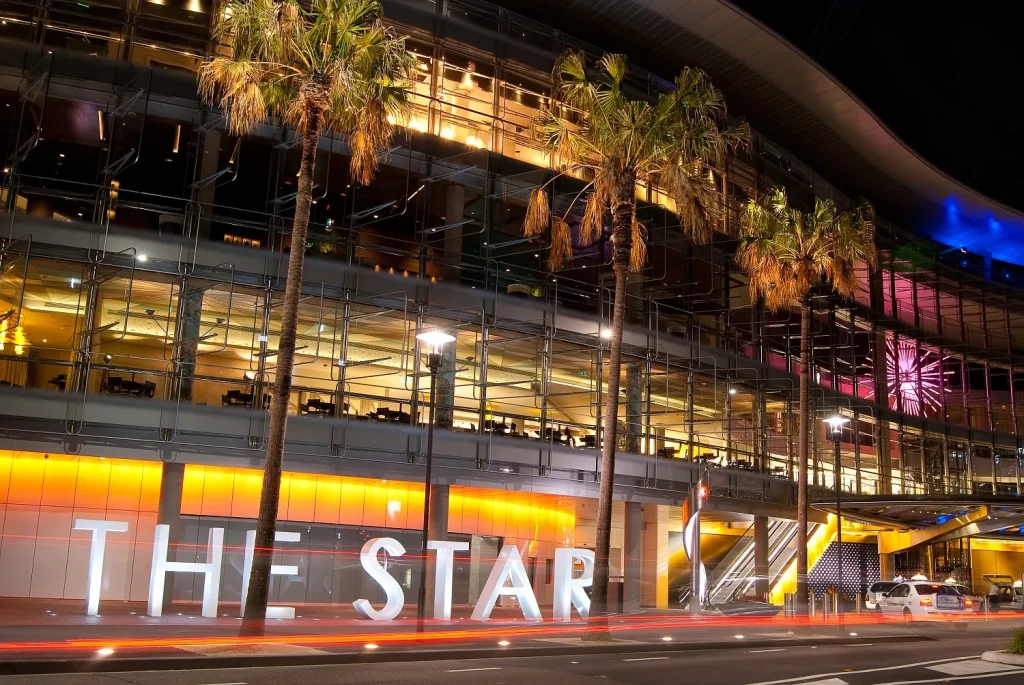
Australian gaming operator The Star Entertainment has acknowledged that liquidity and financial viability remain the most pressing concerns for management amid ongoing regulatory challenges.
Anne Ward, Chairman, The Star Entertainment
In a speech at its Annual General Meeting (AGM), The Star’s chairman, Anne Ward, stated, “Near-term liquidity challenges and the broader financial viability of the business will remain the largest concerns for the Board and executive team as they work to stabilize the business and advance the remediation program toward achieving suitability.
“Agreeing with corporate lenders on a revised lending package has provided some space to address the immediate liquidity situation, but there is still more to be done, as outlined in our recent market disclosures. This work will continue in earnest throughout 2025.”
This statement was disclosed in a filing to the Australian Stock Exchange (ASX) on Thursday, following the company’s AGM.
The Star Entertainment also announced that it had finalized a AU$200 million ($130.3 million) debt facility.
The company’s financial difficulties stem from the Bell Two inquiry, which identified significant compliance failures. As a result, The Star faces a AU$15 million (US$10 million) fine and a potential casino license suspension, while the scandal has also caused its stock to plummet.
Steve McCann, CEO and Managing Director of The Star Entertainment
During the AGM, Steve McCann, Chief Executive Officer and Managing Director of the company, expressed confidence that The Star would make “good progress” before the March 31st, 2025, deadline set by the New South Wales Independent Casino Commission for overseeing casino operations.
McCann, who was appointed as the group’s CEO and Managing Director in June, is still awaiting regulatory approval for his appointment, which, as of November 28th, remains pending.
He noted that over the past four and a half months, the team and the Board have worked tirelessly to address the company’s challenges and establish a clear path to remediation and recovery. However, he acknowledged that the road ahead remains difficult, and The Star continues to face significant challenges.
“We have made progress on several important issues, reset our remediation plan, and improved our transparency and relationship with regulators. However, revenue has continued to decline significantly, while the costs of our transformation and the external advice and assistance we have required remain elevated,” noted the executive.
The Star’s shares were suspended from trading on the ASX on September 2nd, 2024, as the Board worked through these challenges to finalize the FY24 financial statements. Trading resumed on September 27th, 2024, but since then, the company has seen ‘continued deterioration in performance’, with losses incurred at the Group EBITDA level.
McCann emphasized that “the first priority is to restore our regulatory and social licenses to operate by continuing to actively demonstrate meaningful progress toward remediating our systems, processes, and culture.”
He added, “This revised plan has been approved by our Queensland regulators, with conditions, and delivery is now underway. The reset plan consists of 14 separate workstreams, each with numerous milestones, target dates, and independent assurance to confirm when they have been met.
“The reset remediation plan will enable us to deliver meaningful change by the end of March 2025 in the areas of cultural reform, safer gambling, compliance, risk management, financial crime, governance, and technology and data,” he concluded.
The Victorian Gambling and Casino Control Commission (VGCCC) has taken 88 disciplinary actions against gambling licensees and employees in the 2023-2024 period and is already preparing the 2027 review of Crown Melbourne’s license.
The Victoria gaming regulator released its 2023-24 Annual Report, detailing its most significant advancements in oversight, disciplinary actions, and harm minimization efforts.
The report revealed the VGCCC took 88 disciplinary actions in 2023-24, including three actions against major licensees, 78 against gambling employees, and seven against other gambling licensees.
Enforcement efforts resulted in 12 prosecutions commenced and 10 successful outcomes, a marked improvement from the previous year, when no prosecutions were successfully completed. Over AU$1.7 million ($1.1 million) in fines were issued during the year, targeting breaches that undermined compliance and industry integrity.
The commission undertook 1,633 audits and received 264 public tip-offs; a new system introduced in 2023-24 encouraged anonymous reporting of compliance breaches.
Among the enforcement actions, Tabcorp was fined AU$ 1 million ($649,350) for repeated failures during a VGCCC investigation into a major system outage.
The Australian Leisure and Hospitality Group (ALH) faced penalties totaling AU$480,000 ($311,688) for operating poker machines at eight venues outside permitted trading hours and failing to observe mandatory shutdown periods.
Additionally, Myndit Pty Ltd, the former operator of the Rye Hotel, was fined AU$80,000 ($51,948) for breaches including improper check payments and poor financial record-keeping.
Bluebet Pty Ltd was prosecuted and fined AU$50,000 ($32,467) after being found guilty of 43 charges for illegally displaying gambling advertising on a public road, following an anonymous tip-off.
The VGCCC also ramped up its regulatory activities, conducting over 1,600 audits and 2,770 inspections of venues statewide, including a focused regional blitz. A new public tip-off system proved highly effective, receiving over 260 anonymous reports that prompted investigations into various compliance issues.
Crown Melbourne review on the works
In a pivotal decision, the VGCCC deemed Crown Melbourne fit to hold its casino license in March 2024 following two years of oversight by a government-appointed Special Manager. Crown remains subject to a three-year Transformation Plan.
The VGCCC underlined it is committed to ensuring the operator meets strict legal, social, and moral obligations, and the commission has warned Crown that failure to uphold these responsibilities will result in decisive action.
‘Looking to the future, the VGCCC is already preparing for the 2027 review of Crown Melbourne’s license. This process will include opportunities for community participation, offering an additional layer of scrutiny and fostering public confidence in the regulator’s approach’, the entity noted.
The gambling workforce showed slight contraction, with 27,154 gaming industry, casino, and bookmaker employees, compared to 28,002 in the prior year. As of June 30th, 2024, 481 venues with poker machines were operational, housing a total of 27,372 poker machine entitlements across clubs and hotels, with 62 remaining unused.
The VGCCC processed 9,479 license and other applications, a significant increase from 6,131 in the previous year, achieving 95.4 percent of licensing decisions within required timeframes.
Total entities registered or licensed fell slightly to 30,155, with 261 bookmakers (up from 252 in 2022-23) and 14 sports controlling bodies, an increase from the previous year’s 13.
In response to community concerns, the VGCCC banned betting on under-19 sporting competitions and the performance of individual players under 18. Collaborative efforts with the AFL also led to tighter controls on Brownlow Medal betting following a 2022 incident involving leaked voting information.
‘Harm reduction was a central pillar of the VGCCC’s strategy throughout the year. The commission implemented Responsible Service of Gambling (RSG) codes for wagering, lotteries, and Keno licensees, strengthened compliance with mandatory poker machine shutdown periods, and introduced mandatory carded play and pre-commitment systems for Melbourne Casino poker machines’, the report notes.
As Macau’s gaming sector continues its post-pandemic recovery, authorities are grappling with an uptick in gaming-related crimes, with illegal money exchange operations remaining a challenging issue to tackle despite new regulation being introduced
According to info presented on Thursday by Macau’s Secretary for Security Wong Sio Chak, between January and September 2024, the city recorded 1,021 criminal investigations tied to gaming, a 42.6 percent increase compared to the same period in 2023.
However, these figures are still significantly lower—down 36.1 percent—from pre-pandemic levels in 2019, according to the Judiciary Police (PJ).
The surge in crime coincides with an influx of tourists, fueling uncertainties in Macau’s security landscape.
To counter these risks, authorities ramped up surveillance in casinos and surrounding areas, launching high-profile operations such as “Winter Preventive Operation” and “Thunderstorm Operation.” These efforts have been credited with deterring potential offenders and keeping gaming-related crime rates below pre-pandemic benchmarks.
Fraud remained the most common gaming-related offense, with 254 cases (24.9 percent of total crimes), followed by loan-sharking (195 cases), misappropriation (150 cases), and theft (113 cases). Other offenses included trespassing, assault, and kidnapping, though these accounted for smaller proportions of the overall crime tally.
Illegal money exchange: a persistent threat
Illegal money exchange activities, often linked to fraud and violent crimes, have remained a critical challenge, according to authorities.
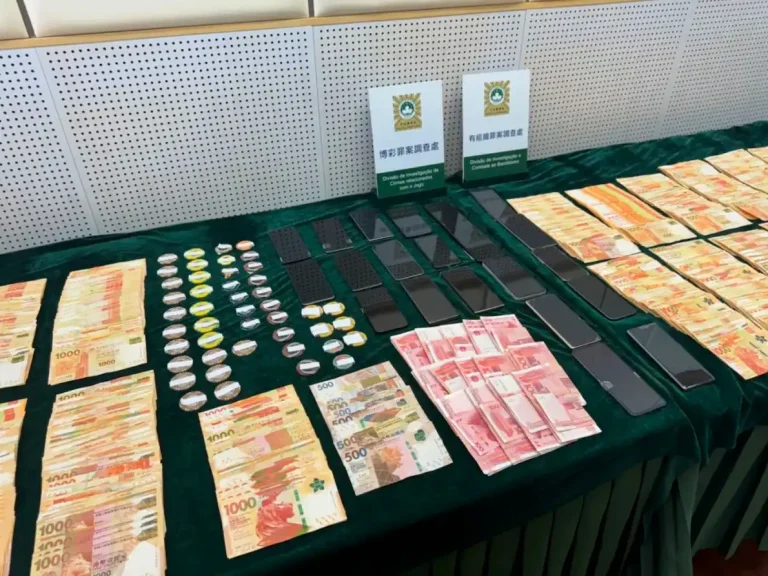
Between January and September, police intercepted over 2,800 money changers, imposing entry bans and barring many from casinos. Fraud schemes tied to these operations—ranging from counterfeit currency to frozen accounts—have also prompted increased enforcement.
Authorities report progress in curbing these activities, particularly in the second quarter, as targeted measures have led to a sharp decline in specific scams like the use of counterfeit “training notes.”
As part of ongoing efforts to combat illegal money exchange activities linked to the gaming industry, Macau’s authorities have strengthened cooperation with mainland China’s Ministry of Public Security.
This joint initiative was said to have already yielded significant results in dismantling transnational criminal operations and bolstering security in casinos and surrounding areas.
In September 2023, representatives from Macau and China’s Ministry of Public Security agreed to enhance information sharing and joint operations to target “money changers.” This agreement paved the way for coordinated crackdowns, starting with a comprehensive anti-cross-border strategy launched by mainland authorities in May 2024.
In June 2024, a major joint operation was also said to have led to the dismantling of three criminal groups using counterfeit “training notes” in fraudulent remittance schemes. This resulted in the arrest of 101 suspects and involved approximately MOP1.6 billion ($200.2 million) in illicit funds.
A follow-up operation in August, dubbed “Ant Removal,” targeted money changers operating in casinos, hotels, residential areas, and near border crossings.
A total of 47 individuals from mainland China were arrested, with HK$1.92 million ($246,731) in cash and over HK$700,000 ($89,952) in gaming chips seized. After legal proceedings, all suspects were handed over to mainland China’s authorities.
Macau’s new law for Combating Illegal Gaming Crimes, effective since October 29th, introduced the criminal offense of “Illegal Currency Exchange for Gaming.” This landmark legislation aims to disrupt the activities of money changers, which threaten the stability of Macau’s financial system and public safety.
The law criminalizes not only illegal currency exchanges but also related crimes such as fraud, kidnapping, robbery, assault, and even homicide. Since its enactment, the police have initiated 42 cases and arrested 55 suspects under the new provisions, significantly improving safety in casinos and their vicinity.
Loan-sharking and kidnapping on the decline
Loan-sharking and kidnapping, once the dominant crimes in Macau’s gaming industry, have shown a sharp decline thanks to enhanced legislation and police crackdowns. Recent trends suggest these offenses are now largely committed by lone individuals rather than organized cross-border networks.
A joint operation between Macau and Hong Kong police, code-named “Demon Slayer,” was said to have dismantled a significant loan-sharking ring operating in both regions. Conducted in July 2024, the operation resulted in the arrest of seven key suspects, with further investigations ongoing.
Data also reveals that non-residents continue to dominate both the suspect and victim categories in gaming-related crimes.
Of the 1,267 suspects identified in the first nine months of 2024, some 75 percent were from mainland China, Hong Kong, Taiwan, or other countries, with Macau residents comprising just 17 percent. Similarly, 85 percent of victims were non-residents, underscoring the transnational nature of these offenses.
No unusual activities from secret societies linked to the gaming sector were also detected this year, suggesting effective oversight in this area.
Despite the increase in gaming-related crimes compared to 2023, authorities emphasize that the overall situation remains far better than pre-pandemic conditions, with Secretary for Security Wong vowing to continue refining crime-fighting strategies and strengthening regional cooperation to ensure the stability of Macau’s gaming sector.
The eagerly awaited FBM® Champion’s Night was held on November 19th at The Blue Leaf Events Pavilion in Taguig, uniting operators for the year’s most significant event.
The celebration marked the culmination of the FBM Champion Festival promo’s success from September to October, recognizing the top-performing bingo sites’ results.
This year, FBM Champion’s Night blended the celebration of remarkable operator accomplishments during recent FBM promotions with a Thanksgiving Party, creating an electrifying atmosphere. The event also served as an exclusive platform to unveil the new Auria casino cabinet, featuring the latest slot games developed by FBM, including the enhanced FBM Spin & Win 2.
The evening began with a warm message from Pepe Costa, FBM’s Country Manager for the Philippines: “It is important to celebrate the achievements and success of our many bingo operators nationwide and honor those bingo employees who have gone above and beyond… Remember three things: we are here to celebrate our blessings, our friendships, and our achievements.”
Following this, Alejandro Tengco, PAGCOR Chairman and CEO, shared a message of support for FBM’s role in the industry: “I would like to thank FBM. With your commitment to supporting the needs and goals of your licensees, I believe these industries will now be able to achieve better sales and revenues. Thank you for not only thinking of yourselves but also for thinking of all your licensees.”
Awards and performances to celebrate the Champions’ accomplishments
The duo Papa Jackson and Giselle Sanchez hosted the evening, energizing the audience, while FBM Ambassadors Daniel Matsunaga and Kylie Verzosa made special appearances, thrilling attendees with their presence.
The FBM Hall of Champions awards opened the agenda, recognizing bingo venues for their exceptional performance in key areas such as deposits, registrations, social media engagement, and activations for FBM E-Motion. Each site received special certificates and cash prizes in recognition of their contributions to FBM E-Motion’s success. Following this, exclusive FBM plaques were awarded to operators, celebrating their dedication and positive results during the FBM Champion Festival promo. The night also featured raffle draws with cash prizes and special gifts.
Musical performances were a highlight of the Champion’s Night. Marcelito Pomoy, finalist on America’s Got Talent and grand winner of Pilipinas Got Talent, delivered a stunning performance. Michael Pangilinan followed with a captivating live show, bringing the ideal musical finale to the event.
By honoring each partner’s hard work and dedication, FBM reaffirmed its commitment to setting new standards of excellence and innovation in the industry. The event underscored the importance of strong partnerships and dedicated support for all operators, paving the way for continued growth and success.
As we are getting closer to 2025, FBM is more determined than ever to push boundaries, inspire new heights, and continue delivering exceptional gaming experiences. Every step, every game, and every achievement is a testament to the Always Champions motto.
Good morning. Build it and they will come. But the problem is that now it’s built it’s not enough. Macau continues to suffer from a lack of hotel rooms compared to the overall demand. And this won’t be alleviated in the short term, in particular given the SAR’s shift to higher spending customers – leading a drive to luxurify hotel rooms previously allocated for mass. Looking at premium mass, Macau has fully set its sights in, moving away from a numbers game. And furthermore, business leaders take stock of the gaming hub’s economy, praising its development and shift away from a gaming-centric model.
Macau has everything going for it, the only thing it’s lacking is more hotel rooms. As the territory reaches for its pinnacle it continues to face the shortcomings of supply, hoping for mass to meet the expectations that it’s promised. But could the neighboring territory be its saving grace? Hengqin has the space that Macau lacks, and operators are already moving in to set up their territory. Time will tell.
Asia is the most populated continent on the planet and Football is the No. 1 sport in most countries. The World Cup qualifying matches are traditionally watched by billions of fans in the region, but FIFA has decided to reward Asia with a significant representation at the tournament only now.
Altenar, a leading sportsbook provider is bringing its global expertise to Asia, looking to expand its operations. Since 2011, Altenar has powered hundreds of online sports betting sites worldwide and is a major B2B provider in Europe and Latin America licensed markets.
The future of Macau’s satellite casinos remains uncertain, as the Macau government and gaming concessionaires have not yet begun discussions on the issue.
Jay Chun, co-chairman and managing director of Paradise Entertainment
There are 13 months remaining until the end of the three-year transitional grace period under the new gaming law. Based on the current situation, Macau’s satellite casino operators may need to transition to purely management companies, which will no longer be allowed to share gaming revenue.
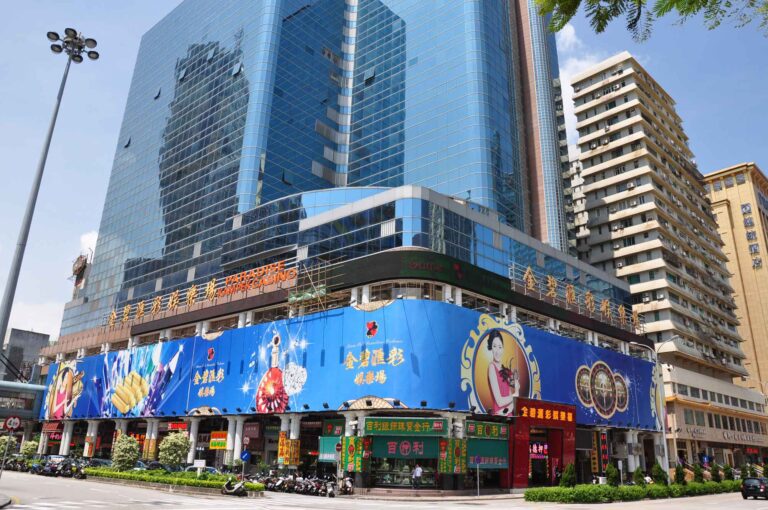
According to a report from the Macau News Agency, Jay Chun, co-chairman and managing director of Paradise Entertainment, expressed hope that talks would begin “soon.” Paradise Entertainment operates Casino Kam Pek on the Macau peninsula under the gaming license of SJM Holdings.
Chun noted that, with the change in government, discussions will likely only begin after the new Chief Executive, Sam Hou Fai, assumes office on December 20, replacing Ho Iat Seng.
Last month, legislator José Pereira Coutinho raised concerns in a written inquiry to the Macau government about the future of satellite casinos and the potential for closures, which could affect the jobs of nearly 10,000 local workers.
Currently, Macau has 30 casinos, including 11 satellite casinos, nine of which operate under SJM’s license. Seven satellite casinos closed in 2022, impacted by the new gaming law and the adverse effects of the COVID-19 pandemic.
Chun expressed optimism that satellite casinos would continue to operate beyond the grace period. He emphasized the importance of protecting jobs, saying, “We have many employees, and no one wishes for these workers to abruptly lose their jobs.”
He also pointed out that the focus is now on calculating management fees. Since each satellite venue has its own unique circumstances, Chun indicated that the details of future discussions remain uncertain.
In September of this year, the Macao Gaming Industry Employees Home and the Macao Gaming Practitioners Volunteers Association met with then-candidate Sam Hou Fai, who is now the elected Chief Executive.
The industry representatives raised concerns regarding the possible shutdowns of satellite casinos, citing their potential impact on local employment.
The representatives called for the protection of the employment rights of gaming workers and highlighted that providing paid training is vital for the industry’s sustainable development. They urged that employees receive adequate support to adapt to the changing landscape.