
Sri Lanka’s president is betting on casinos to fuel the country’s tourism recovery, aiming to lift the industry’s contribution to 10 percent of GDP as the island nation seeks to rebuild its economy after the devastating financial collapse of 2022 and 2023.

According to Reuters, President Anura Kumara Dissanayake, who completes one year in office next month, has made high-end gaming central to his strategy for attracting affluent visitors from India and China. The government hopes tourism will eventually account for 10 percent of GDP, up from about 4 percent last year, with casinos playing a key role in achieving this ambitious target.
This push is part of Sri Lanka’s broader aim to raise tourist arrivals by 50 percent to 3 million this year, potentially lifting revenues from the industry to $5 billion from $3.7 billion last year, deputy tourism minister Ruwan Ranasinghe told the agency.

New regulatory framework provides foundation for growth
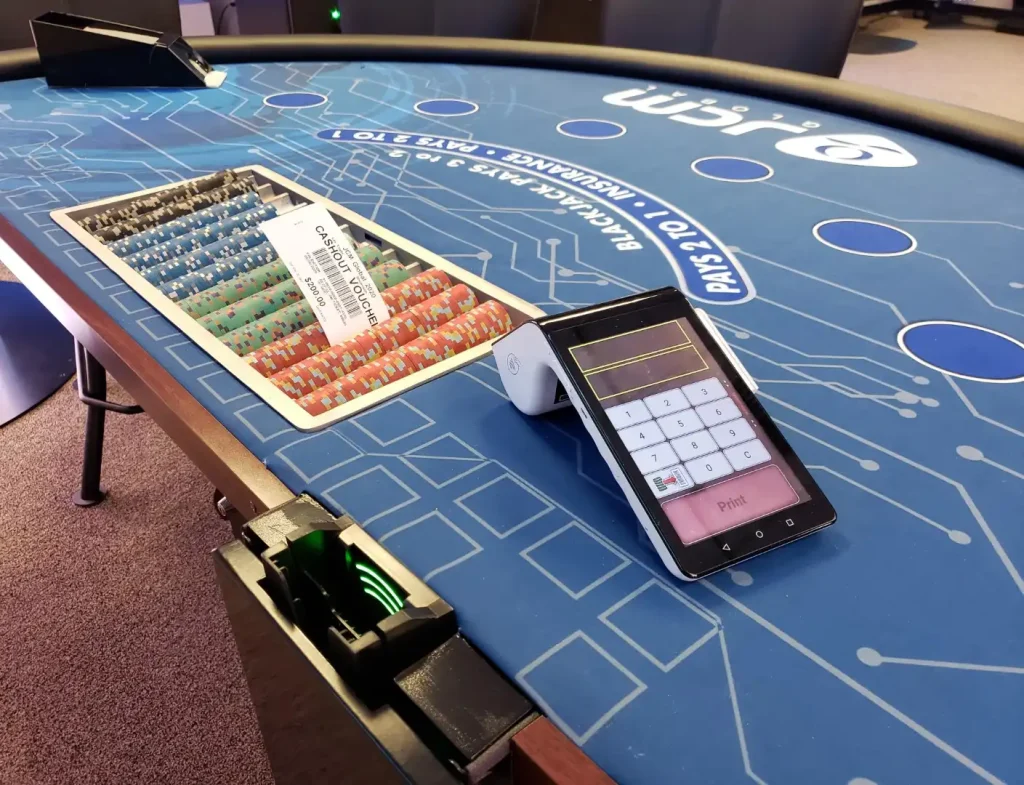
To support this expansion, Sri Lanka’s parliament unanimously passed legislation on August 22nd to establish the Gambling Regulatory Authority. The bill creates an independent oversight body aimed at standardizing betting and gaming operators within the country while developing tourism and growing the economy.
“The passing of the Gambling Regulatory Authority Bill marks an important milestone for Sri Lanka’s tourism and investment landscape,” Dharshana Weerakoon, a tourism and hospitality specialist told AGB. “Establishing an independent oversight body provides the necessary foundation to regulate casinos and betting operations in a transparent and structured way, which is essential for both investor confidence and public trust.”
The new regulator will license casinos and ensure their compliance with regulations, including anti-money laundering requirements. Currently operating casinos will be given time to come under the oversight of the new regulatory body.
City of Dreams marks new era for Sri Lankan gaming
Meanwhile, earlier this month saw the inauguration of the $1.2 billion City of Dreams Sri Lanka in Colombo – South Asia’s first integrated resort. The project represents a joint venture between John Keells Holdings and Melco Resorts & Entertainment.
Located on Colombo’s beachfront, City of Dreams features 800 rooms, a luxury mall, and conference facilities that investors anticipate will attract affluent visitors. “It is a total greenfield market,” Melco Chairman and CEO Lawrence Ho told Reuters. “I think we are barely scratching the surface in terms of the tourism potential and also the integrated resort gaming potential of this country.”

Sri Lankan Minister Ranasinghe expects Indians to be the main arrivals for the next decade. This positioning makes strategic sense, as India, the world’s most populous country, permits casinos only in a few designated locations, while China restricts all legal casino operations to Macau.
Indians made up nearly a quarter of the 2 million tourist arrivals in Sri Lanka last year, while Chinese visitors accounted for 7 percent. Sri Lanka maintains close economic ties with both New Delhi and Beijing, and citizens of both countries benefit from visa-free entry.
“Tourism plays a very significant role for us to get out of these economic issues that we have,” Ranasinghe said. “So these couple of years we are working more on short-term targets and getting traffic, but in the long run, our plan is to go for quality, more sustainable, and high-end tourism and casinos and gambling will be a segment of that.”

Balancing growth with responsibility
However, success will depend on careful implementation. Weerakoon stressed that the new regulatory framework must prioritize social responsibility alongside economic growth.

“The experience of other markets like Macau and Singapore shows that success depends on more than just passing legislation,” he told AGB. “Strong compliance, independent decision-making, and effective enforcement will be critical in preventing risks such as money laundering and problem gambling.”
The legislation has drawn some criticism from experts for granting extensive powers to the finance minister, excluding state-run lotteries from oversight, omitting tourism industry representation in the authority, and imposing low penalties for violations. Nevertheless, the government defends the legislation as vital to reduce social harm and raise employment while promoting the industry.
Tourism currently ranks as the third biggest dollar earner for Sri Lanka after remittances and apparel exports. The central bank forecasts full-year economic growth of about 4.5 percent, partly driven by strong tourism numbers – sharply higher than the World Bank’s April projection of 3.5 percent.