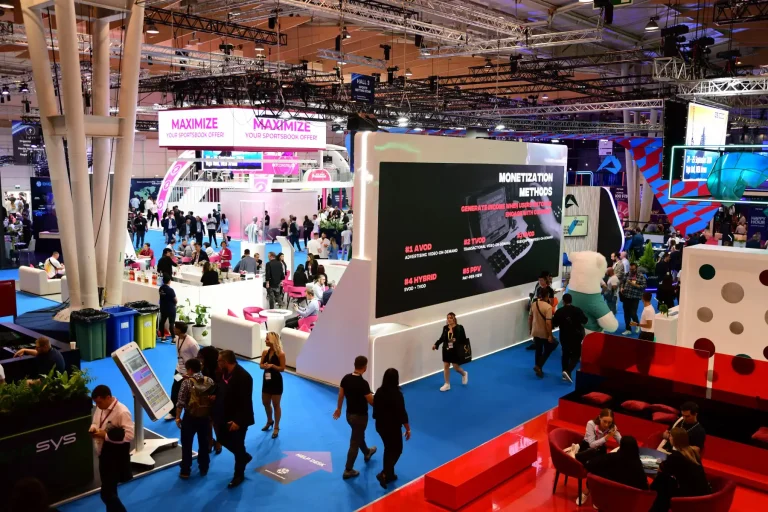
The global betting company 1xBet participated in the SBC Summit Lisbon 2025 as a Premium Sponsor, highlighting both its role in driving industry growth and the significance of the European region to the brand.
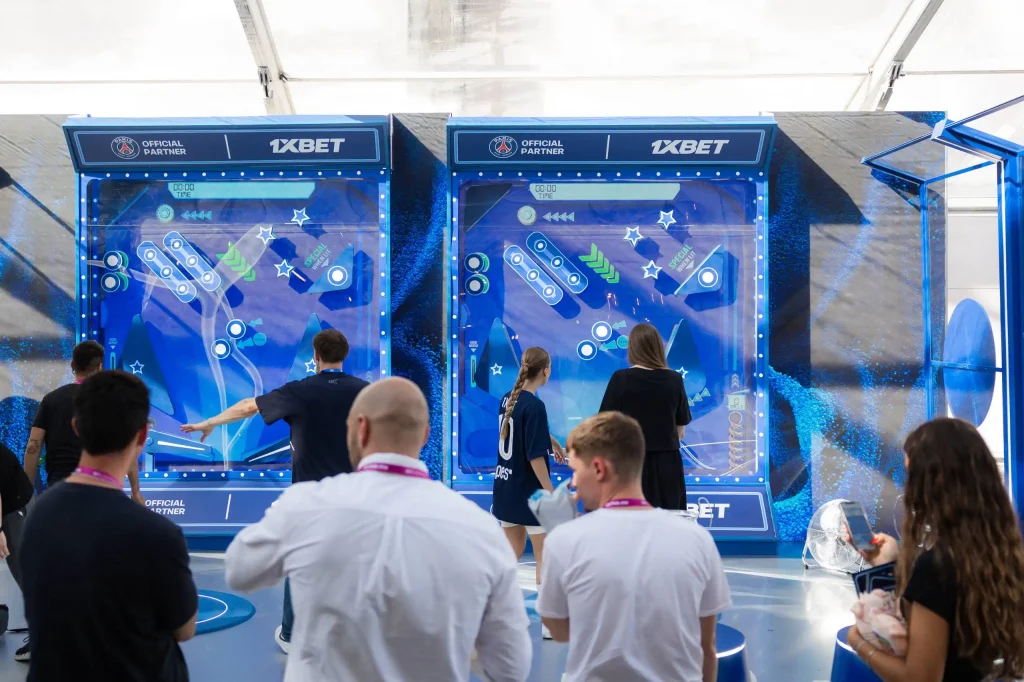
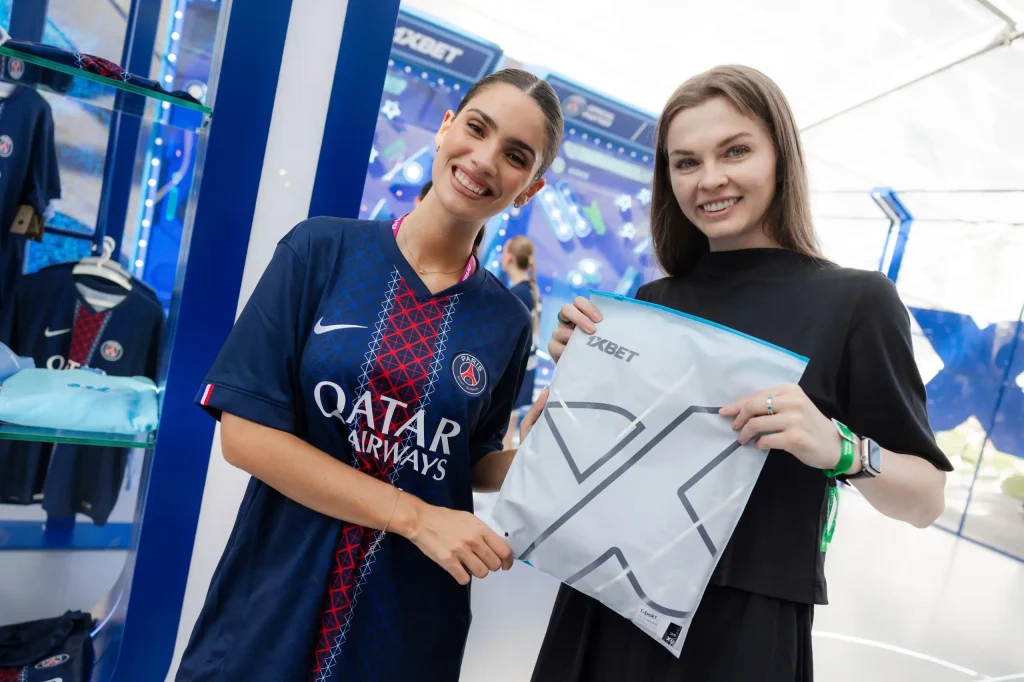
The company 1xBet had its own booth, C130, where guests were treated to gifts, delicious cocktails, and profitable offers as part of the 1xPartners affiliate program. The brand also presented the Game Zone B855, designed in the style of Paris Saint-Germain, where visitors could relax and have fun.
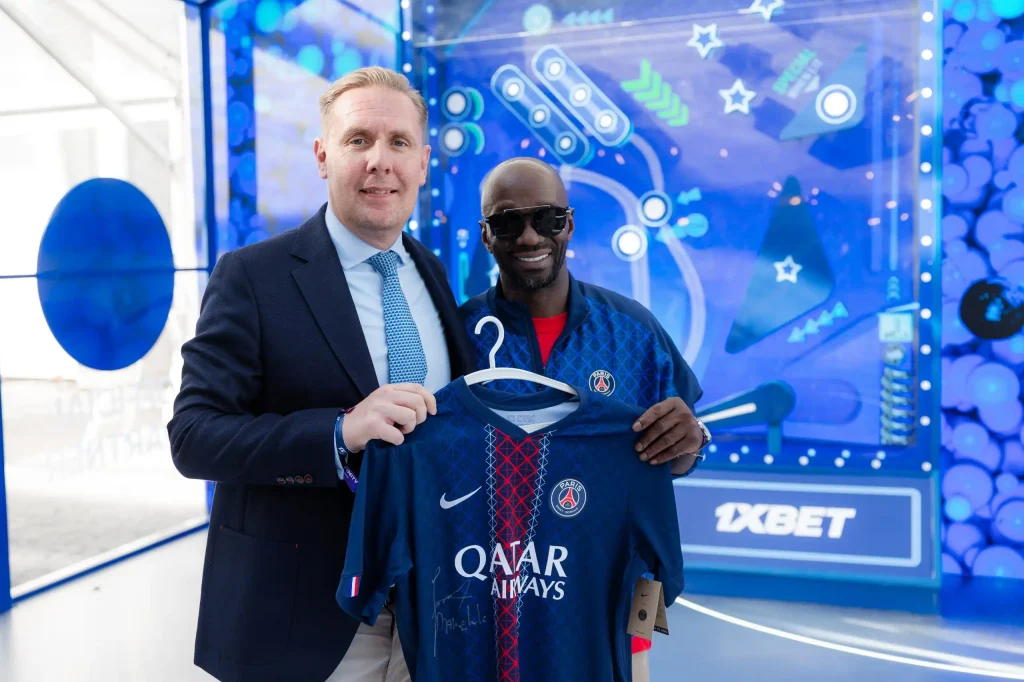
The 1xBet booth was designed to spotlight its extended partnership with PSGSimon Westbury and Claude Makélélé
The special guest at both locations was legendary footballer Claude Makélélé. His striking appearance drew huge attention — he signed autographs, talked with visitors, and took photos with the brand’s partners.
The 1xBet booth was one of the most vibrant and lively at the event. Guests took part in a prize draw for valuable prizes, including Nintendo Switch 2 gaming consoles, tickets to Paris Saint-Germain games, stylish Jordan Wings Cashmere and Leather Varsity Jackets, and an exclusive Louis Vuitton Horizon 50 suitcase.
“We were proud to extend our partnership with PSG, launch the first Global Player Protection Report for Western Europe, and join the Eurasia Leaders panel to help shape the conversations driving our industry forward. The SBC Summit was a fantastic experience — and we’re already excited for 2026,” said Simon Westbury, 1xBet’s Strategic Advisor.
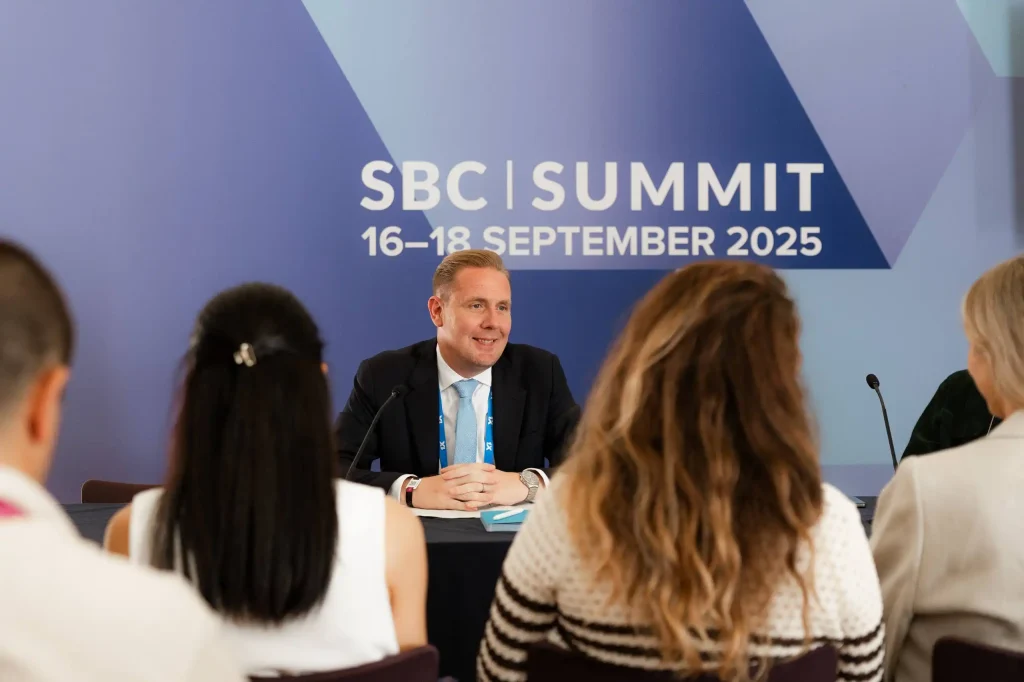
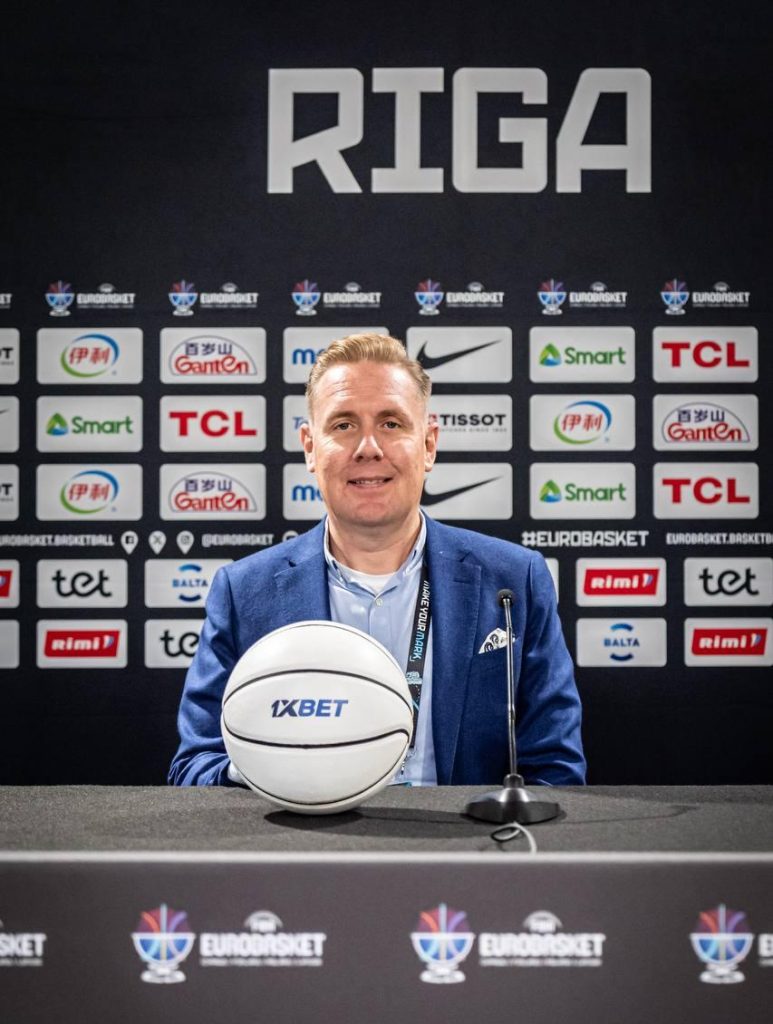
Simon Westbury at the EURASIA LEADERSPANEL
An even more dynamic discussion unfolded during the session, EURASIA LEADERSPANEL: Expansion or contraction – which way will the bridge betweencontinents swing?, featuring Simon Westbury as a speaker. Experts shared their views on the prospects for operators in the Caucasus, Central Asia, and the Balkans — regions where innovation is quickly taking hold and new hubs of gaming culture are emerging.
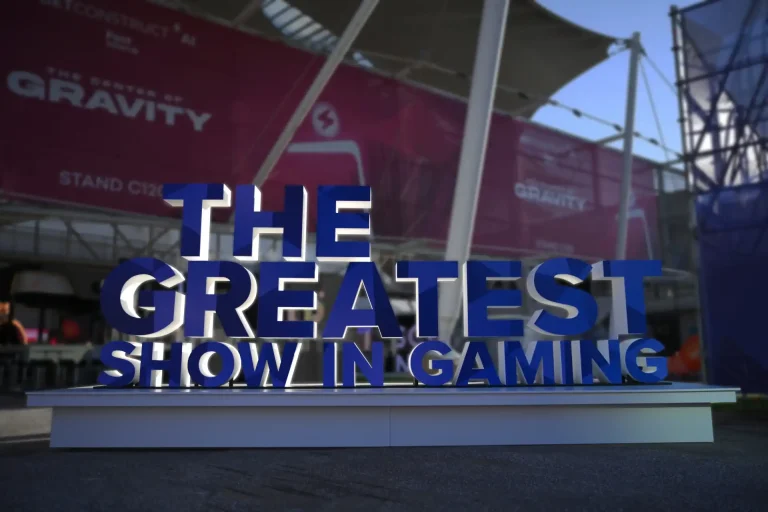
Westbury added: “SBC Summit is known as the ‘Greatest Show in Gaming,’ and this year’s event truly lived up to that reputation — from the Legends Match through to the SBC Awards. The summit provided an excellent platform to welcome guests to our stand, strengthen existing relationships, and create the foundations for new business opportunities.”
Several satellite casinos in Macau have opted to shut down operations ahead of the December 31st deadline, with the loss of key marketing personnel to larger competitors offering higher salaries cited as a primary reason, according to an industry expert.
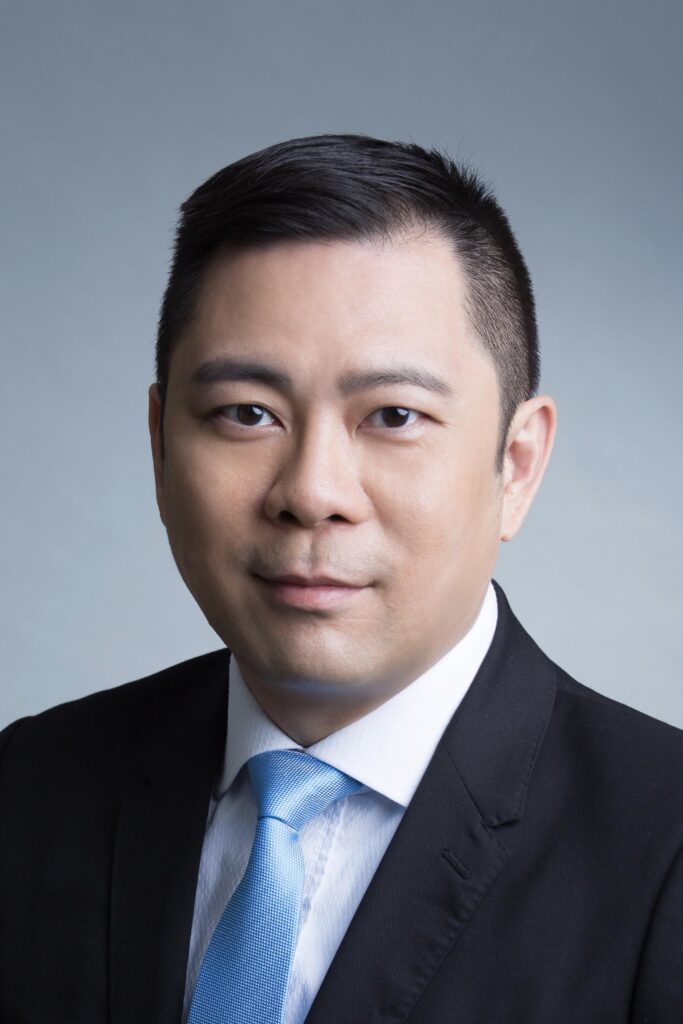
Billy Song, President of the Macau Responsible Gaming Association
“Why are some satellite casinos closing early? Because other companies are poaching the mass gaming floor public relations staff.”
Billy Song, President of the Macau Responsible Gaming Association
The early closures follow aggressive recruitment efforts by major gaming operators, who have been targeting marketing staff from satellite casinos. Without these essential employees, satellites have struggled to attract and retain their customer base.
Song explained that larger casinos often recruit entire teams, creating a domino effect. “When they hire, they may take 60 people, while a satellite casino may only have 10 in its marketing department. This results in a complete staff exodus,” he noted. He added that the proactive departure of marketing staff was also driven by the fact that the closure of satellite casinos is definitive, with no possibility of reversal.
In response, some existing satellite casinos, such as Landmark, have introduced more generous commission schemes to retain their marketing personnel, recognizing that maintaining operations until year-end is impossible without them.
So far, multiple satellite casinos—including Grand Dragon, and Grandview—have already ceased operations. The closures underscore a broader trend of satellites struggling to sustain business once their marketing departments are depleted.
According to Song, marketing staff are the lifeblood of satellite operations. “If operators lose the public relations staff who bring in the clients, the casino effectively has no business once the department is empty,” he said.
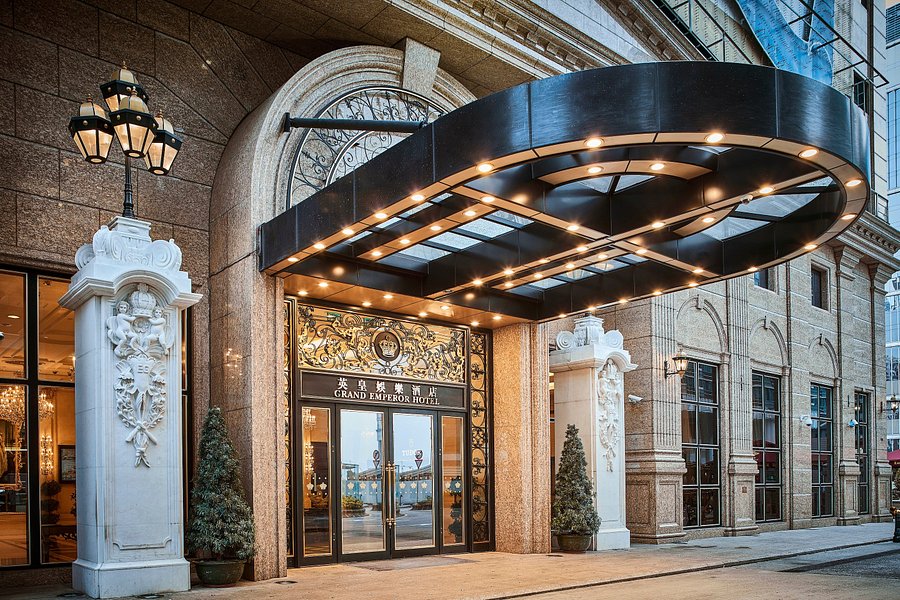
Meanwhile, local outlet Allin Media reported this week that the Emperor Entertainment Hotel casino has already shut down its gaming floor, keeping only slot machine operations. Its on-site investigation found that while ground floor slot machines and live entertainment remain open, the 2nd to 5th floors housing baccarat and VIP areas have closed, with electronic notice boards stating “Gaming floor temporarily closed.”
Security personnel confirmed that the gaming areas above the 2nd floor closed on September 21st and “won’t reopen.” SJM Holdings, which operates Emperor Entertainment, said in a written response that “the closure date awaits discussion between both parties and requires government approval.”
Future transformation and facility reallocation
As satellite casinos wind down operations, the industry is witnessing a strategic reallocation of resources. Many former satellite casino venues are expected to transform into budget hotels, while major operators like SJM are expanding their main property gaming areas to accommodate relocated gaming tables and equipment.
Song noted that SJM has increased floor space at properties like Hotel Lisboa to accommodate gaming tables returning from satellite operations. This consolidation strategy aims to concentrate resources and enhance the competitive position of main gaming floors.
The transition period has also created opportunities for remaining operators to capture displaced customers. However, Song cautioned that success depends on whether main venues can replicate the specific attractions that drew customers to satellite casinos, such as lower minimum betting limits, more intimate environments, or specialized customer service approaches.
For properties transitioning to budget hotels, Song sees potential in Macau’s hospitality market.
“Macau has always lacked some 2-star or budget hotels…There’s actual demand from budget travelers for these properties.”
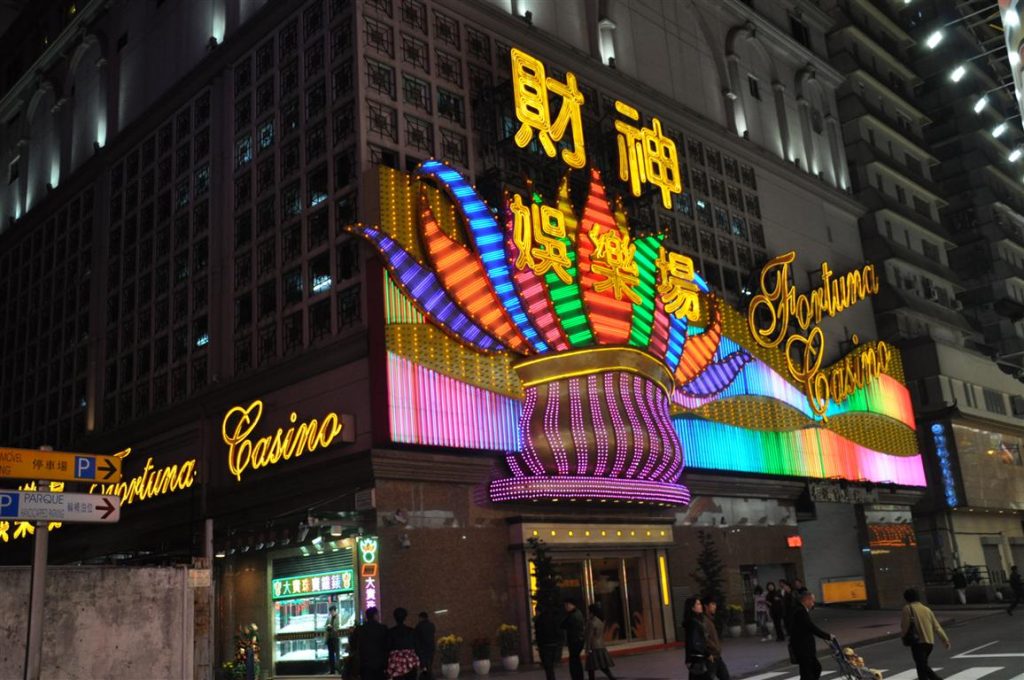
The three-year transition period for satellite casinos concludes at year’s end, with remaining operations like Landmark, Fortuna Hotel, Kam Pek and Legend Palace Casino expected to continue until the final deadline.
Meanwhile, Ponte 16 and L’Arc are expected to continue beyond the final deadline, as gaming concessionaire SJM seeks to acquire the casino properties. The staggered closure timeline, according to Song, helps minimize community impact compared to simultaneous shutdowns of all satellite venues.
Digitain, the leading iGaming solutions provider, has announced that it has been officially licensed to operate in Belgium, marking a significant milestone in the company’s ongoing European expansion.
This achievement highlights Digitain’s commitment to compliance, innovation, and delivering trusted solutions to its global partners.
Belgium is a highly regulated jurisdiction with strict standards to ensure fair play and responsible gaming. Securing this license further strengthens Digitain’s reputation as a reliable and compliant technology provider, enabling it to offer its award-winning solutions fully aligned with local regulations.
Digitain remains committed to expanding its regulated market presence, fostering partner success, and upholding the highest standards of compliance and data protection.
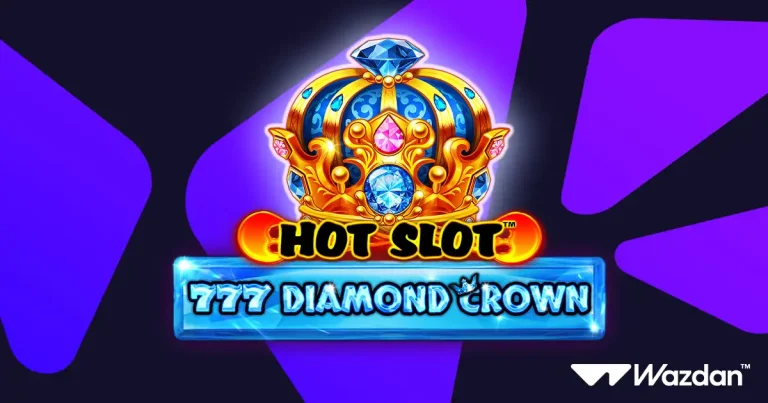
Wazdan, the renowned developer known for delivering timeless slot experiences, has unveiled Hot Slot: 777 Diamond Crown—a dazzling new instalment in its celebrated Hot Slot collection.
Building on the success of earlier releases, Hot Slot: 777 Crown and Hot Slot: 777 Platinum Crown, the latest title elevates the classic retro slot experience with upgraded visuals, refined mechanics and greater jackpot potential.
Played across five reels and 10 fixed paylines, the slot offers a straightforward yet high-impact experience that caters to both nostalgic players and newer audiences.
The Crown Scatter feature is a key driver of gameplay, with two, three, four, or 5 scatters awarding one of four jackpots: Mini, Minor, Major, or Grand, where landing 15 seven symbols also triggers the Grand jackpot, worth 5000x the bet.
Wazdan’s proprietary Chance Level mechanic further elevates engagement, enabling stakes to be increased by up to 10x to enhance the likelihood of activating jackpot rewards.
With its combination of retro slot styling and modern jackpot functionality, Hot Slot: 777 Diamond Crown underlines Wazdan’s commitment to delivering content that resonates with both operators and players.
Andrzej Hyla, Chief Commercial Officer at Wazdan, said:“Hot Slot: 777 Diamond Crown brings a fresh sparkle to our popular retro series. With intuitive gameplay, compelling jackpot mechanics, and our much-loved Chance Level feature, we have combined the familiarity of classic slots with the excitement of modern innovation. This release is a perfect blend of nostalgia and thrill, sure to resonate with players worldwide.”
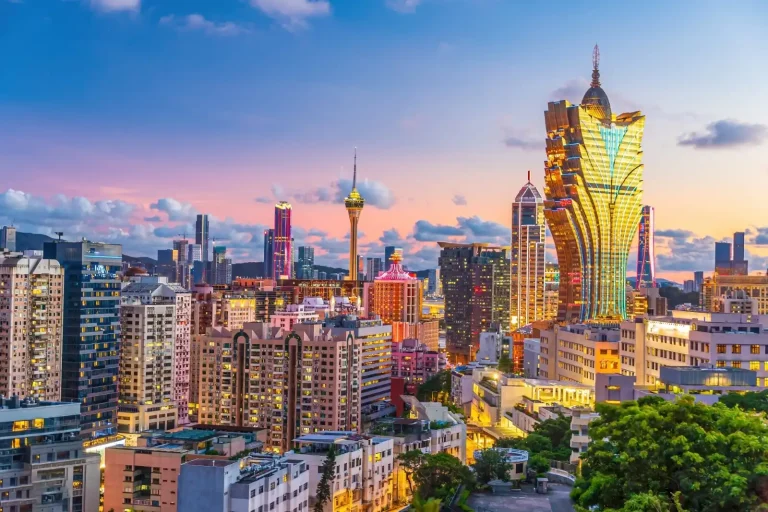
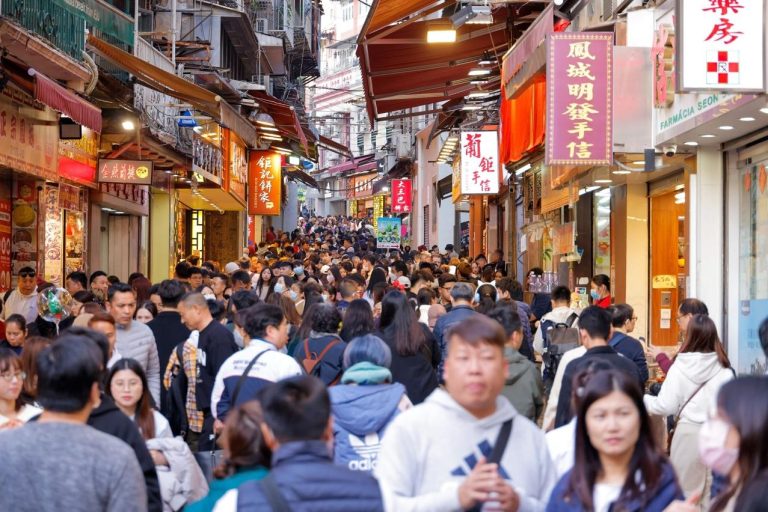
Macau is preparing to receive around 1.2 million visitors during the upcoming National Day Golden Week, with daily arrivals projected to average 150,000, according to Helena de Senna Fernandes, Director of the Macao Government Tourism Office (MGTO), as cited by public broadcaster TDM.
This year’s eight-day holiday, running from October 1st to 8th, combines National Day with the Mid-Autumn Festival, resulting in a longer break compared with 2024. Fernandes explained that the extended holiday, along with favorable travel measures such as multiple-entry permits via Zhuhai and Hengqin, is expected to push visitor numbers above last year’s levels.
Hotel occupancy is also forecast to remain strong, exceeding 90 percent. Fernandes noted that demand in August had already lifted occupancy above this threshold, underscoring robust market conditions. While hotel rates generally rise during peak travel periods, she added that the latest trend reflects “rational” adjustments rather than sharp increases. At present, Macau offers about 47,000 hotel rooms, with further capacity expected to be added in Hengqin’s Guangdong-Macau In-Depth Cooperation Zone.
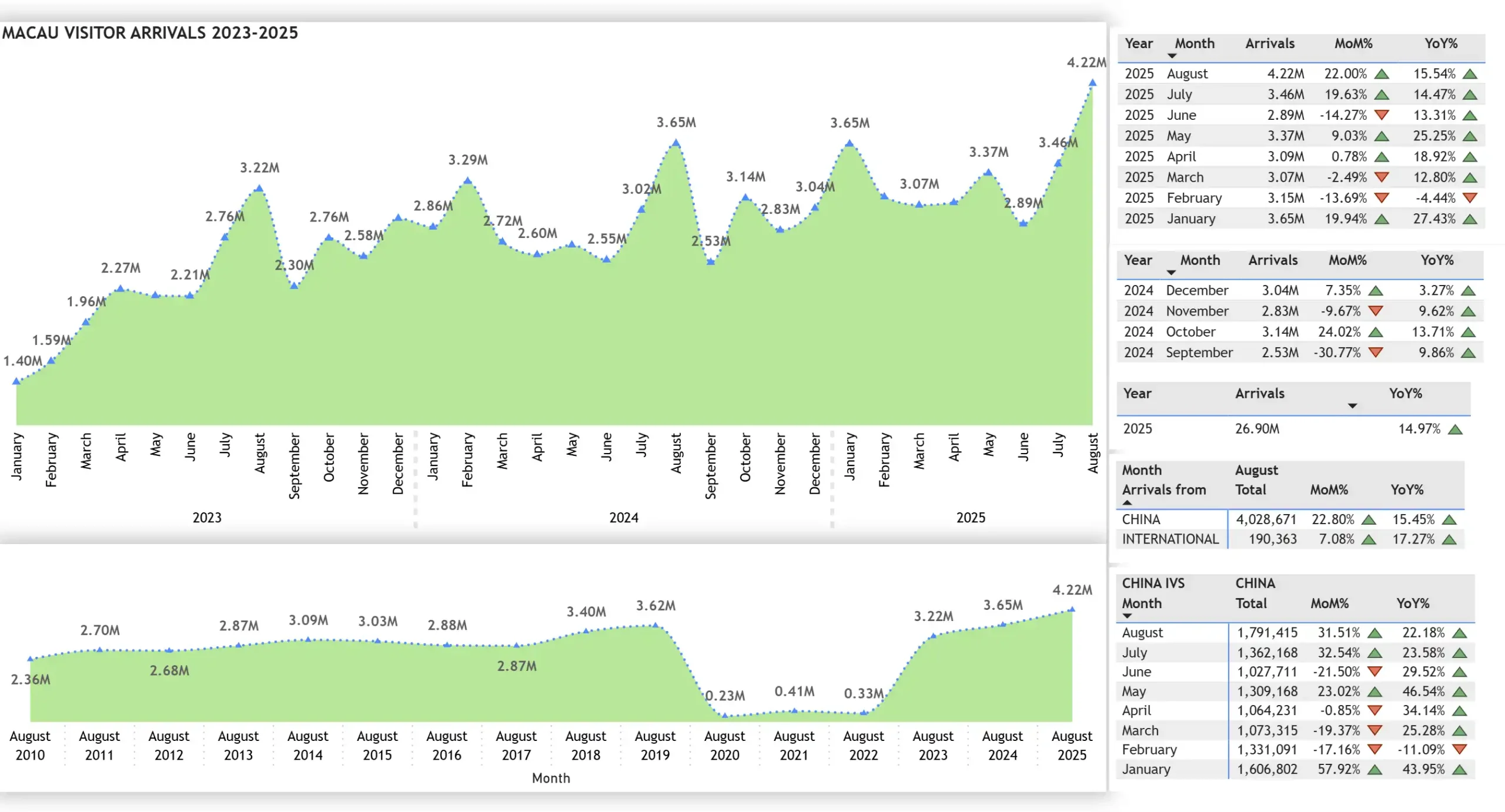
Visitor arrivals have been steadily climbing throughout 2025. In August alone, the city welcomed 4.22 million visitors, setting a new monthly record and marking a 15.5 percent increase year-on-year. From January to August, total arrivals reached nearly 26.9 million, representing a 15 percent rise compared with the same period in 2024.
It is noteworthy that Macau recorded 7.68 million visitor arrivals during July and August combined, averaging 123,000 arrivals per day. This figure was 7.4 percent higher than in the same period of 2019, prior to the pandemic. Peak single-day visitor traffic hit 195,000 during the summer months.
In early August, Davis Fong, director of the Institute for the Study of Commercial Gaming at the University of Macau, said the pace of recovery could allow annual arrivals to surpass the historic peak of 39 million recorded in 2019.
Looking ahead, the MGTO plans to strengthen regional cooperation to sustain momentum. This is to be boosted by the development of new hotel properties and the rollout of package tours in collaboration with Hengqin and other cities across the Greater Bay Area. The goal, Fernandes said, is to ensure Macau can accommodate rising demand while broadening the scope of tourism offerings.
Meanwhile, in celebration of World Tourism Day on September 27th, MGTO welcomed a family of five from South Korea at Macau International Airport, presenting them with gifts and e-consumption cards. The initiative is part of wider efforts to stimulate local spending and encourage community-based tourism, reflecting the government’s broader strategy of integrating economic growth with cultural exchange.
Vietnam’s Ministry of Finance has proposed raising the daily limit for legal international football betting to VND10 million ($380), a tenfold increase from the current ceiling of VND1 million ($38), citing the nation’s rising per capita income.
The move, reported by local outlet VN Express, is part of a draft decree on horse racing, dog racing, and football betting intended to replace regulations introduced in 2017.
Under the draft, bettors would be allowed to wager up to VND10 million ($380) per day across all categories. This contrasts with the current framework, which permits VND1 million ($38) per betting category, often amounting to a higher total given that each match offers 10–15 categories such as scores, goals, yellow or red cards, and corner kicks.
The ministry noted that since 2016, Vietnam’s per capita income has increased by 1.8 times to approximately $4,700, justifying a higher betting threshold while still aiming to curb excessive gambling. The minimum bet would remain unchanged at VND10,000 ($0.38).
The proposal also introduces tighter conditions for participants. Players must be at least 21 years old, hold full civil capacity, and open an account with a licensed bookmaker. All transactions—including wagers, payments, and payouts—would be processed through these accounts to ensure identification and compliance oversight.
Limited scope of matches
Betting would continue to be restricted to tournaments and matches recognized by FIFA or international esports competitions. Typically, only four to eight international tournaments qualify each year, lasting 10–30 days. Industry stakeholders note that this narrow scope makes profitability difficult for operators due to high operating and licensing costs.
Licensed betting operators would be able to choose which categories to offer, from match scores to tournament rankings, in line with their business models and regulatory approvals. Copyrights for match schedules and results must be purchased from FIFA or affiliated bodies, excluding those organized by the Vietnam Football Federation.
The draft also proposes permitting online betting to account for time-zone differences and easing advertising restrictions, allowing licensed operators to display logos and promotional content on their websites.
Given the social risks associated with gambling, the ministry recommends piloting international football betting with a single licensed operator for five years. The government has recently intensified crackdowns on illegal betting networks with an estimated value of several billion dollars, reinforcing the urgency of providing a legal, regulated alternative. The report notes that analysts believe the reforms could reduce illegal activity, attract investment, and boost state revenues, while offering players safer, regulated betting options.
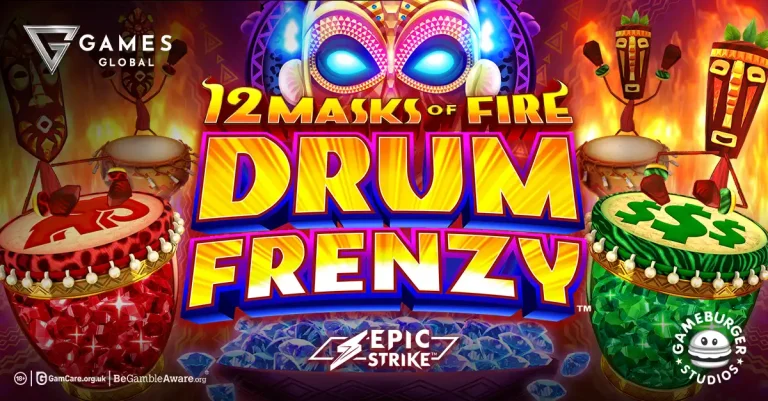
Games Global and its exclusive studio partner, Gameburger Studios, have released 12 Masks of Fire Drum Frenzy, building on the legacy of its acclaimed Masks of Fire series.
The vibrant African tribal-inspired theme and popular Epic Strike collection mechanic ensure familiarity for returning franchise fans, while the introduction of new Drum features refreshes gameplay and increases maximum win potential to 5,000x.
Supplementing the Epic Strike feature, which can award prizes from 1x up to 4,000x for collecting between three and 12 masks, are the all-new cash mask symbols. When landing on a winning cash collect spin, the value assigned to cash masks is added to the total Epic Strike payout.
The Jumbo Drum modifier sees enlarged symbols land, allowing for the collection of more drums, while the Cash Drum feature introduces cash values up to 250x, boosting the prize ladder payouts. The signature Drum Frenzy bonus fuses the potential of both Cash and Jumbo Drums, providing an additional layer to gameplay.
Gameburger Studios has also responded to the growing trend of customisable gameplay elements, integrating the WIN BOOSTER ante bet, which increases the likelihood of activating a bonus feature in return for an enhanced 1.5x stake.
Thomas Rath, Associate Business Development Manager at Gameburger Studios, said: “The continued response of players highlights that there is plenty of life left in this series, with each iteration further bolstering the brand’s popularity. It was important for us to elevate the experience to new heights in 12 Masks of Fire Drum Frenzy, while simultaneously retaining the brand’s core essence. The result is an action-packed title that we hope is as engaging for new players as it is for returning ones.”
By evolving the fan-favourite 12 Masks of Fire Drums, Games Global has once again showcased its commitment to delivering class-leading game brands built for longevity.
Andy Booth, Chief Product Officer at Games Global, added: “The multi-vertical Masks of Fire franchise is one of the most diverse in Games Global’s portfolio, incorporating numerous popular mechanics and an industry-leading progressive jackpot network in King Millions. The brand’s enduring success is a testament to Gameburger Studios’ product development expertise, and 12 Masks of Fire Drum Frenzy further exemplifies its creative nous and high-quality artistic capabilities.”
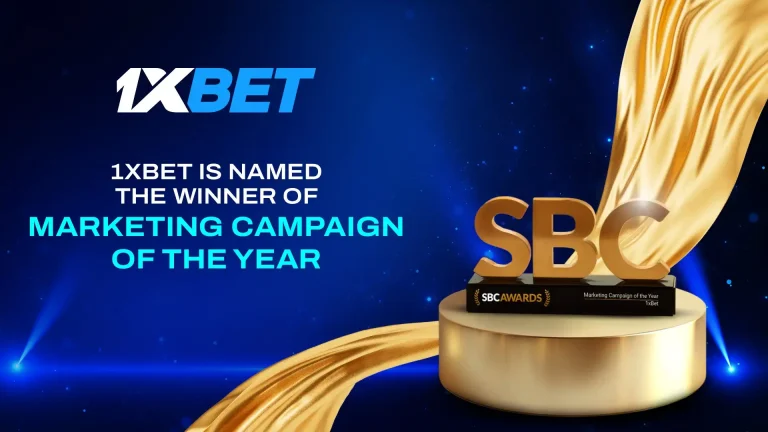
The global betting company 1xBet has once again reaffirmed its status as one of the most creative brands in the iGaming industry, securing the coveted “Marketing Campaign of the Year” accolade at the prestigious SBC Awards Europe 2025.
The company is delighted by the professional community’s recognition of its innovative approach. Experts highly praised the brand’s collaboration with FIBA, which covers major basketball tournaments and demonstrates the high degree of trust in the brand. The SBC Awards Europe distinction affirms that 1xBet’s marketing strategies are not only creating new opportunities for the industry but also resonating with fans and fostering the global advancement of sport.
“It is a tremendous honor to be recognized by our peers in the gaming sector. To be named for the Marketing Campaign of the Year at the SBC Awards 2025 is a true milestone for our team. We believe that strategic brand alliances are a powerful force between a brand and its audience. Our partnership with FIBA is a clear example of this philosophy in action. It’s more than just a sponsorship; it’s intrinsic to our philosophy to build trust with fans and, most importantly, contribute to the global development of sport.”
“We thank the judges for recognizing this new approach and for understanding how our work not only resonates with fans but actively helps grow the game of basketball around the world,” said Simon Westbury.
The SBC Awards Europe 2025 trophy joins a series of recent and impressive honors for 1xBet. Earlier, the company was named Best Sportsbook Operator at SiGMA Americas, won Mobile Sports Product of the Year at the International Gaming Awards, and received the Best on Mobile prize at SiGMA Africa Awards. It was also crowned Best Crypto Operator at SiGMA Eurasia Awards.
The company has also achieved significant success in affiliate marketing, as evidenced by the awards received by its affiliate program, 1xPartners. Today, 1xPartners connects over 500,000 entrepreneurs across 150 countries and has been a robust business ecosystem for more than nine years, offering affiliates lifetime payouts for referred players.
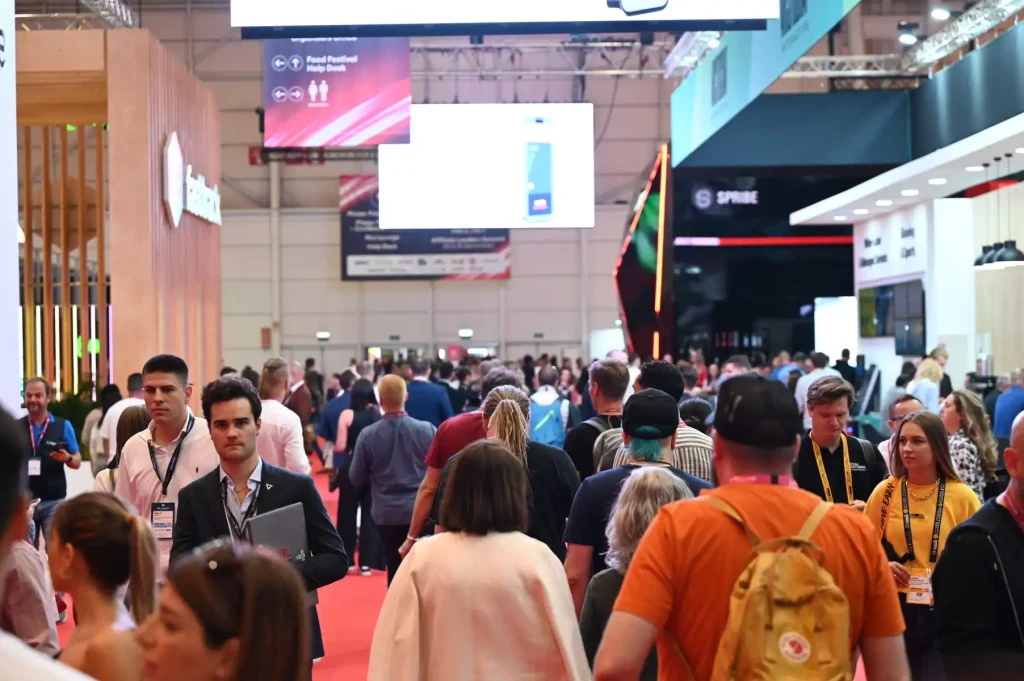
SBC Summit 2025 has concluded on a high note, cementing its reputation as “The Greatest Show in Gaming” with a record-breaking 30,000+ delegates from 150 countries in attendance.
The SBC Summit Lisbon 2025 edition delivered a 20% year-on-year growth in participation, drawing together the world’s top operators, suppliers, affiliates, regulators, media, fintechs, and sports professionals.
Essential Insights
The summit also welcomed over 700 exhibitors and sponsors, 550+ expert speakers, and an expanded footprint of 135,000m² across FIL and the MEO Arena.
Sharing the main reason for attending the SBC Summit, Elaine Gardiner-Ruddock, Managing Director of affiliate TAG Media, mentioned that: “Last year’s Summit was the most fruitful show for us in terms of business,” adding that because of that, “this year it was definitely a must-attend.”
Jesper Svensson, CEO of global operator Betsson Group, echoed this sentiment, calling the event “a yearly occurrence in the calendar.”
For Dinos Stranomitis, Director and COO of Altenar, the value is clear: “SBC is one of the best shows in the world. At Altenar, we have clear metrics for deciding which events are worth attending, and SBC Summit stands out as one of the most prominent shows globally.”
Ivan Rozic, Global Commercial Director at EveryMatrix, agreed: “If there are two shows you know you have to visit in a year, this has got to be one of them. For us, it was a no-brainer.”
International Representation
Apart from scale, the event achieved unprecedented international scope, with 16 new countries represented compared to last year.
Audience growth was particularly strong across Latin America (78.2%), Asia (68.8%), Africa (40.4%), and Europe (49%), underscoring the summit’s global relevance.
Svensson commented on the global nature of the event: “When there are so many people here from all around the world, that’s the real value we’re after. For us, operating in so many different jurisdictions, the opportunity to meet people from different places is invaluable.”
Ivan Gojic, Chief Sportsbook Officer at Entain, added: “I see a lot of people from Eastern Europe, a lot of people from South America; everybody in the same place, everybody with a chance to speak up. And what I really like is that I don’t see a difference between somebody being a CEO and somebody being a janitor in a company.”
New Global & Emerging Markets stages and regionally focused networking zones also gave delegates fresh opportunities to explore growth markets in Africa, Asia, Latin America, North America, and beyond.
Marcel Prioteasa, CEO of NetBet, shared his thoughts on the new addition: “It’s a very good add-on. It offers operators the possibility to cherry-pick what we are interested in and where to go.”.
Level and Industry Audience
More than 5,900 C-level decision makers were in attendance, reflecting SBC Summit’s role as the central meeting point for the industry’s most influential leaders.
600 of these C-level executives attended the annual SBC Leaders Summit in Lisbon on Monday, just ahead of the main conference days.
Dan Taylor, CEO of Flutter International, commented: “I was at the Leaders Summit yesterday, where I spoke to the audience. It’s a great opportunity to meet other chief executives from businesses around the world in one place. It’s a really efficient way to do that, which is fantastic.”
Prioteasa noted that the presence of senior decision-makers is a major draw to SBC Summit: “You have leaders of big companies setting market trends here.”
Operator attendance grew by 31%, while affiliate attendance rose by an impressive 38%, demonstrating the event’s increasing value to these key stakeholder groups.
Commenting on the impressive affiliate attendance at this year’s event—largely driven by the dedicated Affiliate Leaders Summit, which ran alongside the main summit for three days and even featured the brand-new Affiliate Leaders Awards ceremony – Sarah Sabo, Director of Affiliate Marketing at BetMGM, said: “I think the Affiliate Leaders Summit is incredibly valuable. I don’t think a lot of conferences do it, so it definitely sets SBC apart. I run the affiliate marketing team at BetMGM, so to me, it’s great. I get to see all my partners; there are excellent sessions, and it’s very niche and focused on our vertical, which is fantastic.”
Expo Floor
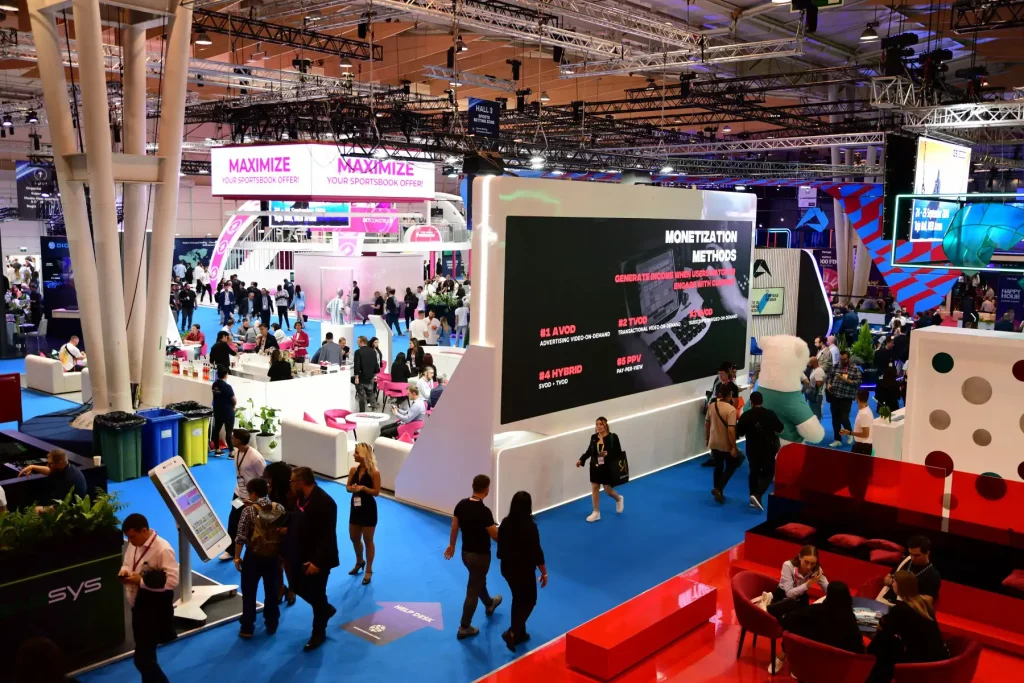
On the show floor, 235 new sponsors and exhibitors joined the roster, adding to the 700 brands showcasing their latest products and innovations.
On the variety of offerings at the expo floor, George Anestis, Online Casino Director at Greek operator OPAP, mentioned: “When it comes to sportsbook or casino platforms and propositions, as well as CRM and acquisition, everything is covered at the exhibition here. Moreover, we see a lot of affiliates, which are an integral part of our business, and it’s a great opportunity to connect with them as well.”
Rozic from EveryMatrix added: “Our stand gave us a dedicated space to host partners and engage in meaningful conversations, and we managed to meet pretty much everyone we wanted to. It’s been very useful, and we’re definitely coming back next year.”
Another exhibitor, Ramon Glieneke, COO of game aggregator Alea, said: “It’s been packed and crazy busy. Our booth was buzzing with people, meetings, existing clients, and new leads. It’s a great opportunity for us to showcase our new releases and products. So far, it’s been amazing — we’re really, really happy.”
SBC Conference
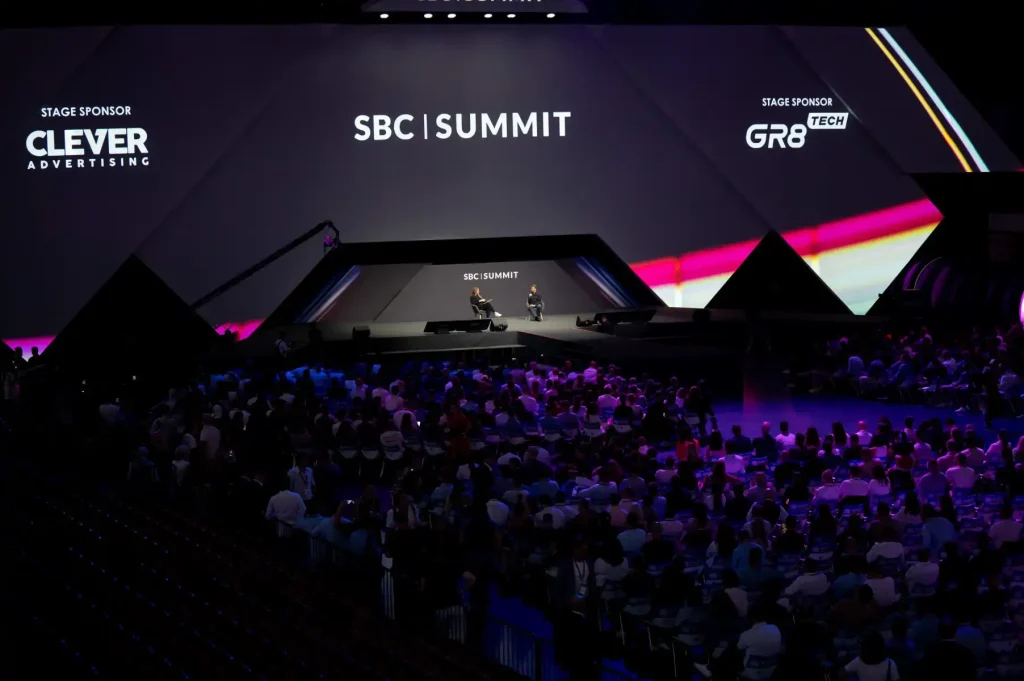
On the conference side, more than 550 industry leaders took the stage to share insights, with highlights including not just industry celebrities but also world-class keynote speakers and sports icons such as GaryVaynerchuk, RandiZuckerberg, OleksandrUsyk, and RubensBarrichello.
Yaroslava Romaniv, Head of Marketing and PR at GR8 Tech, highlighted the impact of bringing boxing champion Oleksandr Usyk to the event: “Our partnership with Ready to Fight, co-founded by Oleksandr Usyk, made his appearance at SBC Summit especially meaningful. The response to his keynote has been fantastic. Later, when Usyk joined us at our booth, it created an incredible experience for everyone who wanted to interact with a true legend. For us, it was a huge milestone and a win-win.”
Reflecting on the keynote lineup, IvanGojic of Entain remarked: “This year, you had Gary Vaynerchuk, you had Oleksandr Usyk, an undisputed champion. Those are things you don’t get to see often. And coming from somebody who is a huge sports fan, it really gets me going.”
The launch of the Tech Academies also stood out, offering hands-on learning in AI, blockchain, gamification, and marketing.
Commenting on their relevance, Pierre Cadena of Catena Media said: “There’s probably not one attendee that walks through the doors who isn’t thinking about how things like AI, business automation, and data-driven strategies need to affect their day-to-day.”
Overall, the Super Stage at MEO Arena delivered standout moments, from an inspirational talk with football legends to the Super CEO Panel, featuring top executives from Flutter International, Super Group, Betfred, Betsson Group, and Fast Track.
A big highlight of this edition was the addition of the Legends Charity Game, which saw a team of world football legends take on a side of Portugal legends. Fans were treated to unforgettable performances from global icons such as Kaká, AlessandroDelPiero, RobertoCarlos, and EdwinvanderSar, who went head-to-head with Portuguese greats including LuísFigo, RicardoQuaresma and Nani. Beyond the excitement on the pitch, the game has already raised €600,000 for four incredible charities, adding a powerful philanthropic dimension to the event.
Pavel Krbec, CEO of Flashscore, shared his thoughts on the Legends Charity Game: “I have to say that I really enjoyed the charity game. It was a great opportunity for Flashscore to invite our business partners. I really appreciated it, and I was pleasantly surprised by the attendance — over 20,000 people, from what I heard. A very nice achievement.”
Ramon Glieneke of Alea, said: “For us, it was an easy yes (supporting Legends Charity Game). The event aligns perfectly with our culture and values. It shows how the iGaming industry can come together as a community to support causes that truly matter.”
Football legends also extended their visit to the main summit, mingling with attendees. Former Dutch goalkeeper EdwinvanderSar joined TV presenter KirstyGallagher to co-host the SBC Awards, where excellence across the industry was celebrated in more than 40 categories.
On the hospitality side, highlights included thoughtful touches such as airport registration and a Food Festival with over 40 food trucks. The evening entertainment truly stole the show, with the Opening Party at Urban Beach featuring JoelCorry and Imanbek, and the spectacular INFINITY Lisbon Closing Party headlined by ALOK and TimmyTrumpet.
SBC Summit Contribution
Notably, the summit’s significance extended well beyond the industry, with an estimated 72,000+ hotel room nights booked and a direct contribution of an estimated €80-100 million to the Portuguese economy.
“We are incredibly proud of what we achieved with SBC Summit. The event continues to grow not just in size but in impact, bringing the global industry together for meaningful conversations, new partnerships, and memorable experiences. Our priority remains delivering an exceptional delegate experience, strong business ROI, and the greatest show in gaming.”
Rasmus Sojmark, CEO & Founder of SBC
With planning already underway for SBC Summit 2026, next year promises to raise the bar yet again, introducing new features and experiences while continuing to deliver on SBC’s commitment to being the most international, innovative, and impactful event in the gaming calendar.
SBC Summit Lisbon will return in 2026 for its third edition, bringing together global leaders in sports betting and iGaming to discuss and shape the industry’s future.
Building on the remarkable success of its 2025 edition—with a 20% year-on-year rise in participation—SBC Summit 2026 will return to Lisbon from 29 September to 1 October, promising an even bigger and better experience at the Feira Internacional de Lisboa (FIL).