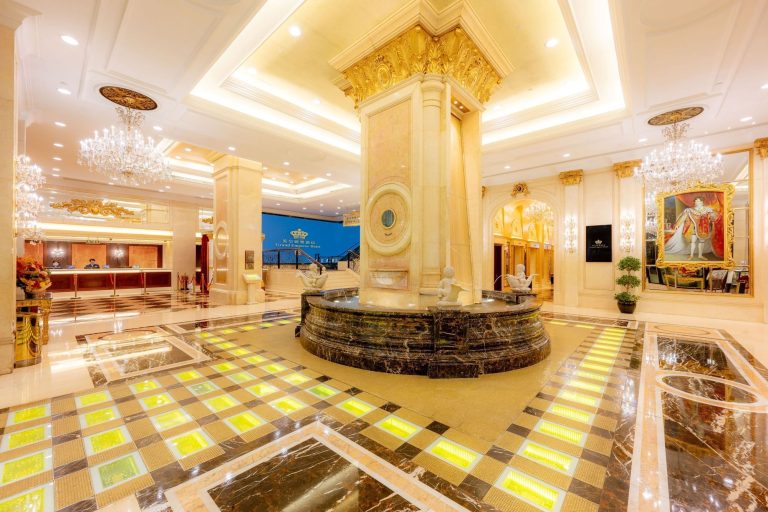
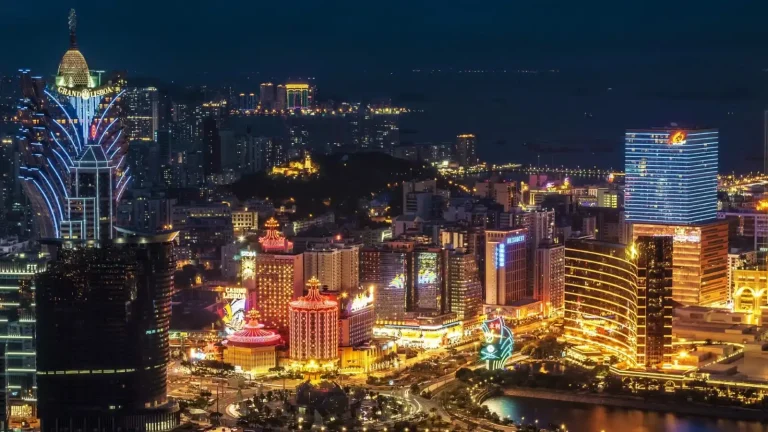
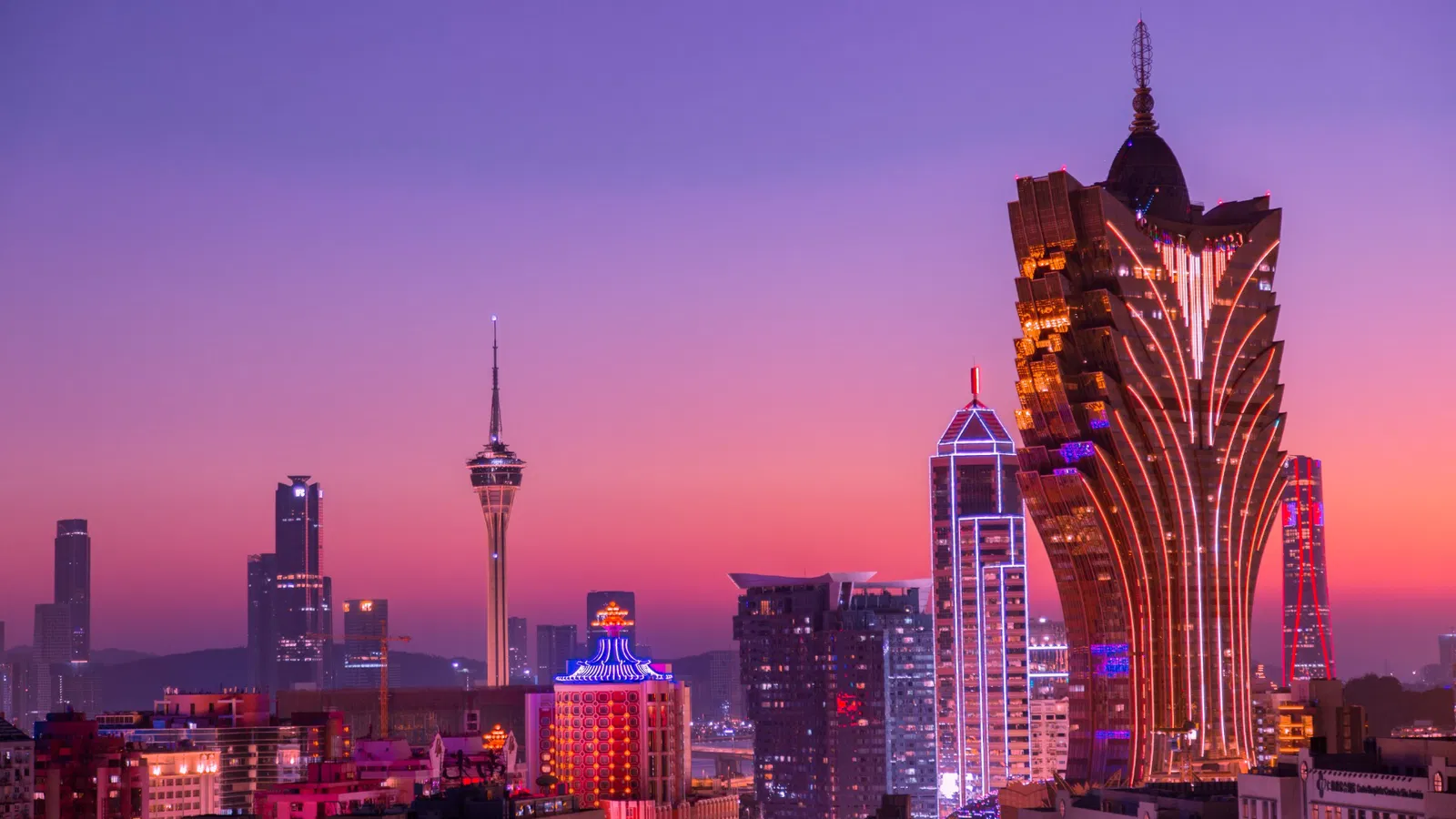
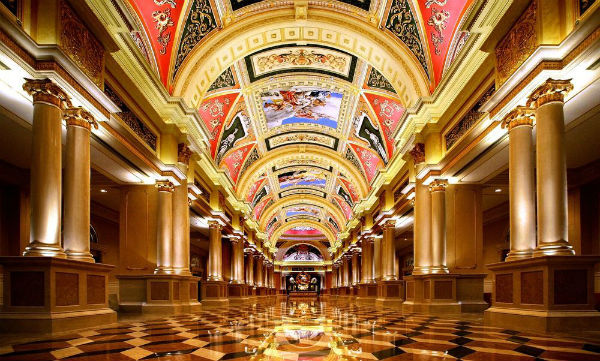
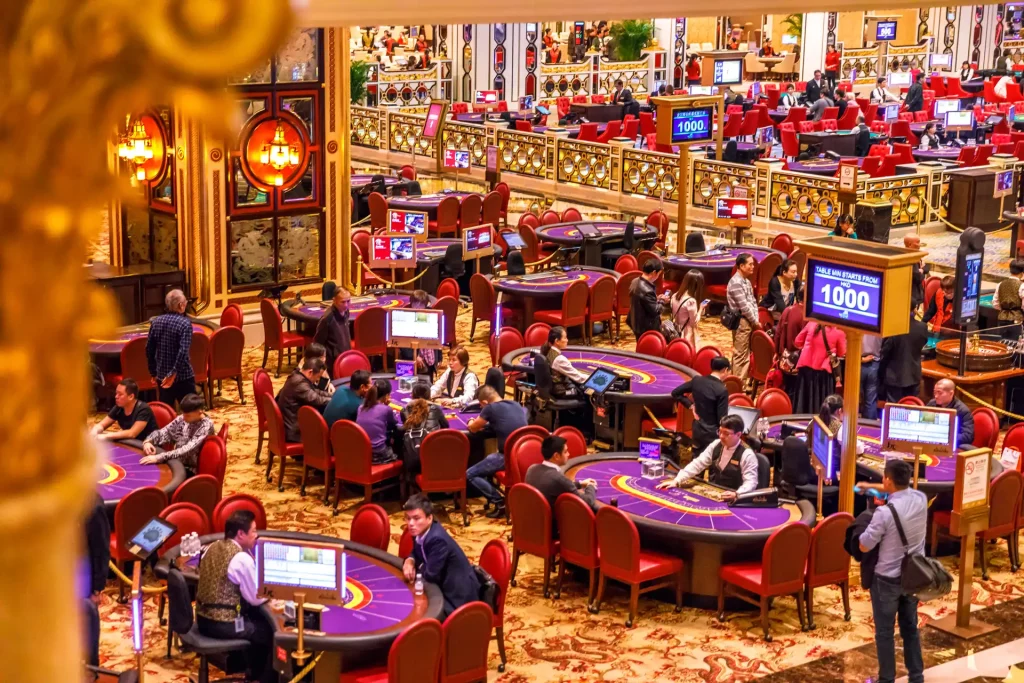
Macau’s Grand Emperor Hotel just got a little less glamorous, as the group has removed and sold the gold bricks that formerly decorated the hotel’s lobby for over two decades.
In a stock exchange filing on Wednesday, the group highlighted the end of its satellite casino operation in the hotel and plans to renovate and redevelop the lobby as part of its rationale for the sale.
The statement noted that the gold bricks ‘originally part of the hotel’s interior design and outfits are no longer relevant to the theme of the hotel in the future’. The group did not clarify what the theme would be but noted that it ‘has been actively planning for other entertainment and amusement facilities to enhance its overall hospitality experience and broaden the revenue base’.
It also noted the ‘high level’ of gold and savings linked to prior costs for security and insurance due to its presence in the lobby floor.
The group expects to make a gain of approximately HK$90.2 million ($11.55 million) from the disposal of the gold, purchased by Hareaeus Metals Hong Kong Limited.
Emperor notes that the net proceeds ‘will strengthen the Group’s financial position and enable it to invest should suitable investment opportunities arise’.
Emperor Hotel’s satellite casino, under SJM’s concession, closed at the end of October of last year, leading to a significant drop in the operator’s revenue.
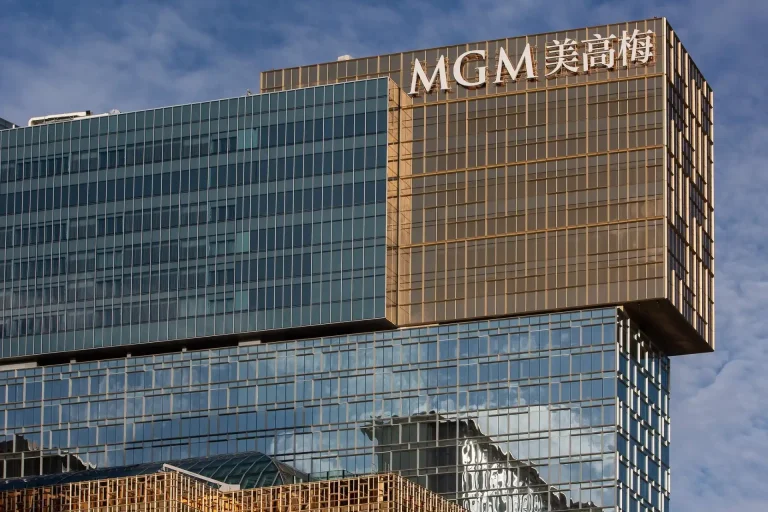
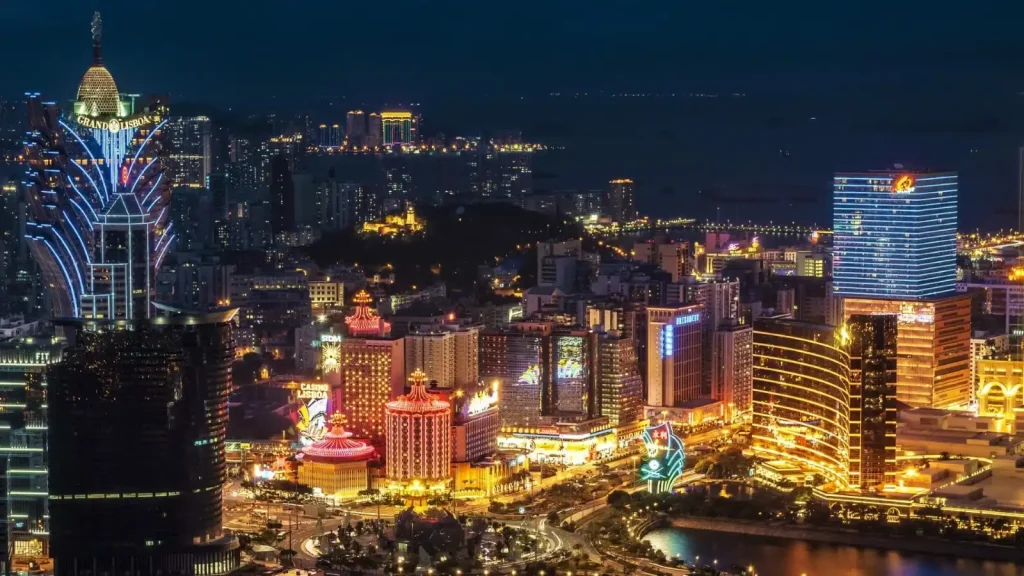
Good Morning. “I wanna get in the zone”. While Britney Spears’ catchy pop tune gathered a following, Macau’s attempts at doing so with foreigner-only gaming zones appears to be slow to pick up. While operators are getting tax cuts due to foreign play, the contribution is marginal compared to overall receipts and unlikely to see a large change. In Singapore, the city lauded its highest-ever tourism receipts, championing its new “distinctive experiences” positioning and placing it on the road to beat projections. Meanwhile, MGM may have jumped the gun in its results release, with divulged data showing $1.23 billion in Macau revenue for 4Q25.
Macau’s attempt to better siphon foreign gaming play into specific zones is being met with little success, experts say. The bid to better quantify foreign play, and provide tax breaks for operators who are drawing in more non-Chinese punters, has seen “positive developments”, but the segment only generated $385 million in 2024. For now, the level of play compared to overall volume is insignificant, and unlikely to affect operators’ earnings or investment decisions.
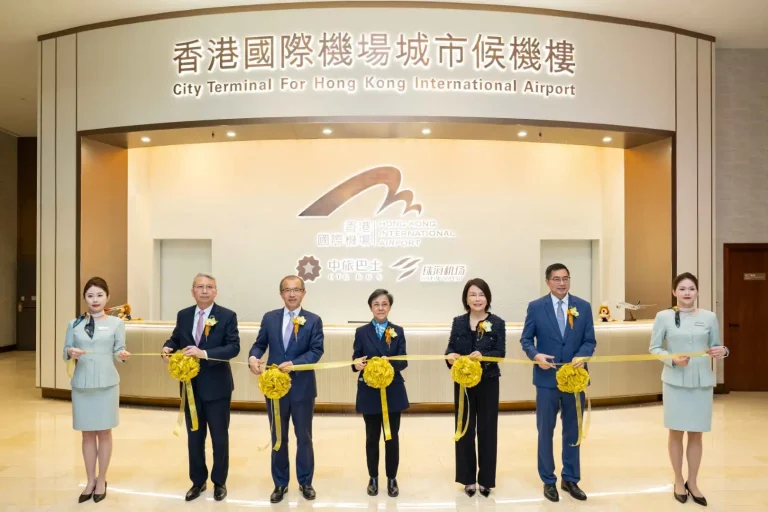
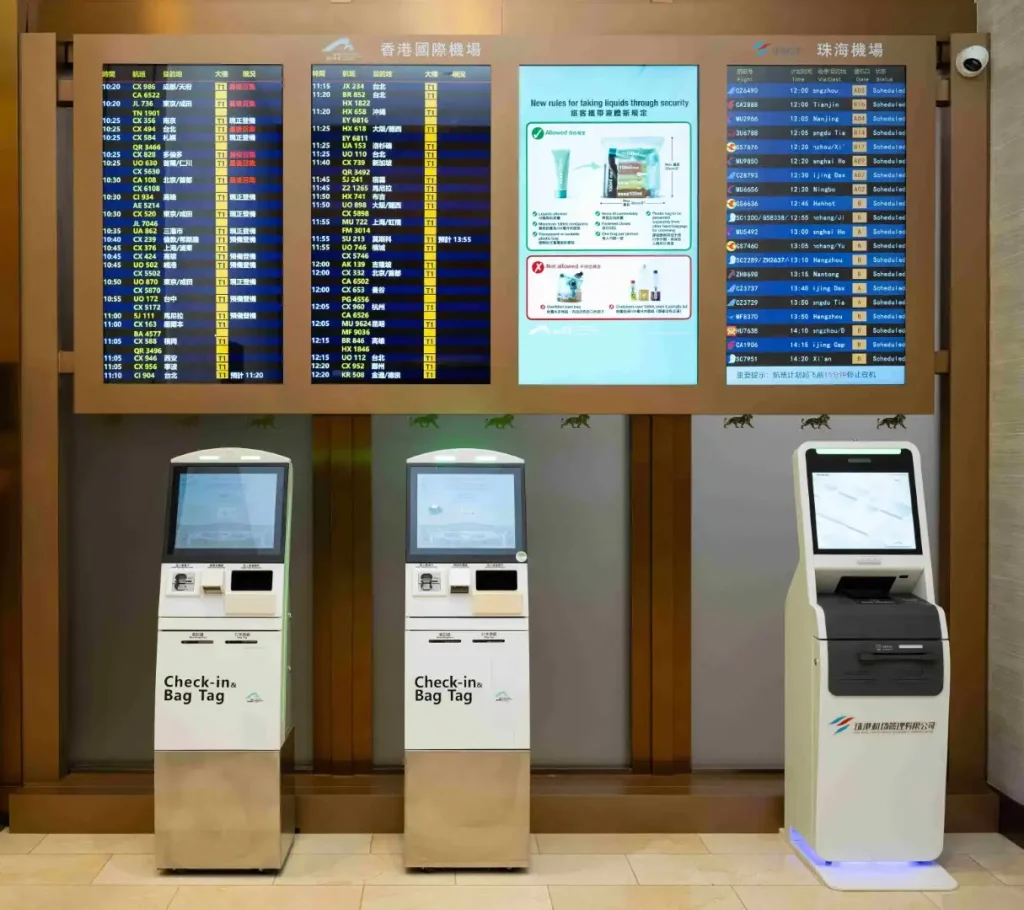
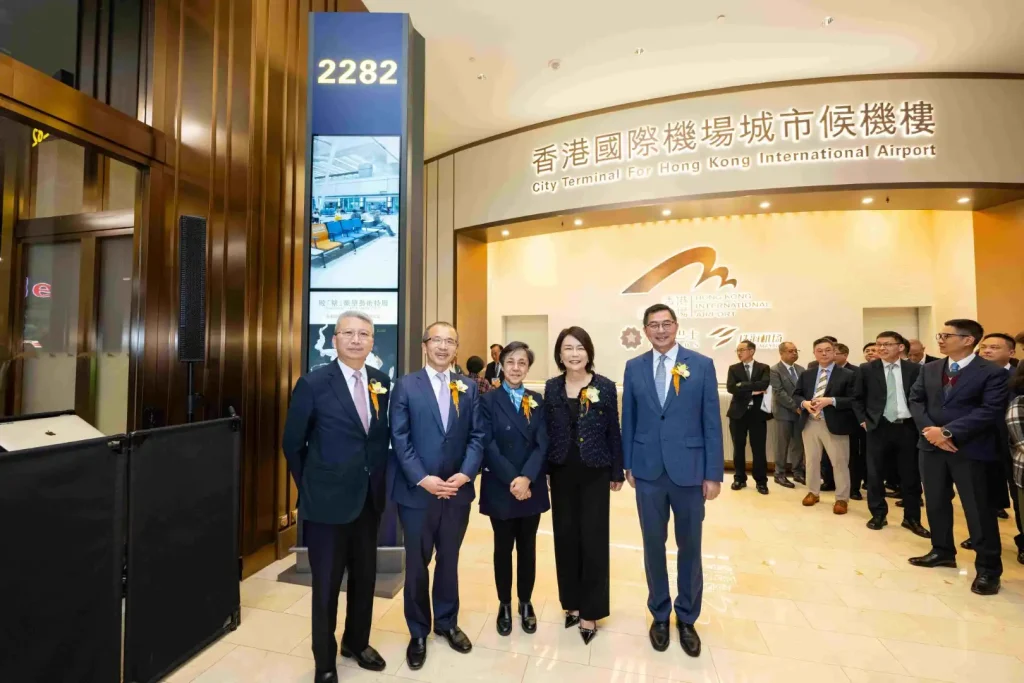
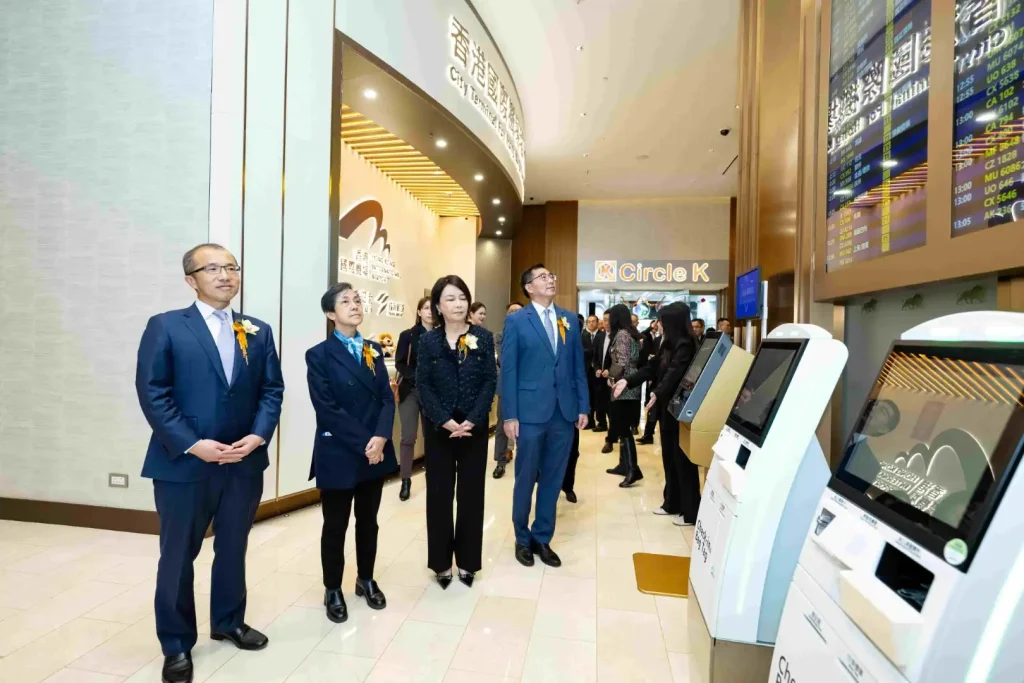
The MGM Hong Kong International Airport City Terminal—established through a partnership between Hong Kong International Airport (HKIA) and Zhuhai Airport—officially commenced service on Wednesday, 4 February 2026.
Located within MGM COTAI, the terminal offers a dedicated venue and full supporting facilities, operating as a premium dual‑city airport terminal with cross‑border passenger services provided by China Travel Tours Transportation Services Hong Kong Limited.
Designed with high-end features, the “MGM Hong Kong International Airport City Terminal” offers services including self-check-in counters, real-time flight information, and operates daily from 9 a.m. to 6:30 p.m., with a range of transport links to both HKIA and Zhuhai Airport. Departing from the city terminal, travelers can reach HKIA via the Hong Kong-Zhuhai-Macao Bridge in about 90 minutes, or to Zhuhai Airport in approximately 60 minutes, offering more convenient, diverse, and efficient travel services for travelers from Macau and surrounding regions.
The launch marks a significant milestone in strengthening cross‑border aviation services and intermodal transportation collaboration among Guangdong, Hong Kong and Macau. Leveraging this platform, MGM aims to unite the collective strengths of enterprises and government bodies, deepen cross‑sector collaboration and strengthen the “mutual connectivity” within the Greater Bay Area (GBA).
Guests included representatives from the Macao Government Tourism Office, Airport Authority Hong Kong, Hong Kong‑Zhuhai Airport Management Company Limited, China Travel Tours Transportation Services Hong Kong Limited, MGM China Holdings Limited, and key organizations across the tourism, aviation, maritime, and transportation sectors of Hong Kong, Zhuhai, and Macau.
Mr. Kenneth Feng, CEO and Executive Director of MGM China Holdings Limited said: “The new city airport terminal extends the check-in services of HKIA and Zhuhai Airport directly to MGM COTAI, enabling our guests to connect with both airports more efficiently and enjoy a smoother cross border travel experience, further reinforcing Macau’s role as a regional transportation hub.”
It also plays a positive role in attracting international visitors and encouraging longer stays in the city. It the past, travelers eligible for the 144 or 240-hour visa free transit policies might only have passed through Macau briefly. With the added convenience of the city terminal, they can now explore Macau at a more relaxed pace and experience its unique charm shaped by the fusion of Eastern and Western cultures.”
Mrs. Vivian Cheung Kar-fay, CEO of Airport Authority Hong Kong, added, “HKIA has been extending its intermodal services network for years, covering core cities on the western side of the GBA and further extending into the Macau market. Since the opening of the Hong Kong-Zhuhai-Macao Bridge, the number of Macau travelers departing via HKIA has continued to rise. The establishment of this premium city terminal will help us expand the high-end customer base in Macau and further enhance our connectivity with Macau. Looking ahead, we will continue to develop our intermodal services, with a target to increase the number of city terminals to 50 by 2027, attracting more GBA travelers to use HKIA.”
MGM China saw a 21.4 percent increase in net revenue, to $1.23 billion in the fourth quarter of last year, according to results published ahead of their expected release on February 12th.
The group has now moved up the official results release to today, February 5th (5pm ET) along with the conference call, with a replay of the call available through February 12th.
A note by Seaport Research Partners citing the divulged data indicates that the market already responded to the results announcement, and ‘MGM stock is up significantly this morning’. Senior Analyst Vitaly Umansky, however, notes that ‘we think the large move is too excessive, even in light of the better than expected Las Vegas (and Macau) results’.
MGM China halted trading at 9am on Thursday, following the early release and resumed trading at 1pm (HK time).
Las Vegas ‘has been the key concern for investors’, highlights Umansky, and revenue of $2.17 billion (down 2.6 percent yearly) in the quarter ‘was above estimates’. EBITDAR of $735 million, down 3.9 percent yearly, still beat the Seaport estimate by 5.8 percent and topped consensus by 2 percent.
The Macau result beat Seaport estimates by 3 percent and consensus by 13 percent.
Umansky notes that ‘There is no clarity as to what drove the beats, but we expect high hold in Macau, and likely in Las Vegas contributed to the stronger than expected results’.
MGM China’s adjusted property EBITDAR (after the license fee) rose by 30.5 percent yearly, to $332 million, pushing the MGM’s total EBITDAR up by 9.7 percent yearly, to $635 million.
Profit before tax was down by 51.5 percent yearly for the MGM group overall, to $100 million, however net income increased by 86.5 percent year-on-year to $294 million.
Seaport maintains a Neutral rating for both MGM and MGM China, pending its official results and model updates.
JP Morgan does not expect Sands China’s weaker-than-expected fourth-quarter performance in 2025 to derail its path toward dividend normalization, maintaining its forecast for a higher payout in 2026, according to a research note.
In its latest Asia-Pacific equity research report, the investment bank said it continues to project a final dividend of HK$0.50 ($0.06) for the first half of 2026, compared with HK$0.25 ($0.03) paid in each half of 2025, and a full-year dividend of HK$1 ($0.13) for calendar year 2026. Analysts noted that this would support a dividend yield of more than 5 percent at the current share price.
The bank acknowledged that Sands China missed expectations in the fourth quarter of 2025, citing margin pressure from an unfavorable business mix, weak mass-market hold rates, and rising operating expenses. As a result, JP Morgan trimmed its forward EBITDA forecasts by around 3 percent.
However, analysts described the fourth-quarter softness as largely seasonal or non-recurring, pointing to factors such as NBA preseason events and the impact of the National Games. They said these issues were unlikely to have a lasting effect on the company’s earnings trajectory.
‘A 10 percent drop [in the share price] in one month looks excessive, given that the recent weakness was mainly temporary,’ the report said, adding that Sands China is expected to gain market share in 2026.
JP Morgan reiterated its ‘overweight’ rating on the stock, citing improving market share momentum since the second quarter of 2025 and expectations of continued recovery. The bank also expects Sands China to double its annual dividend from 2026, viewing this as the start of a gradual, multi-year increase that could exceed HK$1.50 ($0.19) per share by 2028.
Despite near-term earnings pressure, analysts said the company’s balance sheet, cash flow outlook, and improving industry conditions support its longer-term capital return strategy.
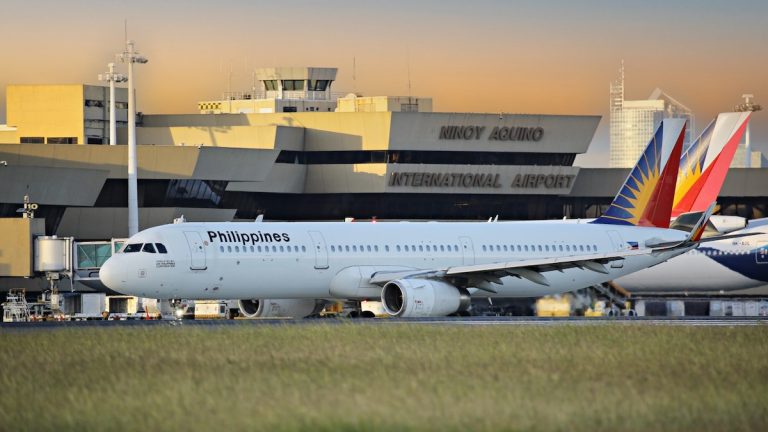
House Majority Leader Sandro Marcos, the president’s son, has filed a bill seeking to abolish the country’s travel tax, arguing that the levy places an unnecessary burden on Filipino families and hinders tourism growth in the Philippines.
In a statement on Wednesday reported by local media outlet The Philippine Star, Marcos said the tax limits households’ ability to allocate resources for basic needs and mobility, including travel for work, family visits, and other opportunities. He added that rising travel costs reduce spending and economic circulation, weakening broader economic activity.
“When travel becomes more expensive, fewer people move, fewer people spend, and fewer opportunities circulate through the economy,” Marcos said, adding that lower costs would allow families to prioritize essential expenses.
The bill seeks to repeal Presidential Decree 1183, enacted under the late dictator Ferdinand Marcos Sr., as well as provisions of the Tourism Act of 2009 that mandate fixed travel taxes. Marcos also cited the 2022 ASEAN Tourism Agreement, which encourages member states to phase out travel-related levies to promote regional mobility.
Under current rules, Filipino travelers pay either PHP1,620 ($27.46) or PHP2,700 ($45.76), depending on travel class. The Philippines is the only Southeast Asian country that imposes a separate travel tax on its citizens.
The travel tax is a government levy imposed on Filipino citizens and certain long-term foreign residents when departing the country, separate from airport and service fees. It is collected by the Tourism Infrastructure and Enterprise Zone Authority and primarily applies to economy- and first-class travelers, while most short-term foreign visitors are exempt.
According to the Tourism Infrastructure and Enterprise Zone Authority, proceeds are allocated to infrastructure development, tourism education under the Commission on Higher Education, and cultural programs through the National Commission for Culture and the Arts.
Marcos said tourism programs should instead be funded through the General Appropriations Act to ensure transparency and continuity.
The proposal comes as the Philippines recently introduced a visa-free policy for visitors from China, aimed at boosting inbound tourism. In 2025, the Department of Tourism recorded 6,484,060 visitor arrivals, up 0.76 percent year-on-year.
Marcos said abolishing the travel tax could further stimulate tourism-related sectors and support job creation, at a time when domestic travel costs have drawn public criticism.
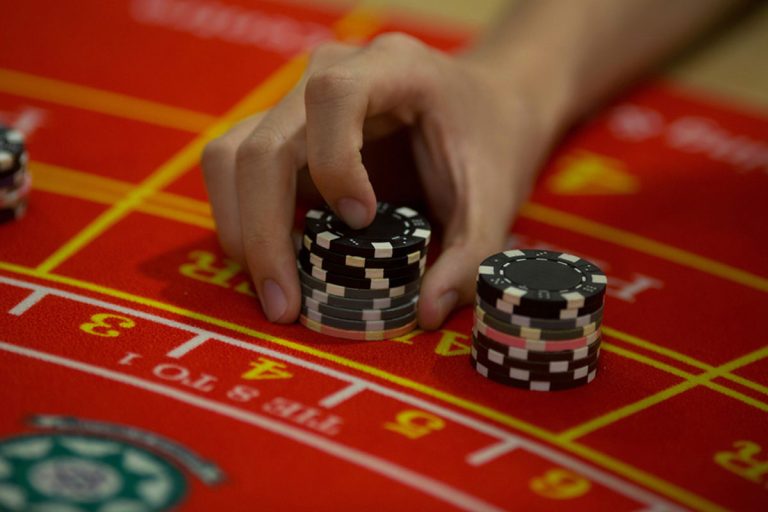
Macau’s foreigner-only gaming zones continue to make only a marginal contribution to overall casino revenue despite signs of early progress, an analyst and industry observer told AGB.
The segment generated about HK$3 billion ($385 million) in gross gaming revenue in 2024 and triggered HK$150 million ($19.2 million) in levy relief for operators.
Foreign player gaming accounted for roughly 0.17 percent of total casino revenue for the year, according to a government budget execution review.
The review was discussed last month at the Legislative Assembly of Macau, marking the first time authorities have publicly disclosed detailed data on gaming revenue generated by foreign players under the current incentive framework.
Under Macau’s revised gaming law, operators may receive up to a 5 percent reduction in special contributions linked to gaming revenue generated by international visitors, provided the activity takes place in designated gaming zones within casino properties. These zones were established as part of a broader strategy to encourage operators to develop facilities and services aimed at non-mainland Chinese customers.
Committee chairman and lawmaker Ip Sio Kai said the relief mechanism is intended to support efforts to diversify Macau’s visitor base and reduce reliance on a single source market. The policy forms part of the government’s wider push to reposition the city as an international tourism and leisure destination.
Limited impact
An analyst at an international investment bank, who preferred not to be identified, told Asia Gaming Brief that the financial impact remains limited.
“I think these are positive developments, but they are too small to matter, as foreigners contributed roughly 1 percent of total GGR in 2025,” the analyst said, adding that such levels are insufficient to materially influence operators’ earnings or investment decisions.
Speaking to AGB, Billy Song, president of the Macau Responsible Gaming Association, said the foreigner-only zones require more tailored approaches to become effective. He noted that such areas need to better reflect the cultural backgrounds and preferences of target markets.
Billy Song, President of the Macau Responsible Gaming Association
“Because these are dedicated zones for foreign visitors, there should be more cultural elements linked to their source markets,” Song said. “For example, having staff who speak Thai or Japanese and providing services that match their preferences could make the experience more attractive.”
Song added that the current scale of foreign play is broadly in line with earlier expectations, given Macau’s tourism structure, in which visitors from mainland China continue to account for the majority of arrivals.
He also noted that many international tourists may still choose to gamble in mass-market areas rather than in designated zones, limiting the policy’s effectiveness.
“In practice, some foreign visitors may prefer the atmosphere of the main gaming floor…As a result, not all international play is captured within the designated areas that qualify for the levy relief.”
Billy Song
Under Macau’s gaming regime, operators are subject to an effective tax rate of 40 percent on gross gaming revenue, including a 35 percent direct gaming tax and 5 percent in special contributions. The levy relief applies only to the latter and does not affect core tax revenue, according to government officials.
The government introduced the incentive framework in 2023 as part of the new gaming law, aiming to encourage operators to strengthen overseas marketing, improve international air connectivity, and develop more diversified tourism products.
Officials have repeatedly stressed that the policy is a long-term measure and that its impact will take time to materialize.
Australia’s Jumbo Interactive expects to report strong double-digit growth across key metrics for the first half of fiscal 2026, driven by acquisitions and solid performance in its managed services business, despite a subdued lottery jackpot environment.
The online lottery and digital services provider said preliminary unaudited results show underlying group EBITDA of AU$37.5 million ($26.4 million), up 22.6 percent yearly for the period ended December 31st, 2025.
Revenue rose 29 percent to AU$85.3 million ($60.1 million), while total transaction value (TTV) increased 15.7 percent to AU$524.7 million ($369.5 million), according to the company’s update ahead of its full audited results due on February 25th.
Jumbo said growth was supported by a resilient Australian lottery business, continued expansion in software-as-a-service (SaaS), strong momentum in managed services and contributions from recent acquisitions, particularly UK-based Dream Car Giveaways, which it said was performing ahead of expectations.
The company noted that the large jackpot environment in the fiscal first half was weaker than the previous year, with 10 large Powerball and Oz Lotto jackpots, compared with 13 a year earlier.
Aggregate Division 1 prize value fell to AU$410 million ($288.7 million) from AU$610 million ($429.6 million), with no jackpots exceeding AU$100 million ($70.4 million) during the period.
Lottery retailing total transaction value (TTV) was broadly flat year-on-year at AU$207.9 million ($146.4 million), supported by growth in charity and proprietary products.
SaaS TTV rose 9.9 percent to AU$136.8 million ($96.3 million), and would have increased 12.4 percent excluding Lotterywest, which was also affected by the softer jackpot environment.
Managed services EBITDA climbed 51.3 percent to AU$4.1 million ($2.9 million), with Jumbo citing strong momentum in Canada and disciplined execution in the UK.
In October, Jumbo completed the acquisitions of Dream Car Giveaways UK and Dream Giveaway USA, which will be reported under a new ‘Dream Giveaways’ segment. The segment contributed AU$6.5 million ($4.6 million) in underlying EBITDA during the half, the company said.
Underlying net profit after tax rose 14.7 percent to AU$19.9 million ($14.0 million), while net profit after tax before amortization of acquired intangibles increased 22.6 percent to AU$22.8 million ($16.1 million).
The company said its interim dividend for the half will be determined after finalization of the results.
BetConstruct AI has announced Harmony ChoiceMe, an exclusive high‑level gathering taking place on 8 February 2026 in Dubai, bringing together the Middle East’s most influential industry leaders for an evening of strategic connection, collaboration, and forward‑looking insight.
Set aboard the luxurious Lotus Royale Cruise, the meetup offers a sophisticated and private environment for meaningful dialogue just two days before the industry converges for AIBC Eurasia.
Harmony ChoiceMe is built on the philosophy that success in the region begins with the right connections and the right choices. As the industry looks toward the Middle East for growth and innovation, this gathering provides a vital space for reflection and high-level networking, allowing partners and peers to align their strategies in an elegant, inspiring setting.
The evening is designed to facilitate a seamless transition from visionary ideas to actionable partnerships, ensuring that attendees enter the upcoming busy summit with clarity and a strengthened network.
Interested parties are invited to reserve their place for an evening here.
Digitain, a leading global provider of sportsbook and iGaming solutions, has secured a UKGC betting license for real and virtual events and achieved full UK market certification for its Sportsbook and Platform, marking a major milestone in its regulated market expansion strategy.
UK-licensed operators can now seamlessly integrate Digitain’s Sportsbook and Platform, benefiting from a robust, flexible, and scalable infrastructure designed for high-volume environments, advanced sportsbook functionality, and full regulatory alignment. The certification ensures that partners can operate with confidence in a market where regulatory scrutiny and player protection are paramount.
Commenting on the achievement, Vardges Vardanyan, Founder of Digitain Group, said, “We are starting this year with a huge milestone achieved in our regulated market strategy. The UK is widely recognised as one of the most demanding regulatory environments in the global gaming industry, and meeting these standards is a strong endorsement of our technology, compliance capabilities, and operational maturity. This achievement enables us to support UK-licensed operators with confidence, delivering reliable, scalable, and future-ready solutions designed to perform in highly regulated markets.”
This certification approval underscores Digitain’s sustained investment in product innovation, compliance, risk management, and operational resilience, reinforcing its long‑term commitment to regulated markets globally.
Arshak Muradyan, Group Chief Compliance Officer at Digitain, added: “Securing a UK betting license alongside full Sportsbook and Platform certification is a clear validation of Digitain’s compliance-first approach. The UK market demands continuous oversight, robust controls, and absolute transparency, and this approval confirms that our systems, processes, and governance structures are built to meet those expectations.”
As regulatory expectations continue to evolve globally, Digitain remains focused on delivering technology that aligns with both local requirements and broader industry standards.