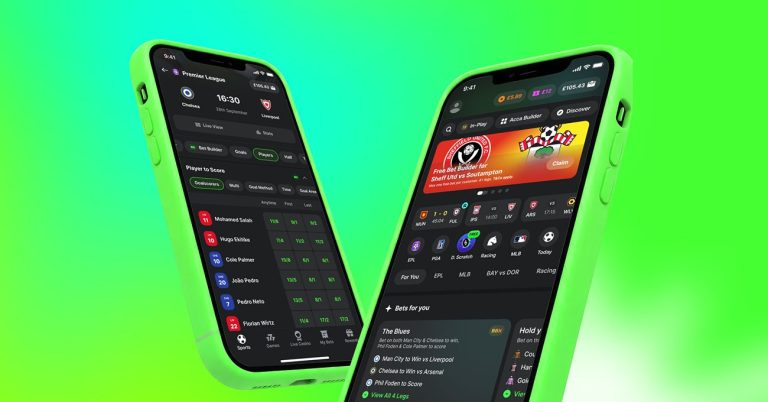
SOFTSWISS has announced its newest partnership with TrueLabel, enabling the integration of the SOFTSWISS Sportsbook into the TrueLabel platform and allowing operators to add sports betting functionality to their existing setup without rebuilding core infrastructure.
SOFTSWISS Sportsbook-TrueLabel partnership reflects the companies’ shared focus on flexibility and operational efficiency.
Through the integration, operators gain access to a full-featured sportsbook, including broad sports coverage, live betting, flexible bet types, and built-in risk management. The solution fits into multi-product environments, helping operators expand their offering.
Alexander Kamenetskyi, Head of Operations at SOFTSWISS Sportsbook, commented: “This partnership is a good example of how platform integrations should work. Sports betting operators want predictability more than anything – they need to know the product works reliably, scales smoothly, and comes with proper support. TrueLabel provides a strong, well-structured platform, and working with them helps us reach more operators while keeping their businesses running efficiently. We’re pleased that early feedback confirms the SOFTSWISS Sportsbook performs well in the robust and stable TrueLabel environment.”
SOFTSWISS and TrueLabel will focus on deeper product alignment and additional functionality. The partnership reflects a broader industry shift toward modular, platform-agnostic solutions that allow operators to adapt more easily in competitive, regulated markets. It also supports cross-selling between casino and sportsbook products – a key microtrend highlighted in the recently released 2026 iGaming Trends Report.
Alexandra, Head of Games Management at TrueLabel, shared: “The integration process was structured and efficient, with strong technical support and responsive communication. The SOFTSWISS team adapted the solution to our specific platform needs, ensuring a smooth launch. Now our partners have access to a robust sportsbook, and we plan to enter new markets with a reliable tool that works effectively in real-world conditions.”
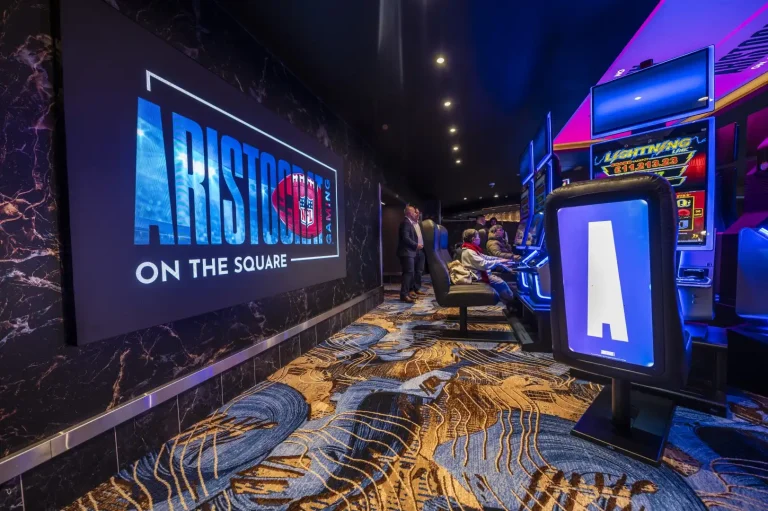
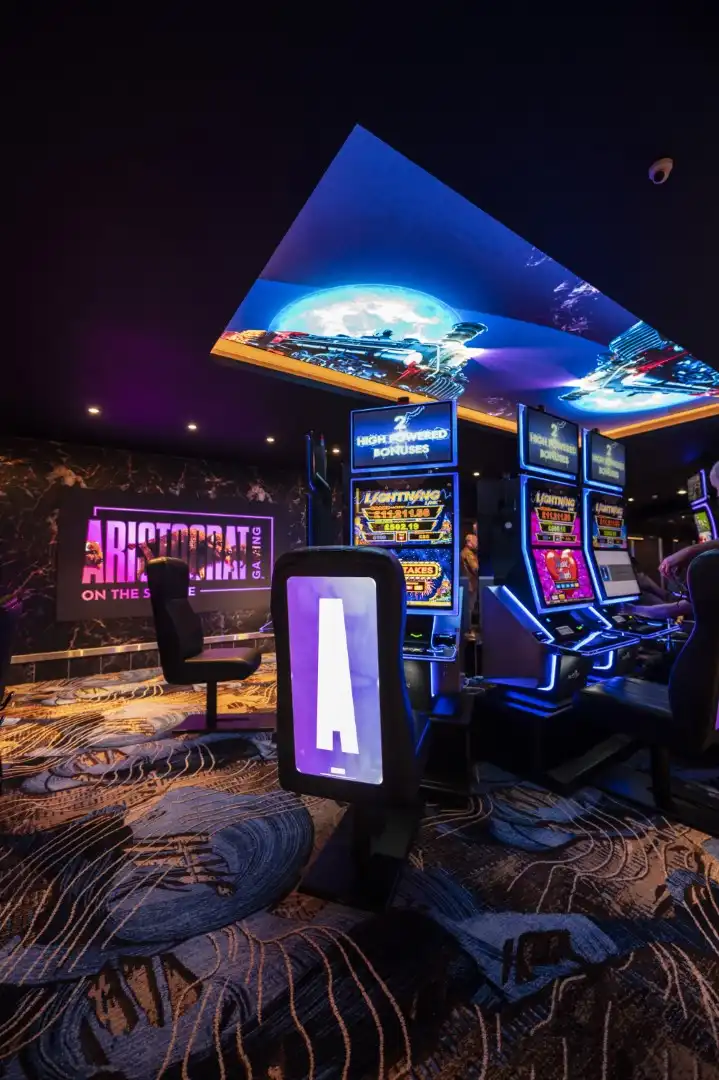
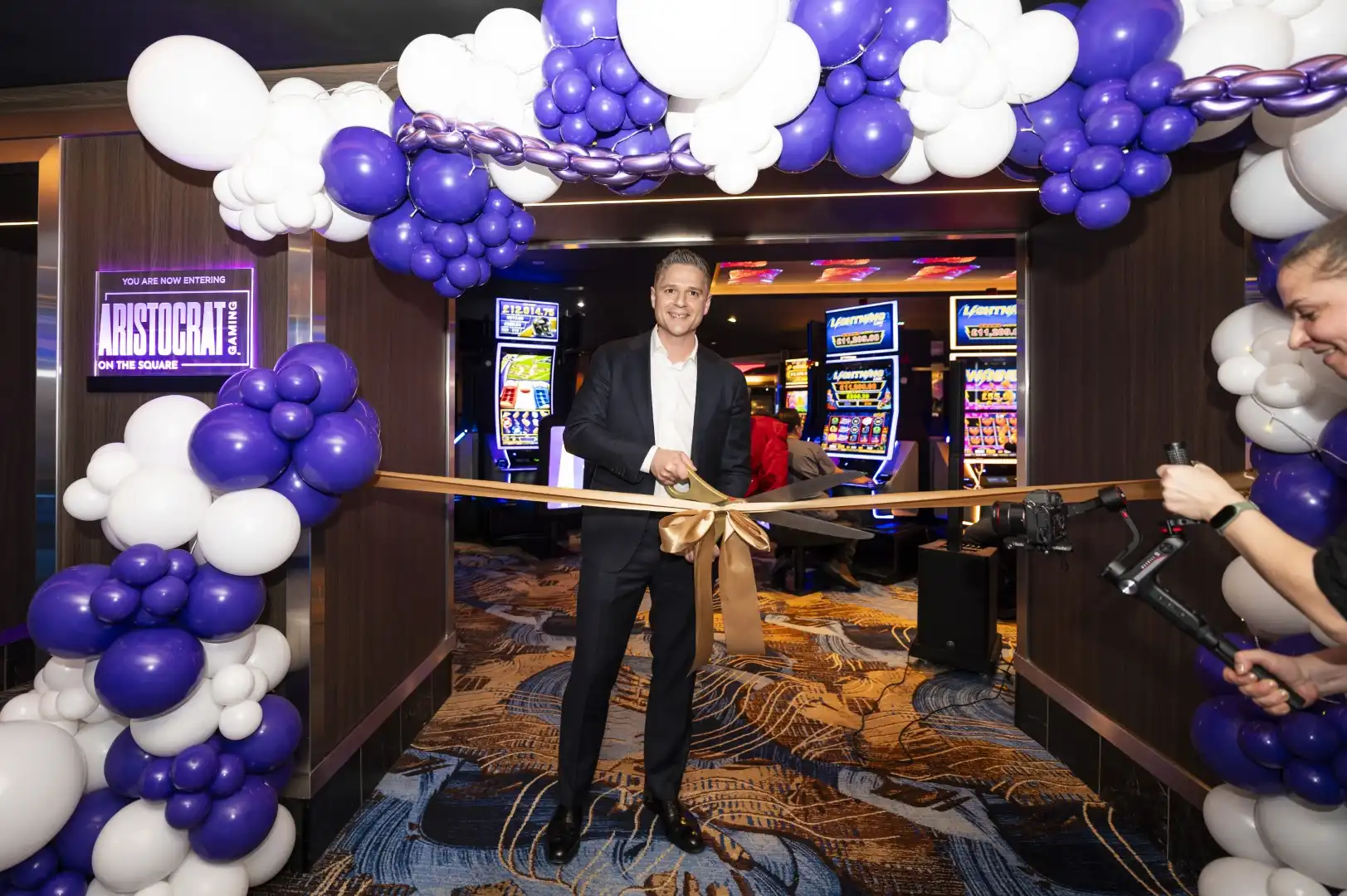
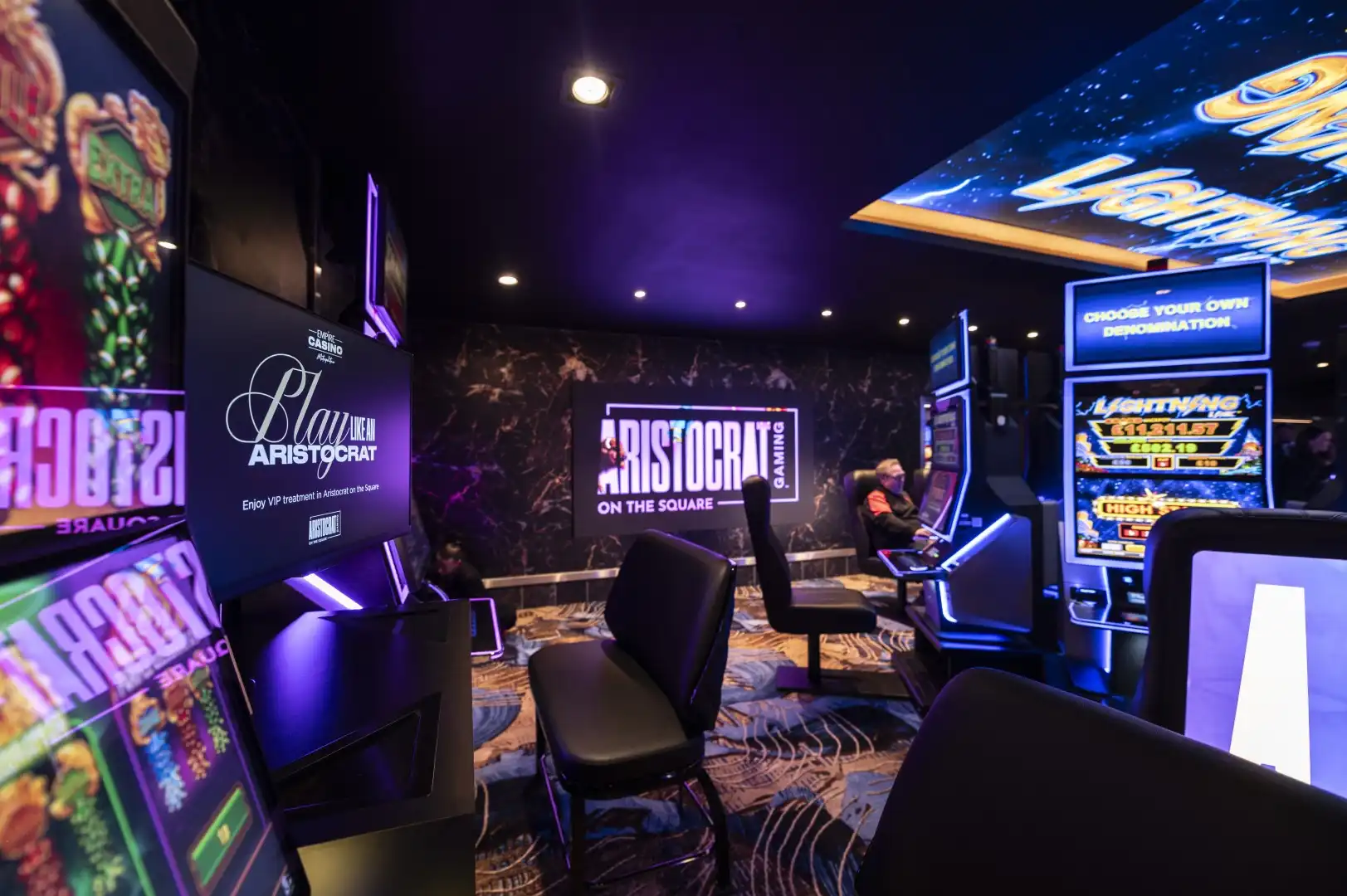
Metropolitan Gaming and Aristocrat Gaming have joined forces to launch Aristocrat on the Square, an elevated gaming destination at London’s Empire Casino and the first of its kind in the UK.
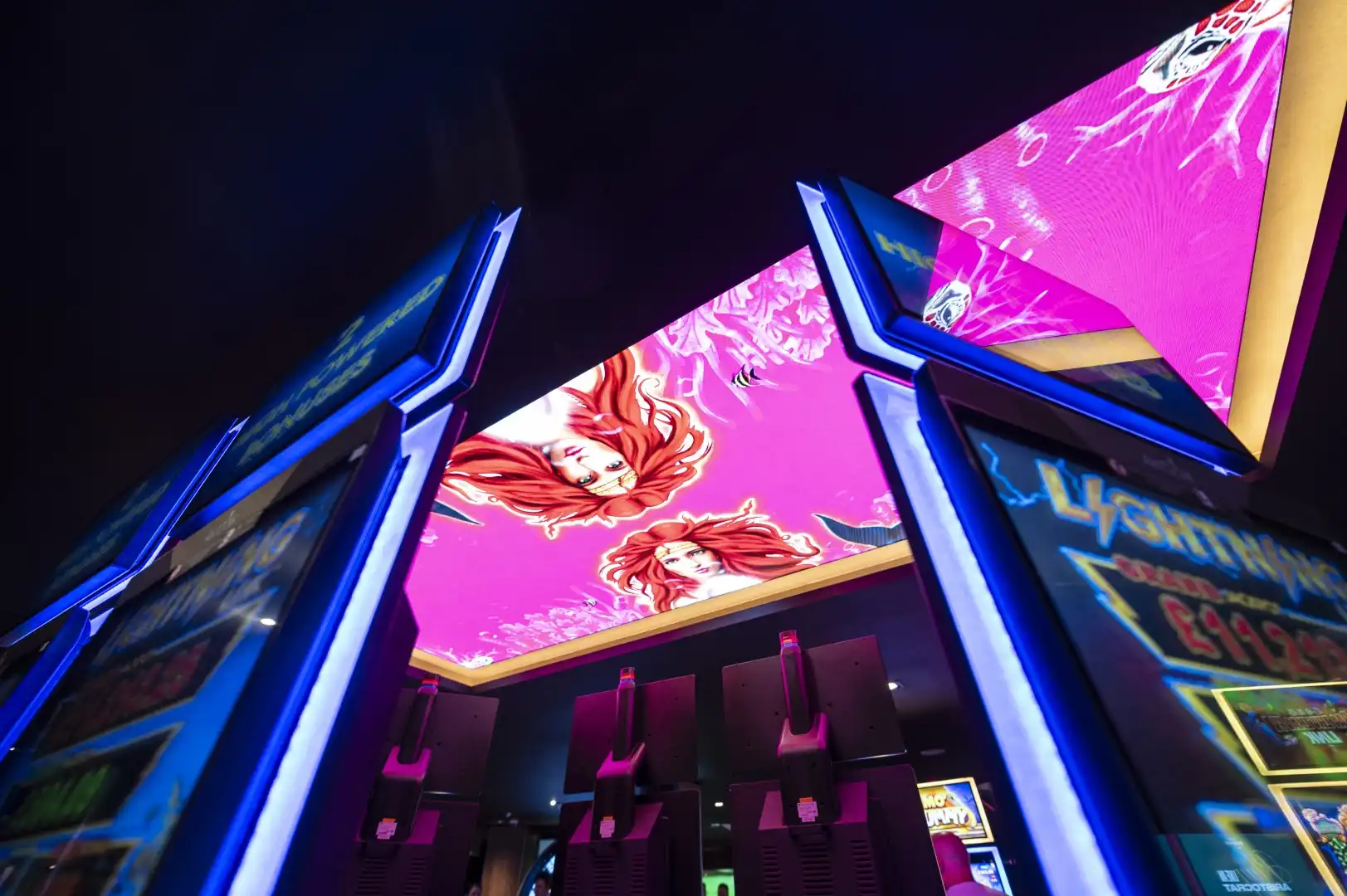
Aristocrat on the Square is designed to elevate the player experience, featuring an engaging LED ceiling and upscale décor that create an inviting lounge atmosphere. The space showcases a standout lineup of Aristocrat Gaming titles tailored for the UK market, including fan‑favourites such as NFL Triple Score, Lightning Link, Mo Mummy, and Bao Zhu Zhao Fu Link.
To celebrate the launch, Empire Casino will host a month-long Home of the Hot Seats promotion throughout February, offering players the opportunity to win vouchers, free play, and more.
Craig Toner, CEO of Aristocrat Gaming, said, “The debut of Aristocrat on the Square at Empire Casino marks a significant milestone for Aristocrat Gaming, reinforcing our commitment to customers across EMEA and expanding our presence in the UK as we continue delivering world‑class gaming experiences to players around the globe. Our partnership with Metropolitan Gaming reflects a multi-year investment in bringing cutting‑edge games, hardware, marketing, and entertainment experiences to players across Europe.”
“The launch of Aristocrat on the Square at Empire Casino represents an exciting new chapter for Metropolitan Gaming,” said Alex Oswald, Managing Director of Metropolitan Gaming. “As the first dedicated Aristocrat Gaming space in the UK, it reflects our focus on creating distinctive, premium environments that elevate the player experience. Working closely with Aristocrat, we’ve brought together world-class gaming content and a carefully designed setting to deliver something truly special for our guests at Empire Casino.
The hyper-growth UK sportsbook and casino operator, Midnite, has appointed Sam Talbot as Vice President of Product, strengthening the company’s leadership team as it accelerates its product-led strategy and pursuit of Tier 1 status in global markets.
Talbot brings more than 15 years of experience in product leadership roles across digital and consumer-facing platforms, with a proven track record of scaling product teams, defining strategic roadmaps, and building innovative user-centric solutions. Most recently Sam served as Chief Product Officer at LiveScore Group, where he led product strategy and development across high-traffic sports and entertainment products, driving engagement and growth.
He joins at a pivotal time for Midnite following its recent $35 million Series C funding round led by The Raine Group, which took total funding beyond $75 million and is being used to scale operations, accelerate development of best-in-class products and support international expansion. A key focus of the investment is expanding Midnite’s product and engineering capabilities as it pursues its ambition of becoming a tier-1 operator.
Midnite develops its entire platform in-house, with all engineering teams based in the UK. This approach enables rapid innovation and a deeply customer-centric product strategy, which has underpinned the company’s rapid growth and challenger brand positioning.
Nick Wright, Co-Founder of Midnite, said: “Midnite is product-obsessed, so bringing Sam on board as VP of Product felt like a completely natural fit. He shares our DNA when it comes to building for players first, and he brings the leadership and experience we need as we scale.
“Our vision is to become a tier-1, market-leading, product-led operator, and that means continuing to raise the bar for what the betting and gaming experience should feel like. Sam will play a central role in shaping that future. With the backing we’ve secured and the team we’re building, there’s a huge amount to come from Midnite this year.”
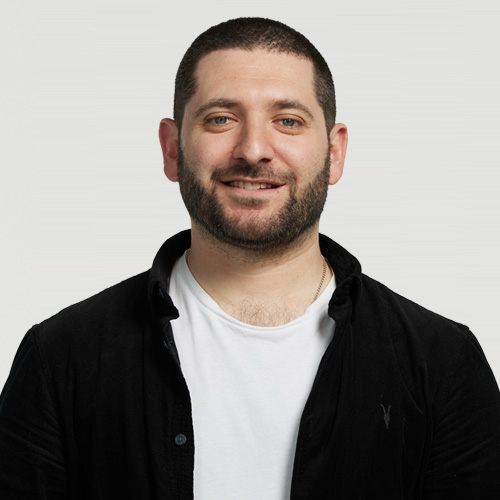
Sam Talbot
Sam Talbot, Midnite’s new Vice President of Product, added, “Midnite’s commitment to in-house technology and genuine product innovation really stood out to me. This is a team that cares deeply about the player experience and moves quickly to deliver it. I’m excited to be joining at such an important stage of growth and to help build products that set new standards in the industry.”
Founded in 2015 by Nick Wright and Daniel Qu, Midnite has grown rapidly in recent years, expanding its product mix and team while establishing itself as one of the UK’s most exciting challenger brands. With significant new investment and an expanding leadership team, the company is focused on closing the gap with the market’s largest operators through product excellence and innovation.
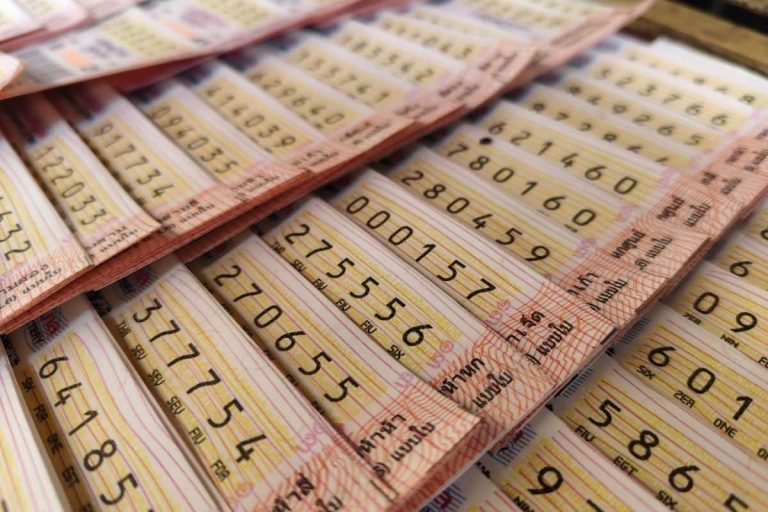
A coalition of anti-gambling groups in Thailand has voiced strong opposition to political parties’ “all kinds of lottery” policy proposals, warning that the initiatives risk deepening gambling addiction and social harm.
The stance was outlined on February 3rd, when representatives of a five-region network, led by the Stop Gambling Foundation, issued a public statement rejecting the growing use of lottery-based incentives in political campaigns.
According to local media outlet The Nation, the network said several parties had recently promoted lottery schemes as tools to encourage public participation in government programs, such as boosting household savings or persuading small and medium-sized enterprises to register in official databases. However, its secretary-general, Thanakorn Komkrit, said such approaches amounted to “intoxicating” the public with gambling rather than offering sustainable policy solutions.
In its statement, the network listed six main concerns. It argued that all lottery formats, including state-issued and underground versions, are considered gambling under Thailand’s Gambling Act of 1935. It also cited data showing that Thais spend more than THB250 billion ($7.9 billion) annually on lottery products, a figure comparable to major national infrastructure investments.
The group further warned that lotteries attract a disproportionately large number of players, with 27.5 million people purchasing government lottery tickets in 2023 and 22 million buying underground tickets. Vulnerable groups, including minors, young adults, and older people, were described as being heavily affected. More than 500,000 children under 18 reportedly bought lottery products in the same year, while nearly four million people aged 19 to 25 participated.
According to the network, the expansion of official lotteries has also fueled the growth of underground and “satellite” lotteries. It noted that the number of state lottery tickets printed has risen by about 300 percent since 2013, while illegal formats have expanded at a similar pace. The statement added that more than one in five lottery players now self-identify as addicted.
The debate comes amid renewed political focus on lottery-related policies during the 2025–2026 election cycle. The Pheu Thai Party, one of Thailand’s major political parties, has proposed a “nine millionaires a day” initiative, under which nine people would win THB1 million ($31,700) daily through a lottery system. The party has said the proposal aims to strengthen official data collection and tax compliance, rather than simply distribute cash, but it has drawn social and ethical criticism.
Thailand’s official lottery remains one of the country’s few legal forms of gambling, alongside horse racing in Bangkok. It is administered by the Government Lottery Office and has operated since 1939. Ticket sales and revenue distribution are tightly regulated, with around 60 percent allocated to prize money and about 28 percent directed to government revenue.
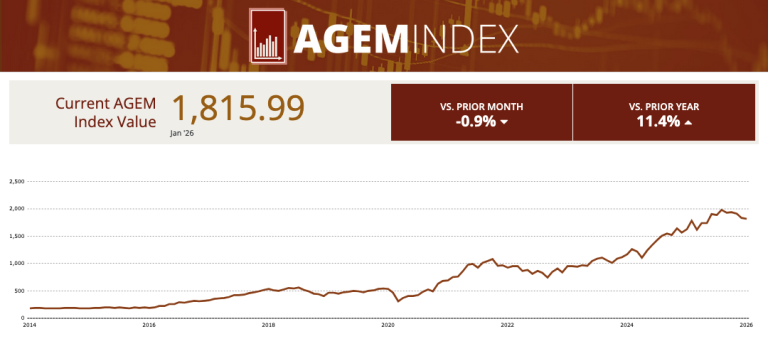
The Association of Gaming Equipment Manufacturers (AGEM) Index marked January with a slight retraction, falling by 0.9 percent from the prior month. Compared to one year ago, the index was up by 11.4 percent.
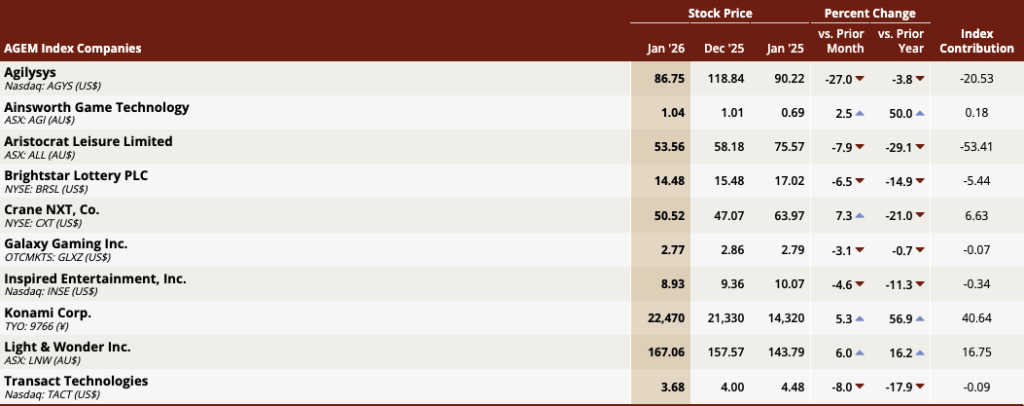
During the month, six of the 10 AGEM Index companies reported stock price decreases, which resulted in six negative contributions and four positive contributions to the AGEM Index.
The largest negative contribution to the monthly index was Aristocrat Leisure Limited, whose 7.9 percent fall in stock price led to a 53.41-point loss for the index.
Meanwhile, Agilysys saw its stock price fall by 27 percent, leading to a 20.53-point loss for the index.
The largest positive contribution to the index was Konami Corp, whose 5.3 percent increase in stock price resulted in a 40.64-point gain for the AGEM Index.
In January, all three major US stock indices increased from the prior month. The NASDAQ rose by 0.9 percent month-on-month, while the S&P 500 increased 1.4 percent and the Dow Jones Industrial Average rose by 1.7 percent from the prior month.
Singapore boasted its highest-ever tourism receipts in the January-September period, rising by 6.5 percent yearly to SG$23.9 billion ($18.82 billion).
According to the Singapore Tourism Board, the results place the nation on track to exceed the STB’s full-year projections of SG$29 billion ($22.83 billion) to SG$30.5 billion ($24.01 billion) in 2025. The results are scheduled to be released in the second quarter of this year.
Contributing to the increase were new and revamped attractions, including the Singapore Oceanarium at Resorts World Sentosa, which reopened on July 23rd, 2025 following a three-month renovation which expanded its facilities.
The Oceanarium was lauded by RWS CEO Lee Shi Ruh recently as one of the integrated resorts’ new offerings aimed at repositioning itself as an experience-based destination attracting new and repeat visitors that stay longer.
The comments by the executive were mirrored in those by the STB’s Chief Executive Melissa Ow, who noted that Singapore is “attracting visitors who value the distinctive experiences that Singapore offers.”
The official furthered “To maintain this growth momentum and reinforce our destination appeal and global hub status, we will continue to develop a strong pipeline of differentiated products, events, and experiences.”
While the tourism receipts cover only the Jan-Sept period, total visitor arrivals during the year reached 16.9 million, an increase of 2.3 percent yearly. China (3.1 million), Indonesia (2.4 million), Malaysia (1.3 million), Australia (1.3 million) and India (1.2 million) were the top five key tourist source markets during the year.
Entertainment boom
The events calendar was a strong contributor to tourism demand, including the Formula 1 Singapore Grand Prix – which drew over 300,600 attendees over the three-day event, up 11.7 percent yearly. The NBA Rising Stars Invitational and World Aquatics Championships 2025 helped top out the sports event calendar.
Regarding concerts, Lada Gaga’s exclusive Singapore shows at the National Stadium in May brought in some $40.8 million in gross revenue, with approximately 193,000 tickets sold. BLACKPINK’s [DEADLINE] World Tour stop in the Merlion city also saw around 165,000 attendees over the three sold-out performances. SEVENTEEN’s “Right Here” enjoyed two sold-out nights, with over 60,000 attendees. All three events were held at Singapore’s National Stadium.
Hotel openings
The Laurus, Marina Bay Sands
Singapore boasts over 73,000 hotel rooms, spread over 450 properties, with the industry contributing about 20 percent of total tourism receipts. During the year the city saw increased tourism appeal due to new openings, including Raffles Sentosa Singapore, Banyan Tree’s Mandai Rainforest Resort, Mett Singapore and the October opening of The Laurus at Resorts World Sentosa.
Despite the new offerings, the city saw the average occupancy rate of hotel rooms fall slightly to about 81 percent, even as revenue per available room increased by about 2 percent.
MICE in focus
One of the key contributors to visitor spending was the Meetings, Incentives, Convetions and Exhibitions (MICE) sector, which authorities are doubling down on. The STB notes that Singapore is ranked 3rd worldwide and 1st in Asia-Pacific by the International Congress and Convention Association. The tourism board highlighted 14 main MICE events held over the year ranging in industry from real estate to hospitality and F&B, tech, insurance, security, pharmaceuticals, robotics and health.
Integrated resorts’ expansion projects
Marina Bay Sands’ new hotel tower concept
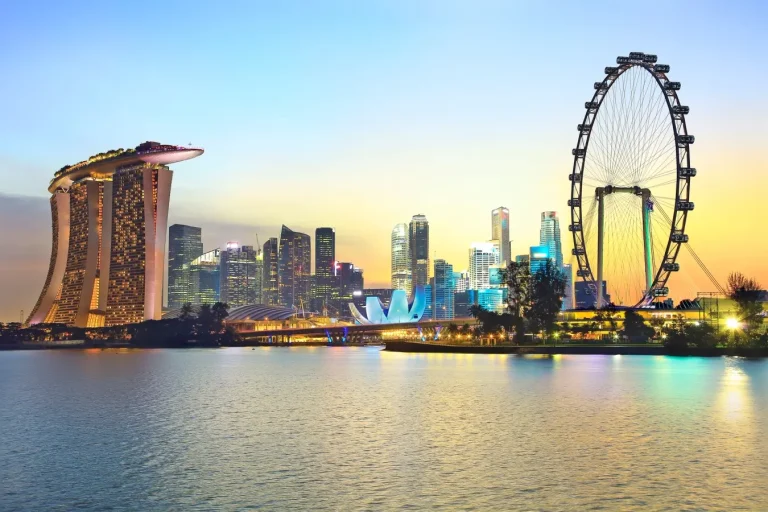
The STB also highlighted the ‘significant expansions’ of Singapore’s two integrated resorts. In particular focus was the groundbreaking on Marina Bay Sands’ $8 billion expansion – adding a new hotel tower with 570 suites, a 15,000-seat arena, F&B, meeting and retail space.
The tourism board also celebrated the launch of Resorts World Sentosa’s Minion Land at Universal Studios Singapore, alongside the openings of the Oceanarium and its Weave retail outlet.
Aside from the new IR’s offerings, the Porsche Experience Center Singapore also broke ground during the year and is scheduled to open in 2027, while a new wellness attraction located at Marina South was tendered – scheduled to open in 2030 and attract 2 million visitors annually (with nearly half being international).
Port of call
Towards the end of October, the SG$40 million expansion and upgrade of the Marina Bay Cruise Center was also completed, increasing capacity to 11,700 from 6,800.
The city welcomed new homeported ships during the year, including StarDream Cruises’ Star Voyager, Royal Caribbean International’s Ovation of the Seas, and the Ritz-Carlton Yacht Collection’s Luminara.
What’s in store this year
While 2025 was record-breaking, the Merlion city is not resting on its laurels, with new experiences to debut and provide ‘a strong foundation’ for Singapore’s Tourism 2040 vision.
These include the return of Cirque du Soleil’s KOOZA, four nights of performances by BTS, Disney Cruise Line’s first Asia homeport and a new sprint race at the 2025 F1 Grand Prix.
Overall Singapore is hoping for between 17 and 18 million international visitors this year and for tourism receipts to range between SG$31 billion ($24.41 billion) and SG$32.5 billion ($25.59 billion).
The STB notes that the projections are ‘measured’ due to global economic uncertainty and political instability which could affect travel patterns globally.
“As we work towards our Tourism 2040 goals and a sustainable tourism sector, STB will continue to seek out opportunities to reach new markets and support our tourism enterprises and workforce to develop differentiated products and experiences,” stated the STB’s Chief Executive.
Good Morning. The year is starting off well for gaming operators, as evidenced by January gaming results. In Korea, Paradise Co saw a 30 percent yearly increase in casino sales, topping $65 million. State-run Grand Korea Leisure trailed, with just a 6.5 percent yearly uptick, to $25 million. Looking to the Philippines, the country is wary of returning to the FATF grey list but, given the recent corruption scandal, its upcoming evaluation is likely to be less focused on casinos. Meanwhile, China saw lottery sales hit a new record last year, at $904 billion, despite slowing growth.
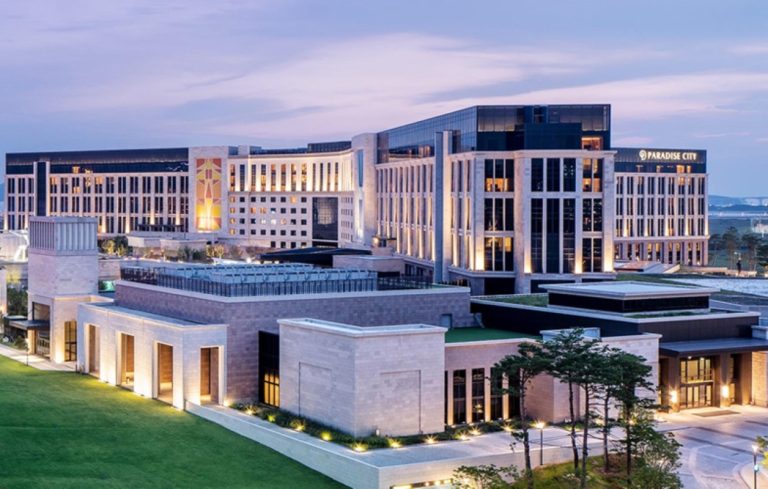
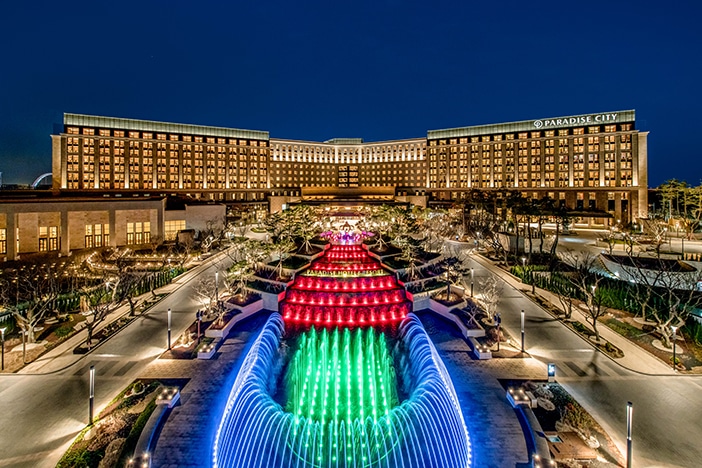
The foreigner-only market was active in January in South Korea, setting a positive tone for the rest of the year. Paradise Co. saw a 30.4 percent increase in casino sales year-on-year, topping $65.23 million. Table games continue to be the main driver, but machine game revenue also performed well on a yearly basis. Gaming activity was centered around the group’s Incheon and Seoul properties – Paradise City and Walkerhill.
BMM Testlabs (BMM), recognized worldwide as a powerhouse in gaming testing, has secured official approval and accreditation as a Testing and Certification Laboratory in the State of Minas Gerais, Brazil.
The approval by the state’s formal lottery regime, the Loteria do Estado de Minas Gerais, marks an important milestone in BMM Testlabs’ continued expansion across Brazil’s regulated gaming market.
Minas Gerais is a strategically important new market for BMM, as Brazil’s second-largest state with more than 21 million residents and a major economic hub in the southeast part of the country.
BMM Testlabs President, iGaming & Cybersecurity Marzia Turrini said, “This approval in Minas Gerais represents another significant step forward in BMM Testlabs’ long-term commitment to Brazil. As the market continues to evolve, regulators and suppliers require testing partners with deep technical expertise, global experience, and strong local knowledge. We are proud to support Minas Gerais with independent, high-quality testing and certification services that help protect players, strengthen regulatory confidence, and enable sustainable market growth.”
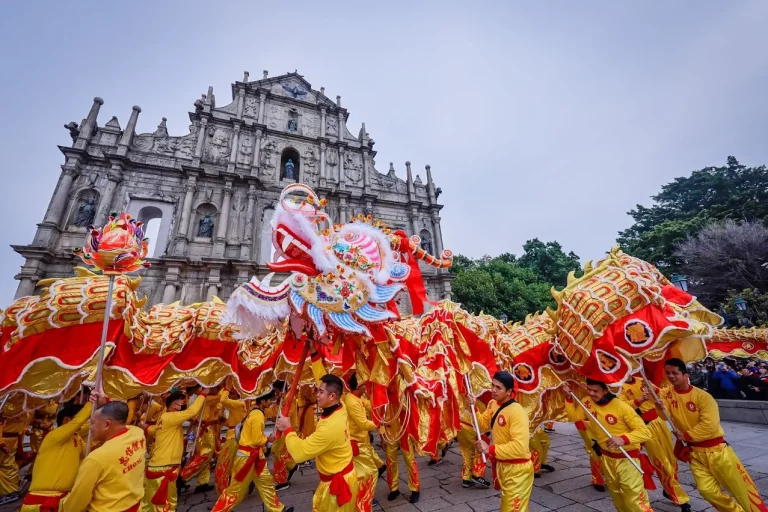
Macau is set to welcome between 1.4 and 1.5 million tourists over the course of the nine-day Lunar New Year festivities, with an expected average of between 158,000 and 175,000 per day.
According to TDM Canal Macau, the Director of the Macao Government Tourism Office (MGTO) noted that this is a “large number of people” – justifying the 5 percent yearly increase in the budget for the LNY entertainment: MOP36 million ($4.48 million).
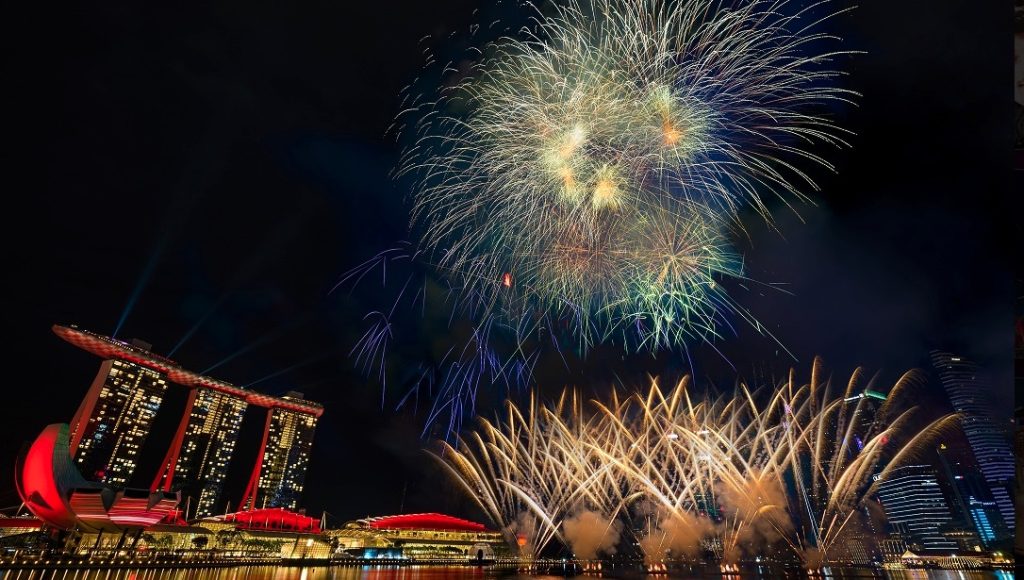
Debuting this year is a simultaneous drone and firework show, with three performances scheduled – on February 19th and 23rd and on March 3rd.
“This is a new endeavor and we hope that everyone will enjoy it. We want to bring a new experience for our visitors to enjoy,” stated the official.
The typical Lunar New Year Parade will also take place, bringing 1,300 artists from various regions around the world, accompanied by 17 floats and “many performances”.
The LNY celebrations are a key attraction for entertainment-focused tourists, with many coming from the neighboring regions for day trips to enjoy the festivities.
Analysts are predicting that the typical travel flux during the first weeks leading up to the LNY is likely to negatively impact casino play, but this should reverse in the final weeks of the month and compensate for any downturn.
Given that entertainment is a key element during the LNY celebration, media questioned the MGTO head on the recent cancellation of events featuring Japanese artists. The official noted that “from our side, we don’t have any idea behind the rationale of such cancellations”, noting that it’s not appropriate for MGTO to comment on the arrangements.
“I think nowadays Macau has many different types of concerts – from mainland China and from international artists. I believe that organizers will continue to find different groups to bring to Macau. Many (famous) acts have already come to Macau and I believe this will continue,” noted Helena de Senna Fernandes.
Grand Korea Leisure Co. (GKL), a subsidiary of the Korea Tourism Organization, reported a 6.6 percent year-on-year increase in casino sales in January, supported by growth across both table games and gaming machines, according to its latest financial results.
Total casino sales for the month reached KRW36.6 billion ($25.3 million), compared with KRW34.3 billion ($23.7 million) in the same period last year. On a monthly basis, sales edged up 0.8 percent from KRW36.3 billion ($25.1 million) in December.
Table games continued to account for the bulk of casino revenue. Table game sales totaled KRW33.1 billion ($22.9 million) in January, a 5.3 percent year-on-year increase and broadly flat compared with the previous month.
Machine game revenue recorded stronger growth. Sales from gaming machines rose 19.9 percent year-on-year to KRW3.5 billion ($2.4 million), up from KRW2.9 billion ($2 million) a year earlier. Compared with December, machine sales increased 8.7 percent.
The January results reflect steady performance at GKL’s foreigner-only casinos. The company operates three casinos under the Seven Luck brand in Seoul and Busan, serving international visitors.
For FY25, GKL recorded casino sales of KRW425.33 billion ($294.3 million), representing an 8 percent year-on-year increase.