A coalition of anti-gambling groups in Thailand has voiced strong opposition to political parties’ “all kinds of lottery” policy proposals, warning that the initiatives risk deepening gambling addiction and social harm.
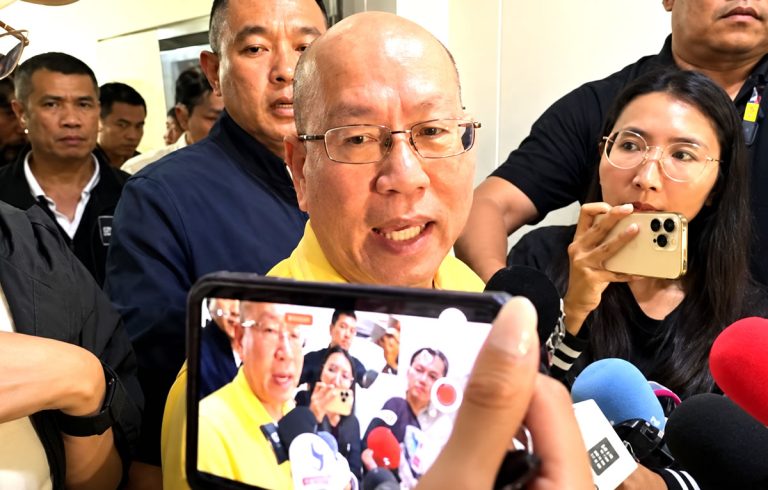
The stance was outlined on February 3rd, when representatives of a five-region network, led by the Stop Gambling Foundation, issued a public statement rejecting the growing use of lottery-based incentives in political campaigns.
According to local media outlet The Nation, the network said several parties had recently promoted lottery schemes as tools to encourage public participation in government programs, such as boosting household savings or persuading small and medium-sized enterprises to register in official databases. However, its secretary-general, Thanakorn Komkrit, said such approaches amounted to “intoxicating” the public with gambling rather than offering sustainable policy solutions.
In its statement, the network listed six main concerns. It argued that all lottery formats, including state-issued and underground versions, are considered gambling under Thailand’s Gambling Act of 1935. It also cited data showing that Thais spend more than THB250 billion ($7.9 billion) annually on lottery products, a figure comparable to major national infrastructure investments.
The group further warned that lotteries attract a disproportionately large number of players, with 27.5 million people purchasing government lottery tickets in 2023 and 22 million buying underground tickets. Vulnerable groups, including minors, young adults, and older people, were described as being heavily affected. More than 500,000 children under 18 reportedly bought lottery products in the same year, while nearly four million people aged 19 to 25 participated.
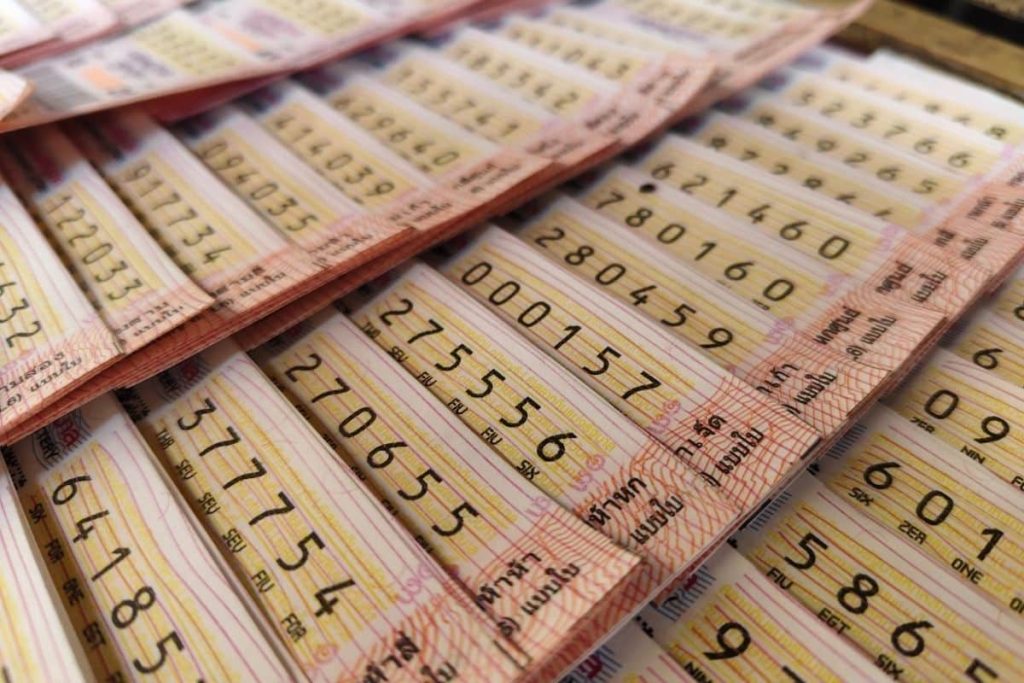
According to the network, the expansion of official lotteries has also fueled the growth of underground and “satellite” lotteries. It noted that the number of state lottery tickets printed has risen by about 300 percent since 2013, while illegal formats have expanded at a similar pace. The statement added that more than one in five lottery players now self-identify as addicted.
The debate comes amid renewed political focus on lottery-related policies during the 2025–2026 election cycle. The Pheu Thai Party, one of Thailand’s major political parties, has proposed a “nine millionaires a day” initiative, under which nine people would win THB1 million ($31,700) daily through a lottery system. The party has said the proposal aims to strengthen official data collection and tax compliance, rather than simply distribute cash, but it has drawn social and ethical criticism.
Thailand’s official lottery remains one of the country’s few legal forms of gambling, alongside horse racing in Bangkok. It is administered by the Government Lottery Office and has operated since 1939. Ticket sales and revenue distribution are tightly regulated, with around 60 percent allocated to prize money and about 28 percent directed to government revenue.