
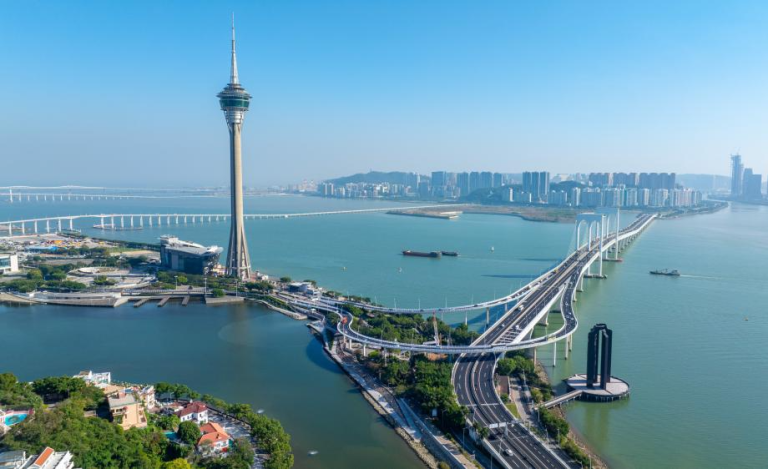
Macau has been riding the wave of positive consumer sentiment in China, boosted by strong performance of the Chinese stock market, and increased visitation, resulting in particularly impressive performance in the premium mass segment. But exactly how long can this last? And how volatile is Macau economically, given its strong dependence on the gaming sector?

The former Executive Director of the Monetary Authority of Macau (AMCM), António José Félix Pontes, tells AGB how the pieces on the board are moving, and what this means for the world’s gaming capital.
China stock market boom=money for Macau
China’s major exchanges have seen such highs recently that the China Securities Regulatory Commission even cracked down on speculators in January and regulators are aiming to cool the large amount of trading seen in the ongoing bull market. Macau needs to take advantage of it while it lasts.
“A rising Chinese stock market is positive for Macau in the near term, but the benefits duration is highly contingent on the quality, cause and sustainability of the stock market rally, within the new constraints of China’s regulatory environment and Macau’s own economic shift,” António José Félix Ponte – former Executive Director of the Macau Monetary Authority (AMCM) – tells AGB.
The financial expert draws from over 40 years in the central banking and financial services sector in Macau to note that “the duration of these cycles can vary significantly, but the typical observable ‘transmission cycle’ is 6-18-month range”.

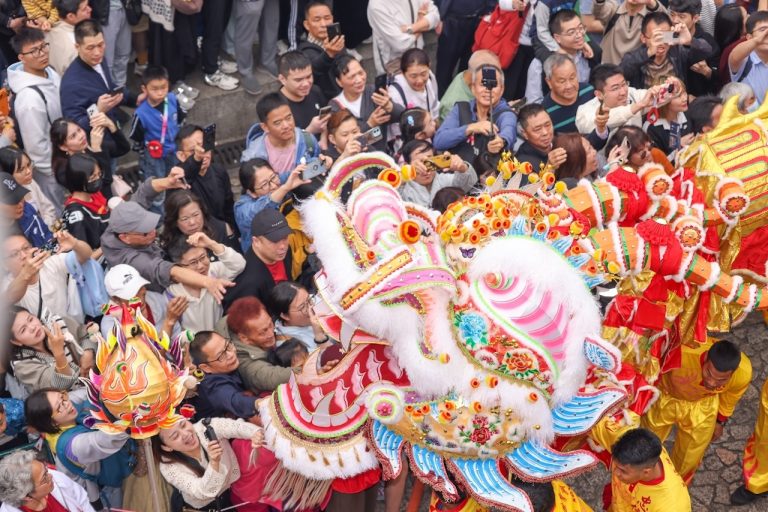
This should come as positive news for Macau’s gaming operators, especially as they hope to maintain the momentum from Chinese New Year through the rest of the year.
The increased consumer sentiment even caused MGM China’s CEO to note recently that trends are changing and, even ahead of a holiday, there is “no slow period”.
For Dr. Pontes, the influence of “diligence and frugality” as traditional cultural concepts, contrasting with “the positive impact of the digital economy and new consumption models”, is important when judging how Macau’s main consumer market acts.
But previous highs and lows have been softened by government intervention and stimulus and given this, Pontes believes that “the rebound in Chinese consumer sentiment will stay. It’s a lasting trend!”
Insulation and strong reserves
Investors worldwide were recently shocked by a crash in gold, silver and crypto markets, at in least in part triggered by the US President’s move to appoint Kevin Warsh as the nation’s next Federal Reserve Chair. Pontes highlights that the official had already indicated his intentions for an “immediate rate cut, which boosts the US dollar and pressures gold, that is traded in this currency”.
But Macau as a whole “is insulated from financial external volatility”, notes the financial expert, pointing to Macau’s own currency (pegged to the HKD/USD), its strong finances and “stable and continuous support from mainland China”.
While “Macau is not totally immune to global volatility […] its robust financial condition derives from the permanent budget surpluses and no public debt, which minimizes any exposure to global interest rate fluctuations and debt crises”.
Analysts at Fitch Ratings on February 11th confirmed Macau’s ‘AA’ rating and Stable outlook, forecasting 4 percent GDP growth and a budget surplus of ‘about 5 percent of GDP’ this year. This is based on an expectation that gaming tax revenue ‘will well exceed the government’s conservative target’ and public finances will remain within the budget.

Pontes highlights that Macau’s fiscal reserves reached MOP663.2 billion ($82.9 billion) as of the end of November of last year. Assuming annual total expenditure of MOP110 billion ($13.74 billion) – with MOP113.5 billion ($14.18 billion) estimated in the 2026 budget, Pontes estimates that “the financial reserves could support the government for five to six years without any other source of income”.
Absent another global pandemic, or similar calamity, that possibility is highly unlikely, and Macau can continue to boost its reserves because of the success of its gaming industry (which contributes upwards of 80 percent of overall government tax revenue).
And this dependence on gaming isn’t going to change anytime soon, despite Macau’s vocal call for differing income strains.
Macau has proposed an economic diversification plan – the “1+4” plan with Tourism and Leisure being the “1”. Big health and TCM (traditional Chinese medicine), a modern financial industry, tech industry, enhanced traditional industries and MICE, and culture and sports make up the other four.
Looking objectively, the likelihood of any of those four areas playing a major role in Macau’s economy any time soon is remote.
Pontes notes “For me, the proposed economic diversification for Macau in the short-term is a mirage, in the medium-term a possibility, and only in the long-term can be achieved”.
Foreign-linked operators more volatile
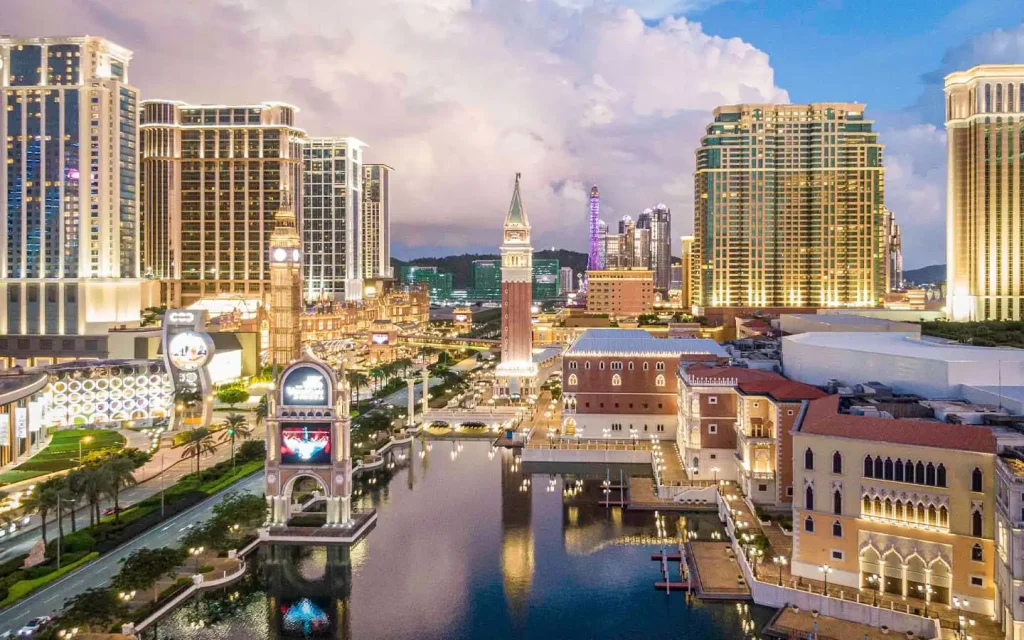
While Macau overall is relatively insulated to financial risk, that doesn’t mean that all of its six gaming concessionaires are in the same boat.
“US-linked operators are currently experiencing higher levels of volatility and more stock price pressure compared to their Macau-centric peers,” points out the economist.
Dual-regulatory scrutiny and geographic sensitivity (stock price variation on US-China geopolitical tension) both play a role. But also, “the capital market dependence (more reliance on US capital markets) and shareholder base (institutional investors, mainly from US); and the debt structure and parent company dynamics (complex debt structures which are tied to their US parent companies),” have significant sway on what can happen, when, and to what extent.
Singapore as an example
Macau has relied heavily on bringing more tourists in the door to try and firmly put the financial (and emotional) struggles of the pandemic in the past. The record number of tourists in 2025 (over 40 million) was testament to efforts both by the gaming operators and the government. But not all tourists are big spenders, and the pressures of increased visitation are exposing the limitations in transportation and accommodation that such a small territory has.
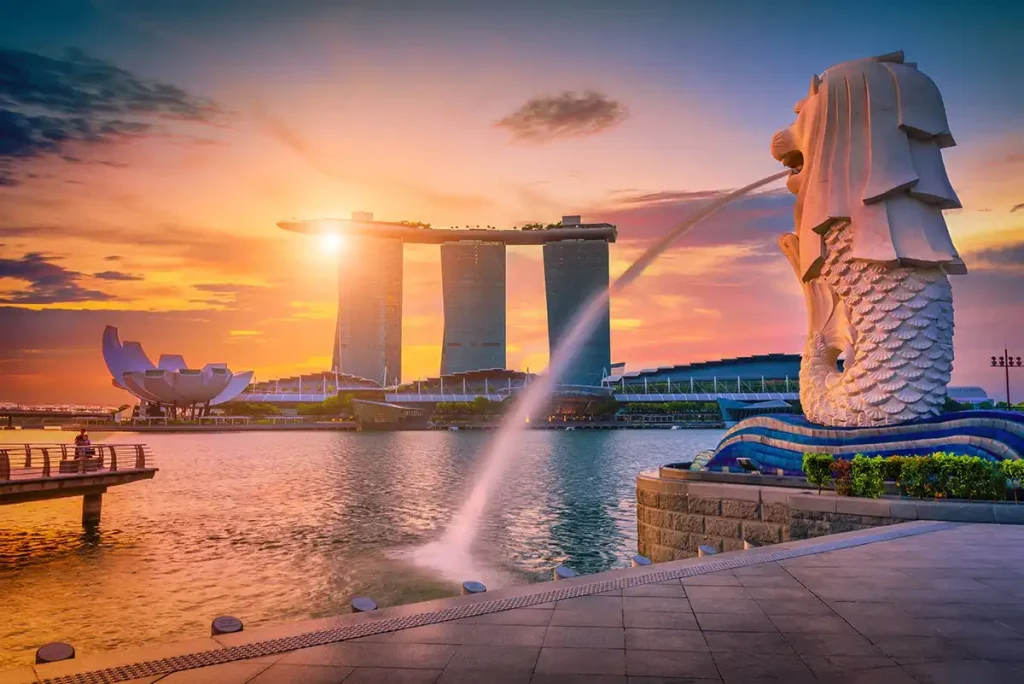
“To diversify its economy and reinforce the touristic sector, Macau can look for the success strategy followed in countries or regions facing similar challenges of limited space and the need of cultural preservation,” highlights Pontes.
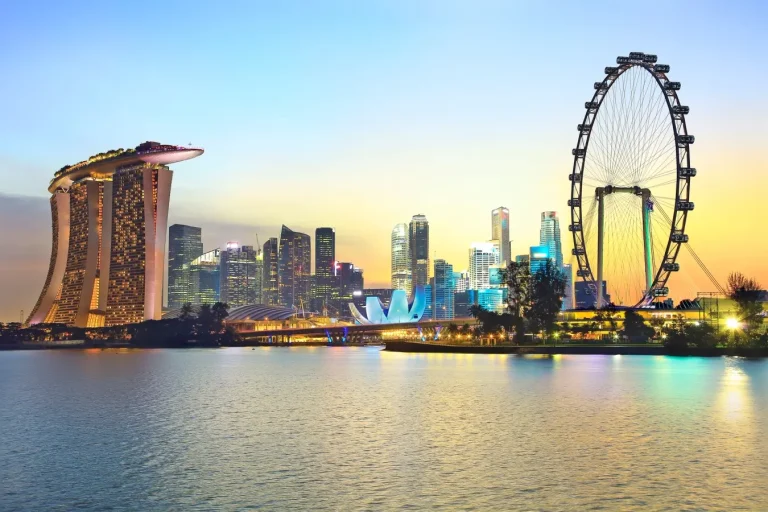
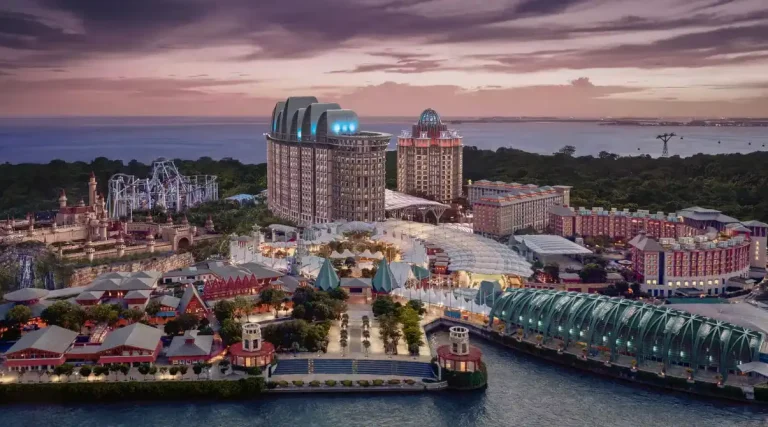
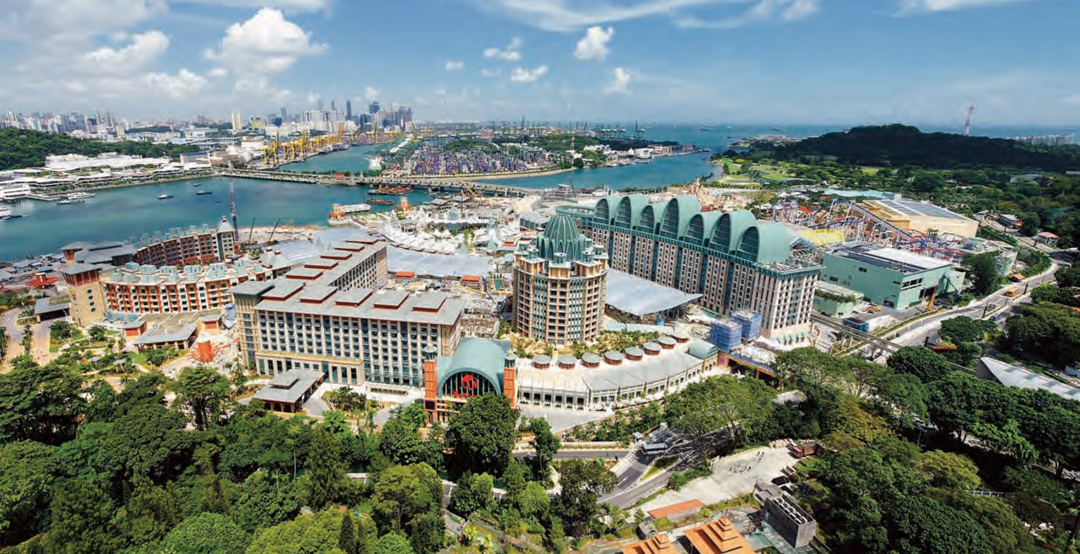
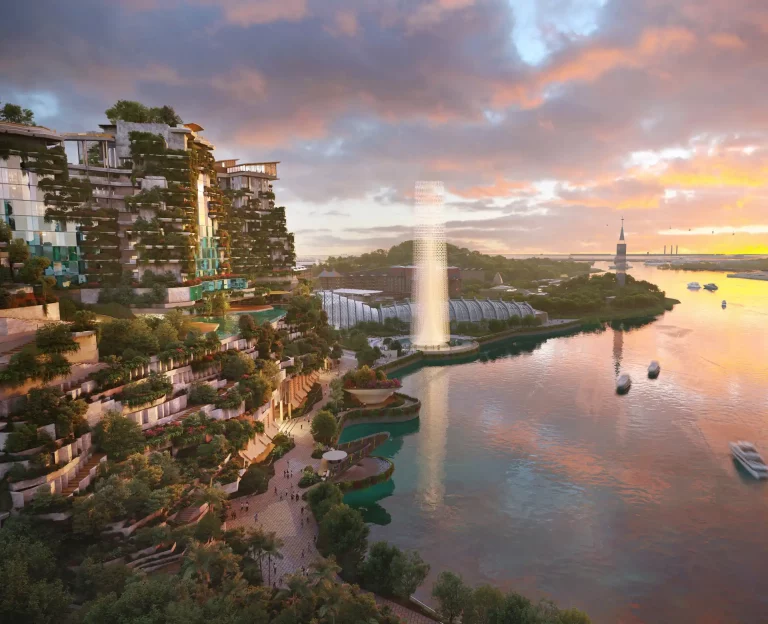
“Singapore, for me, is the best example for Macau, as it is a premier tourist destination driven by its strategic location as a global travel hub, high level of infrastructure and safety standards, iconic attractions like Marina Bay Sands [and] rich cultural heritage,” notes the economist.
Singapore boasted its highest-ever tourism receipts in Q1-3 of last year and MBS saw the “greatest quarter in the history of casino hotels” in 4Q25, according to Las Vegas Sands’ CEO, proving Pontes’ point.
Macau’s diversification may take some time to achieve, but at least it has a strong example to look to. In the meantime, it can maximize the highly advantageous position that it is in, continue to fill up its reserves, and try and squeeze every pataca (or HKD) out of its visitors, knowing that the good times (at least for now) roll.