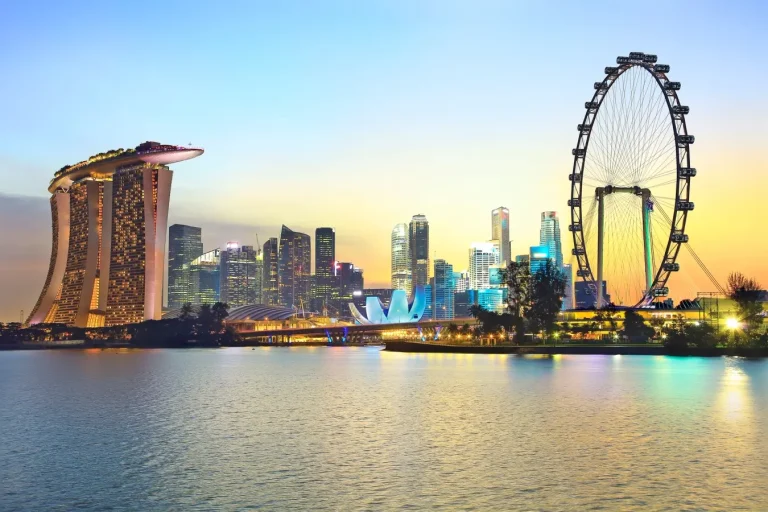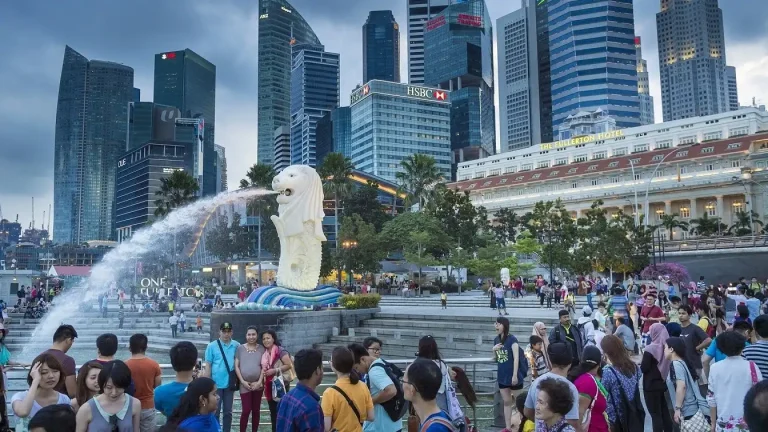
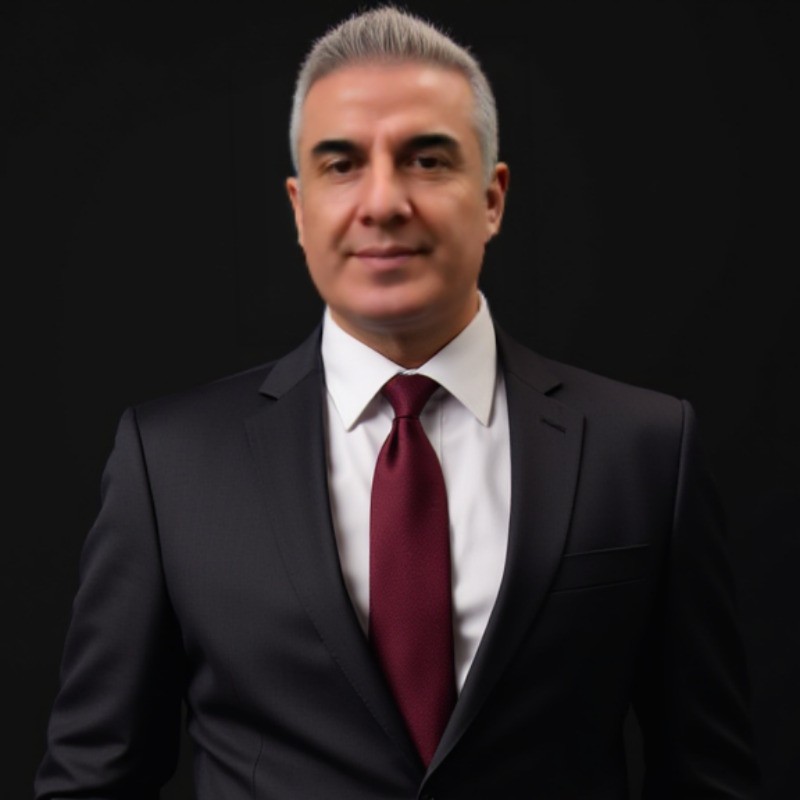
As countries across Southeast Asia vie for a piece of the booming casino market, Aydemir Yuksel described in an opinion article shared with AGB that Singapore remains the gold standard.
Yuksel has over three decades in the casino industry, and has witnessed the evolution of gaming across Southeast Asia, cruise ships, Macau, and Singapore.
He has held management positions at iconic establishments like Marina Bay Sands and Venetian Macau, where he gained invaluable insights into gaming operations and management.
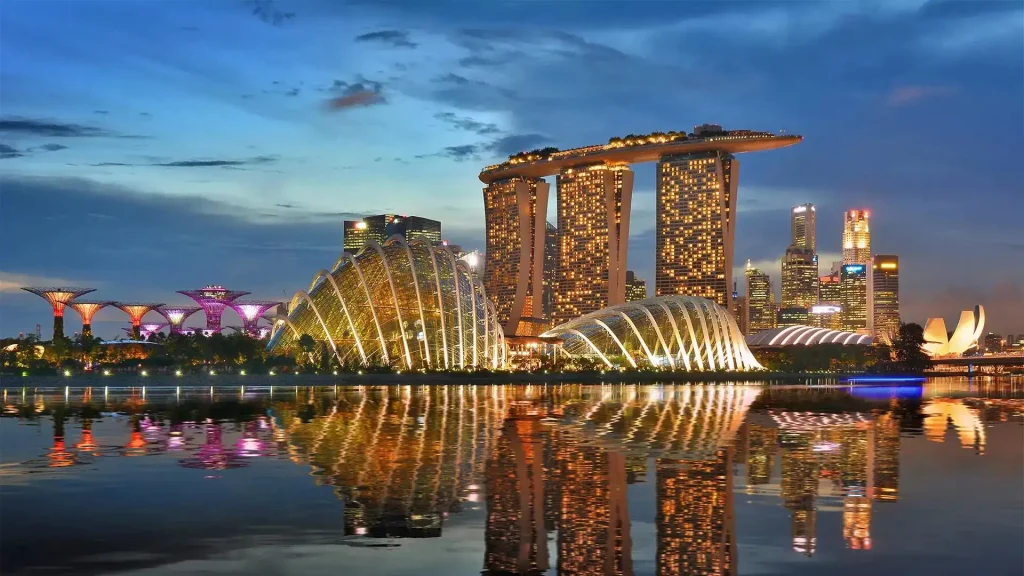
For the former gaming executive with its two exclusive integrated resort licenses, Singapore is not just holding its ground but setting a benchmark that others struggle to achieve.
Meanwhile, Thailand, Vietnam, South Korea, and the Philippines face their own unique challenges in establishing competitive gaming landscapes, highlighting the complexities of the regional casino arms race.
As countries like Thailand, Vietnam, South Korea, and the Philippines attempt to carve out their niches in the competitive gaming landscape, Singapore remains firmly at the top. Thailand dreams big but faces political hurdles that stall progress. “Bills get stuck, cabinets shuffle, and any momentum dies at the border”, Yuksel notes.
“You can’t grow a market by locking out your own population.”
Vietnam, too, has faced challenges. The country recently pulled back its pilot locals program, leaving the only legal casino, Corona Resort, out of commission. With an effective tax rate exceeding 35 percent, Yuksel emphasizes the difficulty in building investor confidence: “It’s hard to attract investment when the margins are so thin.”
South Korea, despite its impressive infrastructure, struggles with user access. Locals are largely banned from gaming venues. “Mohegan Inspire launched to great fanfare, but now it’s up for sale”, Yuksel points out. “Beautiful hardware doesn’t guarantee user engagement.”
In contrast, the Philippines is experiencing a remarkable surge. “Gross gaming revenue is soaring, and infrastructure is expanding rapidly in Manila, Clark, and Cebu”, Yuksel highlights. However, he notes a significant gap: “No major U.S. brand has established a presence. The trust premium still belongs to Singapore.”
Yuksel envisions a future where Singapore continues to lead without needing to compete aggressively.
“It doesn’t need to fight; it just needs to open the door. Granting two more integrated resort licenses with a ‘wow factor’ could redefine the landscape”, he suggests. “Imagine a Cirque du Soleil residency designed specifically for Singapore or a Fontainebleau-style showroom that elevates luxury nightlife.”
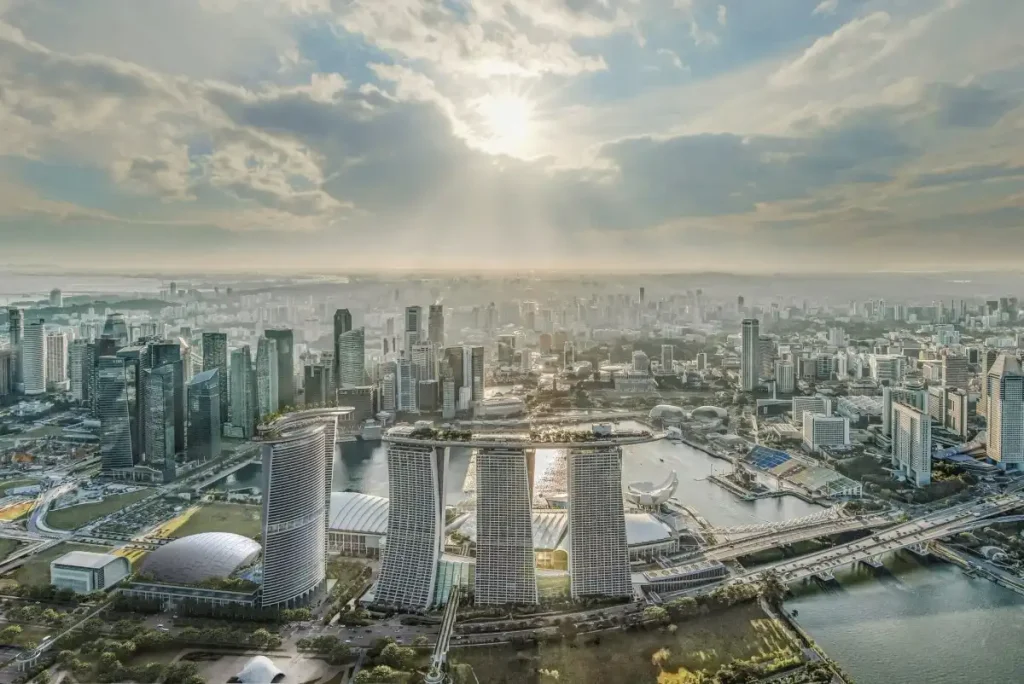
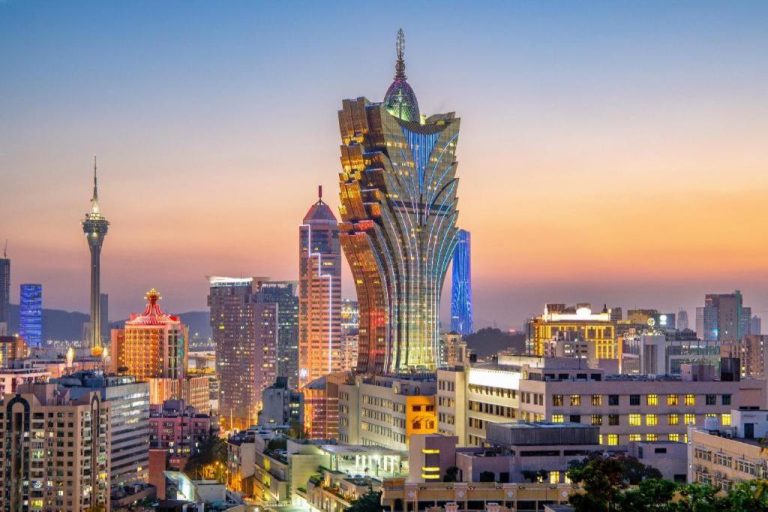
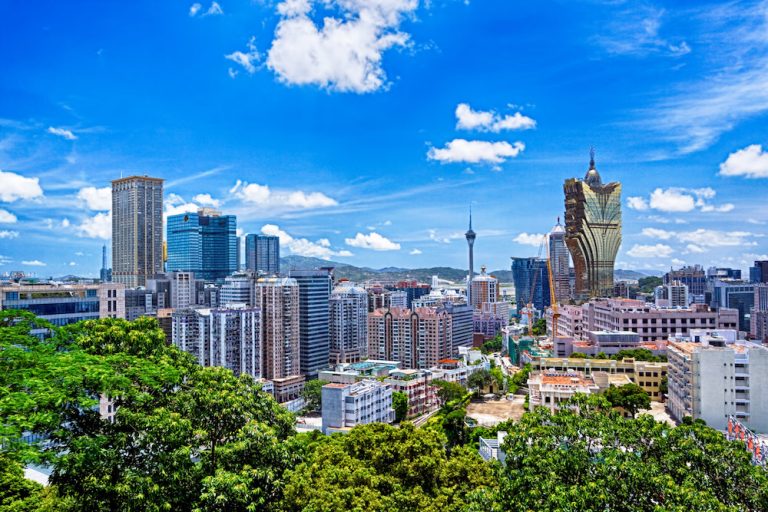
He believes Singapore doesn’t have to chase after Macau but can leapfrog it if it embraces evolution.
“The world will come if Singapore simply says yes to growth.”
In conclusion, Yuksel’s insights lay bare the challenges and opportunities facing Southeast Asia’s casino markets.
“Thailand needs guts, Vietnam needs consistency, South Korea needs access, and the Philippines could benefit from a marquee investor”, he summarizes. “For Singapore, the path is clear: it just needs to seize the moment.”