
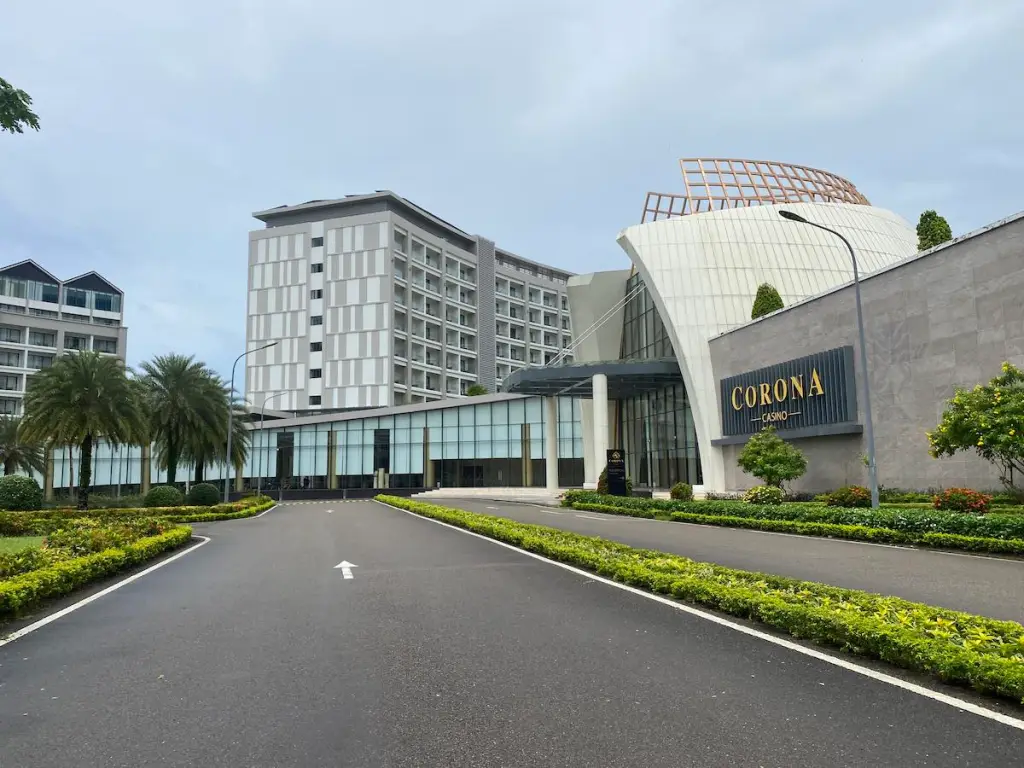
Vietnam’s multi-billion-dollar integrated casino resorts continue to operate at a loss despite a surge in domestic participation under the country’s pilot program allowing local citizens to gamble, highlighting the persistent financial challenges facing large-scale gaming investments in emerging markets.
Financial disclosures from Phu Quoc Tourism Development and Investment JSC show that its Corona Resort & Casino in Phu Quoc recorded accumulated losses exceeding VND5.8 trillion ($220 million) by the end of 2025.
The figure widened by more than VND900 billion ($34.14 million) compared with the previous year, pointing to the ongoing pressure from high capital expenditure and depreciation costs associated with integrated resort developments.
Government data indicates that Vietnamese players have become the dominant revenue driver under the pilot scheme. While accounting for approximately 52 percent of total gamblers between 2019 and 2024, domestic players contributed around 88 percent of total casino revenue, according to figures cited by the Ministry of Finance. The disparity reflects higher spending levels among local players relative to international visitors, even as overall profitability remains elusive.

The Grand Ho Tram casino complex has reported persistent losses in recent years, predating its inclusion in the pilot program for local players, which only began in November last year. The continued losses have prompted its investor to seek an extension of the project’s completion deadline to December 2027, highlighting the longer-than-expected path to financial sustainability for large integrated resort developments in Vietnam.
Industry observers note that despite weak bottom-line performance, casino resorts remain a key pillar of Vietnam’s tourism strategy. The integrated resort model, combining gaming with hotels, retail, entertainment and convention facilities, continues to attract significant visitor volumes.

Phu Quoc, one of the country’s flagship resort destinations, welcomed more than 1.8 million visitors in the first quarter of the year, representing an increase of over 25 percent year-on-year. A substantial share of these visitors opted for all-in-one resort experiences, reinforcing the role of casino-linked developments in driving tourism growth.
Vietnam’s pilot program allowing local citizens to enter casinos under specific conditions was initially implemented exclusively at the Corona Resort & Casino in Phu Quoc, before being expanded in October last year to include the Grand Ho Tram complex. The phased rollout is consistent with the government’s cautious approach to channeling domestic demand into regulated environments. The program, which has since been extended beyond its original timeline, remains central to the sector’s revenue mix.

A third major project in Van Don has yet to be completed and licensed, delaying its entry into the market and limiting the expansion of Vietnam’s integrated resort footprint.
Despite continued operating losses, the sector has delivered meaningful fiscal contributions. The Phu Quoc complex alone paid more than VND4.1 trillion ($155.54 million) in taxes and related contributions between 2019 and 2024, according to the Ministry of Finance, highlighting the government’s broader economic rationale for supporting the industry.
The contrast between strong revenue generation, growing domestic participation and persistent losses underscores the structural challenges facing Vietnam’s casino sector, where high upfront investment costs, regulatory constraints and evolving market dynamics continue to weigh on profitability.