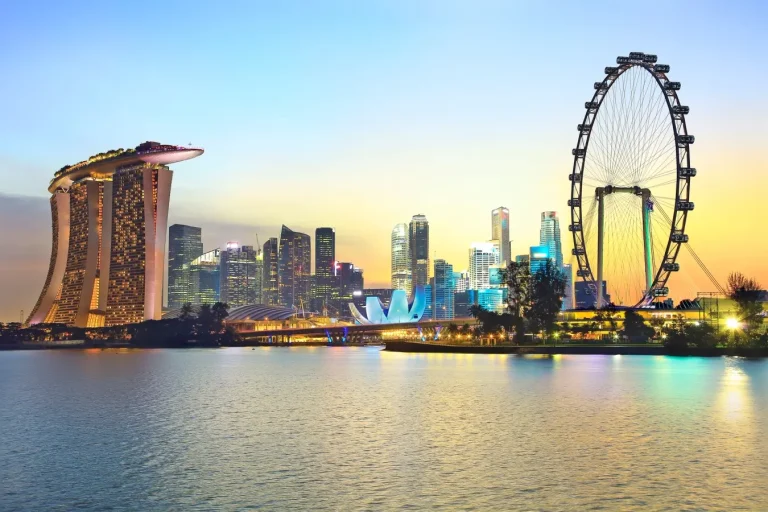
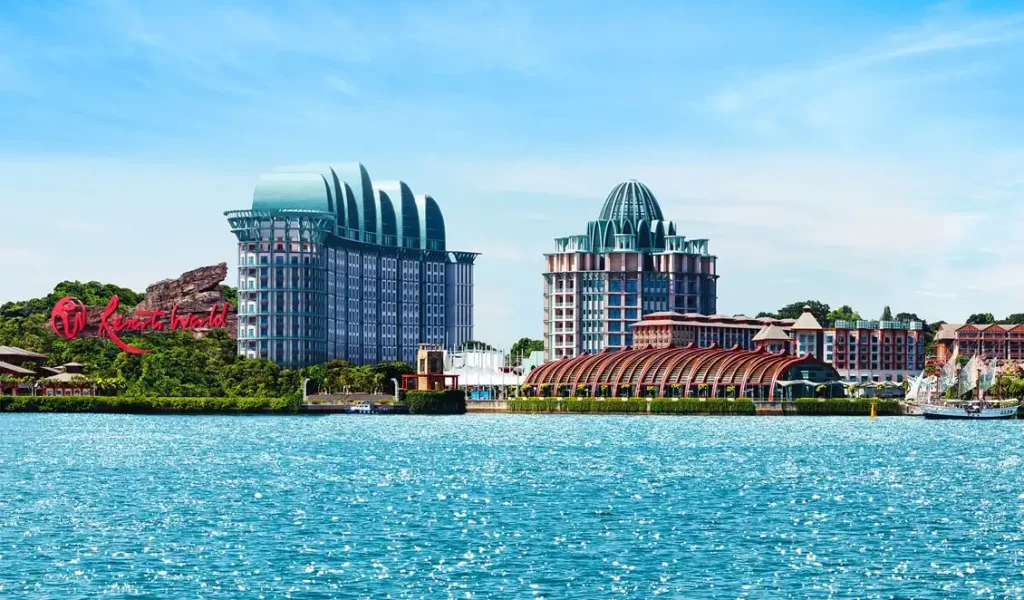
Genting Singapore‘s management acknowledged that Resorts World Sentosa (RWS) has seen its share of Singapore’s gaming market decline significantly since opening, as shareholders pressed the board on the integrated resort’s competitive position relative to Marina Bay Sands (MBS) at the company’s 41st Annual General Meeting, according to minutes released on Thursday.
During the meeting held on April 15th, a long-time shareholder cited historical data showing that RWS held a larger share of gross gaming revenue at the time of opening but had since lost ground, despite operating a casino floor comparable in size to its competitor. The shareholder attributed the decline to qualitative rather than physical capacity factors and asked what measures were being taken to reverse the trend.
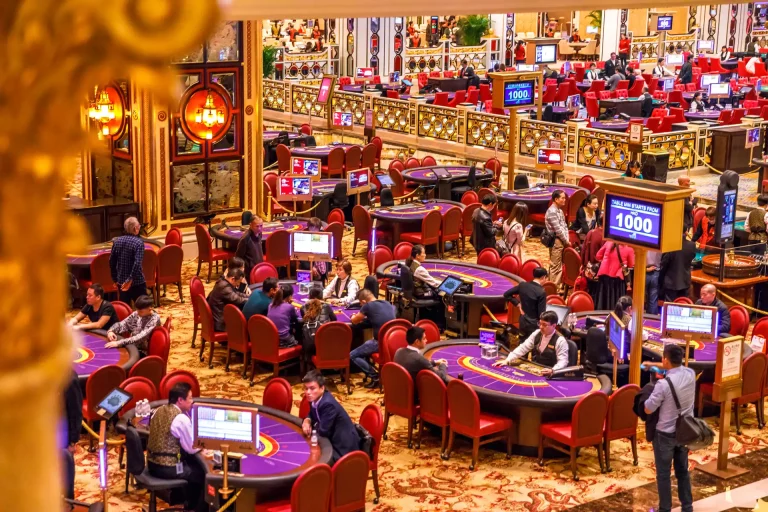
Executive Chairman and Acting CEO Lim Kok Thay told shareholders that management and the team ‘remained focused on narrowing the gap in market share for the gaming business,‘ while cautioning that RWS’s ‘inherent disadvantage due to its location would remain.‘ He said competitive gaps in the gaming segment would be addressed through the SG$6.8 billion ($5.32 billion) RWS 2.0 redevelopment, with particular focus on the casino’s design, marketing and operations.
The acknowledgment comes against the backdrop of RWS’s 1Q26 results, which were dragged down by elevated transformation costs and what analysts described as a record-low VIP contribution. Revenue fell 3 percent year-on-year to SG$607.6 million ($478 million), with adjusted EBITDA down 24 percent to SG$179.0 million ($141 million) and net profit dropping 55 percent to SG$65.2 million ($51.2 million). Gaming revenue declined 8 percent to SG$403.4 million ($317 million).
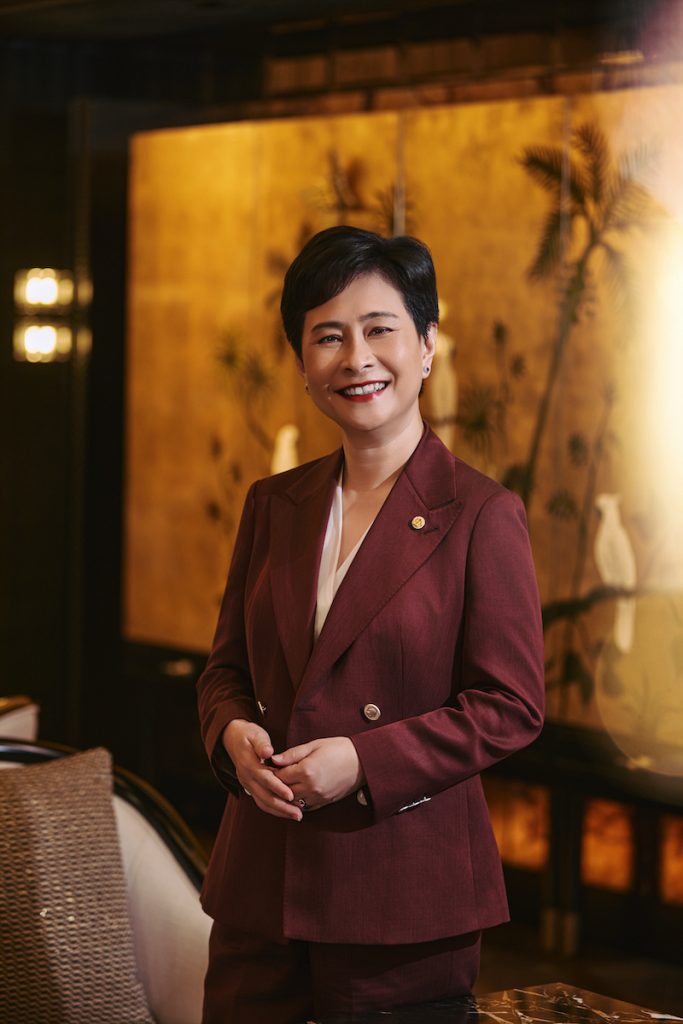
President and Chief Operating Officer Lee Shi Ruh told shareholders that a new leadership team had been assembled, drawing members from different industries and a younger generation, as part of a deliberate effort to reposition RWS as an ‘experience-led resort.‘ She said management was focused on internal alignment to optimise the property’s facilities across gaming and non-gaming segments.
Lim also pointed to structural differences between the two Singapore integrated resorts, noting that the Singapore Government had intended for RWS and MBS to be ‘distinct in their offerings‘ from the outset. RWS was designed as a tourism-led integrated resort with significant non-gaming obligations, including Universal Studios Singapore and the Singapore Oceanarium, while MBS was positioned to serve the business and convention segment in the central business district.
Non-gaming revenue accounted for approximately 35 percent of the group’s total revenue in 2025, with attractions contributing around SG$476 million ($374 million).