


Foreign arrivals to Japan reached a record 42.7 million in 2025, surpassing the 40-million threshold for the first time, according to Tourism Minister Yasushi Kaneko, cited by the Japan Times.
The milestone keeps Japan on track toward the government’s stated target of attracting 60 million foreign visitors annually by 2030.
The total marked a second consecutive annual record following the country’s reopening after pandemic border restrictions. Foreign arrivals rose from 36.87 million in 2024, while spending by overseas visitors climbed to a record JPY9.5 trillion ($60.2 billion) in 2025, up from JPY8.1 trillion ($51.3 billion) a year earlier.
Tourism authorities attributed the increase to steady international travel demand and favorable exchange rates, with the weak yen continuing to support inbound travel. Interest in Japanese food and culture also remained strong, contributing to higher visitor numbers across multiple regions.
Performance varied by market. Chinese visitor numbers fell 45 percent in December after China imposed restrictions on outbound tourism to Japan amid an ongoing diplomatic dispute. Despite the late-year decline, total arrivals from China in 2025 were still about 30 percent higher than a year earlier. With tensions unresolved, Chinese visitor numbers are expected to remain low during the February Chinese New Year period.
Other markets continued to record growth. Visitor numbers from Europe, the United States, and Australia increased 22 percent year-on-year, according to the Ministry of Land, Infrastructure, Transport and Tourism. Asia remained the largest source region for inbound travel in 2025, based on the latest figures from the Japan National Tourism Organization.
Japan is also advancing large-scale tourism projects as part of its longer-term growth strategy. The country is building its first integrated resort with a casino in Osaka, backed by both prefectural and city governments. Officials have said the Osaka integrated resort is expected to attract around 20 million visitors to the country annually once it opens, based on tourism and economic forecasts linked to the project.
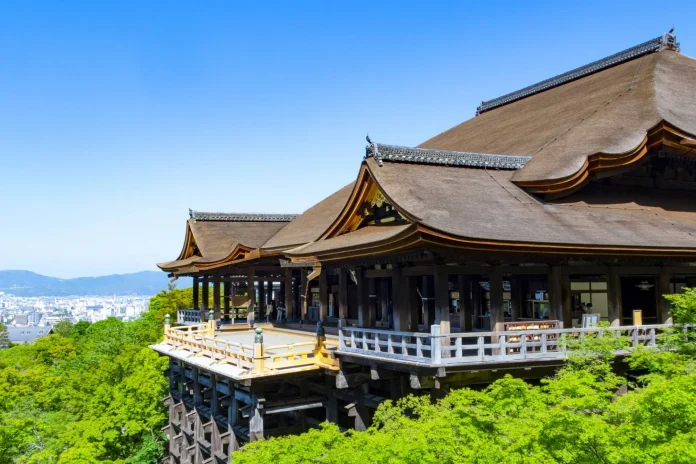
Rising visitor volumes have increased pressure on popular destinations such as Kyoto, where congestion and crowding have raised concerns among residents. In response, authorities have stepped up efforts to redirect travelers to regional and lesser-known areas. The expansion of tourism is also expected to strain the service sector, with a 29 percent labor shortfall projected by 2035, according to the World Travel & Tourism Council.
In a bid to avoid tourism, in November last year, Japan said it plans to raise visa application fees for foreign visitors starting in 2026, marking the first increase since 1978.
At the local level, governments have also begun tightening regulations to mitigate overtourism’s impact. Kyoto City, for example, plans to raise its accommodation tax from March 2026, with rates varying by hotel class and reaching up to JPY10,000 ($65) per person per night.