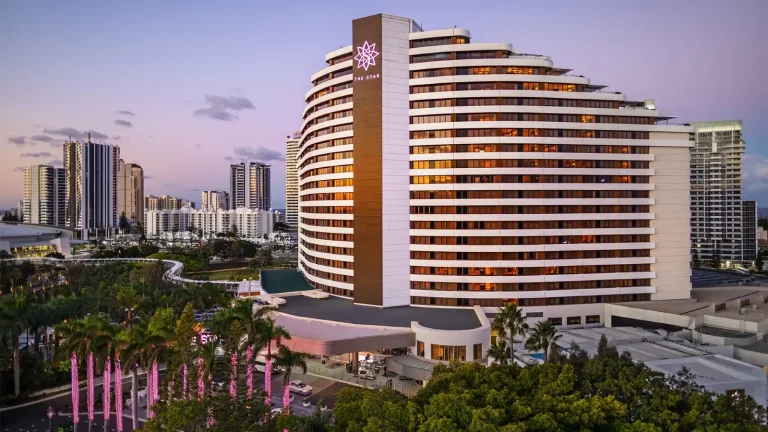

An Australian Federal Court judge has ruled that former The Star Entertainment Group chief executive Matt Bekier broke the law and failed in his duties to mitigate risks – particularly those related to former Macau top junket operator Suncity.
According to the Australian Financial Review, former chief legal and risk officer Paula Martin similarly failed to assess potential risks of potential money laundering by junkets and informing the board of such risk. Allegations levied by the Australian Securities and Investments Commission (ASIC) against other former directors involving activities they did not conduct but could be held liable for were struck down.
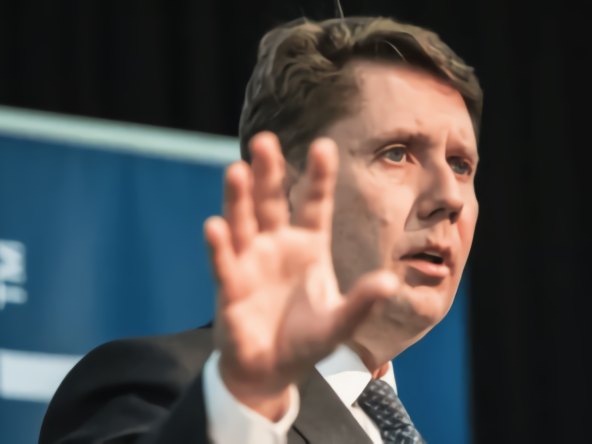
Judge Michael Lee indicated that Bekier had provided evidence that was “in some respects unconvincing, contradictory, and on occasion, highly improbable”, noting that the executive should have given more attention to reports about two main junket operators, including Suncity, and an email from Star general counsel Andrew Power.
In the email, Power stated “In my opinion, the junket group’s conduct has exposed The Star to an unacceptable level of risk and constitutes a breach of the agreement, of applicable laws or otherwise amounts to casino operations”, cites the AFR.
Bekier’s response to reports about Suncity and another junket operator by KPMG did not reflect correct action by a director, especially given the warnings they contained about deficiencies in money laundering controls, indicated the judge.
“A reasonable director in Mr Bekier’s position would have proposed to the other members of the board that the board direct Star’s management to undertake inquiries and provide the board with information” about the “sources of funds and sources of wealth” of now-imprisoned Suncity head Alvin Chau and high-rolling player Sixin Qin.
Obfuscation and complexity
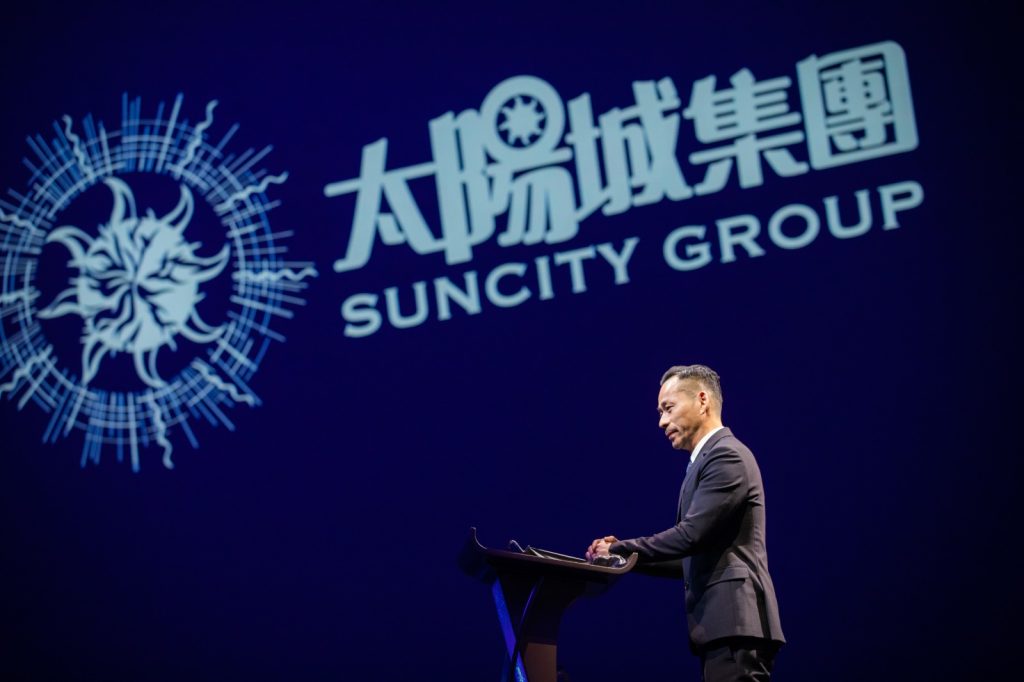
Bekier was given information that The Star’s due diligence on junkets “lacked rigor” and there were “serious concerns about the conduct of a major junket operating at Star Sydney’s casino (including a high risk of money laundering activities)”, the judge ruled.
Other directors of the company were provided oftentimes extensive analysis of these concerns which were highly technical and often hundreds of pages in length. The judge indicated that the “law expects significantly more” from boards and that directors could not be complacent in their role, even provided the complexity of the reports provided.
“Proper collective governance requires transparency about how information is being reduced and relied upon in either the preparation of board packs by management, or their digestion by directors,” stated the judge.
However, he did note that “No rational person can evaluate all this material meaningfully in the time available, let alone do so repeatedly, meeting after meeting […] One reads what appears central, scans what appears arguably material, and just trusts that anything alarming would have been signaled plainly”.
Not out of hot water yet
The Star, now under new management, indicated in its most recent fiscal half-year results that ‘there remains material uncertainty regarding the Group’s ability to continue as a going concern’.
The group is still awaiting the results of the AUSTRAC case against it, however this ‘is not a condition’ of a newly-announced non-binding agreement it has signed with WhiteHawk Capital Partners to potentially refinance all of its current debt and provide ‘incremental liquidity’.
The group’s new management is led by Bally’s Corp Chairman Soo Kim as Chairman and Bruce Mathieson Jr. as CEO, after Bally’s and Investment Holdings provided a AU$300 million ($211.77 million) strategic investment in The Star – gaining them 38 percent and 23 percent, respectively, of The Star’s issued capital.