
Home Blog Page 681

Korea’s Jeju Dream Tower’s June casino revenue down 30% m-o-m

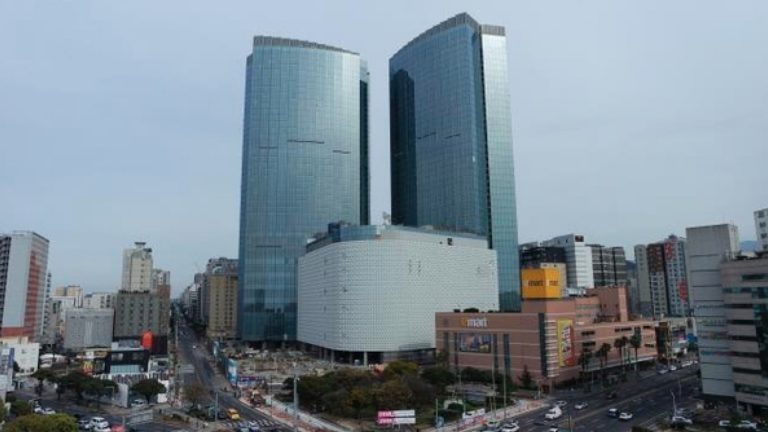
Lotte Tour Development, the promoter of the Jeju Dream Tower casino resort on South Korea’s Jeju Island, has disclosed a decrease in casino revenue for June.

According to a filing made on Monday, Jeju Dream Tower reported casino net revenue of KRW18.95 billion ($13.6 million). This marks a 30.1 percent decrease from May’s revenue of around KRW27.11 billion ($19.7 million).

Compared to the same period last year, June’s casino net revenue surged by 84 percent.

The number of visitors to the property’s foreigner-only casino totaled 28,794 last month, reflecting a 3.2 percent decline from the previous month. However, there was a notable 29.4 percent increase in visitor numbers compared to June last year.

Table game net revenue for June was KRW17.76 billion ($12.79 million), down 27.6 percent month-on-month but up 88.9 percent year-on-year.

Machine game net revenue in June reached just over KRW1.19 billion ($860,000), showing a 53.5 percent decrease from May but a 33.1 percent increase from last year.

Total casino drop in June amounted to nearly KRW130.07 billion ($94 million), down 7.1 percent from May. Compared to June 2023, this represented a 14.4 percent improvement.

On June 9th this year, the casino experienced a temporary closure lasting nearly two hours due to a fire incident in a non-gaming area of the complex.

Lotte Tour previously confirmed its expansion efforts.

In April, the company opened a marketing office in Osaka, Japan, a strategic move given Osaka’s significance as a target market for South Korean gaming firms. Plans are also underway to establish a Tokyo liaison office, coinciding with the launch of a direct flight route between Jeju and Tokyo.

Macau gaming company supervisor allegedly solicited bribes to facilitate job recruitment

0

Macau’s Commission Against Corruption (CCAC) recently uncovered a bribery case involving an employee of a gaming company in Macau.

The responsible recruitment staff allegedly solicited bribes from several mainland Chinese residents interested in working in Macau, with the total amount involved nearing RMB190,000 ($26,130).

Following public complaints, the CCAC launched an investigation. It was found that the department head responsible for recruitment and other matters had continuously identified mainland Chinese residents interested in working in Macau through his cohabiting girlfriend and another intermediary since last year.

They allegedly enticed these individuals with promises of “no need for interviews” or “direct employment,” charging each person between RMB15,000 ($2,060) and RMB25,000 ($3,400) as “introduction fees.”

The investigation revealed that they used their authority to assist at least nine mainland Chinese residents in successfully obtaining employment.

During the CCAC investigation, it was discovered that the majority of mainland job seekers who paid the “introduction fees” were hired without participating in interviews. Some did not meet the minimum educational requirements or were illiterate, blatantly violating the employment conditions and regulations set by the enterprise.

CCAC also revealed that efforts to conceal evidence of receiving “introduction fees” were made throughout the investigation, with other implicated individuals allegedly instructed to hide relevant information.

Premium Leisure Corp. to delist from PH Stock Exchange on July 9th

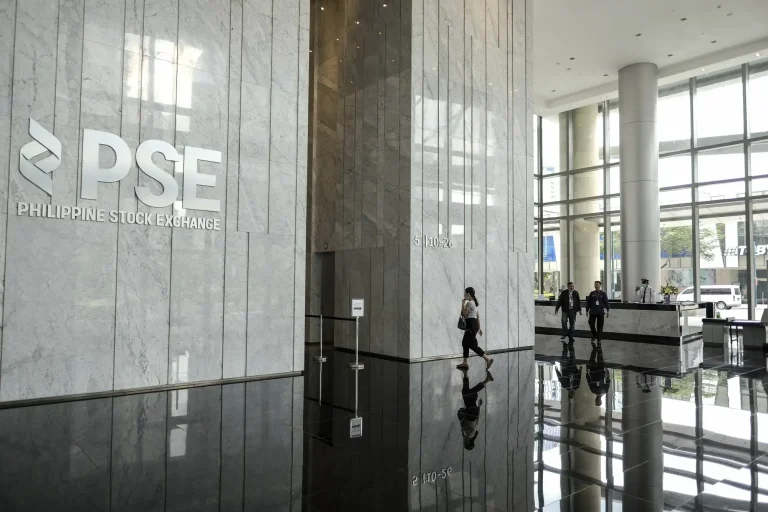
The Philippine Stock Exchange, Inc. (PSE) has announced the approval of the voluntary delisting of Premium Leisure Corp. (PLC) effective July 9th.

The PSE has ordered the delisting of PLC shares from the bourse operator’s official registry, including the electronic board and ticker.

The delisting follows the suspension of trading of PLC shares on May 7th, after a tender offer by its parent company, Belle Corp. The tender offer involved 6.17 million PLC shares priced at PHP0.85 ($0.014), with a total value of PHP5.25 billion ($89.2 million).

As a result, PLC’s public float will decrease to 0.45 percent, below the 10 percent minimum public ownership requirement.

Belle Corp., which is engaged in the integrated resorts business, is one of the portfolio investments of the Sy-led conglomerate, SM Investments Corp.

PLC owns 100 percent equity investment in Premium Leisure and Amusement, Inc., which is a grantee by Philippine Amusement and Gaming Corporation (PAGCOR) of Certificate of Affiliations and Provisional License to operate integrated resorts, including casinos, in the vicinity of PAGCOR Entertainment City.

The license runs concurrent with PAGCOR’s Congressional Franchise, which expires in 2033, renewable for another 25 years, by the Philippine Congress.

PLC holds an interest in the City of Dreams Manila integrated entertainment and gaming complex located in Parañaque City.

Additionally, it maintains a 50.1 percent stake in the publicly listed Pacific Online Systems Corp., which provides online betting software and equipment to the Philippine Charity Sweepstakes Office for lottery operations in Visayas and Mindanao.

Premium Leisure Corp. (PLC), formerly Sinophil Corporation (SINO), was originally incorporated in 1993 as Sinophil Exploration Co., Inc. with oil and gas exploration and development as its primary purpose.

In 1997, the Securities and Exchange Commission (SEC) approved SINO’s application to change its primary purpose to investment holding and real estate development.

Then in 2014, the SEC approved the change in PLC’s primary purpose to that of engagement and/or investment in gaming-related businesses.

Philippine Senate orders new probe into ex-official’s involvement in illegal POGO licenses

The Philippine Senate Committee on Women, Children, Family Relations and Gender Equality is set to hold another inquiry on July 10th following reports of a former cabinet official’s alleged involvement in issuing licenses to illegal Philippine Offshore Gaming Operators (POGOs).

According to the Philippine News Agency, Senate Deputy Minority Leader Risa Hontiveros revealed that Philippine Amusement and Gaming Corporation (PAGCOR) chairman and CEO Alejandro Tengco has been invited to the hearing to shed light on his previous statement.

Tengco had claimed that a former high-ranking government official from the previous administration “tried to facilitate the grant of gaming licenses to some illegal POGOs that have been raided”.

“We are calling a next hearing and I hope the PAGCOR chief deems it the right forum to reveal what he knows. Whoever the ex-cabinet official turns out to be, the fact remains: POGOs are being used as a legal cover for scam hubs,” Hontiveros said in a statement.

The committee has been investigating several illegal POGO operations in the country, including the latest raided hubs in Bamban, Tarlac and Porac, Pampanga. Hontiveros noted that previous Senate hearings have proven that, while PAGCOR has issued legal licenses, criminal activities are still occurring in POGOs.

Senator Sherwin Gatchalian stressed that PAGCOR must disclose all information and personalities involved in illegal POGO operations. “Government officials involved in illegal and criminal activities must be held accountable,” he said.

Meanwhile, Senate President Francis Escudero also called for the unmasking of the former official in the next hearing if he is found to have violated the law, to prevent all former “high-ranking cabinet officials from being viewed with suspicion.”

Macau 2Q24 industry property EBITDA likely down 4% QoQ: Morgan Stanley

Brokerage Morgan Stanley expects that Macau’s gaming industry property EBITDA will decrease by 4 percent, amounting to US$1.97 billion, from the previous quarter.

Analysts with the firm indicate that the projection is based on an assumption of a 3-4 percent quarter-on-quarter increase in operating expenses, though reinvestment costs could be flattening.

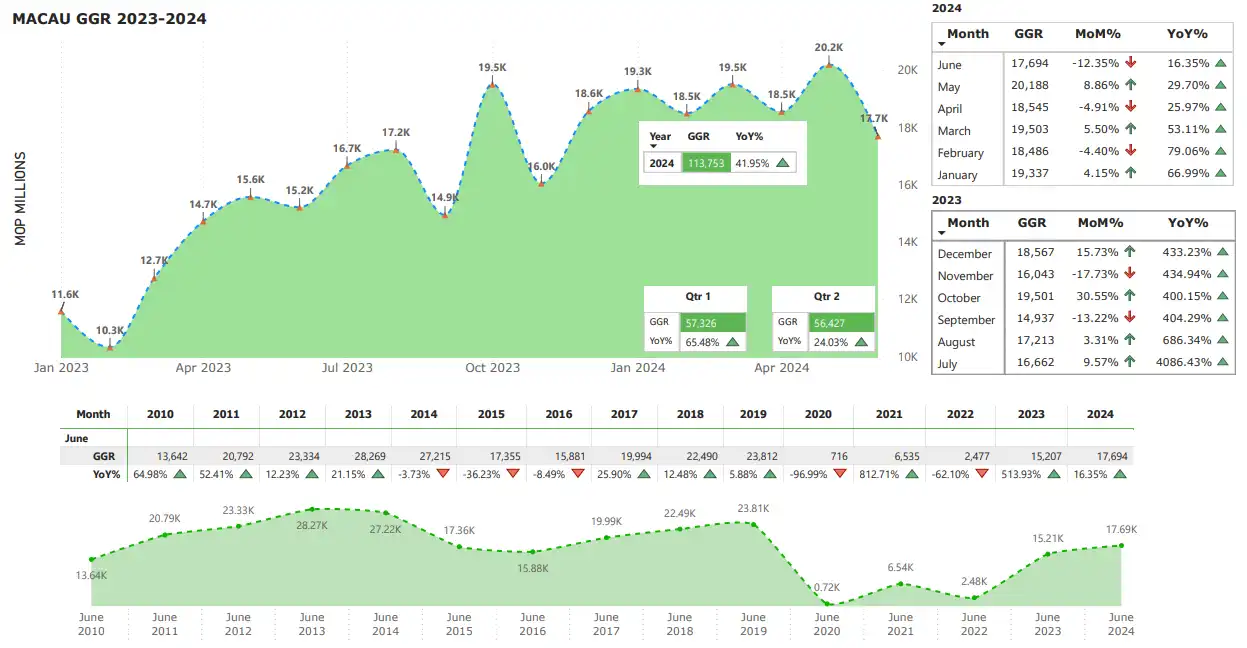
Macau reported June gross gaming revenue (GGR) of MOP17.7 billion ($2.21 billion), reflecting a decrease of 12.4 percent month-on-month and an increase of 16 percent year-on-year, reaching 74 percent of 2019 levels.

Macau GGR June 2024

In their latest investment memo, analysts Praveen K. Choudhary and Gareth Leung from Morgan Stanley noted that mass GGR is expected to decrease by 2 percent, amounting to approximately $125 million from the previous quarter. They forecast it to reach about 113 percent of 2Q19 levels, totaling $6.2 billion, assuming mass GGR remains at 87 percent of total GGR, consistent with 1Q24.

The brokerage holds a positive outlook on June’s GGR. However, it mentions ongoing concerns in the market, including no free snacks for non-gamblers, fewer referral programs, and weaker retail sales and Chinese macros.

Macau Tourism, Taipa

Wealthier travelers diverting to other destinations

In another investment memo, Goldman Sachs notes that for 2Q24 as a whole, Macau’s industry GGR totaled MOP56.4 billion ($7 billion), a 1.6 percent decrease quarter-on-quarter, ‘still outperforming historical seasonality of -3-5 percent quarter-over-quarter.’

Macau’s inbound visitation improved to 79 percent of FY19 levels in May, driven by more travelers from Hong Kong. Visitation from mainland China remained fairly steady at 77 percent.

However, after months of strong performance, Goldman Sachs indicates signs that some Chinese travelers from wealthier provinces (e.g., Shanghai, Beijing) are diverting to other destinations such as Japan, Korea, and Thailand, which have been operating at 102-108 percent of pre-COVID-19 levels in recent months (versus 120-150 percent in late FY23). Meanwhile, there is an increase in travelers from other provinces such as Zhejiang and Guangdong.

China's economic slowdown creates turbulence for Macau's non-gaming sector

Increased duty-free limit

Beijing has just implemented a duty-free purchase cap increase for mainland Chinese tourists visiting Hong Kong and Macau, raising it from RMB5,000 ($688) to RMB12,000 ($1,650) effective July 1st. When combined with purchases made in duty-free shops at the border checkpoints, mainland Chinese traveling to Hong Kong or Macau can bring back items worth up to RMB15,000 ($2,063) tax-free.

Goldman Sachs notes: ‘This change follows several months of lobbying by Hong Kong politicians, as Hong Kong’s retail market has remained soft for over a year after reopening.’

Although this still represents a substantial gap compared to the RMB100,000 ($13,750) annual duty-free quota for Chinese visitors to Hainan, the brokerage believes ‘the policy will encourage purchases of more big-ticket items in Macau, thereby supporting tenant sales at casino operators’ malls, especially as we head into the summer peak season.’

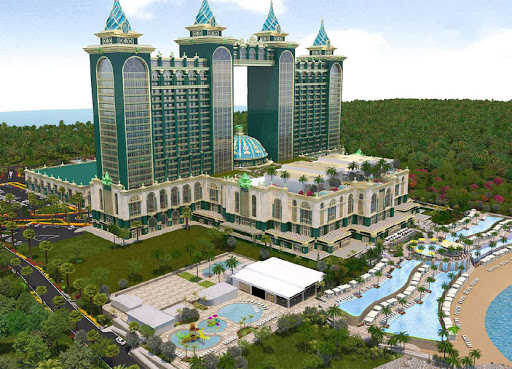
PH Resorts’ deal with Okada Manila operator to sell Emerald Bay falls through

PH Resorts Group announced that the deal to sell Emerald Bay to Tiger Resort, Leisure and Entertainment Inc. (TRLEI), the operator of Okada Manila, has fallen through.

PH Resorts confirmed the news via a filing to the Philippine Stock Exchange on Tuesday, noting that it had received a letter dated July 1st terminating the deal.

The deal encompassed the acquisition of a significant majority ownership of PH Travel’s subsidiaries, namely Lapulapu Leisure, Inc. and Lapulapu Land Corp. These subsidiaries operate the Emerald Bay Project, located in Mactan, Cebu.

PH resorts
Raymundo Escalona, President, PH Resorts

PH Resorts’ president, Raymundo Escalona, was quoted in Tuesday’s announcement, stating: “We understand that the Okada Manila operator no longer intends to pursue the Emerald Bay acquisition. Nevertheless, this development allows PHR to engage with other parties that have already expressed keen interest in the Emerald Bay Project but were unable to formalize agreements due to the restrictions under the TRLEI deal.

“We assure our shareholders and stakeholders that the company’s management is already working towards another transaction, be it an acquisition, joint venture, or otherwise, that will ensure the completion of the Emerald Bay Project.”

In a statement from TRLEI’s parent company, Universal Entertainment Corp, dated Monday, the company announced: “TRLEI notified PH Resorts of the termination of the term sheet as certain closing conditions are not or cannot be fulfilled.”

The Japanese company further stated: “Due to confidentiality obligations, the company does not provide specific details of this matter.”

About a week earlier, local media report indicated the collapse of the sale. However, PH Resorts issued a clarification denying the deal’s failure.

At that time, PH Resorts Group confirmed it remained on schedule to finalize the sale of Emerald Bay to the operator of Okada Manila by July.

The report mentioned that the issue stemmed from a disagreement over commercial terms. Sources indicate that the challenge does not concern the project’s feasibility but rather what one insider described as “unrealistic” conditions set by the selling party. For instance, Dennis Uy seeks a premium for his remaining stake in the project and repurchase rights after selling and leasing back the project land to settle substantial debts owed to the Sy-led China Banking Corp.

AGB Exclusive: Vanuatu launches new online gambling license for pre-regulated markets

The island nation of Vanuatu, known for having been the world’s first jurisdiction to offer online gambling licenses back in the 1990s, has unveiled its new licensing framework, allowing applications entirely online.

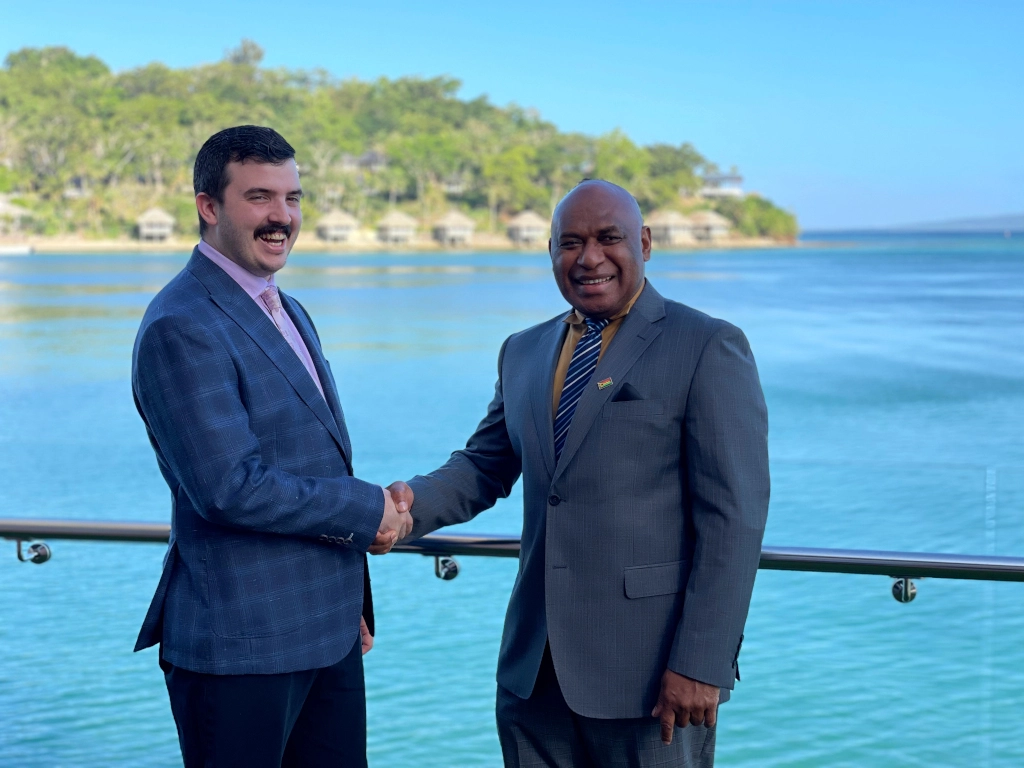
During an event in the nation’s capital of Port Vila, The Honorable Minister for Finance, John Salong (MP) and Macyn White, CEO of the Vanuatu Gaming Authority, officially launched the newly amended regulations relating to the Vanuatu Interactive Gaming Act that will update the previous Vanuatu licenses dating back to 1993.

Aimed at operators wishing to target pre-regulated markets, the new rules will see the island nation implement an application process that is entirely online. Administered by the newly established Vanuatu Gaming Authority (VGA), the online portal aims to cut down processing times while ensuring sufficiently strict background checks on all applicants are carried out.

Key facts about the new license that were revealed during the event include a EUR5,000 ($5,370) application fee, a EUR10,000 ($10,700) annual license fee, a license validity period of 15 years from initial issuance, and a flat 1 percent Wagering Activity Tax charged on Gross Gaming Revenue.

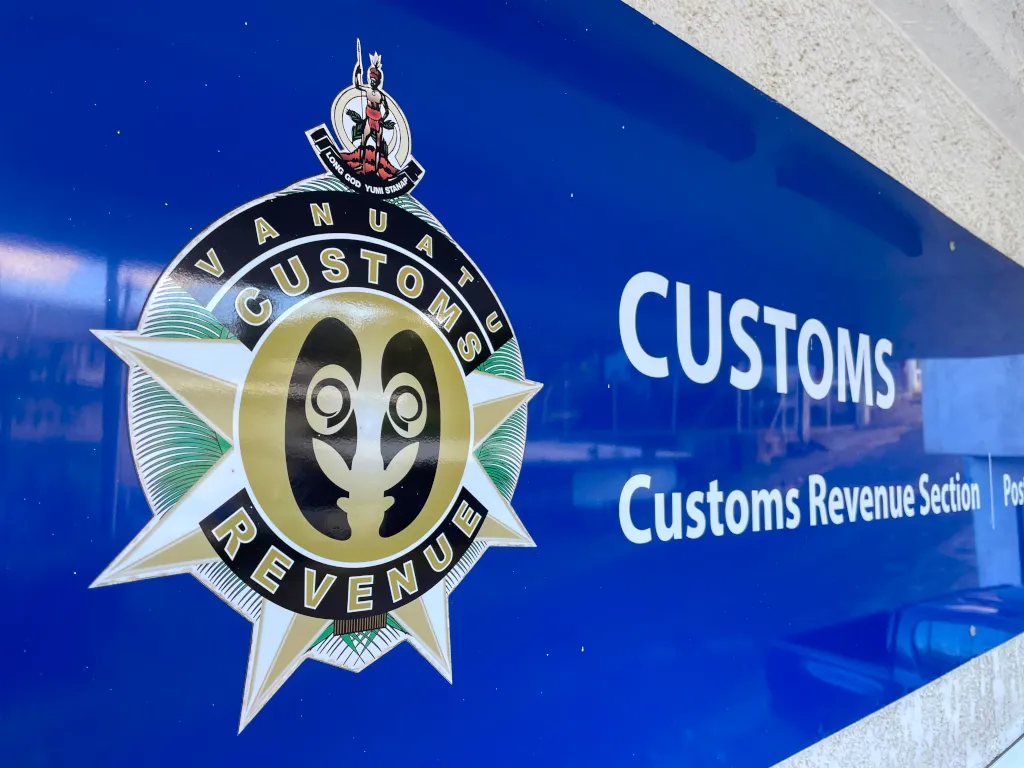
The Vanuatu Department of Customs and Inland Revenue is fulfilling the role of gambling regulator, with applications being processed by VGA Limited as exclusive agent in a public-private partnership arrangement.

Macyn White, CEO of Vanuatu Gaming Authority limited, and The Honorable Minister for Finance, John Salong Damasing (MP), during the launch event for the new Vanuatu Interactive License framework.
Macyn White (left), CEO of the VGA and John Salong (MP), Vanuatu Minister for Finance

At least initially, the new Vanuatu Interactive Gaming License is primarily aimed at B2C operators, and two URLs are included with every license. Additional URLs can be added for a fee, effectively enabling the operation of White Label brands in a way that is similar to other jurisdictions like the Isle of Man, with the license holder having to ensure compliance with all rules by any White Label partner websites operated under its umbrella.

The Honorable Minister for Finance, John Salong (MP), commented: “While creating the new framework, we were guided by the ever-stricter compliance requirements the eGaming industry operates under. It was clear from the outset that our new regulations had to strike an important balance between complying with the highest standards and leaving licensees sufficient freedoms to do what they do best: operate their businesses.”

Vanuatu Revenue and Customs Office in Port Vila

“Our new application process has been designed to ensure timely processing while at the same time allowing for strict background checks prior to any license application being granted. Leveling up our regulatory framework to ensure Vanuatu can once again play a leading role as a trusted and stable eGaming jurisdiction forms a key part of our future economic strategy,” he continued.

“We are proud of our pioneering roots in the eGaming industry and are confident that our new regulations will once again make us the center of attention and a desirable jurisdiction for online gambling brands from across the world. The newly amended regulations relating to the Vanuatu Interactive Gaming Act also take into account changes in the global compliance landscape and ensure the industry on our island remains crime free,” noted the official.

Once an application has been submitted online and is deemed to be of sufficient quality, it will advance to the processing stage. Where an application is not deemed to be suitable or of sufficient quality, it will be returned and the applicant will be given an opportunity to address any shortcomings before applying again. Processing of new applications is expected to begin in early July, with a further announcement to be made at the time. In the meanwhile, interested parties can contact the Vanuatu Gaming Authority by emailing [email protected].

Daily Asia Gaming eBrief: Singapore lowers threshold for diligence on casino deposits

0

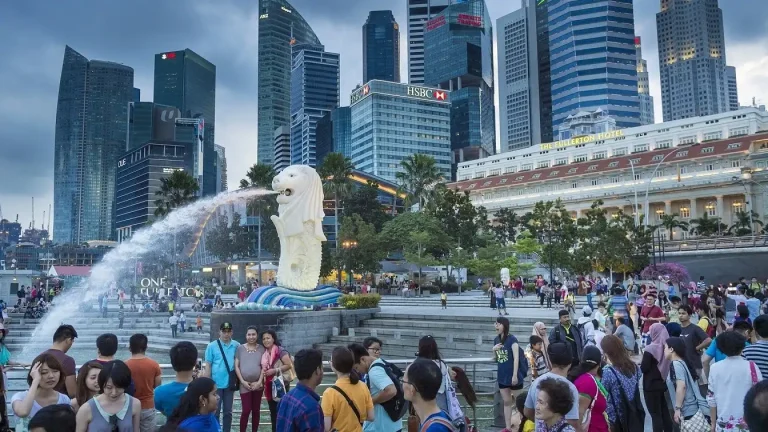
Good Morning. There’s no such thing as too much oversight. Or at least that’s the road that Singapore is taking, further lowering the threshold for due diligence on transactions in casinos, as it ups its AML/CFT measures to better align with the FATF. Meanwhile, in Macau, rampant GGR growth slowed in June, the weakest month so far this year. Looking to the Philippines, a top PAGCOR official describes the regulator’s intentions to launch a Gaming Academy, focused on the local and regional markets.

What you need to know


On the radar


AGB Intelligence

SINGAPORE

Lowering casino deposit CDD threshold in line with FATF

Singapore is working to further strengthen its anti-money laundering and counter financing of terrorism (AML/CFT) measures, lowering the threshold for due diligence checks on casino deposits to $2.9K. The measure is a part of a series of efforts to encourage more reporting on how money flows through Singapore’s casinos, as the nation aims to align with the Financial Action Task Force‘s standards. 


Corporate Spotlight

Know Your Enemy: An Interactive Guide to Online Gaming Fraud

Sumsub, Online Gaming Fraud, verification platform

Online gaming fraud is on the rise in the iGaming industry. In Q1 2022, there was an 85% increase in fake account registrations compared to Q4 2021. While players are undoubtedly affected by gaming fraud, iGaming platforms also suffer due to damaged reputations, huge financial losses, and legal consequences.

How 1xBet dominates the Asian market: conditions and approach

1xBet, Asian Market

1xBet operates in several dozen countries in Asia, and the number of partners in this region is growing steadily, which indicates the effectiveness of the 1xPartners affiliate program. The brand offers favorable conditions and a modern set of tools for making money on the Internet.


Industry Updates


MEMBERSHIP | INTELLIGENCE | ASEAN | CAREERS

PAGCOR official describes proposed Gaming Academy

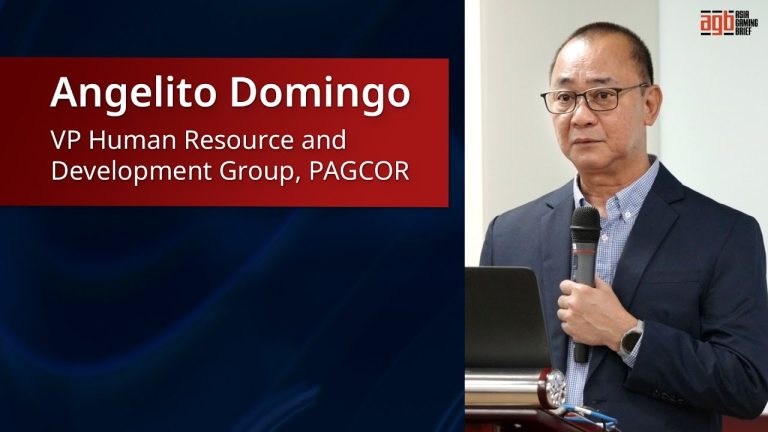
The Philippines’ gaming regulator is planning on launching a Gaming Academy in the country, focused not only on developing talent for the local market but also further abroad. Angelito Domingo, VP of PAGCOR‘s Human Resource and Development Group, tells AGB what timelines are in place and what advantages are to be expected.

Sportradar secures major client wins on strength of Managed Trading Services

Sportradar has significantly grown its Managed Trading Services (MTS) clientele in the first half of 2024, welcoming 44 new sportsbook operators to leverage its versatile and advanced operational capabilities.

MTS offers operators a customisable sportsbook management solution, enabling them to decide the extent of their in-house management or opt for external support. The solution enhances trading efficiency through AI and automation, facilitating real-time price adjustments and robust risk management. Year-to-date, Sportradar has processed more than 3.5 billion betting tickets via MTS for more than 200 clients, positioning the company as a global leader in liquidity among top bookmakers.

Geographically, the adoption of MTS has been strong in South America, where Sportradar has emerged as the preferred partner for operators aiming to capture market share in newly regulated territories. In Brazil, 11 sportsbook operators have selected MTS, alongside significant client wins in Colombia, Ecuador, and Mexico.

In Africa, Sportradar added 13 new operators to its existing base of 35 clients across multiple jurisdictions in the region during the first half of 2024.

Moreover, Sportradar’s MTS has garnered traction across other regions including APAC, Europe, and the U.S., underscoring its global appeal and operational effectiveness in diverse market environments.