FC Barcelona and 1xBet have renewed their Partnership, whereby the online gambling brand will continue to be a Global Partner and Official Betting Partner of FC Barcelona for five more seasons until June 2029.
This extended deal stems from the company’s faith in such a globally renowned brand as FC Barcelona, which intends to continue building its portfolio of partners, always going for consolidated and fruitful partnerships like the one it has with 1xBet.
The agreement will provide exposure for the brand on the Club’s different international digital advertising assets, as well as access to the men’s, women’s and indoor sports team players and as a novelty, Barça Legends to produce promotional content.
Statement by Juli Guiu, vice-president of the FC Barcelona Marketing Area:
“The renewal of the agreement with 1xBet is the consolidation of a long-term collaboration that will help us to reassert our commercial strategy in the global sphere. Our aim is to continue working together as we have until now, in liaison with a benchmark brand in the online technology and gambling market.”
Statement by Alex Sommers, spokesman of 1xBet:
“We are delighted to continue our partnership with one of the world’s most famous sports brands. In business, as in sports, it is important to be in a team with a reliable partner and work hard to achieve results. The extension of the agreement with FC Barcelona confirms that we are on the right track.”
The Philippine Amusement and Gaming Corporation (PAGCOR) has revealed that a former high-ranking government official attempted to facilitate the granting of gaming licenses to several illegal Philippine Offshore Gaming Operators (POGOs) recently raided for engaging in unlawful activities.
This revelation was made in a press release last Saturday.
PAGCOR Chairman and CEO Alejandro Tengco emphasized the importance of investigating the involvement of former officials and their associates in the issuance of licenses to POGO applicants with questionable backgrounds.
Tengco stated that he will disclose the identity of the former Cabinet member lobbying for the illegal POGOs and the circumstances that led to the proliferation of unlawful offshore gaming operations in the appropriate forum.
“As a regulator, it is our mandate to ensure that only those with valid licenses are allowed to operate all forms of gambling and gaming activities, whether these are land-based casinos or online platforms,” Tengco said.
“It is in the interest of the government to crack the whip against illegal operators, including the so-called offshore gaming operators or POGOs and their backers, because the criminal activities associated with their illegal operations pose serious threats to our people,” he added.
Tengco explained that the current administration’s efforts to eliminate illegal operators have led to a substantial reduction in the number of licensees, from 298 under the previous administration to just 43 now.
“What we need to question, in the first place, is how those 298 POGO licensees were able to secure their licenses in the past because, during our cleansing process, we found most of them to be ineligible and outright suspicious,” Tengco said. “We are also ready to reveal the roles of other controversial individuals behind these criminal POGO enterprises,” he added.
Call for revealing the identity
Following PAGCOR’s revelation, senators are urging the organization to disclose the identity of the former high-ranking government official involved.
Senate President Francis “Chiz” Escudero led the call, emphasizing the need to determine if the former official violated any laws.
Senator Risa Hontiveros
Senator Risa Hontiveros, who has issued many calls to totally ban POGOs, emphasized the necessity for PAGCOR Chairman and CEO Alejandro Tengco to attend the hearing in person to “disclose what he knows.”
“I hope the PAGCOR chief recognizes this as the appropriate forum to share his knowledge. I expect Chair Tengco himself to appear at the next hearing, rather than just sending his representatives,” she said.
Meanwhile, Senator Sherwin Gatchalian described Tengco’s latest revelation as “deeply alarming.” For Gatchalian, this “proves POGOs’ link to high government officials.”
“Any conflicts of interest or breaches of legal and ethical standards must be fully addressed with the utmost severity. PAGCOR must disclose all information and reveal other personalities involved to aid in the ongoing investigations,” he said.
The threshold for performing due diligence checks on cash deposits in Singapore casinos is going to be lowered, according to the city-state’s authorities, amongst tighter controls on counter terrorism financing (CFT).
The new shift involves lowering the threshold to SG$4,000 ($2,950) from the previous SG$5,000 ($3,700), to be in line with Financial Action Task Force (FATF) standards.
The measure is set to come into effect this year, but no timeline has yet been indicated.
A Monday joint statement by the Singapore’s Ministry of Home Affairs, Ministry of Finance and Monetary Authority indicate that ‘money remittances remain at High risk’, while ‘cross border cash movements remain at Medium-Low risk’ and ‘digital payment token service providers have been elevated from Medium-Low to Medium-High risk’.
An update from its 2020 guidelines, as outlined in the ‘National Strategy for Countering the Financing of Terrorism (NSCFT), indicates that customer due diligence (CDD) will be applied to ‘all financial transactions’ in the casino sector.
‘This adjustment aims to strengthen deterrence and prevent misuse of Singapore’s casinos for TF (terrorism financing) purposes’.
Regarding the FATF, the international body indicates that Singapore is compliant with 20 of the group’s 40 recommendations, largely compliant with 17 of them and partially compliant with three recommendations.
A possible onsite assessment of the territory’s compliance with the FATF’s recommendations is scheduled for August of 2025, while its last evaluation was conducted in June of 2016.
Unlike the Philippines, for example, Singapore is not on the FATF ‘grey list’ – subject to increased monitoring by the international oversight body.
Myanmar is currently on the FATF’s ‘black list’- notably a ‘high-risk jurisdiction subject to a call for action’. The list was updated in June of this year.
In line with the initiatives – spread across dozens of government agencies and departments, the group notes that it will be ‘Conducting enhanced surveillance and supervisory activities focused on higher TF risk areas and entities,’ as well as ‘engaging with the industry through outreach, guidance, and industry cooperation initiatives’.
Due diligence, STFs and money laundering
Among the focuses is DFNBPs (designated non-financial businesses and professions) which, under which casino operators are classified.
Aligning with the FATF standards, the authorities, according to the national strategy (NSCFT) means not only ‘identifying and verifying customers’, ‘conducting ongoing monitoring and regular customer due diligence’ (with enhanced measures for those deemed high risk’, ‘conducting screening to ensure compliance with CFT requirements’ and ‘promptly filing suspicious transaction reports’.
For casino operators in Singapore, STR reports are required before the end of each applicable reporting period involving ‘every cash transaction with a patron involving either cash in or cash out of SG$10,000 ($7,400) or more in a single transaction’.
This also applies to ‘multiple cash transactions which the casino operator knows are entered into by or on behalf of a patron’, of which the aggregate is cash in or cash out of SG$10,000 or more ‘in any gaming day’.
Failure to do so can result in a potential conviction to a fine of up to SG$20,000 ($14,800).
In its Money Laundering Risk Assessment Report for 2024, the Monetary Authority of Singapore (MAS) indicated that Casinos were ranked as of ‘Medium High ML risk’, despite posing a less serious threat than Corporate Service Providers (CSPs) and the real estate sector.
However, the report does highlight that ‘we have not encountered any instance where the casinos were found to be directly complicit in ML activities in Singapore and have only observed a low number of cases where criminal proceeds were converted to casino chips for self-laundering purposes.’
The MAS indicates that its investigative unit has ‘observed that the majority of STRs filed by casinos do not relate to potential ML offenses and instead involve a suspicion of offenses under the Casino Control Act or are filed pursuant to adverse news on casino patrons’.
The upcoming change to the threshold for cash deposits was highlighted in the assessment, published on June 20th of this year, which indicated (on page 112) that the Gaming Regulatory Authority (GRA) ‘will be imposing legislative amendments to lower the prescribed CDD threshold for casino transactions, and to align them with the FATF Standards’.
To ensure compliance of both AML and CFT measures, the GRA ‘will continue to perform risk-focused monitoring and inspections of the casino operators commensurate with the moderately higher risks presented by the sector’.
Police from Guangdong, Hong Kong, and Macau have jointly dismantled a cross-border illegal gambling syndicate, resulting in the arrest of 93 individuals.
According to local media reports, Macau Judiciary Police apprehended 50 individuals in Macau, including masterminds and key members of the syndicate, and seized over MOP8 million (approximately $1 million) in cash, Hong Kong Dollars, and Chinese Renminbi.
The syndicate, operating since 2016, is believed to have conducted transactions amounting to at least MOP1 billion ($125 million).
During their investigation, police uncovered the syndicate’s involvement in online gambling activities, utilizing overseas servers to host websites for betting on peripheral football and basketball games with attractive odds.
The syndicate operated with distinct roles, including bankers, general agents, and recruiters of gamblers. The operation culminated in simultaneous arrests across Macau, Cotai, and Coloane, seizing substantial amounts of cash, mobile phones, computers, and other evidence.
Police found that four syndicate members are currently incarcerated for a money laundering case, and an additional four are suspects in an illicit gambling case.
In a follow-up investigation into a 2022 money laundering case, police discovered evidence implicating these imprisoned members in illegal gambling activities, prompting a separate inquiry. Through analysis, scrutiny, and intelligence gathering, authorities confirmed the syndicate’s long-standing involvement in online gambling.
Mainland Chinese authorities also arrested 42 syndicate members, including 38 males and four females aged 28 to 48, seizing RMB80 million ($11 million) in cash and freezing over 90 bank accounts with RMB20 million ($2.8 million) involved.
In Hong Kong, police arrested a man in Tuen Mun who assisted the group in receiving over HK$8 million ($1 million) in wagers from June of last year to March of this year.
During the Euro 2024, investigations revealed the syndicate has received over MOP72 million ($9 million) per week through peripheral betting.
Police also discovered that four arrested men had established a physical illegal gambling den disguised as a coffee shop in the commercial area of Areia Preta, Macau. The den operated as a club, offering Texas Hold’em and mahjong gambling, with dealers arranging cards for Texas Hold’em players. To avoid detection, the den operated irregularly, opening only when a specific number of gamblers were present.
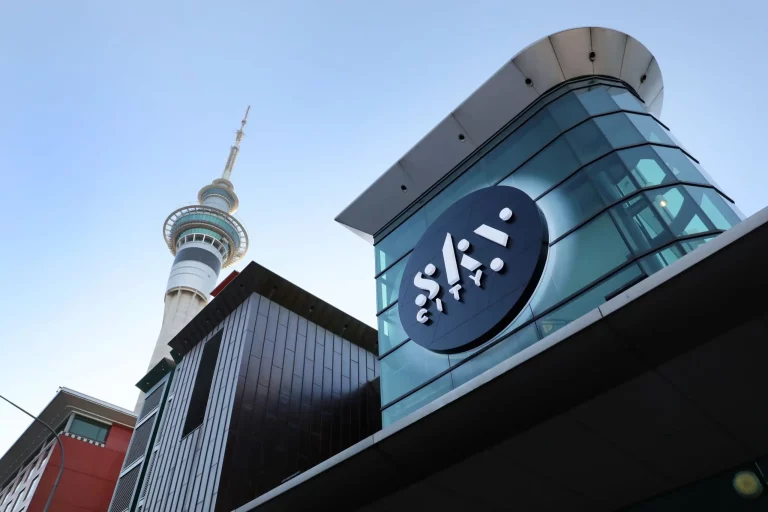
S&P Global Ratings has affirmed its ‘BBB-‘ long-term issuer credit rating of SkyCity Entertainment Group Ltd., reflecting the company’s efforts to preserve its credit profile amid cyclically lower gaming revenues and elevated regulatory costs.
The rating agency expects SkyCity’s credit metrics to weaken in fiscal years 2024 and 2025, but with the handed rating likely to remain the same.
‘Economic conditions in New Zealand remain subdued, driving lower gaming and non-gaming revenues across SkyCity’s properties,’ read the rating agency dispatch. ‘We have therefore revised downward our forecast earnings for SkyCity.’
The lower expected earnings also reflect delays in the opening of the Horizon Hotel, pre-opening operational costs for Horizon Hotel and New Zealand International Convention Centre (NZICC), and one-off costs for regulatory inquiries and project-related compliance, particularly at SkyCity Adelaide.
SkyCity Entertainment recently announced the completion of construction works for its five-star Horizon Hotel in Auckland, with the opening now scheduled for August 1st, 2024.
To support its credit metrics, SkyCity has taken several creditor-friendly actions, including suspending dividends until fiscal 2025 and using the proceeds from the sale of its 10.02 percent stake in Gaming Innovation Group (GiG) to repay debt.
The group announced it was selling its entire shareholding in GiG, which it acquired in April of 2022, in a deal it expected could generate net proceeds of approximately NZ$55 million ($33.5 million) after brokerage and legal costs.
GiG is a European-based online gaming platform provider and media services operator, via which SkyCity operated its SkyCity Online Casino.
However, according to S&P, the company’s business continues to be weighed down by heightened regulatory oversight.
While the conclusion of the Australian Transaction Reports and Analysis Centre’s (AUSTRAC) case against SkyCity Adelaide has resolved some regulatory uncertainties, the company remains subject to various ongoing regulatory reviews, including an independent review of SkyCity Adelaide’s suitability to hold a gaming license.
The stable outlook reflects S&P’s view that SkyCity’s debt reduction efforts will help maintain its credit profile within the rating tolerances over the next two fiscal years.
The rating agency expects the company’s earnings to improve from fiscal 2026 as economic conditions recover in New Zealand and the successful ramp-up of NZICC, Horizon Hotel, and car park operations provide additional earnings.
The limited liability company operating Imperial Pacific International’s hotel-casino in Saipan says that a sale of the property could be possible, with intentions to file a motion or plan within the next month.
According to the Saipan Tribune, IPI was questioned by the court last week on its organizational plan to file for bankruptcy, with the group noting it was discussing with creditors and the US Trustee on whether to sell the property via a plan or a under a legal framework which allows the company to sell assets even if under Chapter 11 bankruptcy.
IPI also informed the court that it had secured a further $1 million loan from lender Loi Lam Sit on top of a further $6.6 million in loans.
Creditors had initially moved to discredit Imperial Pacific’s appeal for bankruptcy, claiming over $160 million in debts.
The Hong Kong-listed parent of the casino operator was also forced to de-list from the stock exchange in June. The limited company formerly operating the casino in Saipan is still facing a court hearing on July 25th, in an attempt to dismiss a multifaceted legal dispute with the Commonwealth of the Northern Mariana Islands government and multiple officials over actions, penalties, fines and license suspensions against IPI.
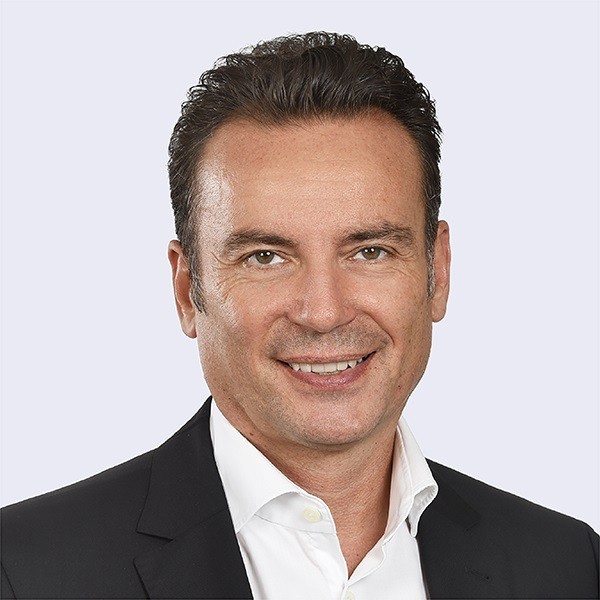
B2B sports betting platform Kambi Group has announced that it has found a replacement for the group’s outgoing CEO, with former Sportradar executive Werner Becher to assume the role in late July.
The group has been searching for a successor since the company’s co-founder Kristian Nylén announced in January that he was planning to retire as CEO, but would remain on the company’s board.
Nylén co-founded Kambi with Anders Ström, the chair of the board. Ström assumed the role of Chair in November after Lars Stugemo announced his departure from the role after nearly a decade in the position and 14 years with the company.
Werner Becher steps into the role, even as the company targets further expansion into Asia, noting a plan to ‘launch in a major regulated Asian market’ by 2027.
The appointment also comes as Kambi laments that ‘the pace of sports betting regulation has slowed compared to previous years,’ in its 1Q24 presentation.
While primarily operating in the US, LatAm and European markets, Kambi Group also has a presence in APAC and operates directly under the Kambi moniker in NagaWorld, in Cambodia.
In total it employs some 1,000 staff, with its headquarters in Malta, and offices in Australia, the Philippines, the UK, the US, Denmark, Romania and Sweden.
In previous statements about his shift from the role of CEO to board member, Kristian Nylén noted that he was looking forward to “focusing more intensively on the strategic aspects of our business”.
Looking at Becher’s now assignments, the group in a release note that upon joining the company the executive ‘will be tasked with building on the company’s success and its position of the industry’s leader sports betting partner’.
“I join Kambi at an exciting time in its evolution, as it continues to open up its service and widen its addressable market,” notes Becher.
In the group’s 1Q24 results, it noted that its revenue fell slightly year-on-year, to €43.2 million ($46.48 million) and profit was down 1 percent, to €3.2 million ($3.44 million). However, it’s EBITDA was up 10 percent yearly, to €14.1 million ($15.17 million).
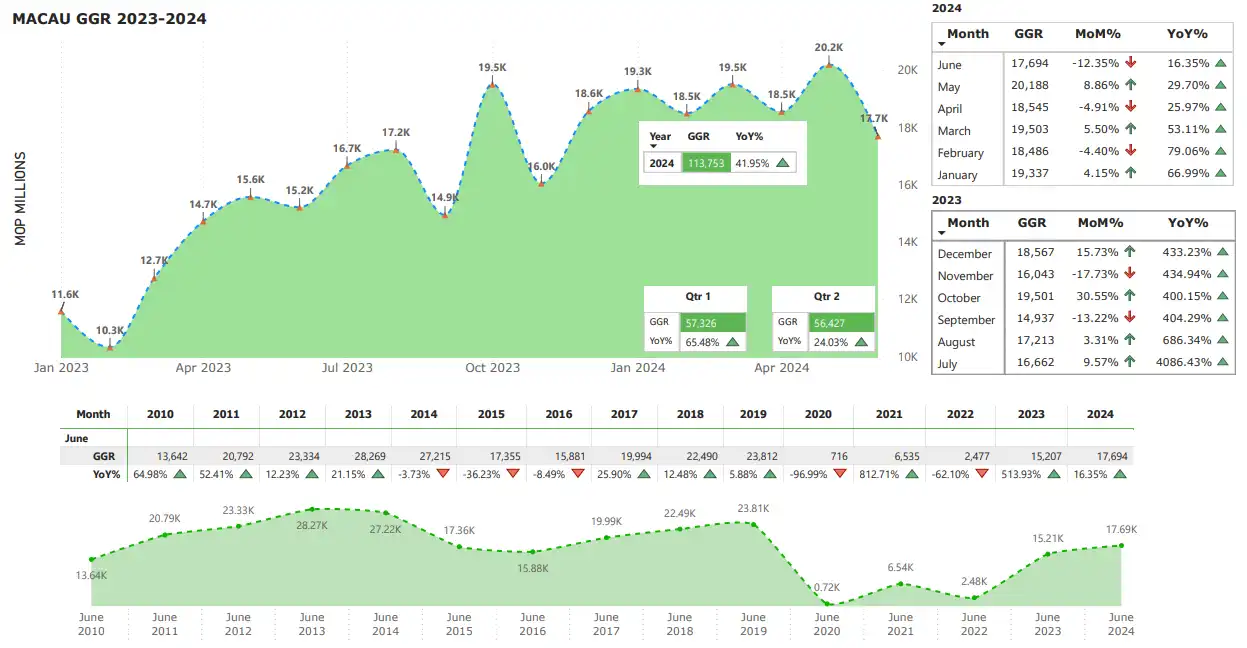
Macau’s gross gaming revenue (GGR) amounted to MOP17.7 billion ($2.21 billion) in June, reflecting a 12.4 percent decrease from May’s MOP20.19 billion ($2.51 billion).
According to data released by the local regulator, the Gaming Inspection and Coordination Bureau (DICJ), although the June tally marked a 16.4 percent increase from the previous year, it remarks the lowest GGR since the beginning of the year.
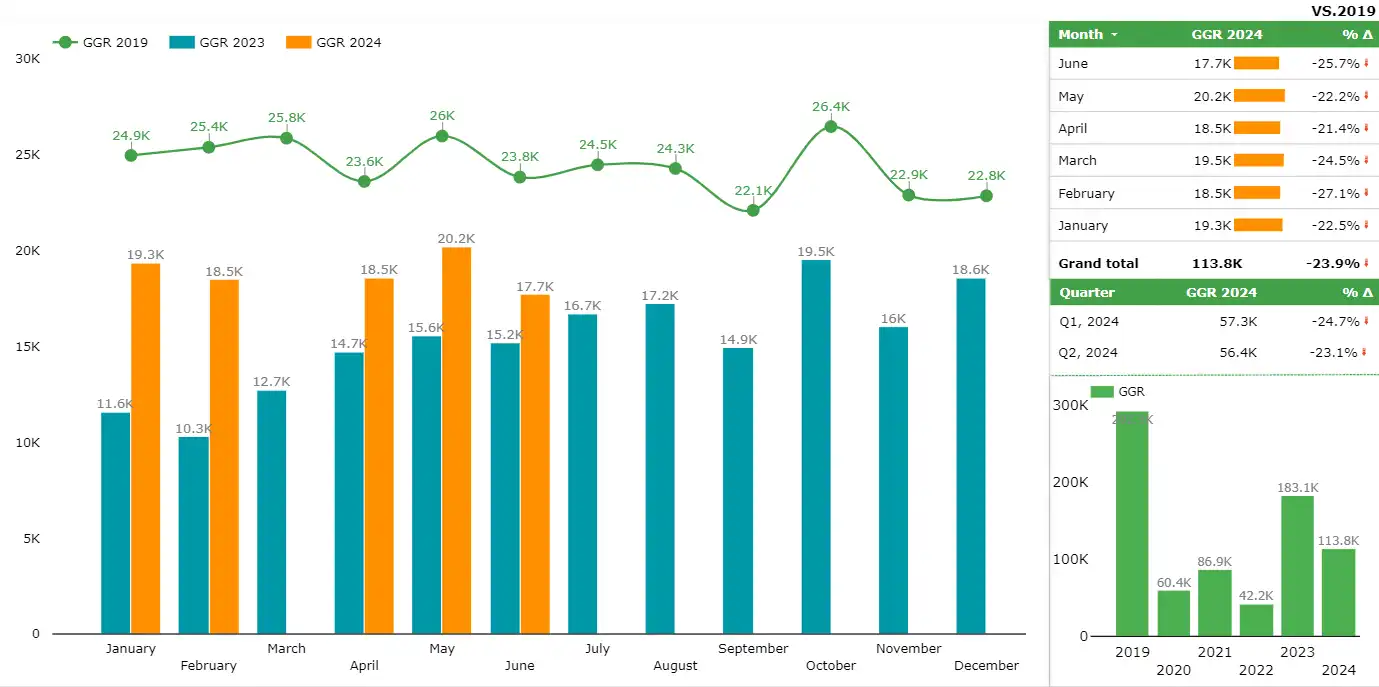
The result also represents a 25.7 percent decrease from the MOP23.8 billion ($2.97 billion) reported in June 2019, before the pandemic.
For the first half of 2024, Macau’s casino GGR reached MOP113.8 billion ($14.20 billion), up 41.9 percent from last year but still 23.9 percent lower than the same period in 2019, which was MOP149.50 billion ($18.66 billion).
May’s GGR was the highest monthly total since the city’s borders reopened in January 2023.
June only had the Dragon Boat Festival as a public holiday, which falls on June 10th. Besides that, many investment banks believe that both the Euro 2024 football matches and seasonality are the reasons for the GGR drop in June.
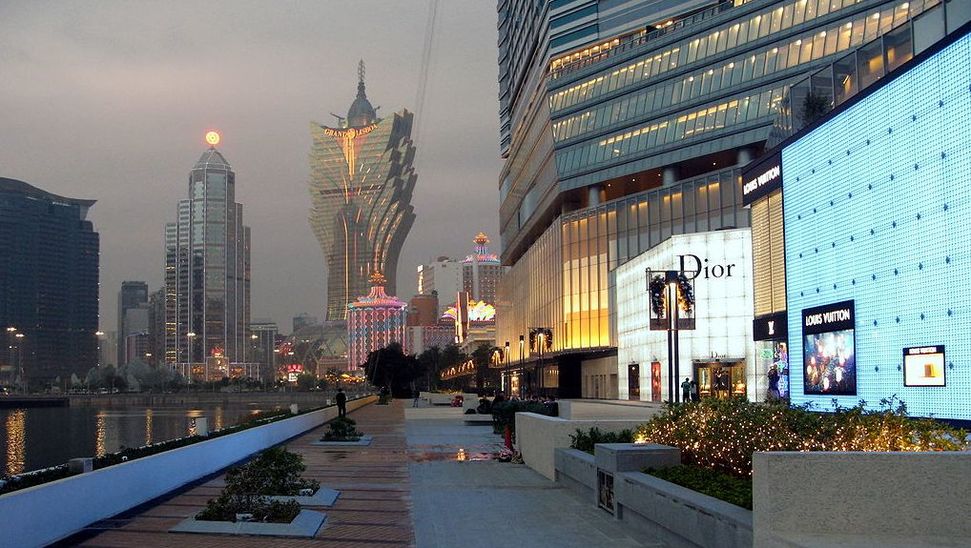
Good Morning. It has been a bumpy ride so far. Official data shows that China’s economic slowdown is creating turbulence for Macau’s non-gaming sector. While Macau has seen an increase in visitor arrivals and gaming revenue recovery, the retail and luxury sectors are facing challenges. Key factors include reduced spending by Chinese tourists, increased competition from duty-free shops, and the end of the junket business leading to less high-end spending. Meanwhile, gaming operators SkyCity Entertainment and The Star have both announced the opening of new hotels in August of this year.
What you need to know
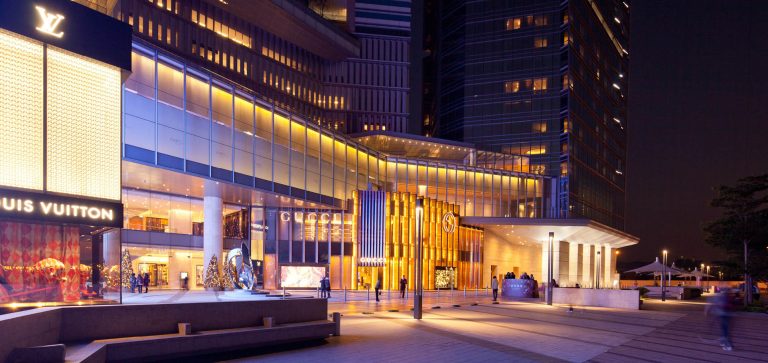
The economic slowdown in China has underscored challenges in Macau’s non-gaming sector, including declining retail sales.
China’s economic slowdown is creating challenges for Macau’s non-gaming sectors. Despite an increase in visitor arrivals and gaming revenue recovery, the retail and luxury industries in Macau are facing headwinds. Key factors contributing to this include reduced spending by Chinese tourists, increased competition from duty-free shops, and the decline of the junket business leading to decreased high-end spending. To address this issue, the Chinese government has doubled the duty-free shopping limit for visitors to Macau and Hong Kong.
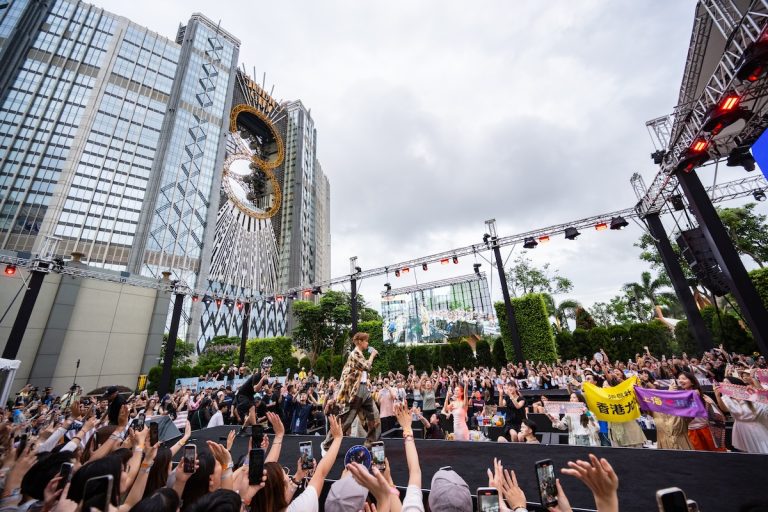
Presented by MelcoStyle, Water Park WAVEFest continued heating up the summer days with its Second Wave at the Studio City Water Park Event Garden yesterday. The show attracted over a thousand thrilled party enthusiasts for another heat wave of music.
Not only did attendees get to enjoy the pulsating grooves of the performers’ music, but they also enjoyed all the exciting splashtivities in Macau’s most exciting and only indoor water park, giving them the double enjoyment of sound waves and water waves.
The Second Wave of WAVEFest kicked off with Macanese indie band Daze in White, who got audiences moving by awakening their dance genes with a powerful rock sound. Macau’s very own Fida then took the stage to perform their lyrical rock ballads, heating up the atmosphere of the party.
Pop diva Vincy Chan captivated the audience immediately with soulful performances of her hit songs. New girl pop group VIVA took the stage for the first time to show off the results of their intense training in Korea, winning the cheers of the audience with lively performances of their up-tempo tracks.
Singer-songwriter Dark Wong brought moving songs about growth and transformation that resonated with the audience. Rock band ToNick got the crowd fired up once more with their signature rock hits. Finally, pop superstar Hins Cheung delivered a rousing finale with performances of his hit classics, all accompanied by the audience singing along. Under the endless cheering, the Second Wave of WAVEFest came to a perfect ending.
Studio City Water Park offers extraordinary water recreational facilities 365 days a year with both indoor and outdoor areas. With the water set at a balmy 30 degrees Celsius year-round, it is one of the very few all-weather, year-round indoor water parks in Asia, and one-of-a-kind indoor water recreational hotspot in all of Macau. Stay tuned with Studio City Water Park for more exciting events this summer!