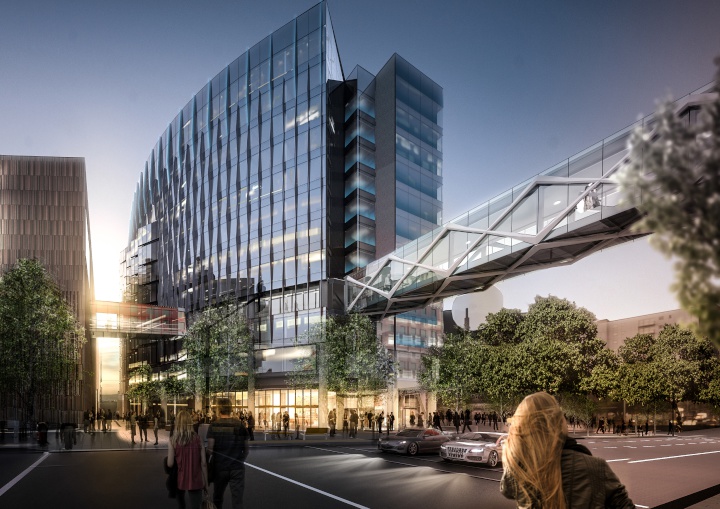
SkyCity Entertainment Group has announced the completion of construction works for its five-star Horizon Hotel in Auckland, with the opening now scheduled for August 1st, 2024.
The 303-room property is connected to the under-construction New Zealand International Convention Center and the SkyCity Auckland Precinct, adding the number of rooms in the complex to about 1,000, together with the Grand by SkyCity and SkyCity Hotel.
The SkyCity precinct and the New Zealand International Convention Center are set to open in 2025.
The New Zealand and Australian gaming operator has reported a yearly drop in both revenue and net profit for the first half of 2024.
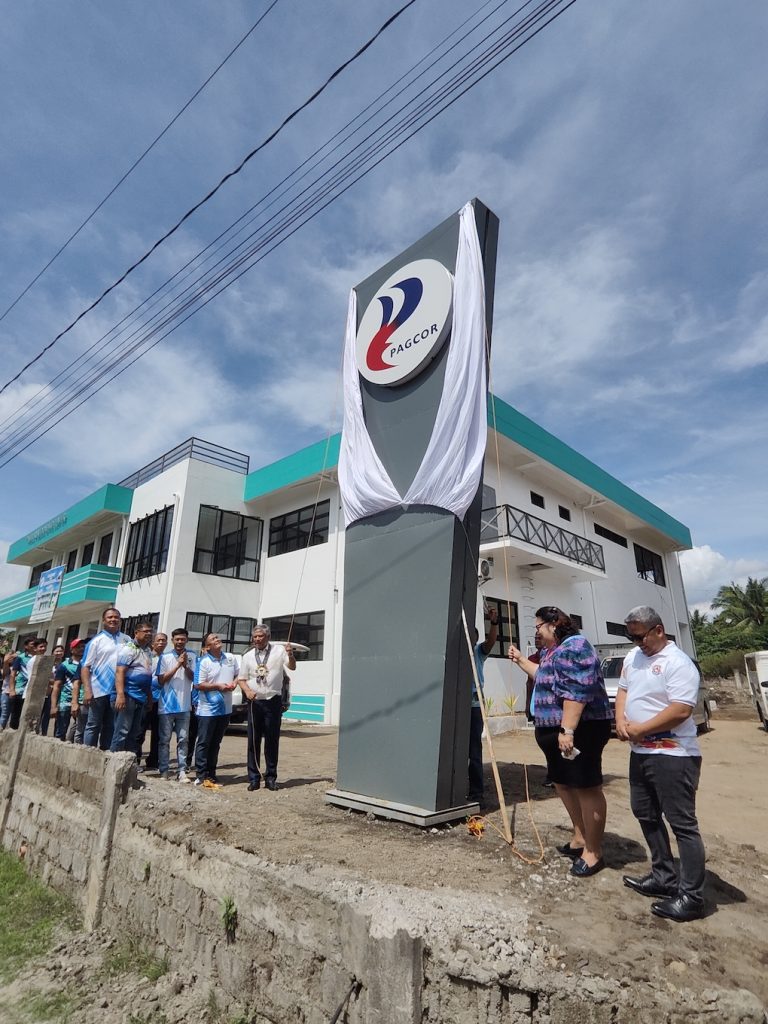
The Philippine Amusement and Gaming Corporation formally unveiled its latest and most recently completed Socio-Civic Center on Wednesday, June 26th, two years after the project’s groundbreaking in March 2022.
PAGCOR Chairman and CEO Alejandro H. Tengco led the inauguration ceremony for the PHP50-million state-of-the-art structure in Barangay Pansipit, a village named after the river that connects Taal Lake to Balayan Bay.
The two-story facility can serve as a venue for various events, social gatherings, educational activities and various programs and activities of the local government, not to mention as an evacuation center in times of calamities.
In his address, Mr. Tengco emphasized the importance of projects that help promote community development and resilience.
He also said that PAGCOR rebranded its previous multi-purpose evacuation facilities into Socio-Civic Centers because the buildings can serve many other purposes aside from being a shelter during disaster situations.
To date, a total of 39 PAGCOR-funded Socio-Civic Centers have been completed and unveiled nationwide, while 33 others are still undergoing construction.
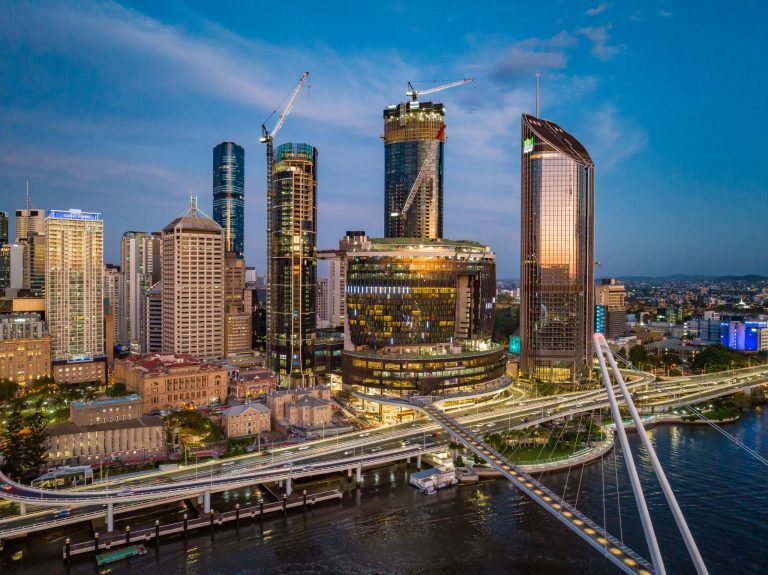
Australian gaming operator The Star Entertainment Group has announced that it will officially open its the Star Brisbane property on August 29th of this year, as part of the ‘highly anticipated, multi-phase reveal’ of Queen’s Wharf Brisbane.
Overall, the project is expected to cost some AU$3.6 billion ($2.41 billion), and will open in phases with F&B, public spaces and ‘destinations’ opening from August into September ‘and throughout the remainder of 2024’.
The announcement was made via a social media post on Sunday.
The first phase includes the new Sky Deck, Miller Park and Neville Bonner Bridge – linking Queen’s Wharf to the SouthBank.
Other offerings will include the Event Center, while five-star The Star Grand hotel will be accepting bookings ‘very soon’.
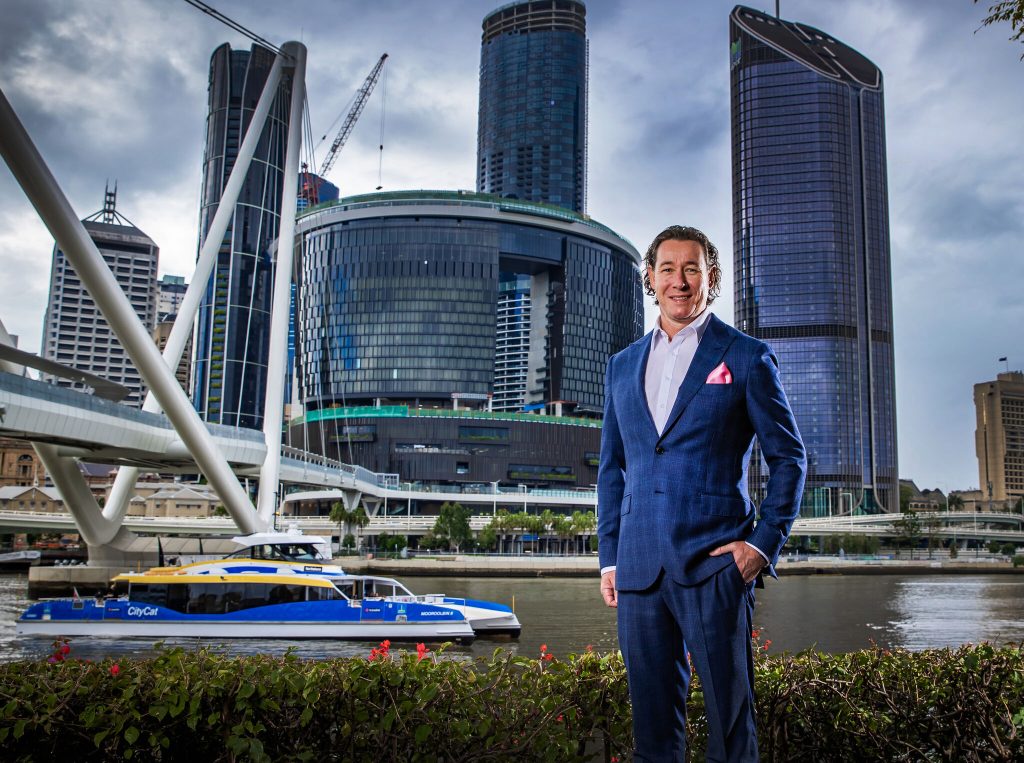
The Star Brisbane CEO Daniel Finch
The Star Brisbane CEO, Daniel Finch, noted that “not everything will open all at once on day one”, indicating that returning guests will ‘find something new to experience”.
“We want to ensure our team members are prepared, our facilities have been tested, our processes are right and importantly our guests have an exceptional experience,” highlights the executive.
Queen’s Wharf Brisbane is a joint venture project between The Star and Hong Kong-listed global conglomerates Far East Consortium and Chow Tai Fook.
The company underwent a series of capital raising exercises, including more investment from its joint venture partners, in order to finish work on the project while also handling the backlash (including fines and court cases) linked to previous AML/CTF failings.
The group is also still facing an inquiry into its suitability to operate its Sydney casino (the Bell Two inquiry), and has undergone significant executive changes – including the appointment of former Crown CEO Steve McCann as the group’s new CEO and Managing Director in late June (following the resignation of former Chairman David Foster) – effective July 8th.
The Star recently announced that it was expecting lower sequential revenue in the quarter ending June 30th, as revenue from premium customers declines, the economic environment lags and expenses from its remediation efforts mount.
It expects group revenue for its fiscal year to be between $1.11 billion and $1.12 billion.
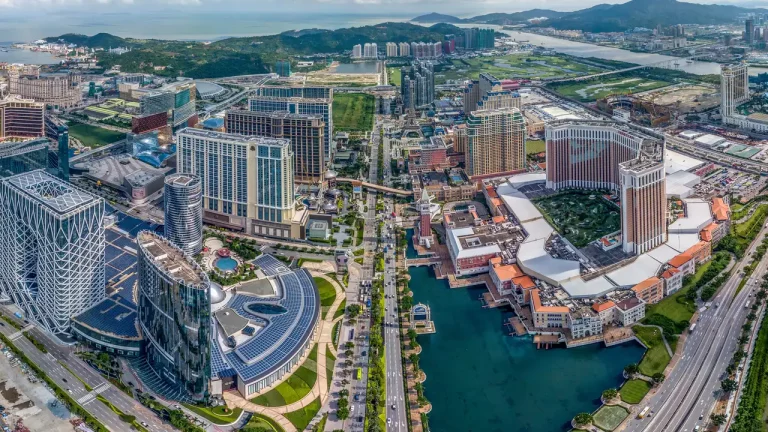
Although some research shows that the willingness of Chinese tourists to spend in Macau remains high, recent market changes signal a potential decline in consumption.
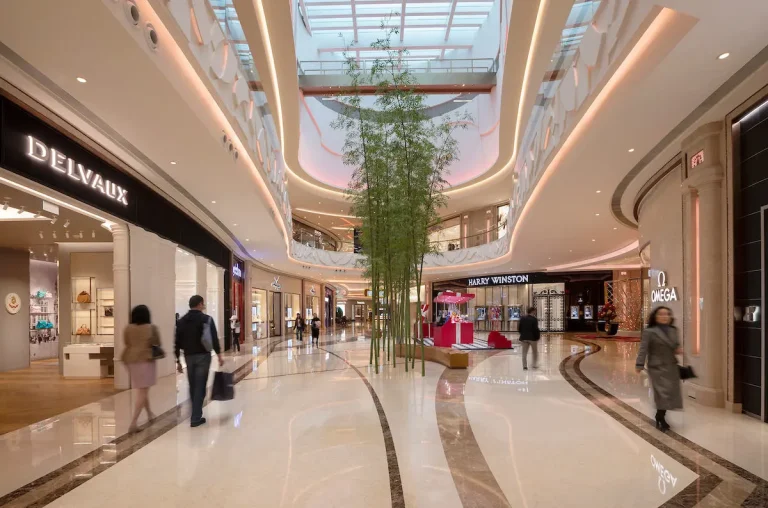
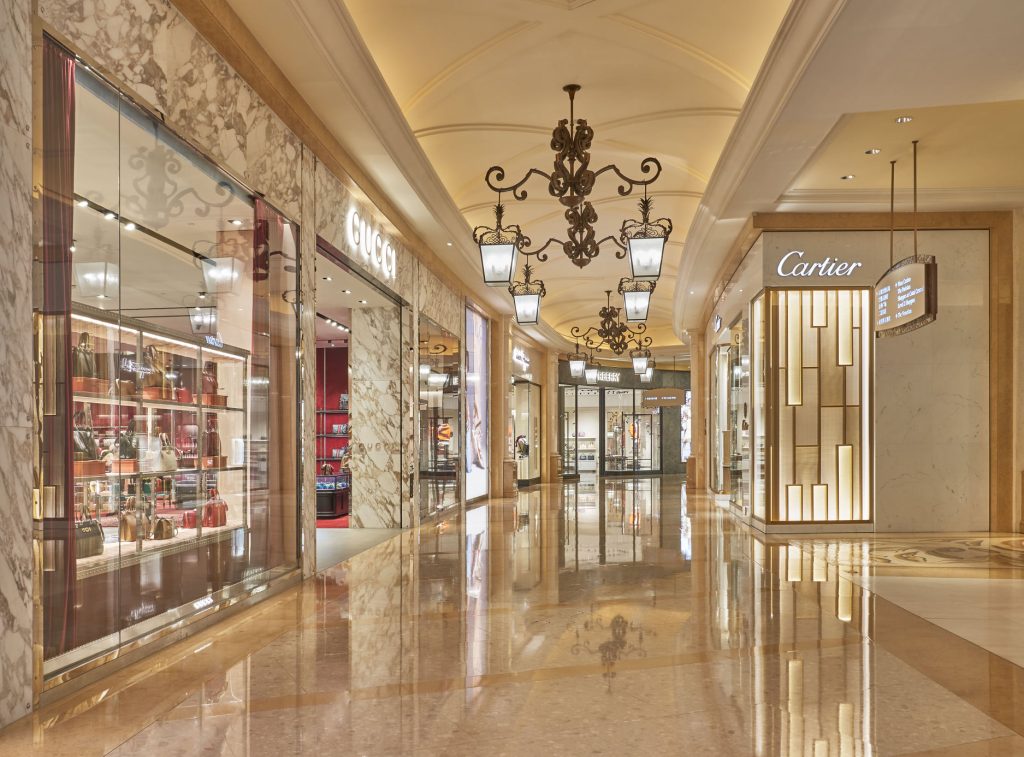
The expansion of non-gaming facilities surrounding casinos has faced some headwinds recently. Hidden risks are emerging, highlighted by news that Macau’s leading luxury retailer, DFS, has implemented voluntary unpaid leave for all employees during the summer season, which is typically characterized by high seasonality.
The retailer in question has reportedly experienced a 40 percent drop in sales revenue this year compared to the same period last year, a trend that starkly contrasts the ongoing recovery in visitor arrivals this year.
Looking at the official data, Macau received nearly 14.2 million visitor arrivals from January to May this year, up 50.2 percent year-on-year. In May alone, Macau visitor arrivals rose 21.6 percent year-on-year to just over 2.69 million, with the city’s gross gaming revenue (GGR) reaching MOP20.19 billion ($2.51 billion), the best monthly performance since January 2020.
However, the most recent official data also indicate that all types of interviewed retailers registered a year-on-year decline in sales in April, with Watches, Clocks & Jewellery Retailers recording the largest decrease of 44.6 percent.
Specifically, sales in department stores dropped 32.7 percent year-on-year in April, cosmetics and sanitary articles dropped 36.5 percent, and adult clothing decreased 33.5 percent compared to the same period last year.
The conflicting data between GGR, visitor arrivals, and retail numbers suggests that the challenges faced by DFS may indicate a broader issue within the industry.
Consumption reshaping
Nelson Kot, the president of the Macau Comprehensive Social Research Association
In an interview with AGB, Nelson Kot, president of the Macau Comprehensive Social Research Association, noted that according to projections, Macau could achieve MOP210 billion ($26.12 billion) in GGR in 2024. However, he emphasized that consumption patterns are “reshaping”.
“The luxury retail shops in Macau are targeting mainland Chinese, and more and more of these duty-free shops opening in recent years will make Macau less attractive,” Kot noted.
At the same time, the higher currency rate of the pataca (Macau’s currency) is also a negative factor for retail, as the advantage of duty-free shopping has been reduced. Chinese shoppers find themselves with less buying power when using Renminbi.
In a long-term analysis, Kot mentioned that the end of the junket business has also decreased high-end spending in Macau.
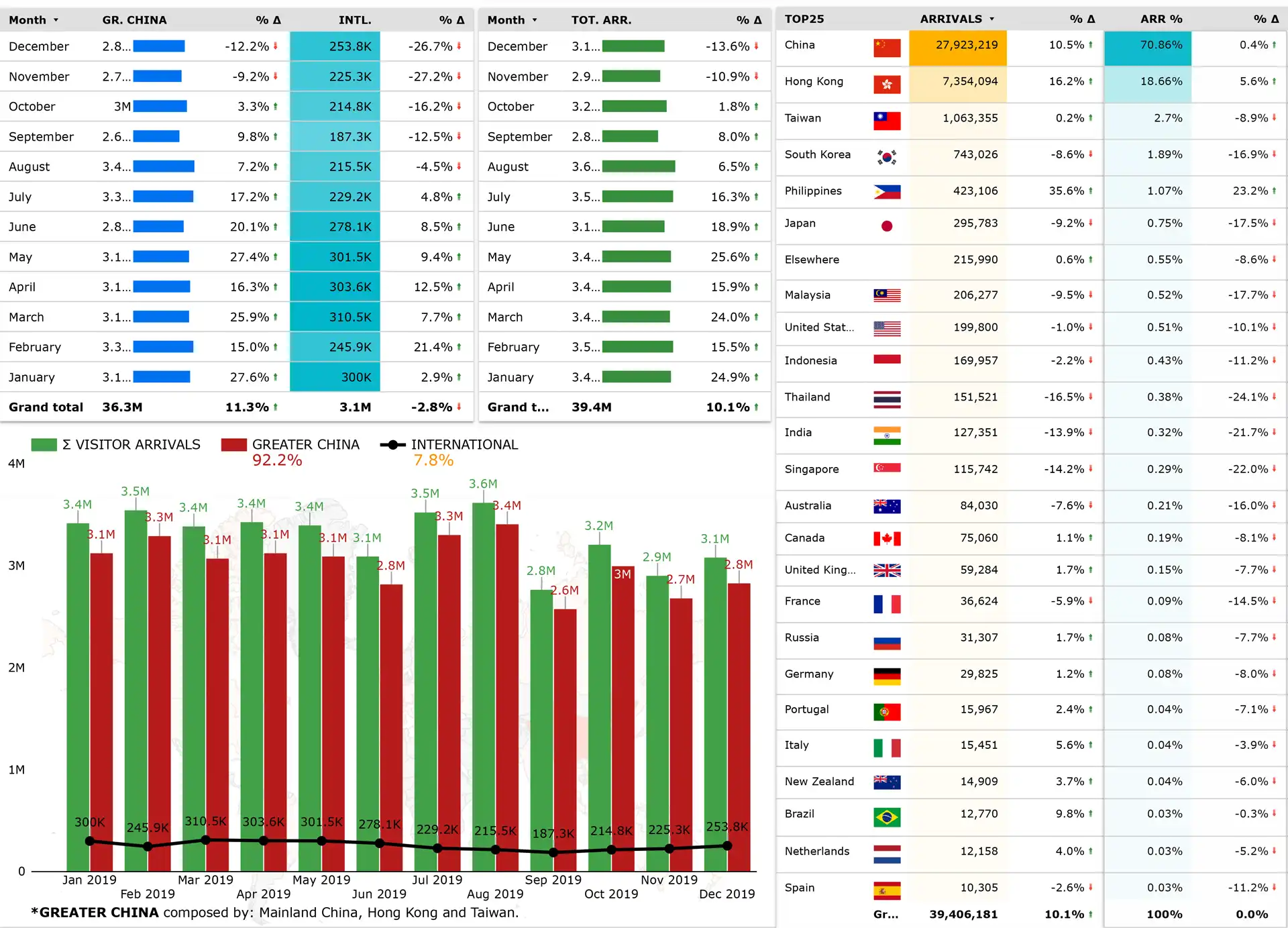
Macau welcomed nearly 40 million visitors in 2019, a year before the COVID outbreak, which is why investors in luxury products were confident in market expansion in Macau.
Macau Visitor Arrivals 2019
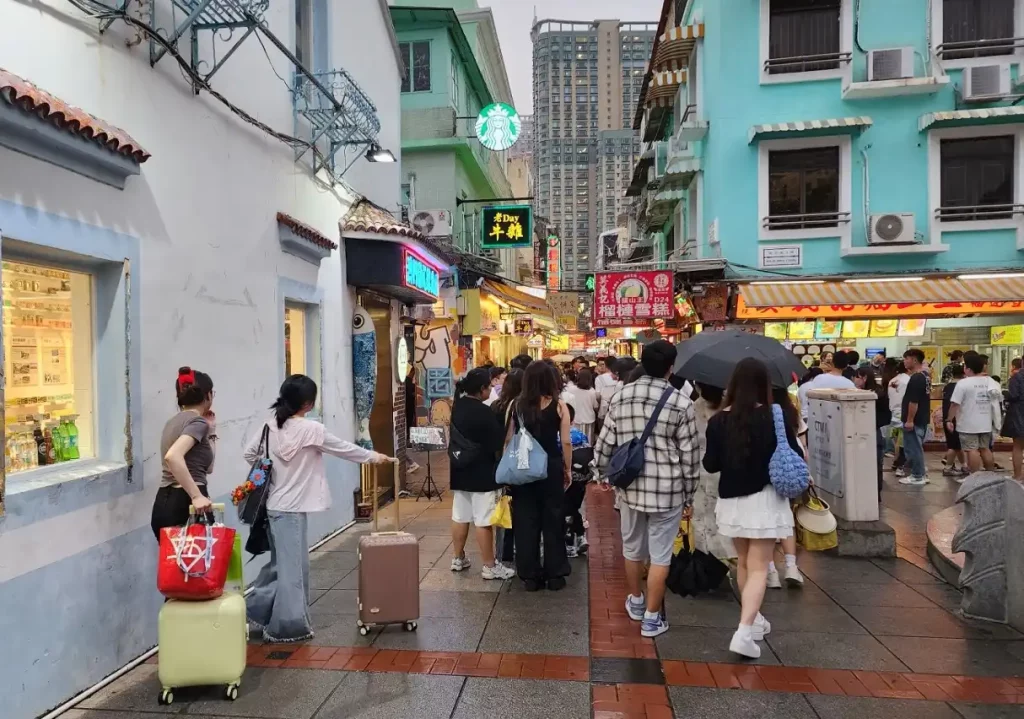
However, the tourist demographics show that more leisure and family tourists have appeared in the post-COVID era, indicating that tourists are seeking experiences rather than shopping, as in the past.
Amid increasing competition and China’s economic challenges, Nelson Kot considers that it is “too early to declare overcapacity” in Macau’s retail industry. He pointed out that DFS will open a new shop in the M8 shopping mall near Senado Square in the city center.
In this context, Kot believes that business owners are more attuned to the true data, “which helps them decide whether to shut some shops or find new locations closer to more middle-class customers instead of focusing solely on the high-end market”.
Increasing duty-free limit for Chinese visitors
The weaker-than-expected recovery in consumption in Macau and Hong Kong is also under scrutiny by the Chinese central government.
Beginning July 1st, Chinese visitors will be allowed up to RMB15,000 ($2,064) in duty-free shopping in Hong Kong and Macau, nearly doubling the current limit.
This measure was introduced as both cities have experienced a slowdown in the post-pandemic recovery of their retail and tourism industries, cornerstones of their economies, due to reduced spending by Chinese visitors.
The announcement follows previous research from investment bank CLSA that indicated Chinese visitors continue to have a high willingness to spend in Macau.
The research found that 85 percent of respondents would at least maintain their gaming budget, particularly in the base mass and premium mass segments. Additionally, 40 percent have a per-person gaming budget of above RMB25,000 ($3,460).
For non-gaming activities, 32 percent of participants would spend RMB20,001 ($2,770) or more per person.
Hong Kong Stock Exchange-listed Far East Consortium (FEC) announced a substantial increase in revenue for the financial year ending March 31st, 2024, despite facing significant challenges from ‘heightened market volatility, fluctuating interest rates, and unpredictable global economic conditions’.
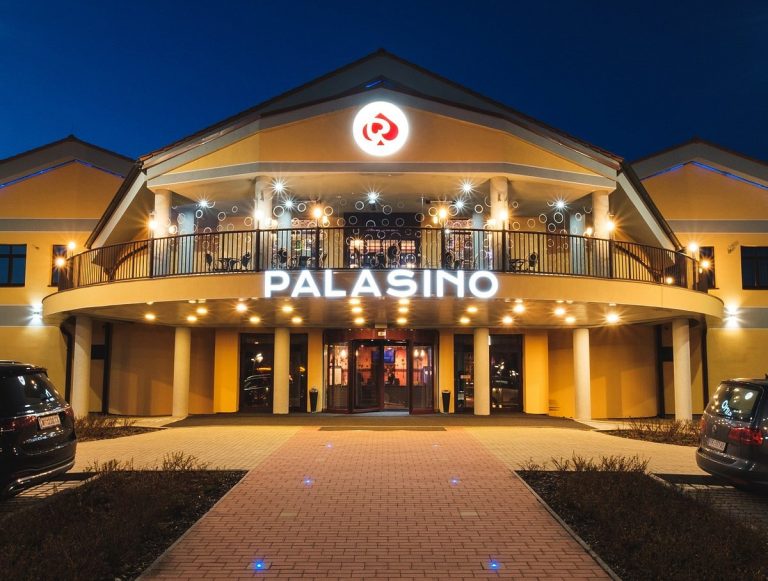
FEC, a joint venture partner with The Star and a 25 percent investor in the multi-billion dollar Queen’s Wharf Brisbane project, saw significant growth. Its subsidiary Palasino Holdings Limited, a European gaming and leisure company, operates casinos in the Czech Republic.
The group reported revenue of approximately HK$10.2 billion ($1.31 billion) for FY24, a 57.5 percent increase from the previous year. Gaming revenue increased 3 percent year-on-year to HK$402.4 million ($51.5 million).
‘The group’s gaming business has consistently shown signs of recovery and growth. Additionally, the Palasino Group reinstated its online gaming license in Malta in November 2023 and has plans for a soft launch of its service in Malta during FY2025,’ FEC stated in its financial report.
Overall, FEC ended the financial year with approximately HK$3.2 billion ($410 million) in adjusted gross profit, a 61.4 percent increase compared with HK$2.0 billion ($256 million) for FY2023.
The group’s major business divisions experienced growth, driven by the settlement of property developments, increased contributions from recurring income ventures, and divestment of non-core assets.
Revenue from property development reached HK$8 billion ($1.02 billion), up 91.6 percent from FY23, as FEC initiated the handover of West Side Place (Towers 3 and 4) in Melbourne and Hyll on Holland in Singapore, significantly contributing to revenue.
The cumulative attributable presale value of properties under development and unbooked contract sales amounted to approximately HK$11.5 billion ($1.47 billion).
Hotel operations saw a 31.2 percent year-on-year revenue increase to approximately HK$2 billion ($256 million), with FEC’s hotel business in mainland China improving as travel restrictions were lifted.
Hong Kong hotel properties transitioned from quarantine guests to business and leisure travelers, increasing demand. The Ritz-Carlton Melbourne and Dorsett Melbourne, opened in March and April 2023, respectively, contributed to the revenue growth.
Strategic Divestment and Acquisitions
FEC continued divesting non-core assets to reinvest in high-return projects and repay bank borrowings. The group sold 130 units of Dorsett Bukit Bintang in Malaysia and the Sheraton Grand Mirage Resort on the Gold Coast, Australia.
The Sheraton Grand Mirage sale was also part of The Star’s efforts to raise funds amongst its ongoing financial transition and regulatory inquiries.
FEC also disposed of the office component of the Kai Tak commercial development in Hong Kong for HK$3.38 billion ($432 million) and is considering selling long-lease residential blocks in Baoshan, Shanghai, and evaluating other non-core assets for potential divestment.
Despite the challenging economic environment, FEC notes that it remains focused on reducing debt levels, minimizing finance costs, and achieving satisfactory revenue.
‘As the global travel industry rebounds, FEC continues to leverage opportunities in key markets, positioning itself for future growth and success,’ the group stated.
Beginning July 1st, Chinese visitors will be allowed up to RMB15,000 ($2,064) in duty-free shopping in Hong Kong and Macau, nearly doubling the current limit. This move aims to support the cities’ recovery from the impact of the pandemic.
The duty-free limit will be increased to RMB12,000 ($1,652) from the current RMB5,000 ($688), while the existing tax waiver on RMB3,000 ($413) worth of shopping at duty-free stores at the borders will remain in place, according to statements released on Friday by Hong Kong, Macau, and China’s Ministry of Finance.
The Macao Government Tourism Office (MGTO) notes that this initiative by the central government will further enhance mainland tourists’ desire to shop in Macau, attract visitors to explore and spend within the community, increase foot traffic, and stimulate the local economy.
Meanwhile, this new measure is anticipated to generate up to HK$17.6 billion ($2.25 billion) in annual spending in Hong Kong, contributing up to HK$5.4 billion to its economy, according to a statement from the Hong Kong government.
The change will take effect on July 1st, coinciding with the 27th anniversary of Hong Kong’s handover from the UK to Beijing.
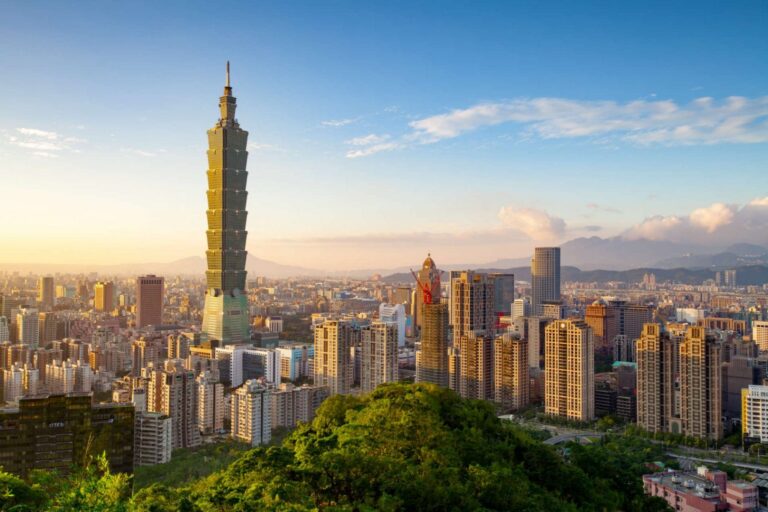
The instability in the Taiwan Strait is starting to impact Macau’s tourism, as Taiwan’s Mainland Affairs Council (MAC) announced on Thursday that it has raised its travel alert for China, Hong Kong, and Macau to the second-highest level, an orange alert.
This advisory urges Taiwanese citizens to avoid unnecessary travel to these regions due to growing safety concerns.
According to data from the Statistics and Census Service (DSEC), Macau received 14.2 million visitor arrivals from January to May this year. Taiwan has long been the third-largest source market for Macau.
From January to May this year, Macau welcomed 89,047 tourists from Taiwan, accounting for 2.3 percent of the total visitor arrivals.
For the whole year of 2023, 508,489 Taiwanese citizens visited Macau.
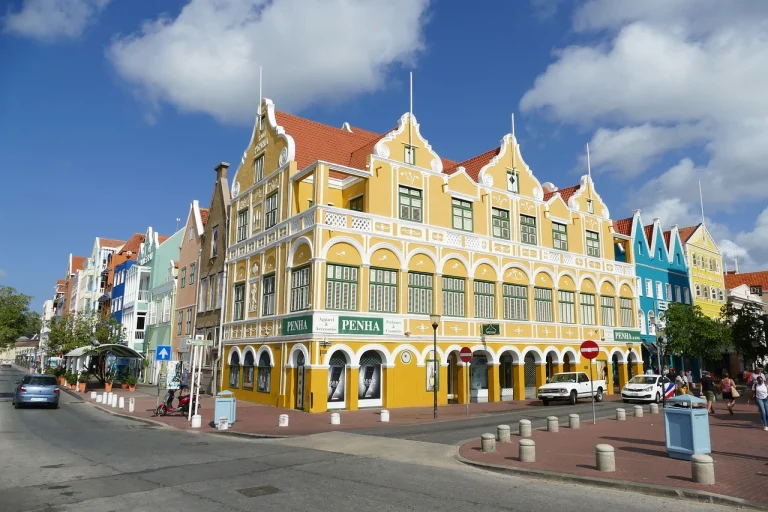
One of the existing Curacao master license holders has officially announced that its license will expire on August 18th.
Gaming Servicer Provider N.V., better known as Gaming Curacao, sent out an email late Friday night informing its client base about the impending changes. In it, the company referred to the changes being implemented by the Curacao government:
“The Minister of Finance and the Curacao Gaming Control Board (GCB) have restructured the jurisdiction to provide direct licensing from the GCB. As a result, Gaming Curacao’s Master License (365JAZ) will not be extended and will expire on August 18th, 2024.”
The announcement went further to say any reference online to the company’s logo or master license after this date will be fraudulent and not supported or endorsed by the Curacao government. The company also advised its customers to ensure all data backups including player information, games played, payment information and correspondence are up to date through August 18th.
The changes to the Master License validity will also affect the other master licensees in the island nation, who will all see their existing licenses expire in August. This effectively brings the Curacao licensing framework of old to an end.
The Curacao government is currently revamping its licensing regime, with a new law, the Landsverordening op de kansspelen (Lok), due to replace the current regulations that are still being used during a period of transition and with stricter implementing rules.
Good Morning. Macau’s gaming market continues to be of interest, with the second quarter results showing a slight discrepancy for the larger operators as they aim to increase their base mass revenue, notes an analyst. Meanwhile, Thailand is proving to be more complicated than initially anticipated, while the UAE also poses its own new questions. On another flank, sports betting is heating up, as the UEFA Euro 2024 continues, with significant interest from Asian punters.
What you need to know
Macau operators need to focus on their mass and premium mass strategy, even as the IVS brings benefits, meanwhile Thailand and the UAE draw eyeballs: analyst.
Interest in the UEFA Euro 2024 is considerably high globally, with Africa and the Asia-Pacific region standing out in their excitement for the competition.
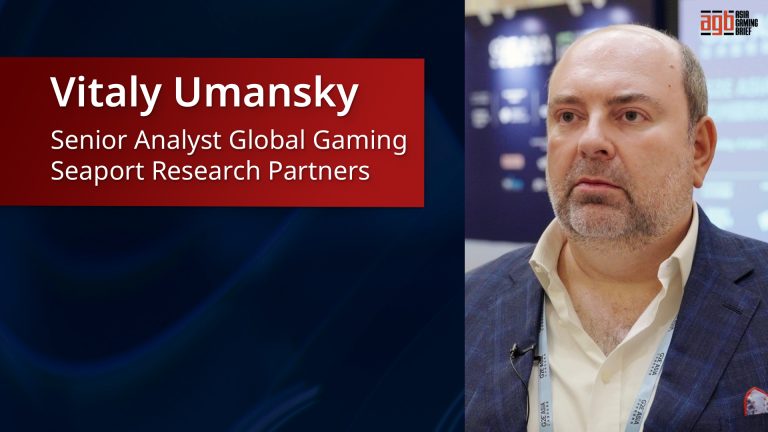
Veteran analyst Vitaly Umansky says that Macau’s second quarter data is looking optimistic, as April and May started strong, lifting results. However, operators are needing to focus strongly on both mass and premium mass to drive revenues up, as competition increases, even as the market should continue to grow. Meanwhile, Thailand is turning out to be more complicated than initially expected, with political uncertainty. And the UAE poses an interesting opportunity, with Wynn’s project potentially facing competition.
Veteran analyst Vitaly Umansky says that Macau’s second quarter data is looking optimistic, as April and May started strong, lifting results. However, operators are needing to focus strongly on both mass and premium mass to drive revenues up, as competition increases, even as the market should continue to grow.