Play’n GO brings the blazing Great Plains back to life with Beasts of Fire Maximum, a new 5×4 release filled with exciting features such as Charging Fire Beasts, Expanding Reels, and Maximum Burning Spins.
Narratively, players return to the Great Plains, where the legend of the mighty buffalo, first ignited by a mysterious meteor, began in the original Beasts of Fire (2021). Now, in Beasts of Fire Maximum, these legendary creatures have evolved, their fiery power even more formidable as they fiercely protect their land.
In this latest chapter, the buffalo’s unstoppable energy surges through the reels, ready to defend their territory. Harness their raw power and charge alongside these mythical beasts once again.
In terms of gameplay, gamers will encounter several standout features. Charging Fire Beasts brings additional Buffalo symbols to the reels, creating the potential for larger wins on any spin. The Great Plains are all to play for with Expanding Reels.
The Expanding Symbols (synonymous with The Dead series) are triggered by landing Scatter symbols, unlocking additional rows, and expanding opportunities for payouts. Meanwhile, Maximum Burning Spins activate when three Scatters land, expanding the reels to their maximum height and offering enhanced winning potential.
Thematically, players may feel this title harkens back to a handful of Play’n GO classics – namely Wild North (2015) and Viking Runecraft 100 (2023) – with their unforgiving terrains, naturalistic focus, and riveting narrative. But of course, this time, the heat has very much been turned up!
Magnus Wallentin, Games Ambassador at Play’n GO, said: “Beasts of Fire Maximum takes everything players loved about the original and amplifies it. The unique mechanics combined with the evolving narrative and visually striking design will keep players coming back for more.”
1xBet, a top global bookmaker continues to gather nominations for the most prestigious awards in the betting and gambling industry. This time, the brand has reached the SiGMA Europe Awards 2024 final and is competing for victory in 5 categories.
Best Influencer Collaboration 2024;
Best Mobile Sports Betting App 2024;
Best Online Sportsbook 2024;
Best Mobile Casino Operator 2024;
Best E-Sport Operator 2024.
Winners will be determined by a prestigious jury of industry experts and online voting results. The award ceremony will be held on November 12 at the MMH exhibition center in Valletta, Malta.
“We are grateful to the professional community for their high evaluation of our work. Last year, 1xBet was nominated in three categories, and today we are competing for victory in five. This confirms the success of our chosen strategy. The European region is of strategic importance for our company, and we continuously enhance our product to meet high customer expectations,” stated a 1xBet representative.
This year, 1xBet has already won several prestigious international awards. Specifically, the brand was named the Best Sportsbook of the Year at the SiGMA Africa Awards 2024, recognized as the Affiliate Company of the Year by the International Gaming Awards 2024, and became the laureate of the Best eSports Operator 2024 in Latin America at the SiGMA Americas Awards 2024.
Despite the slight quarterly decline in net revenue, Sands China‘s gross gaming revenue (GGR) market share remained largely unchanged quarter-over-quarter at 24 percent, notes Citigroup.
Analyst George Choi notes that Sands China’s net revenue for the third quarter dropped by 1 percent year-over-year to $1.77 billion, although it saw a slight increase of 1 percent quarter-over-quarter.
In terms of gaming segments, premium mass GGR saw a notable increase of 16 percent year-over-year, amounting to $702 million for the quarter. In contrast, base mass GGR declined by 7 percent year-over-year to $636 million.
Overall, total mass table GGR increased by 4 percent year-over-year to $1.34 billion, despite a 2 percent decline quarter-over-quarter. Slot GGR grew by 5 percent year-over-year and remained flat compared to the previous quarter.
VIP GGR experienced a 5 percent year-over-year decline to $177 million, largely due to a lower hold of 3.23 percent compared to 3.82 percent in 3Q23.
The property EBITDA decreased 7 percent year-over-year to $585 million but rose 4 percent from the previous quarter. This figure slightly surpassed Citigroup’s forecast of $576 million and exceeded consensus expectations of $545 million.
After adjusting for the minor impact of the VIP hold, property’s EBITDA would have reached $587 million. The luck-adjusted EBITDA margin fell by approximately 1.8 percentage points year-over-year, landing at 33.1 percent in 3Q24. However, without the disruptions at the Londoner, this margin would have been 35.1 percent. The luck-adjusted EBITDA indicates a recovery of about 77 percent compared to 3Q19 levels.
EBITDA recovery to accelerate after Londoner Grand online
The brokerage indicates that despite the significant disruptions from the Londoner, Sands China achieved a 4 percent increase in EBITDA for 3Q24, beating consensus estimates by 7 percent. Citigroup anticipates that Sands China’s EBITDA recovery will accelerate as the Londoner Grand comes back online, projecting further improvements through to 2Q25.
While retail sales across Asia have been weak, Sands China’s management emphasizes that gaming demand in Macau remains strong, showing double-digit growth year-over-year in 3Q24.
Additionally, management indicated a possibility of resuming dividends in FY25, with a projected dividend per share of HK$0.75, suggesting a yield of around 4 percent.
In light of these results, Citigroup has raised its target price for Sands China from HK$25.80 to HK$26.30, reflecting the latest operational trends. The bank continues to view Sands China as a top pick in Macau, particularly due to its significant new supply set for next year, including a renovated casino and an additional 2,400 rooms and suites at the Londoner Grand.
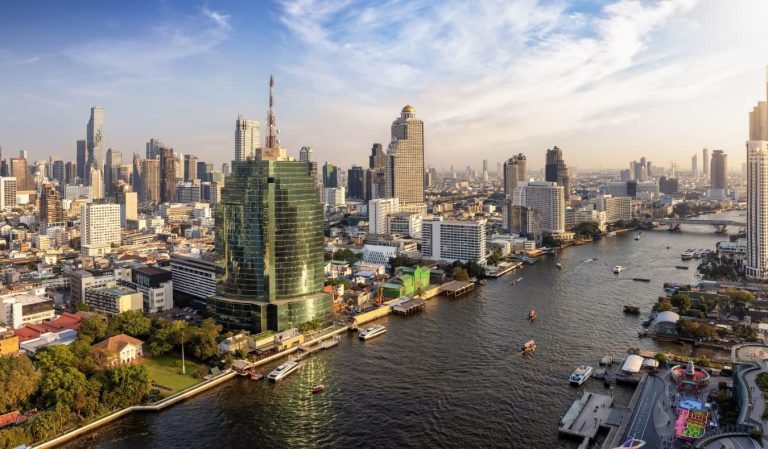
The draft law on entertainment complexes in Thailand is expected to be submitted to the cabinet for consideration this year, according to Deputy Finance Minister Julapun Amornvivat.
Julapun Amornvivat, Thailand’s Deputy
Finance Minister
The draft, which aims to legalize casinos in the country, recently underwent a public hearing, as required by the constitution, with 82 percent support. This figure was publicly announced for the first time, as previous reports only indicated that a majority of participants supported the draft bill.
According to the Bangkok Post, Julapun stated that – following cabinet approval – the administration will forward the draft law for parliamentary deliberation.
The House of Representatives is set to reconvene from mid-December until April next year.
A study by the Fiscal Policy Office (FPO), a policy unit of the Ministry of Finance, suggests that establishing entertainment complexes in Thailand could attract an additional 5 to 20 percent of foreign tourists, increasing spending per visitor from the current THB40,000 ($1,183).
The entertainment complexes featuring casinos are anticipated to boost the Thai economy, both during the construction phase, which requires significant investment and after their completion.
They aim to attract tourists and create jobs for local residents. “I hope as many Thais as possible will be employed in the entertainment complexes, which may require training to ensure they have the necessary skills,” he noted.
Adjustments after public hearing
As previously reported, the public hearing conducted between August 2rd and 18th, 2024, is wrapping up, with the FPO compiling a report that includes 45 significant recommendations.
Among these recommendations, a key proposal is to rename the legislation from “Entertainment Complex with Casino” to the “Integrated Resort Act.” This change seeks to more accurately represent the diverse offerings of the proposed developments.
Participants also suggested increasing the number of allowable entertainment activities within each complex from four to seven. This expansion would incorporate dedicated areas for showcasing Thai culture, thereby enhancing the resorts’ overall appeal.
Additionally, there was a recommendation to modify the shareholder composition within these complexes, with participants advocating for Thai ownership to be between 30 percent and 51 percent.
The hearings also discussed the duration of licenses for the entertainment complexes. Some participants proposed reducing the license validity from 30 years to 10, while others suggested extending it to between 50 and 60 years. There was also a proposal to limit the number of entertainment complexes in the country to between three and seven.
In terms of location, participants recommended that these complexes be strategically placed in popular tourist destinations such as Phuket, Chiang Mai, Chonburi, Rayong, or Hua Hin, rather than in Bangkok.
For private investors, the draft law stipulates a minimum registered capital of THB10 billion (roughly $300 million). The government will evaluate proposals based on what companies can offer and the types of projects desired.
The draft legislation also specifies that the entry fee for Thais wishing to enter a casino must not exceed THB5,000 ($148) per visit. Licenses for the complexes will be valid for 30 years, renewable in 10-year increments, with a license fee set at THB5 billion ($148 million) and an annual fee of THB1 billion ($30 million).
Good morning. The grass is always greener where you’re legally allowed to operate. For Philippine Offshore Gaming Operators (POGOs) the end of the age is coming, and they’re now looking to Europe, Vanuatu, and other regions to find the proper jurisdiction that suits their needs and encourages their growth. The Philippines will still need to negotiate the aftermath of the exodus, both for employment and lost revenue streams. Meanwhile, Las Vegas Sands saw a dip in its 3Q24 results, based on a low hold in Singapore and continued construction at The Londoner, but the group is firm in its capital expenditure plans.
The mandated closure of Philippine Offshore Gaming Operators (POGOs) by year-end has presented operators in the space with significant problems, while also providing opportunities for jurisdictions who are receptive to offshore operations. Expert Daniel Li points out how operators are likely now looking to Europe, Vanuatu, and other jurisdictions as they’re forced out of the Philippines.
Altenar, a leading sportsbook provider is bringing its global expertise to Asia, looking to expand its operations. Since 2011, Altenar has powered hundreds of online sports betting sites worldwide and is a major B2B provider in Europe and Latin America licensed markets.
For global betting company 1xBet, Asia is a key market for several reasons. This is why 1xBet pays special attention to the Asian market and actively promotes its sports betting platform and the most popular gambling games on the continent.
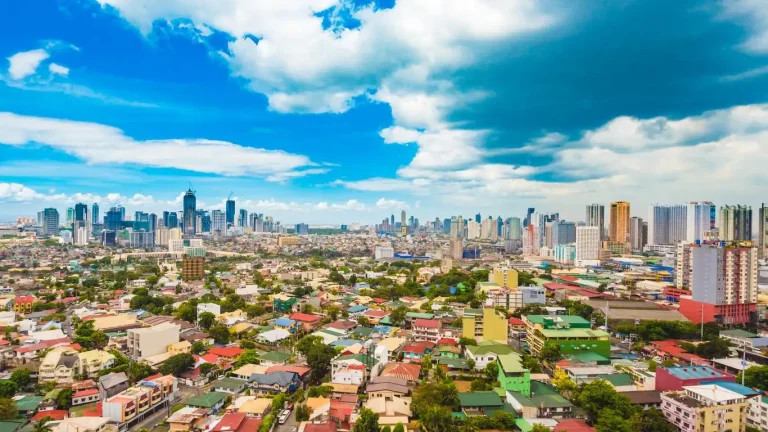
The ban on Philippine Offshore Gaming Operators (POGOs), announced in July with immediate effect, has sent shockwaves through the gambling industry.
Daniel Li, gaming expert
With the government mandating that all POGOs wind down operations by the end of the year, an exodus of offshore operators now seems imminent.
In comments to AGB, gaming expert Daniel Li emphasizes that this pivotal moment in the offshore gambling landscape compels operators to navigate a complex web of regulatory challenges and legal risks, which will ultimately influence their relocation decisions.
Li notes that for those operators seeking to legitimize their businesses under a new regulatory framework, “relocation outside ASEAN, particularly to more mature European jurisdictions where offshore gaming licenses are well-established, may be necessary.”
This is due to Europe offering a stable and well-regulated environment, providing a clearer legal pathway for these businesses.
In addition to Europe, Li mentions emerging countries in the Asia-Pacific region, such as Timor-Leste, Vanuatu, and Papua New Guinea, as potential relocation targets.
“These countries have nascent gaming regulations and, although underdeveloped, offer an opportunity for offshore operators to establish themselves in a new market.” However, challenges remain, including a lack of robust regulatory bodies, well-defined legal frameworks, and adequate infrastructure.
“If these countries manage to implement comprehensive regulations, the benefits could be substantial, including increased infrastructure investment, job creation, and enhanced tax revenues from licensing fees, duties, and other levies. However, building the necessary regulatory capacity will be crucial to ensure these benefits are realized,” Li emphasizes.
While the proximity of these emerging markets may seem appealing, they also pose significant risks. Li cautions that “many ASEAN nations continue to prohibit online gambling,” which could result in legal repercussions for operators who relocate there.
Despite improvements in enforcement efforts in the Philippines, Thailand, and Cambodia, the sophisticated nature of operators complicates compliance. “Operators have become increasingly mobile and sophisticated, using advanced technologies to evade detection,” Li notes, underscoring the ongoing challenges in regulatory enforcement.
Earlier this month, Philippines Justice Secretary Jesus Crispin Remulla issued a warning to Timor-Leste regarding the potential relocation of offshore gaming operations to their country. Meanwhile, some reports claim that Cambodia, as well as Vietnam and Laos, may be the next stops for POGOs.
Philippines’ unique position in offshore gambling
From the beginning, the offshore gaming industry has achieved prominence due to various factors, including the COVID-19 pandemic, which significantly boosted online activities, as well as the friendly legal framework in the country.
Li notes, “The Philippines was, until recently, the only country in ASEAN to officially license offshore gambling operations through its Philippine Offshore Gaming Operator (POGO) scheme.” This regulatory framework attracted both legitimate global operators and those seeking to exploit the system for illegal activities.
Consequently, the Philippines emerged as a regional hub for online gambling, drawing an influx of operators. However, this unique position also led to regulatory circumvention, prompting the government to reconsider its stance on POGOs.
As the government moves to phase out POGOs, the consequences are becoming increasingly apparent. “An exodus of offshore operators seems inevitable,” Li states, emphasizing the urgency for operators to reevaluate their business strategies in light of the ban.
Ban order follow-up
Although the POGO ban was announced with immediate effect, Winston John Casio, spokesperson for the Philippines’ Presidential Anti-Organized Crime Commission (PAOCC), updated on October 20th that 38 POGOs are still legally operating in the country.
The Bureau of Immigration reported that over 12,000 foreign workers from discontinued POGOs have applied to downgrade their working visas, a figure that represents less than half of the 30,000 foreign workers previously employed in the sector.
Some unemployed foreign POGO workers are reportedly trying to find alternatives to extend their stay, despite the country now reiterating that there are no exceptions for departures.
The Philippines’ gaming regulator, the Philippine Amusement and Gaming Corporation (PAGCOR), is also being requested to assist in facilitating the return of foreign POGO workers.
Additionally, there may still be more than 100 illegal POGO hubs operating underground throughout the country. Meanwhile, some Filipinos, primarily former POGO workers, have been found managing independent scam farms. This situation also creates new challenges for the authorities as they attempt to resolve the complicated issues surrounding POGOs.
Estimates suggest that nearly 20,000 Filipino workers were employed in the POGO industry and are now facing unemployment or have already lost their jobs following the ban.
“Lower than expected hold in Singapore and the impact of disruption from […] ongoing development work at the Londoner” brought down Las Vegas Sands’ results in the third quarter, according to its most recent financials.
The group saw annual drops in most of its Macau properties, except for Parisian and The Plaza and Four Seasons, while revenue from Marina Bay Sands also retracted slightly.
Overall casino revenue group-wide still totaled $1.93 billion, down by 3.6 percent yearly, while overall group net revenue hit $2.68 billion, a 4 percent drop.
Net income for the group totaled just $353 million, compared to $449 million in 3Q23, while consolidated property EBITDA fell to $991 million, from $1.12 billion in 3Q23.
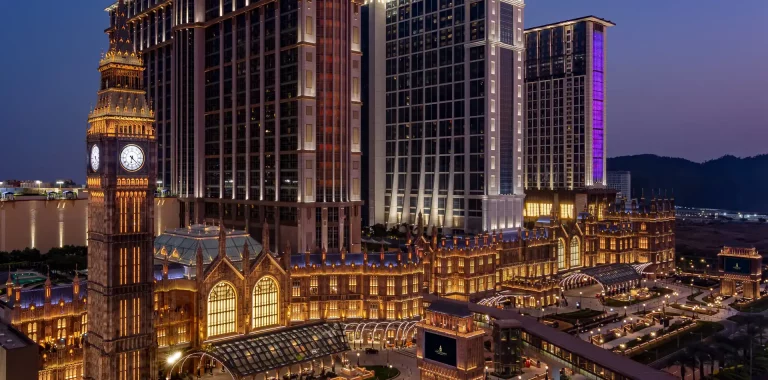
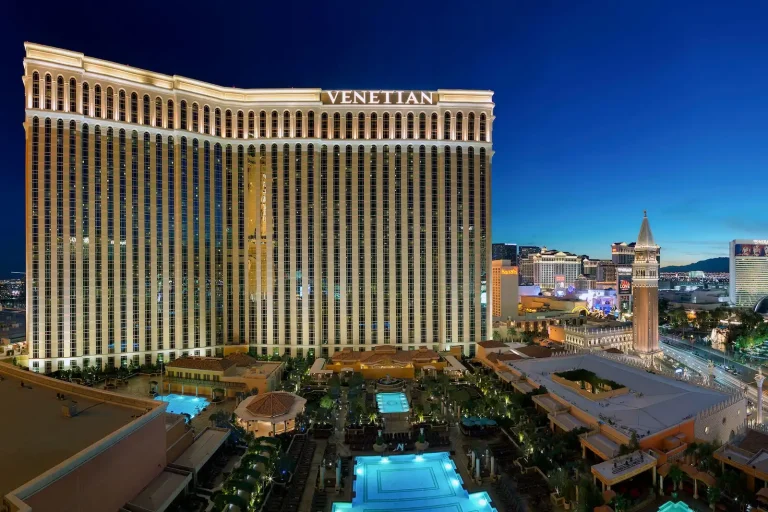
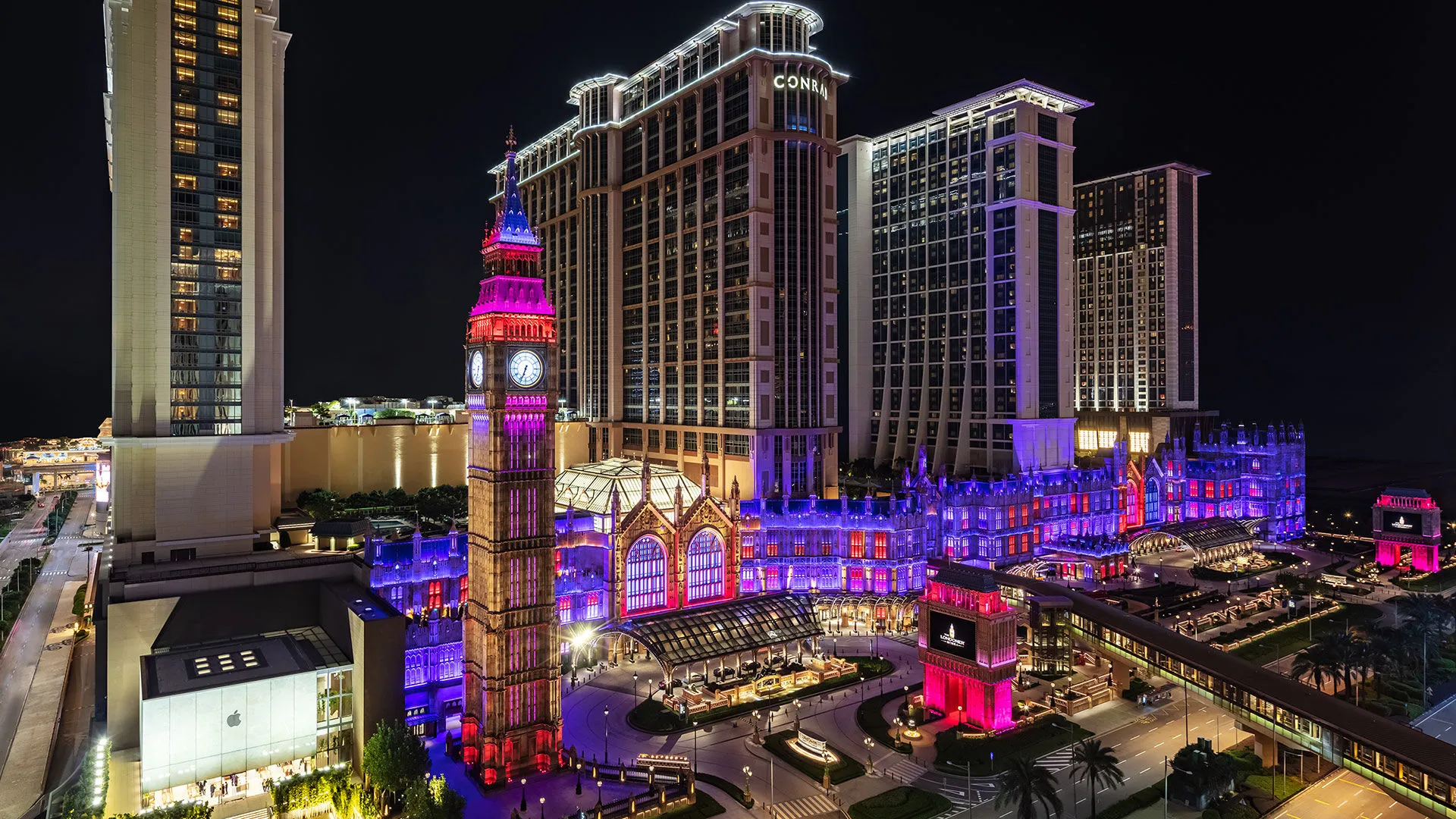
During the quarter, revenues from The Venetian contracted by 4.3 percent – to $692 million. The Londoner similarly experienced a decline, attributed to ongoing construction, with a yearly drop of 11.2 percent to $460 million, a scenario predicted by analysts at the beginning of the quarter.
The Venetian MacaoThe Londoner Macao
However, the group’s Parisian venue saw a slight uptick in revenue, to $250 million from $244 million in 3Q24. In comparison, The Plaza and Four Seasons saw a sharp increase to $257 million versus $192 million in 3Q23.
Properties revenue breakdown
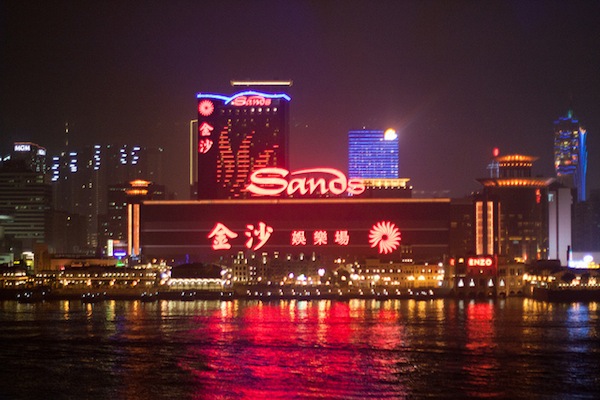
Sands Macao
Sands Macau continued to be the smallest Macau contributor, at $81 million, down from $83 million in 3Q23.
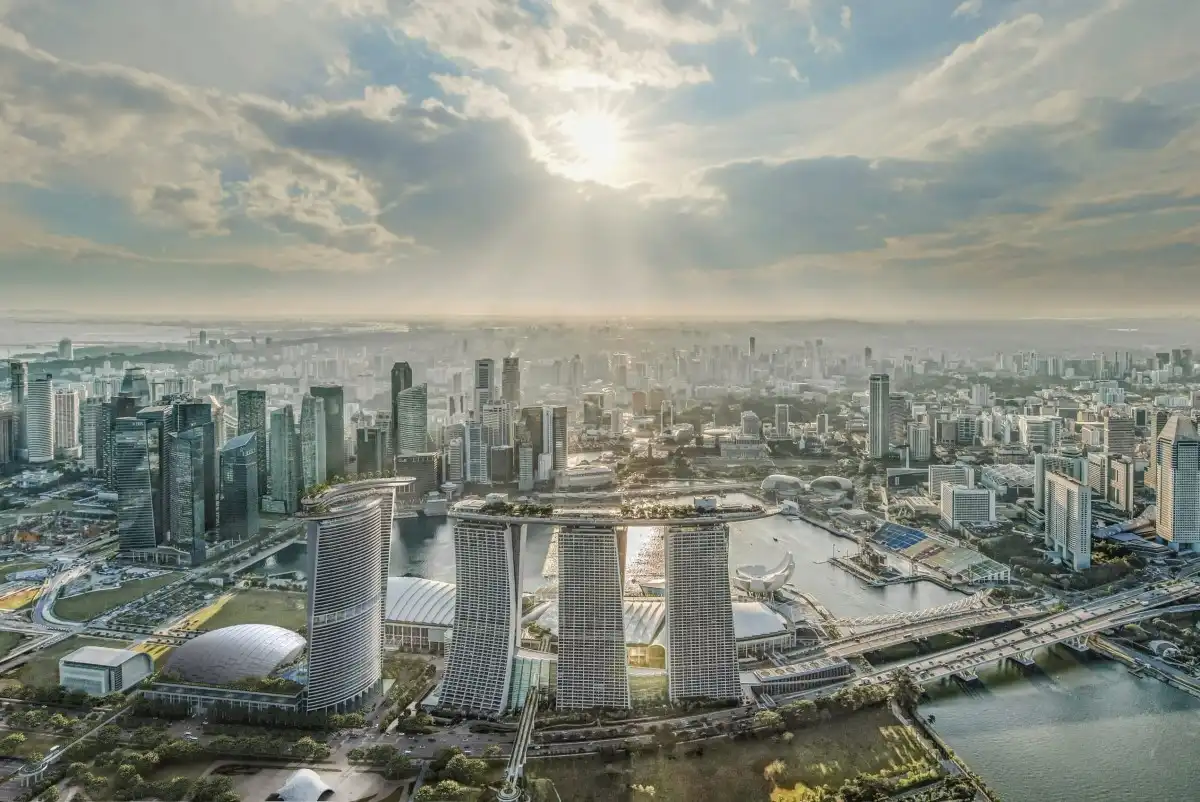
Marina Bay Sands contributed some $919 million in revenue during the quarter, down from $1.01 billion in the same quarter of last year.
Marina Bay Sands, Singapore
Rolling chip volume at The Venetian increased in 3Q24 – to $1.12 billion from $853 million in 3Q23, while hotel occupancy topped out at 98.8 percent. Casino revenue was down by $21 million yearly, to $554 million.
The Londoner was the second-largest gaming revenue contributor for Macau – at $338 million, down by $33 million for the same quarter of last year. Room revenue however contracted by nearly 30 percent, despite maintaining 97.7 percent occupancy. Rolling chip fell by $13 million, to $1.54 billion.
The Parisian Macao
The Parisian saw casino revenue rise by $8 million yearly, hitting $189 million, while room revenue was largely flat, with hotel occupancy at 98.5 percent. Rolling chip at the property was just $169 million, down by $108 million from 3Q23.
The Plaza and Four Seasons benefited from strong rolling chip volumes, up by 26.5 percent yearly, to $2.61 billion, however, casino revenue totaled just $182 million – still a $74 million increase from 3Q23. Hotel occupancy tapped out at 93.2 percent.
Sands Macau saw a dismal $26 million in rolling chip volume, still up by $12 million yearly, with casino revenue hitting $73 million, up by just $2 million yearly. Hotel occupancy was 99.4 percent.
Marina Bay Sands saw the best rolling chip volume of LVS’ properties – at $6.55 billion – still a drop of $1.59 billion from the same quarter of last year. This drove casino revenue to $600 million, from $698 million in 3Q23. Hotel occupancy fell slightly, to 94.7 percent.
Robert Goldstein, CEO, Las Vegas Sands
Speaking of the results, Robert Goldstein, Chairman and CEO of Las Vegas Sands, noted “Our financial strength and industry-leading cash flow continue to support our ongoing investment and capital expenditure programs in both Macau and Singapore, our pursuit of growth opportunities in new markets and our program to return excess capital to stockholders”.
The Indian government is intensifying its crackdown on social media influencers promoting online gambling.
The move marks a significant step in curbing unregulated betting activities across the country. The online gambling market in India has grown rapidly, with its value reaching an estimated $2.7 billion in 2023, and influencers have played a key role in promoting these platforms.
To protect vulnerable consumers, especially the youth, authorities have begun issuing warnings and pursuing legal action against those who advertise online betting sites. The Ministry of Information and Broadcasting (MIB) has made it clear that promoting gambling websites is a violation of Indian law, as many of these platforms operate without proper regulation. Recently, legal cases have been filed against influencers who market these services on popular platforms like Instagram and YouTube.
Many gambling operators use enticing offers such as no deposit free spins to attract users, often highlighted on India-focused affiliate websites. These promotions can lure consumers into engaging with gambling platforms without fully understanding the risks, a practice that authorities are determined to curb.
Influencers have become a crucial marketing tool for online gambling platforms, promoting games like poker, rummy, and other betting activities to their large followings. These promotions often paint a glamorous picture of gambling, emphasizing potential cash rewards while downplaying the risks of addiction and financial losses. This has made it easier for online gambling sites to penetrate the market, especially during peak seasons like the cricket season, when betting activities are expected to surge.
In response, the MIB has issued advisories warning influencers against promoting offshore gambling sites. These advisories emphasize that such activities are illegal under the local Information Technology (Intermediary Guidelines and Digital Media Ethics Code) Rules of 2021. Influencers who continue to promote these platforms face the risk of severe penalties, including substantial fines and even jail time.
States like Tamil Nadu have taken a particularly strong stance against these promotions. The Tamil Nadu Online Gaming Authority (TNOGA) has issued show-cause notices to influencers involved in promoting gambling platforms. Violators can face high fines or imprisonment for up to three years, signaling a serious intent to enforce the law.
Social media platforms themselves have also come under scrutiny. The Indian government has called on these platforms to enhance their content moderation policies, urging them to detect and remove gambling-related promotions more effectively. Additionally, there is a push for platforms to educate users about the dangers of gambling addiction, further tightening the noose around unregulated gambling promotions.
The rise of influencer-promoted gambling content raises broader concerns about its impact on society. Gambling addiction can lead to severe financial strain, damaged relationships, and significant mental health challenges, particularly among younger audiences who are more susceptible to the influence of online personalities. Critics argue that influencers often fail to highlight these risks, creating a misleading narrative around the ease of winning in online betting.
This crackdown is part of a larger effort by the Indian government to regulate online content that could harm public welfare. As legal actions against influencers and their platforms gain traction, the digital landscape for online gambling promotion is undergoing rapid change. The tighter regulations mean that influencers and social media companies must navigate a complex legal environment or face harsh repercussions.
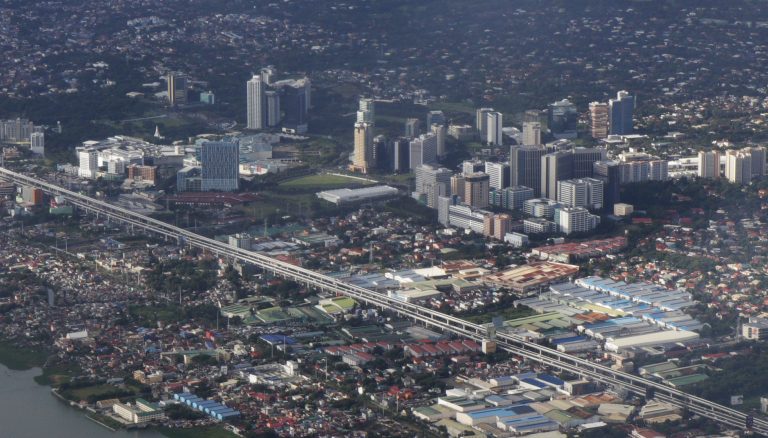
A raid on two houses in Muntinlupa City led to the arrest of eight foreign nationals suspected of being involved in illegal Philippine Offshore Gaming Operator (POGO) activities.
The operation was carried out by a team from the Department of Justice, Bureau of Immigration, and the National Bureau of Investigation (NBI), with reports highlighting the seizure of gadgets allegedly used in various scamming activities.
Justice spokesperson Mico Clavano commented on the operation, noting that the suspects believed they could evade law enforcement by operating within gated communities. “These foreign nationals thought they could carry out their illegal activities in clandestine settings, but thanks to vigilant neighbors, there is no safe place for them anymore,” Clavano stated.
The first raid resulted in the arrest of three Chinese nationals, while a subsequent raid on a second house led to the capture of four additional Chinese suspects and a Vietnamese national. Authorities are currently investigating potential connections between the suspects and a previously raided POGO hub in Porac, Pampanga.
One of the arrested suspects, speaking through an interpreter, claimed to be a businessman with plans to open a restaurant in the Philippines. He expressed an intention to return to China if business opportunities did not materialize locally. The other detainees declined to issue any statements.
The successful operation was reportedly based on tips from concerned community members. The eight suspects are now in the custody of the NBI as authorities continue their investigation into their alleged roles in illegal POGO operations.
Former Philippine Senate President Vicente “Tito” Sotto III has defended the legislation that introduced taxation for Philippine Offshore Gaming Operations (POGOs), arguing that it did not actually legalize the industry.
Sotto, who was a guest on Inquirer’s INQside Look program on Tuesday, stated that the decision to prohibit POGOs ultimately lies with the President. He acknowledged that the current administration had allowed Pogos to operate, with the Philippine Amusement and Gaming Corporation (PAGCOR) granting permits.
“It’s up to the President. Their President should’ve stopped it. But, he allowed it. PAGCOR allowed it. They allowed it. So what did Congress do? What Congress did was: ‘Hold on. The government isn’t benefiting from that. Let’s tax it.’ We did not legalize it. We merely taxed it”, Sotto said.
The former Senate President defended Republic Act 11590, the legislation passed during his tenure, which amended the internal revenue code to tax POGOs. He argued that this measure allowed the government to identify legal and illegal operators, ultimately leading to the discovery and halting of the unlawful ones.
“The good thing is we know who is paying, who is legal and who is not. That’s why we discovered the illegal ones. So instead of criticizing Congress that approved taxing POGOs, it should be praised because now the illegal ones have been discovered and stopped”, Sotto added.