Legion Gold and the Sphinx of Dead is the latest thrilling adventure in Play’n GO’s Legion Gold series, combining the military might of ancient Rome with the mysterious allure of Egyptian mythology and treasure hunting.
Set in the scorching sands of Egypt, players will command their legion through treacherous terrain in search of long-forgotten treasures buried deep beneath the desert.
As a Roman commander, players will face both Egyptian adversaries and the cryptic power of the Sphinx itself. Each spin of the reels brings players closer to uncovering the riches hidden in the sands, while their legion fights through an intense struggle between two of history’s greatest civilizations.
Key features such as Gold Re-Spins and Mega Free Spins add to the game’s strategic depth, allowing players to lock valuable Gold Coins in place and harness massive 1000x multipliers. The Mega Free Spins feature, with its colossal 3×3 Mega Symbol, sweeps across the reels like a desert sandstorm, giving players a chance to dig deeper into the Sphinx’s tomb for even greater rewards.
Fans of Legion Gold Unleashed (2024) will recognize the sense of power and command in this Roman-themed slot, while enthusiasts of titles like Rich Wilde and the Book of Dead (2016) will appreciate the Egyptian mythological elements woven into the design. With its immersive atmosphere and intricate attention to detail, Legion Gold and the Sphinx of Dead is also set to captivate players who enjoyed ancient military-themed titles like Scourge of Rome (2024) and Undefeated Xerxes (2024).
Magnus Wallentin, Games Ambassador at Play’n GO, said: “Legion Gold and the Sphinx of Dead is a monumental clash of two iconic civilizations. By combining Roman discipline with Egyptian mystery, players will feel like they are leading their own legion to claim the ultimate treasure. The adventure is truly a one-of-a-kind experience, and fans of both series will enjoy exploring this new dynamic.”
Pragmatic Play, a top content provider in the iGaming sector, has introduced its newest sweet sensation, Candy Corner. This lively cluster-pays slot is set in a vibrant, candy-themed universe where fruity confections and random modifiers come together to offer wins of up to 10,000x.
Pragmatic Play, a top content provider in the iGaming sector, has introduced its newest sweet sensation, Candy Corner. This lively cluster-pays slot is set in a vibrant, candy-themed universe where fruity confections and random modifiers come together to offer wins of up to 10,000x.
Matching six or more adjacent symbols on the 7×7 grid will trigger sweet wins. On every spin, empty spots in each corner of the grid have a chance to land one of four modifiers – direct money awards with values up to 50x, win multipliers ranging from 2x to 100x, 2-8 wilds added to random positions on the screen, and a big wild which adds a 2×2, 3×3, 4×4, or 5×5 expanded wild on the grid.
Landing 3-7 scatter symbols awards 6-14 free spins, where guaranteed modifiers come into play and more than one type of modifier has a chance to land. In the bonus game, free spin modifiers are added for a chance to retrigger the feature with up to five extra free spins.
Players in select markets can also skip straight to the feature with two bonus buy options, one of which sees a third random modifier awarded with every spin.
Candy Corneris the latest sweet sensation to join Pragmatic Play’s mouthwatering slots portfolio, following iconic hits such as Sugar Rush 1000, Sweet Bonanza 1000, and Candy Blitz Bombs.
Irina Cornides, Chief Operating Officer at Pragmatic Play, said: “Candy Corner is a sweet addition to Pragmatic Play’s popular sugar-themed slots, delivering random modifiers on any spin and wins of up to 10,000x.”
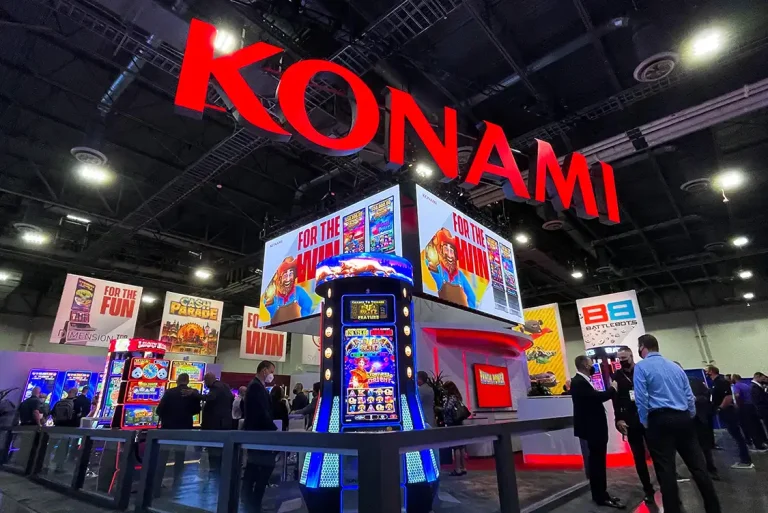
Konami Group has announced that profit from its gaming segment fell by 23.7 percent compared to the previous year, totaling JPY2.38 billion ($16 million) for the six months ending September 30th.
In a statement released on Thursday, the group reported revenue of JPY18.60 billion ($122 million) for its gaming and systems division, which includes casino equipment. This represents a decline of 2.6 percent from the same period last year.
The company attributed this downturn to a normalization in market demand during the period, contrasting with the previous year when sales spiked as the Asian market rebounded from the impacts of COVID-19.
According to Konami, the North American and the Australian markets remained “robust’. ‘The markets continue to experience the constant introduction of new products by competing slot machine manufacturers providing for new placement opportunities.’
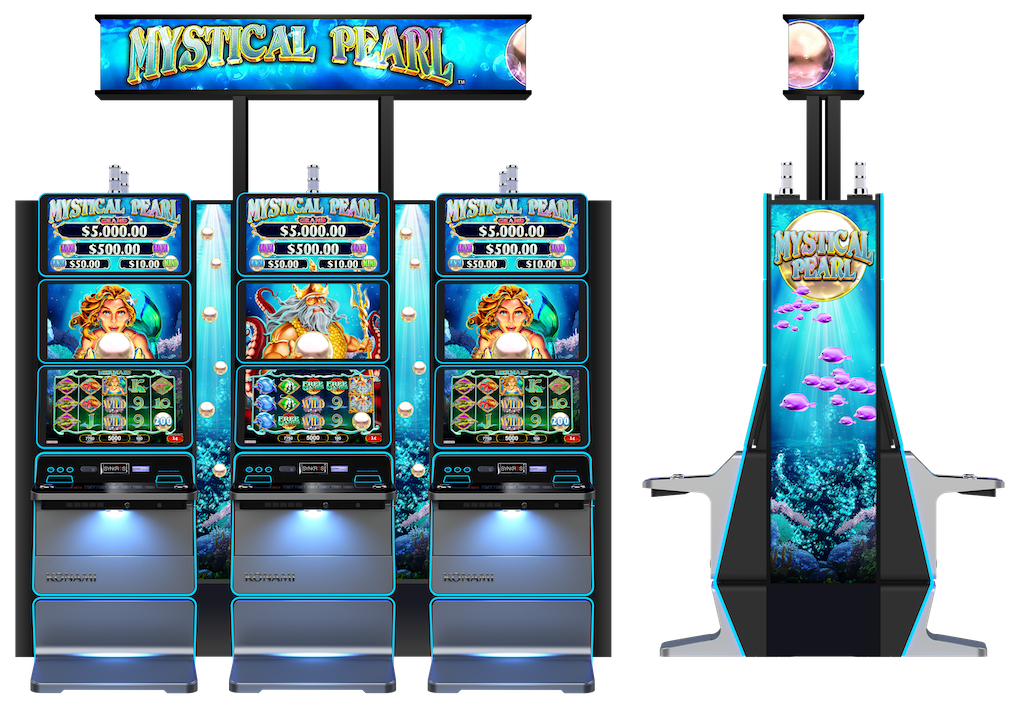
Mystical Pearl DIMENSION 27 by Konami Gaming
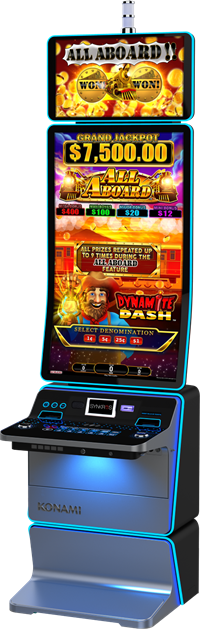
DIMENSION 49J by Konami Gaming
The Dimension 49 and Dimension 27 cabinets were highlighted as key drivers of slot machine sales during this period, with the Dimension 43×3 also showing steady growth in unit sales.
The company reported an expansion in the placement of cabinets, such as the Dimension 49J, particularly for revenue-sharing activities. Additionally, Konami’s casino management system, Synkros, has been installed in multiple large-scale casino facilities across the United States.
In the future, Konami Group acknowledged that its competitors are introducing new products, necessitating enhanced product appeal. The company plans to bolster its brand value by developing new game titles and system features while further expanding its range of Dimension cabinets and increasing sales of existing games.
In addition to its gaming segment, Konami Group is active in the Japan-focused pachinko games market, as well as in digital entertainment, including video and mobile games, and sports.
Overall, the group reported a 19.7 percent year-on-year increase in revenue, reaching JPY184.08 billion ($1.21 billion) for the six months ending September 30th.
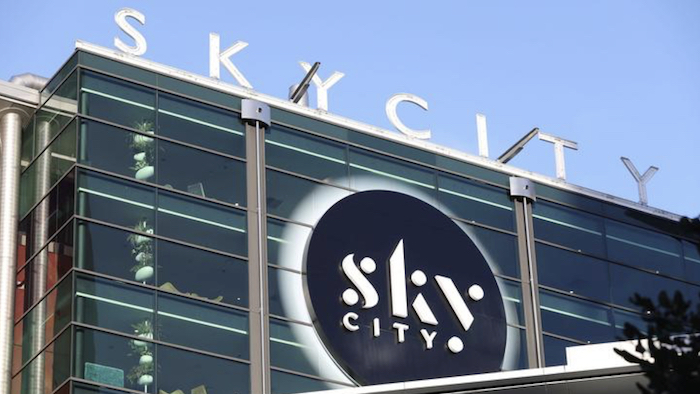
Casino operator SkyCity Entertainment Group has reaffirmed its full-year earnings guidance but anticipates that “subdued” consumer discretionary spending will negatively impact performance into 2025.
SkyCity maintains its FY25 earnings forecast, projecting an underlying group EBITDA between NZ$245 million ($146 million) and NZ$265 million ($158 million).
According to an announcement released after the annual general meeting on Thursday, the company indicates that the economic environment continues to be challenging, with cuts to interest rates potentially providing some relief. Tough conditions are expected to continue into next year, as any improving outlook is not anticipated until the second half of 2025.
Jason Walbridge, CEO, SkyCity Entertainment
CEO Jason Walbridge notes that there are ongoing regulatory matters in Adelaide, including Brian Martin KC’s independent review due by year-end. The company is working with consultancy firm Kroll to deliver improvement programs in anti-money laundering (AML) and counter-terrorism financing (CFT) and host responsibility
Additionally, the company is preparing to implement 100 percent carded play. SkyCity estimates that this shift could initially impact annual uncarded gaming revenue by 12 percent to 15 percent.
In August, the company announced it expects an impairment of its Adelaide assets by AU$86.2 million ($57.5 million) due to the mandatory carded play set to begin at its SkyCity Adelaide casino in 2026, along with increased legal and compliance costs related to uplift programs.
This initiative will require all customers to play with a unique identifier, linking all electronic gaming bets to their identities, thereby enhancing accountability in gaming operations.
SkyCity reported a financial loss of NZ$143.2 million ($88.23 million) for the year ending June 30th, attributed to a challenging operating environment that led to reduced revenue.
Although overall group revenue increased by 0.3 percent to NZ$928.5 million ($572 million), EBITDA declined by 16.7 percent year-over-year, reaching NZ$138.2 million ($85.15 million), partly due to the impact of significant accounting adjustments.
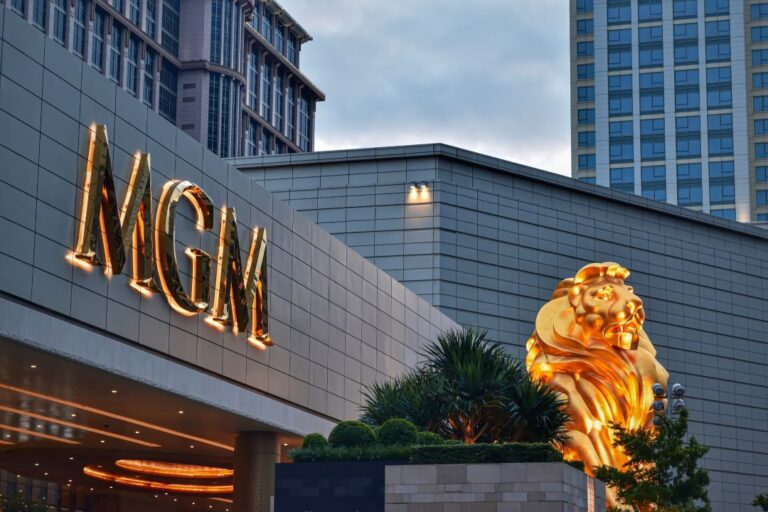
Analysts indicate MGM China Holdings reported underwhelming3Q24 results, with property EBITDA falling short of expectations due to increased non-gaming expenditures, potentially signaling challenges in maintaining margins.
According to CLSA’s recent analysis, MGM China’s property EBITDA for 3Q24 declined by 19 percent quarter-on-quarter to HK$1.98 billion ($255 million), falling 2 to 3 percent below consensus estimates and CLSA’s forecasts. Increased spending on non-gaming events and ongoing property refurbishments at MGM Macau were primary contributors to the EBITDA decline.
MGM China recently launched its new residency show, Macau 2049, set to debut in mid-December. While the show’s costs have not been disclosed, it is part of MGM’s 10-year gaming concession commitment to invest $2.1 billion in Macau, with nearly 90 percent earmarked for non-gaming projects.
While a slight market share decline was anticipated, CLSA noted the unexpected severity of the margin contraction. The 17-year-old MGM Macau is undergoing phased upgrades scheduled for completion by mid-2025. Although these renovations are expected to have a manageable impact, they are likely to limit the potential for margin expansion in the near term.
In terms of overall performance, analysts Jeffrey Kiang and Leo Pan noted that MGM China saw a 9 percent decline in aggregate net revenue, dropping to HK$7.25 billion ($933 million). Gross gaming revenue (GGR) also fell by 10 percent QoQ to nearly HK$7.92 billion ($1.02 billion), with the company’s GGR market share slipping by 1.3 percentage points QoQ to 14.7 percent.
Operational expenditures (Opex) rose 5 percent QoQ to HK$2.09 billion. This rise in Opex, coupled with the revenue decline, contributed to a 3.3 percentage-point contraction in the EBITDA margin, which settled at 27.4 percent. CLSA highlighted that MGM China’s adjusted property EBITDA dropped from $294 million in 2Q24 to $237 million in 3Q24.
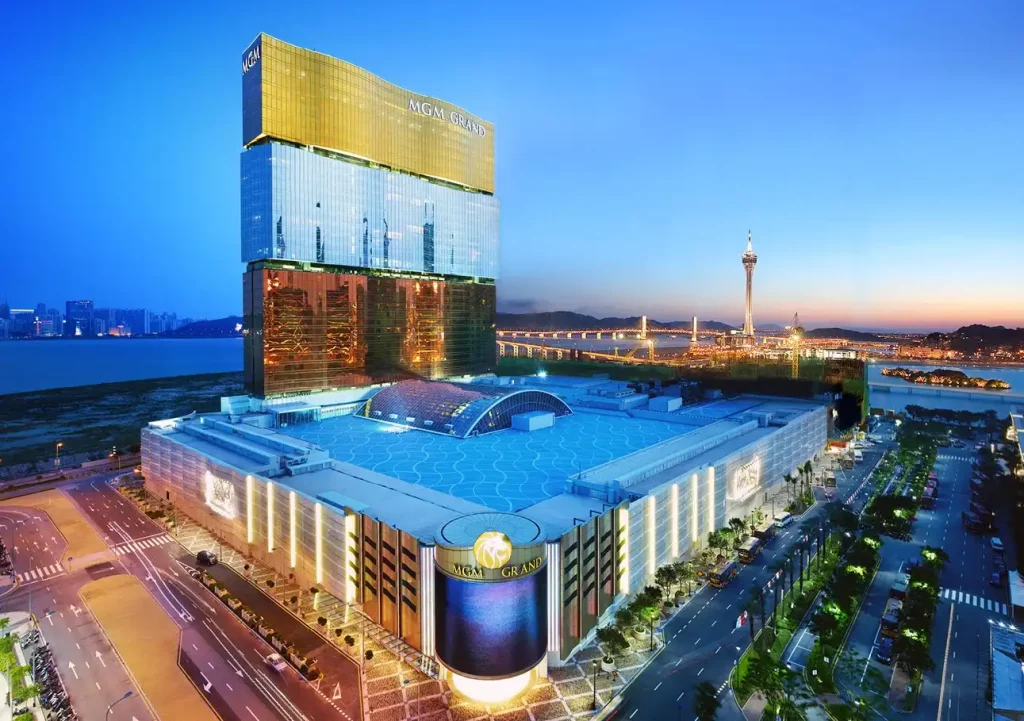
The performance across MGM’s properties was similarly affected. At MGM Macau, net revenue dropped by 7 percent to HK$3.04 billion ($391 million), with adjusted property EBITDA declining by 19 percent to HK$802 million ($103 million). The EBITDA margin for MGM Macau was recorded at 26.4 percent, reflecting a challenging quarter for the property.
At MGM Cotai, net revenue declined 10 percent QoQ to HK$4.21 billion ($542 million), with adjusted property EBITDA also decreasing by 19 percent to HK$1.18 billion ($152 million). Despite improved win rates across both VIP and mass gaming segments, these gains were overshadowed by significant declines in rolling chip volume and mass drop, which fell by 36 percent and 15 percent, respectively.
Looking ahead, MGM China plans to introduce new suites in phases across both Macau and Cotai by the second half of 2025, with the aim of increasing its total room count by 25 percent by the end of that year. This expansion is expected to drive future growth, even as the operator faces short-term challenges.
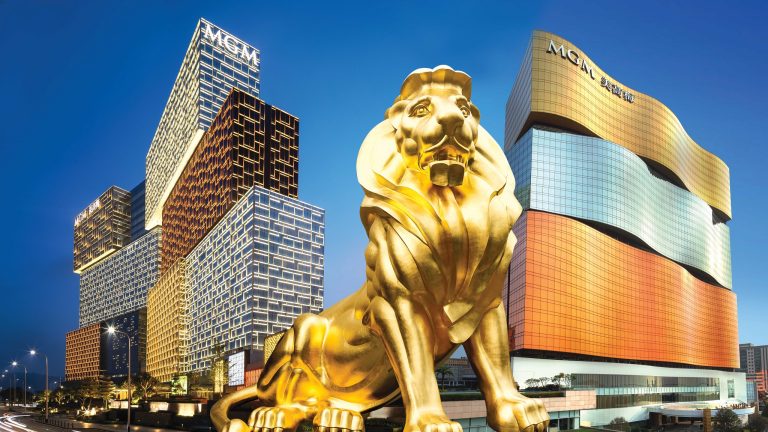
MGM Cotai, MGM China, Macau
3Q24 performance likely to be baseline
In another analysis by Deutsche Bank, MGM’s 3Q24 margins reached 25.5 percent, approximately 270 basis points below projections. These margins declined about 330 basis points from 2Q24 and decreased by 230 basis points year-over-year.
According to MGM’s management, the margin contraction was largely driven by increased investments and entertainment expenses. The company anticipates that the current 3Q24 margin levels will establish a near-term baseline, setting the stage as MGM continues to expand within Macau’s market.
Despite margin pressures, MGM has maintained solid market traction in Macau. The operator’s GGR market share stood at 14.6 percent in 3Q24, slightly lower than the 15.9 percent reported in 2Q24 but aligning with the 14.5 percent seen in 3Q23. MGM’s management remains optimistic about sustaining its market share in the mid-teens, pointing to Macau’s market resilience and projecting continued growth momentum in the quarters ahead.
Deutsche Bank also highlighted MGM China’s 3Q24 gains, which underscore the operator’s upward trajectory. MGM reported property EBITDA for 3Q24 up by about 30 percent from 3Q19 and marking a 5 percent year-over-year increase. This growth was primarily fueled by mass gaming, with the company experiencing a promising start to 4Q24, thanks to a robust Golden Week turnout.
While mass gaming (slots and table games) increased by 21 percent year-over-year, VIP segments faced challenges: rolling chip volume dropped by 8 percent, and VIP GGR declined by 25 percent, indicating softer though anticipated hold levels within this segment.
Macau police apprehended another suspect involved in illicit money exchanges on Thursday, one day after the first arrest occurred under Macau’s new illegal gambling law.
According to the Judiciary Police, authorities intercepted a mainland Chinese man engaged in money exchange for gambling purposes in Cotai at 9:30am on Thursday, resulting in his arrest. This marks the second case of illicit money exchange addressed by Macau police, leading to the arrest of three suspects within the first three days since the new law took effect.
The latest suspect, a 40-year-old man, was found exchanging RMB19,845 ($2,787) for HK$21,000 ($2,703) in cash chips when he was intercepted by police. He reported being unemployed and had entered Macau on October 23rd.
He has been charged with operating an illegal money exchange for gambling, and the case has been forwarded to the prosecution for further investigation.
During the operation, police seized a total of HK$46,900 ($6,043) in gaming chips, HK$500 ($65) in cash, and a mobile phone as evidence.
Authorities reiterated that the Law on Illegal Gambling Activities, which took effect on October 29th, prohibits operating a currency exchange business for gambling without proper authorization. Offenders could face up to five years in prison, with all money and valuables involved in the crime subject to confiscation and declared property of the Macau SAR government by the court.
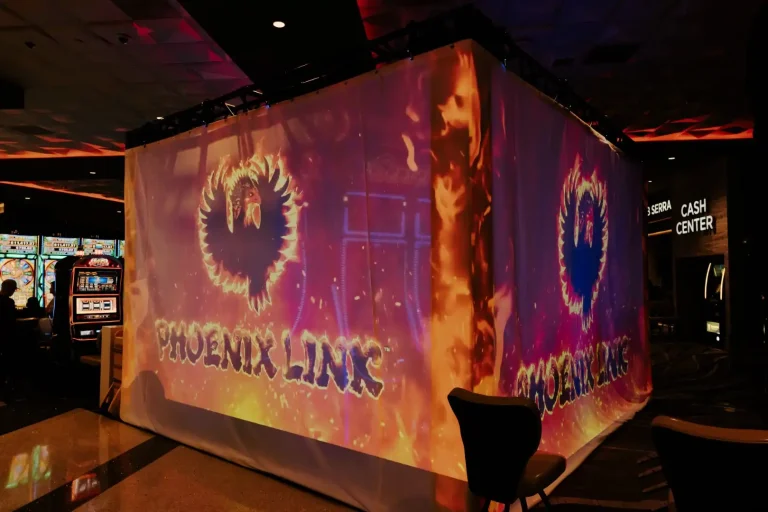
Aristocrat Gaming‘s latest hit, Phoenix Link is now live on casino floors, with Yaamava’ Resort & Casino being the first in North America to offer the highly-anticipated game.
As the next evolution of the international hit game, Dragon Link™, Phoenix Link features player-favorite mechanics from top games with all-new themes, features and bonuses.
“We have been humbled by the incredible global fanfare Dragon Link has received over the years but are never ones to rest on our laurels. The teams have been working tirelessly on a follow-up that brings together all the player-favorite elements in a new and exciting way with Phoenix Link as the proud result,” said Victor Duarte, EVP of Product for Aristocrat Gaming. “We were thrilled to partner with Yaamava’ to premiere Phoenix Link with flair, excitement, and celebration.”
Phoenix Link players will enjoy the game’s additional denominations, configurations, and jackpots on each of the launch game theme titles. Gameplay features include Hold & Spin, Free Games with multiplier wilds or twin spin reels, Phoenix Mystery trigger, and more new bonus twists. Phoenix Link is available on the Neptune™ Single cabinet.
“Yaamava’ is thrilled to host yet another world premiere in gaming with the launch of Phoenix Link by Aristocrat Gaming,” said Kenji Hall, General Manager, Yaamava’ Resort & Casino at San Manuel. “Our Club Serrano members are already raving about this captivating extension of the player-favorite Dragon Link. It’s a great addition to the Yaamava’ gaming floor.”
Discover the legendary intrigue and power of the phoenix in the all-new Phoenix Link, exclusively from Aristocrat Gaming.
Good morning. See and be seen. But in the age of biometrics, the data recorded goes deeper than the surface. A top legal expert warns that the use of artificial intelligence (AI) by gaming operators opens the door to possible misuse and that proper safeguards need to be put in place. Meanwhile, in Thailand, the casino push continues, while facing headwinds. Despite rampant public support previously expressed, experts warn of the risks that come with introducing gaming to an avid populace.
Everyone knows the eye in the sky. But not everyone is aware of exactly how much data is being recorded, processed, stored, and potentially shared. A top law professor examines how the information gathered using artificial intelligence can go beyond the limits, and why this could be detrimental to the consumer. Looking at punters themselves, however, the expert notes that AI enhancements can boost cognition, resulting in unfair play.
Asia is the most populated continent on the planet and Football is the No. 1 sport in most countries. The World Cup qualifying matches are traditionally watched by billions of fans in the region, but FIFA has decided to reward Asia with a significant representation at the tournament only now.
Altenar, a leading sportsbook provider is bringing its global expertise to Asia, looking to expand its operations. Since 2011, Altenar has powered hundreds of online sports betting sites worldwide and is a major B2B provider in Europe and Latin America licensed markets.
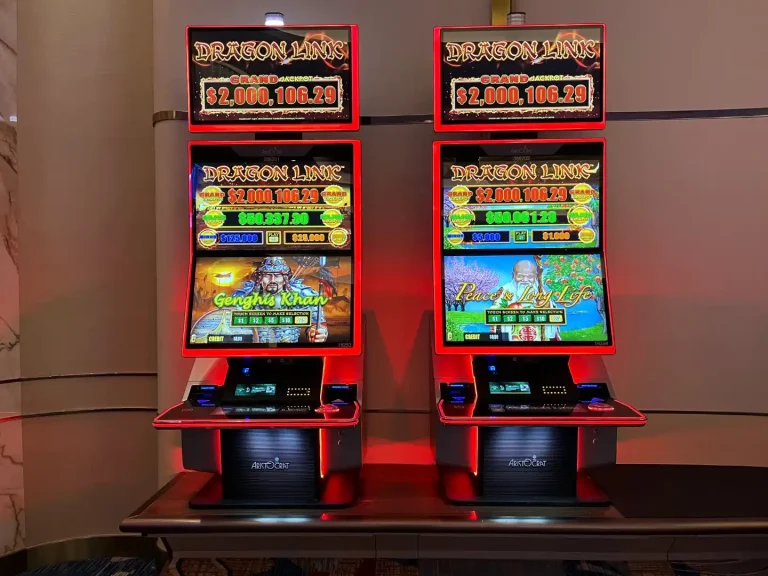
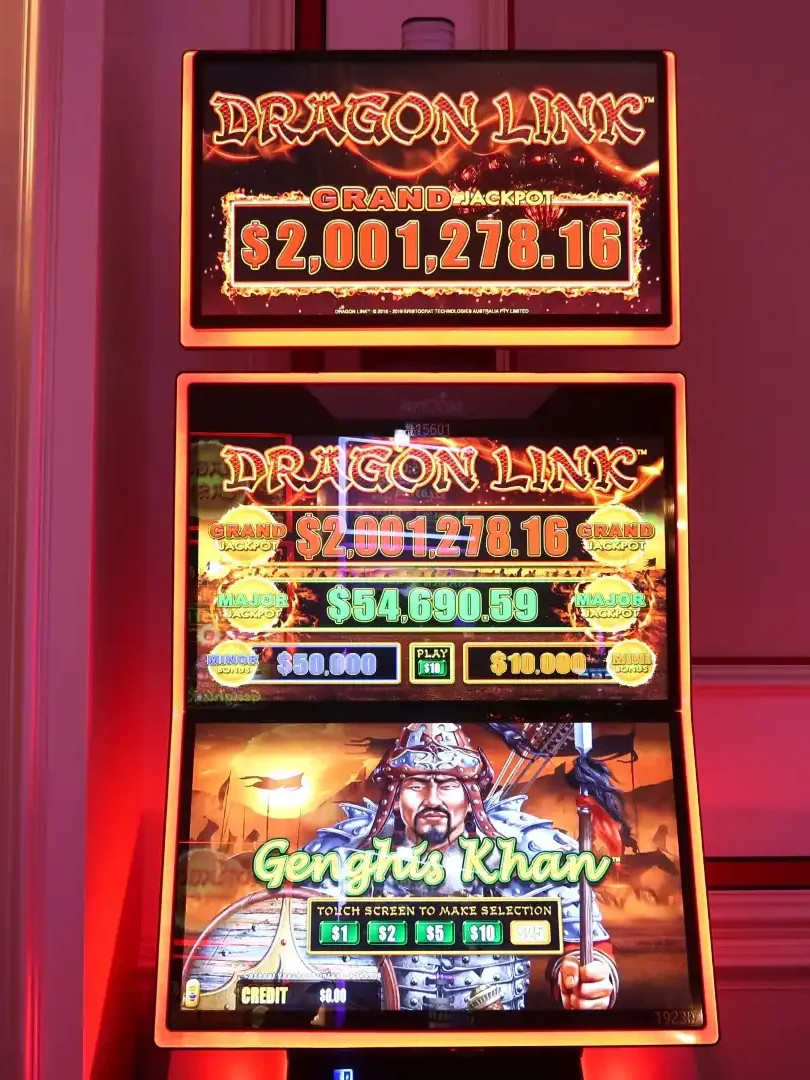
Aristocrat Gaming debuts the World’s First $2 Million Dragon Link Games at The Venetian Resort Las Vegas. The new $2 Million Dragon Link games can be found in the recently renovated Venetian High-Limit Slots Salon, and The Palazzo High-Limit Gaming Lounge.
Players at both properties can choose from Dragon Link Genghis Khan™ and Dragon Link Peace and Long Life™. Both appear on the MarsX™ Upright cabinet by Aristocrat Gaming.
The new $2 Million Dragon Link games are in addition to the popular $1 Million Dragon Link games found in both high-limit rooms. Players can also enjoy the original Dragon Link™ on the main casino floors.
“Aristocrat Gaming is thrilled to mark the debut of our new $2 Million Dragon Link games at The Venetian Resort Las Vegas,” said Kurt Gissane, chief revenue officer of Aristocrat Gaming. “Dragon Link is a player-favorite game across the globe, and we look forward to players experiencing the excitement of the new $2 Million Dragon Link right in the heart of the city of entertainment.”
Dragon Link is one of the most popular and award-winning slot games in the world. Most recently, the game was named the Top Performing Proprietary Branded Game in the 2023 EKG Awards.
MGM China has recorded a 14 percent increase in revenue for the third quarter, topping $929 million, while recording an EBITDAR increase of 5 percent to $237 million.
According to the group’s most recent financials, casino revenue increased by 12 percent yearly, to $800 million, boosted by performance at both MGM Macau and MGM Cotai.
Revenue at both properties increased during the quarter, up by 5.8 percent yearly at MGM Macau – to HK$3.04 billion ($391.24 million) and by 20.7 percent at MGM Cotai – to HK$4.21 billion ($541.56 million)
This resulted in a strong increase for MGM Cotai’s adjusted EBITDA increase of 17.7 percent at MGM Cotai – to HK$1.18 billion ($152.2 million). MGM Macau failed to reach such a rise, falling by nearly 9 percent yearly, to HK$801.52 million ($103.13 million) in regards to adjusted EBITDA.
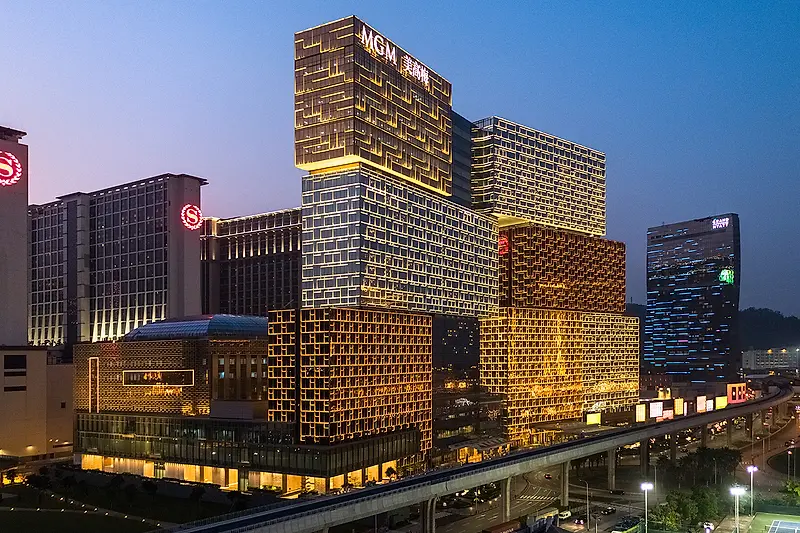
MGM Macau peninsula
VIP play at MGM Macau was down yearly, by 9.7 percent, at HK$7.67 billion ($987.5 million) in regards to games turnover. Main floor drop increased, however, by 2.6 percent, to HK$13.53 billion ($1.74 billion).
Slots at the property also saw a strong yearly increase, up by 9.8 percent yearly, to HK$7.06 billion ($909.2 million)
The group operated some 339 gaming tables and 990 slot machines at the property during the quarter.
MGM Macau recorded 95 percent occupancy at the hotel during the period, a slight increase from the same quarter of last year.
Looking at the Cotai Strip, MGM Cotai saw a 3.7 percent increase in mass floor table games drop, to HK$13.31 billion ($1.71 billion). VIP play declined, with games turnover at just HK$15.04 billion ($1.93 billion), a fall of 7.2 percent.
MGM Cotai Macau
The slot machine handle was also up at MGM Cotai, hitting HK$7.54 billion ($970.97 million), a significant rise of 32 percent.
Hotel occupancy at the property rose slightly, to 93.9 percent.
During the period, the property operated 411 gaming tables and 983 slot machines.
Speaking of the results, Kenneth Feng – President of MGM China noted “We are delighted to see the recovery in Macau, along with the diversification development of the city. We are committed to developing Macau into a global and diversified tourist destination through our concession commitments.”
“Meanwhile, we are also investing in several capital improvements across our properties.”