

Home Blog Page 232

Japan’s Esports industry confronts legal challenges amid gambling ban: Lawyers

0

Japan’s booming Esports sector is facing a complex web of legal hurdles, as strict gambling laws and regulatory frameworks continue to shape the industry, according to a legal analysis by lawyers at Nishimura & Asahi.

Under Japanese law, gambling is broadly prohibited, with only limited exceptions such as government-authorized horse racing and (upcoming) land-based casinos. The country’s first integrated resort (IR), which will include a licensed casino, is scheduled to open in Osaka in 2030, with a second round of IR project applications expected soon. Online casinos remain strictly banned.

In an analysis published at the Asia Business Law Journal, Nishimura & Asahi attorneys Tomohiro Takagi, Yuki Matsumoto, and Kazuki Ebihara argued that Esports competitions risk being classified as gambling if entry fees are used to fund prize pools.

To avoid this, the Japan Esports Union (JESU) has issued guidelines requiring entry fees to cover only operating costs, while prizes must come from independent sponsors.

The analysis states that for years, Japan’s Premiums Act capped tournament prizes at JPY100,000 ($672), treating publisher-funded pools as promotional premiums.

Regulators now recognize prize money for professional players as compensation for services rendered, allowing larger prize pools, with JESU encouraging organizers to maintain this classification by issuing professional licenses and limiting participation to invited players.

The legal experts noted that large-scale tournaments such as EVO Japan once faced hurdles under the Amusement Business Act, which required police authorization for fee-based gaming events, while guidelines issued in 2020 eased restrictions, permitting entry fees that cover only operating costs.

Organizers must secure licenses from publishers and rights holders to stream or broadcast gameplay, as Japanese copyright law protects game software, audiovisual assets, and performers’ rights. Foreign players face visa challenges, with no Esports-specific category available, often relying on entertainer or athlete visas.

Japan’s Act on the Protection of Personal Information also applies to Esports events, requiring organizers to safeguard player data and disclose usage purposes. Identifiers such as gamer handles may qualify as personal information if linked to individuals.

Despite progress, Japan’s Esports industry remains entangled in overlapping legal regimes, with the Nishimura & Asahi lawyers stressing that organizers should consult experienced counsel early to navigate gambling, copyright, visa, and privacy rules.
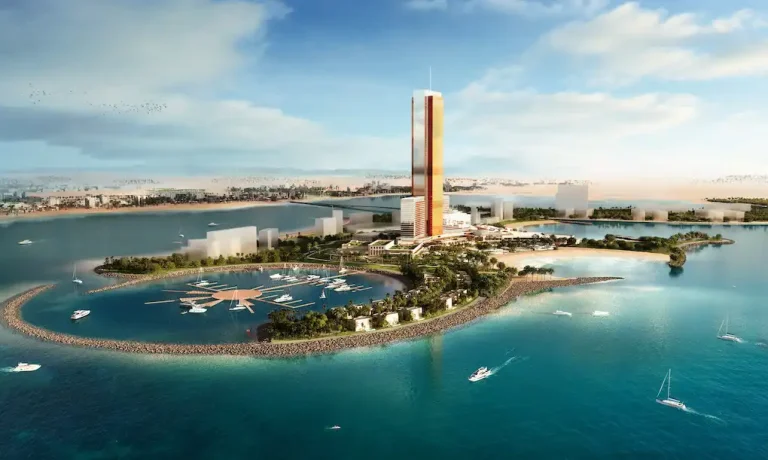

Most of Wynn Al Marjan Island project’s budget already spent or procured – Wynn Resorts

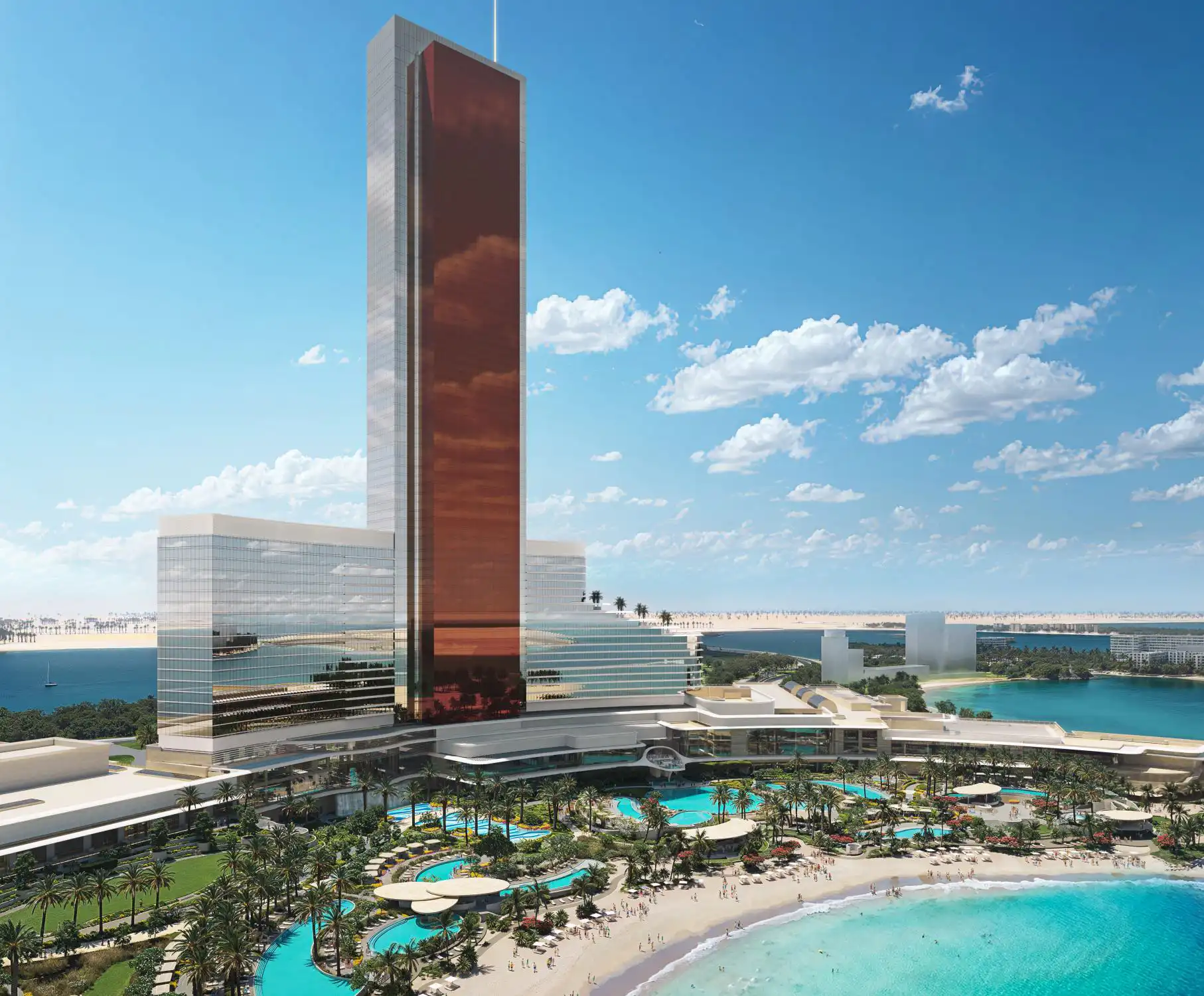
Wynn Resorts indicates the $5.1 billion budget for its Wynn Al Marjan Island integrated resort is now 67 percent spent or contractually secured, updating investors on construction progress during a market tour in the UAE.

In a presentation for a UAE market tour, the gaming group highlighted that its strategy relies on extensive buyouts, fixed pricing, and contingency reserves to reduce risks to timing, cost and quality.

Roughly $3.4 billion of the project’s total cost has already been spent or fully bought out under procurement commitments.

The resort — set to become the UAE’s first to feature a casino — remains on track for an early 2027 opening, with all tower structural concrete complete and nearly all guest-room structures finished as of late November 2025.

Wynn said about 18,000 construction workers and professionals are on site daily. The tower facade glazing is approximately 70 percent complete, hotel room interior fit-outs are underway across virtually all guest rooms, and low-rise structures are 97 percent complete with interior partitions and MEP (mechanical, electrical and plumbing) work progressing across most venues.

The 353-metre tower is set to become one of the tallest hospitality structures in the region, surpassing some of Dubai’s best-known landmarks.

Wynn’s presence has accelerated the transformation of Al Marjan Island, where land prices have nearly tripled since 2021 following the project’s announcement. Global hospitality and branded residential developers, including JW Marriott, Fairmont, Nikki Beach and Janu, have since committed to new projects that have sold out available plots on the island.

Ras Al Khaimah is also undergoing rapid economic expansion under its Vision 2030 plan, which includes more than $35 billion in development and infrastructure investment.

Current projects include an expansion of Emirates Road, a major airport terminal enlargement targeting 3 million passengers by 2028, and an electric air-taxi corridor linking Dubai International Airport to Al Marjan Island by 2027.

Tourism authorities project visitation to reach 11.2 million by 2030, with hotel key supply expected to more than double from 7,472 today to more than 16,000 by the end of the decade. A Colliers study forecasts that by 2027 — the year Wynn opens — room demand in Ras Al Khaimah will outpace supply by over 8,400 keys.

Wynn Resorts estimates the UAE could generate $3–5 billion in annual gaming revenue once three integrated resorts are operating. Based on its modelling, Wynn Al Marjan Island is expected to produce between $1 billion and $1.7 billion in gross gaming revenue at steady state.

The company projects annual property EBITDAM of $500–800 million, implying a project return of 9.8–15.7 percent and a return on equity of 16.7–34.3 percent after the resort’s typical three-year ramp-up period.

Executives say the property will anchor Ras Al Khaimah’s ambitions to become a major international tourism, entertainment and luxury-resort hub.

Vietnam’s Sun Group aims to make Phu Quoc Island the next Phuket or Bali

0

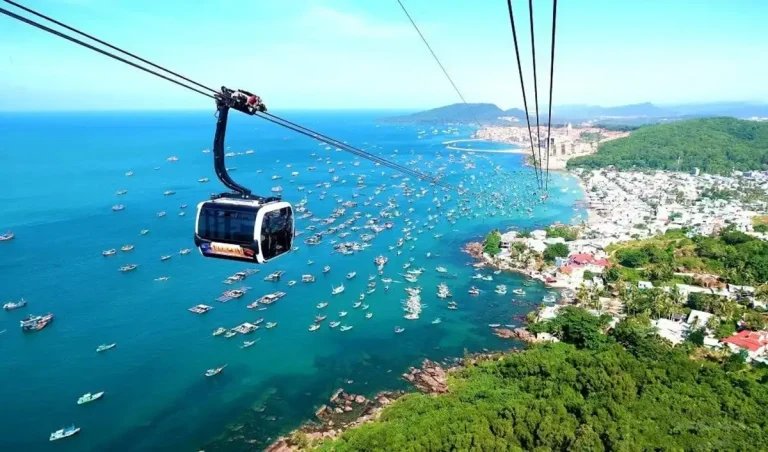
Vietnamese conglomerate Sun Group is intensifying its push to elevate Phu Quoc Island into a leading regional resort destination by coupling aviation expansion with integrated hospitality and entertainment assets.

A new analysis from CAPA – Center for Aviation, a global aviation intelligence provider, highlights the group’s strategy to position the island alongside Phuket, Bali, and Jeju within Asia’s competitive tourism landscape.

Phu Quoc Island has seen steadily rising visitor numbers, supported by Vietnam’s gradual airport privatization, infrastructure upgrades, and shifting regional tourism dynamics influenced by reduced travel to Thailand.

Sun Group, which operates Phu Quoc International Airport and several other aviation assets, is preparing to launch a new airline, initially targeting high-volume domestic routes before expanding internationally. According to CAPA, the carrier is expected to scale from eight aircraft by the end of 2025 to as many as 100 by 2030, including long-haul models.

Although the island has established links with several international markets, connectivity gaps remain. Sun Group is banking on its vertically and horizontally integrated model — spanning airports, airlines, hotels, attractions, and premium travel services — to improve access and capture higher-value visitor segments. CAPA describes the strategy as an emerging ecosystem in which the group controls the supply chain across air travel, accommodation, and tourism operations.

Phu Quoc Island’s appeal is also set to rise following a major policy shift in Vietnam’s gaming sector. Under Resolution No. 307/2025, issued on November 26th, the government granted permanent local entry at Corona Resort & Casino — the country’s first casino in Phu Quoc permitted to admit Vietnamese nationals on a non-pilot basis.

According to CAPA, the combined effect of expanded air connectivity and broadened access to casino gaming could accelerate Phu Quoc Island’s transformation into a top-tier tourism hub, mirroring integrated aviation-tourism models that have succeeded in Europe and the Americas.

Massive increase in hotel rooms

Speaking to AGB previously, gaming expert Ben Lee – Managing Partner of IGamiX Management and Consulting – noted that the Sun Group also was given a five-year locals-gaming allowance for the multi-billion-dollar property it is building in Van Don. The property is aiming for a 2032 launch.

But the group’s Phu Quoc aspirations are already being cemented, literally, with a “massive project” on the main island and another on the “neighboring island”. Lee indicated that the hotel complex on Phu Quoc itself could total up to 20,000 keys, possibly opening as early as 2027. Meanwhile, the development on the neighboring island could also bring up to another 20,000 room keys into play. “They are building close to Macau’s entire room inventory,” noted Lee.

The expert highlights how the group has leveraged itself to become the top real estate developer in the country in recent years, by creating infrastructure, reclaiming land, building theme parks, airports, creating its own airline (as well as a VIP charter airline) and focusing on the wider picture – which then can also leverage its potential reapplication for a locals gaming license or an expansion from its Van Don property.

Assets linked to Prince Group among $300M seized in Thai scam network sweep

0

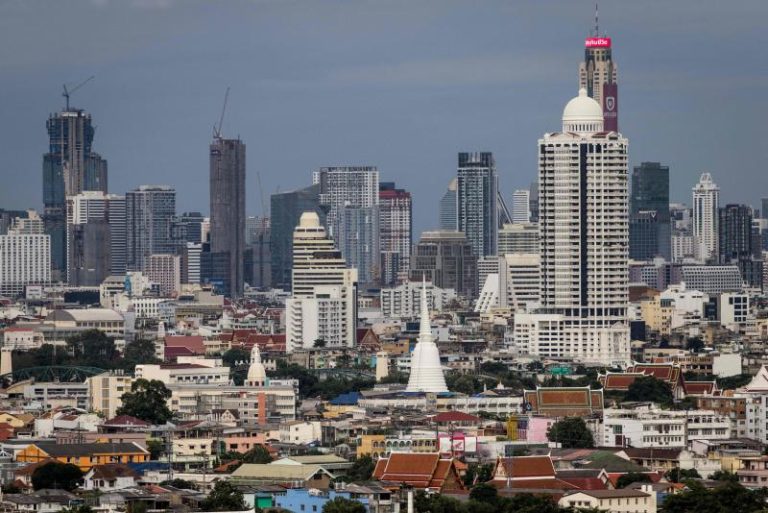
Thailand has seized assets worth more than $300 million and issued arrest warrants for 42 individuals in a sweeping crackdown on transnational scam networks operating across Southeast Asia, officials announced on Wednesday.

Authorities said the operation targeted criminal groups linked to large-scale online fraud rings that have proliferated in border areas between Thailand, Myanmar and Cambodia.

According to media reports, Deputy Commissioner of the Thai Central Investigation Bureau Sophon Saraphat said investigators had confiscated assets valued at THB10.15 billion ($318 million). “Arrest warrants have been issued by the Criminal Court for 42 individuals,” Saraphat said, adding that 29 suspects had been taken into custody as of Tuesday.

Prince

The latest enforcement action centers on alleged networks tied to Chinese-Cambodian businessman Chen Zhi, head of the US-sanctioned Prince Group, as well as Cambodian nationals Kok An and Yim Leak. Thai authorities said the three were connected to cross-border online fraud operations that used illegal compounds to generate billions from forced labor and trafficking victims.


Thailand’s Anti-Money Laundering Office (AMLO) said investigators uncovered “information on networks of online fraud, human trafficking, and money-laundering” linked to Chen and his associates. Some of the assets seized were tied directly to the tycoon, whose whereabouts remain unknown. It was not immediately clear whether Chen was among those named in the Thai arrest warrants.

The Prince Group did not immediately respond to requests for comment. Chen could not be reached. The company has previously denied involvement in any illegal activity, rejecting allegations made by Western authorities. In October, the US Justice Department indicted Chen on charges including wire-fraud conspiracy and money-laundering conspiracy for allegedly overseeing forced-labor scam compounds in Cambodia.

Regional scrutiny around Prince Group has intensified in recent months. Authorities in Hong Kong and Singapore have frozen or seized assets linked to the conglomerate worth $354 million and $116 million, respectively, following sanctions imposed by the United States and the United Kingdom.

Thai investigators also targeted assets linked to Yim Leak, whom authorities described as the heir to an influential Cambodian network involved in fraudulent financial transactions. AMLO said it confiscated several trading accounts, including shares worth THB6 billion ($188 million) in Bangchak Corporation, a major regional energy company. Bangchak said the actions related to an individual shareholder and stressed that its operations remained unaffected.

Authorities said they have also identified a criminal group operating from facilities in Cambodia owned by Kok An, which allegedly used illicit proceeds to acquire assets in Thailand. Cambodian officials have not publicly responded to the allegations.

Daily Asia Gaming eBrief: Online gambling credit card ban impacts AU sports bets

0
Good Morning. Card denied. Following a ban on credit card use for online gambling in Australia, that’s exactly the case, prompting a significant decrease in sports betting in the nation. While the move discourages more casual punters, the dwindling use of plastic in the online world means that the impact is unlikely to be that significant. Looking further afield, Genting Malaysia’s profit could rise up to $406 million by 2030, according to analysts, despite potential risks linked to its New York investment. And down under, Bally’s has cleared its hurdles to become a significant shareholder in The Star, with all the changes that entails.

What you need to know


On the radar


AGB Intelligence

Australia’s ban on credit cards for online gambling prompts a drop in wagers

Credit card ban prompts drop in sports betting: report

Australia’s efforts to mitigate gambling harm appear to be working, at least on some fronts. According to a recent study, the ban on use of credit cards for online gambling has caused a significant drop in wagering, stopping many punters from betting with borrowed money. The ban largely affects casual punters, mostly due to the inconvenience. However, given the already dwindling use of credit cards in online betting, the impact is not likely to be significant.

Industry Updates


INTELLIGENCEASEAN | CAREERS | EVENTS

BetMakers enters exclusive 5-year agreement to launch CrownBet

0

Australian wagering market technology supplier BetMakers Technology has announced that it has entered into an exclusive five-year agreement with Betfair Australia to act as the sole technology provider for the launch of CrownBet.

According to a company release on Thursday, Betmakers will ‘deliver a full wagering stack for the development of CrownBet’. This is to include ‘a fully customized deployment of the Apollo wagering platform, trading and risk services, a content engine and the core Apollo technology’.

Apollo combines fixed odds and tote betting with customer account tools, compliance controls and a customizable frontend aimed at racing sportsbooks. Betfair, the ‘world’s largest peer-to-peer wagering platform’ is 100 percent owned by Crown Resorts.

The group indicates that it is targeting the CrownBet launch for 1Q26, ‘with platform activation and compliance workstreams already underway’.

It furthers that its technology and solutions will act as the ‘operational backbone of the CrownBet offering from launch’.

Speaking of the deal, Betfair CEO Amy Zavros noted that “Betfair is evolving to meet the changing needs of Australian customers by introducing a new fixed odds product under the CrownBet brand and required technology partner capable of delivering a top tier product from day one”.

Brightstar Lottery launches $750M in senior secured notes

0

Brightstar Lottery PLC has announced the launch of $750 million in senior secured notes due in 2033.

The move comes amongst the successful redemption of all of its 6.25 percent senior secured notes due in 2027.

The new notes are to be issued by Brightstar and Brightstar Global Solutions Corporation, a wholly-owned subsidiary of Brightstar.

The securities will be listed on the Official List of Euronext Dublin and admitted to trading on the Global Exchange Market of Euronext Dublin.

Settlement of the notes is expected to occur on December 15th.

The notes are only being sold to qualified institutional buyers and to non-US persons outside of the United States in offshore transactions.

Brightstar is an international lottery brand spun off from IGT, with a worldwide presence and approximately 6,000 employees.

GEG donates MOP700,000 to Tung Sin Tong for 22nd straight year

0

Since 2004, Galaxy Entertainment Group (GEG) has supported the annual fundraising campaign of Tung Sin Tong Charitable Society (“Tung Sin Tong”) for 22 consecutive years. This year, GEG donated MOP700,000 to further expand Tung Sin Tong’s charitable services, ensuring care for those in need and fostering the spirit of philanthropy.

A delegation from Tung Sin Tong, including Chairman Mr. José Chui Sai Peng; Vice Chairman Mr. Jeffrey Vong; and Directors Mr. Victor Armando Fung, Mr. Charles M. Choy, Mr. Alberto Lei and Mr. Jeff Chan visited GEG, where they were warmly received by Mr. Francis Lui, Chairman of GEG; Mr. Buddy Lam, Director of Corporate Affairs of GEG; Mr. Andrew Lui, Head of Project Development of GEG; Ms. Linda Wong, Assistant Senior Vice President of Public Relations of GEG; and Ms. Annie Loi, Vice President of Corporate Social Responsibility of Public Relations of GEG, and were presented with a MOP700,000 donation cheque.

During the visit, GEG representatives expressed gratitude for Tung Sin Tong’s long-standing commitment to advancing diverse charitable services that benefit the elderly, youth, and various community groups. Additionally, both parties discussed the future of Macau’s charitable services and social works, exchanging experiences and sharing achievements.

Over the years, Galaxy Entertainment Group has maintained close ties with various charitable and social service associations, including Tung Sin Tong, leveraging its resources to actively fulfill its social responsibility. This year, GEG collaborated with Tung Sin Tong to co-organize and support a series of youth-focused initiatives. Students from Escola Tung Sin Tong were invited to join the “Off-site Collaboration with Overseas Invited Chef”, an extended event of the “2025 International Cities of Gastronomy Fest, Macao”, deepening their understanding of sustainable dining and resource recycling.

GEG also arranged families from the primary school of Escola Tung Sin Tong to participate in interactive storytelling sessions and workshops focused on resource conservation. Furthermore, as the special art partner and venue sponsor of the “35th Macao Art Festival – Macao Chinese Orchestra Cantonese Opera Concert ‘Unveiling Harmonious Voices’”, GEG welcomed over 100 students and teachers from Escola Tung Sin Tong to an open rehearsal at Broadway Theatre of Broadway Macau™, fostering appreciation for traditional Chinese arts and culture among the participating youth.

Australia’s credit-card betting ban cut online gambling but mostly by making it harder: Study

Australia’s ban on using credit cards for online gambling prompted a noticeable drop in sports betting activity, largely because it made wagering less convenient rather than stopping people from gambling with borrowed money, according to new research.

The study, carried out by economists Aditya Maitra and Matthew Maltman and released by the e61 Institute, analyzed anonymized bank-transaction data before and after the federal government’s June 2024 ban, which outlawed the use of credit cards for online wagering but exempted lotteries.

sports betting

Maitra and Maltman found that average online sports betting expenditure among affected users fell by about A$50 ($32.88) per fortnight in the six weeks after the ban took effect. The decline was driven by a 15-percent drop in the likelihood of placing a bet, with around one-third of impacted customers ceasing all recorded gambling during the period.

But the authors say the evidence shows the policy did not curb the use of credit for gambling so much as it introduced small obstacles — such as registering new payment methods — that discouraged casual punters.

Maitra and Maltman noted that gamblers could still transfer money from a credit card to a bank account and wager from there, at the same cost as before the ban. Few did so, and cash-advance fees actually fell modestly, the researchers found.

Before the ban, credit cards accounted for only a shrinking sliver of the online betting market. By early 2024, just two percent of cardholders used a card for sports wagering, in part because such transactions were treated as cash advances, attracting high fees and interest.

The study also challenges assumptions that credit-card betting disproportionately involves people in financial distress. Users who gambled with their cards typically had higher incomes and more liquid savings than other bettors, and showed no greater signs of debt problems.

While the ban prompted many low-stakes or occasional gamblers to drop out, its impact on heavy gamblers was smaller, and the short-term financial benefits were limited. The authors said they found no clear improvements in savings, spending or overall financial well-being in the weeks following implementation.

slot machine, slots, pokies, Australia, EGMs, carded play trial

The findings come amid political pressure on Canberra to tackle gambling harm in what is believed to be the world’s highest per-capita gambling nation. Surveys show poker machines remain far more closely linked to problem gambling than sports betting.

Maitra and Maltman said the credit-card ban demonstrated that gambling behavior “is responsive to policy”, especially when frictions disrupt impulsive betting. But they added that greater reductions in gambling harm may require targeting sectors where risks are more concentrated.

“Policymakers seeking to reduce harm may achieve greater impact by focusing on poker machines”, they wrote.

Direct flights between Brisbane and Cebu launched on Wednesday

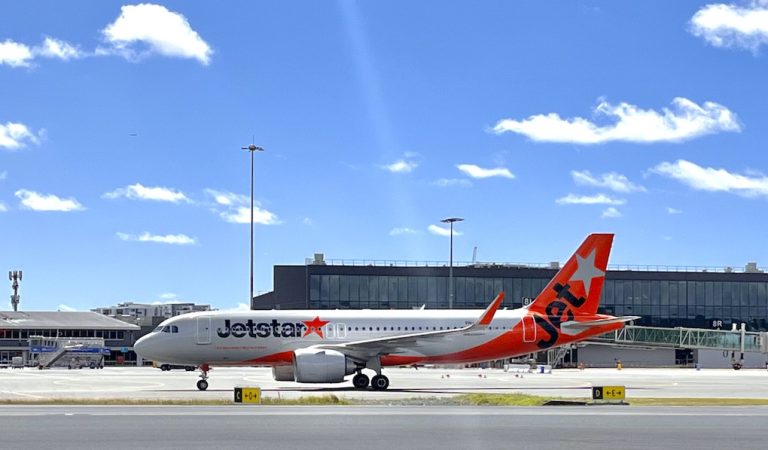
New direct flights between Brisbane and Cebu have been launched, improving connectivity between the two gaming jurisdictions.

According to Australian Ambassador to the Philippines Marc Innes-Brown “This is a tangible demonstration of the Australian government’s commitment to do more business with the Philippines and facilitate greater economic links”.

The flights are operated by Jetstar, being the first scheduled route to a destination in the Philippines outside of Manila.

Jetstar is an Australian low-cost aviation group launched in 2004, which operates over 130 routes to more than 50 destinations. It is under the wing of the Qantas Group.

The Australian Ambassador indicated that the move is aimed at long-term connection between the regions, while also hoping to boost the short-term recovery of Cebu’s economy.

“The timing of the introduction of this service will hopefully make a contribution to Cebu’s recovery from the terrible typhoon a few weeks ago,” noted Innes-Brown.

The two nations had updated their air services agreements in September, with the intention of doubling passenger capacity from 35 to 70 weekly flights to primary Australian cities by 4Q26.

Jetstar already launched direct flights from Perth to Manila in late November and currently operates five routes from Western Australia to Asia – Manila, Singapore, Bangkok, Phuket and Bali.